10 Best Vegetables for a High Uric Acid Diet
Managing your health often starts in the kitchen, and adopting a high uric acid diet can be a game-changer if...
Managing your health often starts in the kitchen, and adopting a high uric acid diet can be a game-changer if you experience joint discomfort. When your body produces too much uric acid, painful crystals can form in your joints. Fortunately, incorporating the right plant-based foods helps flush out these toxins. By focusing on nutrient-dense vegetables, you can naturally support your kidneys and balance your system.
Let’s explore the 10 best vegetables to include in your daily meals to keep your levels in check.
Hydrating Choices for a High Uric Acid Diet
Focusing on vegetables with high water content is an excellent strategy to support your kidneys and dilute your blood.

Cucumber to Flush Waste in a High Uric Acid Diet
Cucumbers are incredibly hydrating, consisting of about 95% water, making them a staple in any high uric acid diet. This high moisture content makes them exceptional at flushing toxins from your system. They contain traces of potassium, which helps maintain proper kidney function. Adding just 1 cup of sliced cucumber to your daily salad provides a refreshing crunch while actively supporting your body’s natural filtration. You can also infuse your drinking water with cucumber slices to boost fluid intake, doubling down on the hydration necessary to keep joints comfortable.
Celery as a Natural Diuretic for High Uric Acid
Celery is widely recognized for its natural diuretic properties, which are highly beneficial when managing a high uric acid diet. It contains compounds like luteolin, which may help reduce inflammation, and supports healthy kidney function. By promoting urine production, celery helps your body expel excess uric acid more efficiently. Snacking on 2 large stalks of celery gives you a satisfying crunch and a dose of antioxidants. Regular consumption can gently stimulate your kidneys, ensuring that waste products do not linger and accumulate as crystals in your bloodstream.
Detoxifying Cabbage and Carrots for High Uric Acid
Adding crunchy, fiber-rich vegetables to your meals provides your digestive system with the tools it needs to process waste.
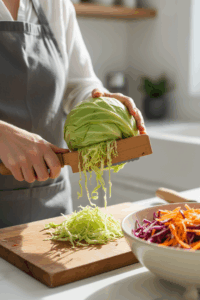
Cabbage for System Detox in a High Uric Acid Diet
Cabbage is a cruciferous vegetable offering fantastic detoxifying benefits, making it an ideal addition to a high uric acid diet. It is exceptionally rich in vitamin C, a nutrient known to help lower blood uric acid levels by assisting kidney excretion. A mere 1 cup of chopped raw cabbage delivers about 50% of your daily recommended vitamin C. Furthermore, cabbage is very low in purines and high in dietary fiber. Tossing shredded cabbage into a slaw preserves its crunch and its powerful, system-cleansing properties.
Carrots for an Antioxidant Boost Against High Uric Acid
Carrots are packed with beta-carotene, a powerful antioxidant that helps protect your cells from damage and inflammation. When following a high uric acid diet, focusing on foods that reduce systemic inflammation is crucial for maintaining joint health. Carrots are rich in dietary fiber, helping absorb excess uric acid in the digestive tract. Eating just 1/2 cup of grated carrots a day provides a significant dose of these protective compounds. Their natural sweetness also makes them an easy, low-purine substitute for sugary snacks that might trigger a flare-up.
Antioxidant Powerhouses for a High Uric Acid Diet
Utilizing vegetables packed with vitamins is a proactive way to lower acidity and protect your joints naturally.

Broccoli to Lower High Uric Acid Naturally
Broccoli is a nutritional powerhouse that deserves a prominent spot in your high uric acid diet. It is loaded with vitamin C, which actively helps the kidneys expel excess uric acid through urine. Additionally, broccoli contains sulforaphane, a compound celebrated for its potent anti-inflammatory effects that can soothe stressed joints. A standard serving of 1 cup of steamed broccoli florets is low in purines but dense in essential nutrients. Regularly including broccoli in your weekly meals provides your body with tools to naturally lower acid concentrations.
Tomatoes for an Alkalizing Effect on High Uric Acid
While botanically a fruit, tomatoes are treated as vegetables in a high uric acid diet and offer an alkalizing effect. Although slightly acidic in nature, their metabolic byproduct is alkaline, helping neutralize high uric acid levels. They are an excellent source of lycopene, a well-researched antioxidant that fights cellular inflammation. Adding 1 medium sliced tomato to your lunchtime salad can boost your lycopene intake significantly. It is worth noting that a small percentage of people find tomatoes act as a trigger; monitor your body’s unique response.
Light Cleansing Veggies for a High Uric Acid Diet
Incorporating versatile, hydrating squash and root vegetables keeps your meals interesting while supporting your liver and kidneys.
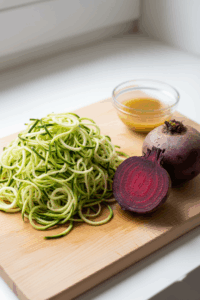
Zucchini for Light Cleansing of High Uric Acid
Zucchini is a fantastic, versatile vegetable that promotes light cleansing and fits perfectly within a high uric acid diet. Composed mostly of water and fiber, it aids in flushing out toxins while keeping your digestive tract moving smoothly. Zucchini is extremely low in purines, meaning you can enjoy it in large portions. Swapping traditional pasta for 1.5 cups of spiralized zucchini is an excellent way to reduce refined carbohydrates. This hydrating squash helps maintain an alkaline environment, deterring the crystallization of uric acid in sensitive joints.
Beetroot for Liver Support in a High Uric Acid Diet
Beetroot is incredibly effective at supporting liver function, an essential component of a successful high uric acid diet. Your liver processes purines, and keeping it healthy ensures uric acid is managed efficiently. Beets contain betaine, helping protect bile ducts and promoting better detoxification. Roasting 1 medium beetroot (about 4 oz) for your dinner plate provides a sweet flavor along with vital liver support. Additionally, the nitrates found in beets help improve blood flow, assisting the kidneys in filtering blood more effectively and reducing overall accumulation.
Leafy Greens for a High Uric Acid Diet
Dark leafy greens are essential for overall health, offering targeted anti-inflammatory benefits to combat high acidity.
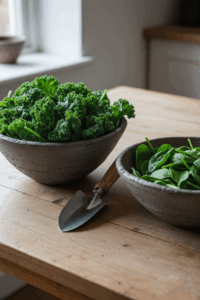
Kale for Anti-Inflammatory Benefits in a High Uric Acid Diet
Kale has earned its superfood status and is highly beneficial for a high uric acid diet due to its immense anti-inflammatory properties. It is rich in vitamins A, C, and K, along with antioxidants that target joint inflammation. Unlike some other greens, kale is relatively low in purines, making it a safe daily staple. Massaging 2 cups of raw kale with olive oil makes a tender salad base. The high fiber content in kale also supports a healthy digestive system, ensuring your body effectively processes metabolic waste.
Spinach in Moderation for a High Uric Acid Diet
Spinach is highly nutritious but requires a strategic approach when incorporated into a high uric acid diet. While packed with iron and vitamin C, spinach contains a moderate amount of purines compared to kale. Therefore, it is best consumed in moderation to avoid overwhelming your system. Limiting your intake to 1/2 cup of cooked spinach once or twice a week lets you reap benefits without risking a spike. Balancing it with plenty of hydrating vegetables ensures those purines are swiftly processed and eliminated by your kidneys.
Tips & Swaps
-
Swap sugary sodas for water infused with cucumber to stay hydrated on your high uric acid diet.
-
Use 1.5 cups of zucchini noodles instead of standard pasta to lower carbohydrate intake.
-
Snack on 2 celery stalks with hummus rather than highly processed, purine-rich potato chips.
-
Replace heavy red meat dishes with hearty, roasted root vegetables like beetroot.
-
Steam broccoli lightly instead of boiling to retain its valuable, uric-acid-lowering vitamin C.
FAQs
Can I eat tomatoes on a high uric acid diet?
Yes, tomatoes are generally safe and provide an alkalizing effect that heavily benefits a high uric acid diet. However, a small portion of individuals may experience flare-ups. Monitor your body’s reaction after consuming 1 medium tomato, and keep it in your rotation if no symptoms occur.
Are there any vegetables I should completely avoid for high uric acid?
No vegetables need to be completely banned, but you should moderate your intake of moderate-purine veggies like asparagus and spinach. Eating a 1/2 cup serving of these a few times a week is perfectly fine for a high uric acid diet, provided you stay well-hydrated daily.
How quickly can diet changes lower my high uric acid?
Adopting a strict high uric acid diet can start to show improvements in blood markers within 2 to 4 weeks. Consistency is key; pairing 3 to 4 servings of low-purine vegetables daily with adequate hydration accelerates your body’s natural flushing and filtration process.
Does the cooking method matter for vegetables on a high uric acid diet?
Yes, cooking methods matter significantly. Boiling vegetables can cause water-soluble nutrients, like vitamin C, to leach into the water. For a high uric acid diet, lightly steaming or roasting vegetables at 400°F (200°C) is best to preserve their anti-inflammatory compounds and overall nutritional value.
Disclaimer: This content is for informational purposes only and is not a substitute for professional medical advice.

About Jane Smith
We turn solid evidence into everyday habits Americans can actually do—plain English, cups/oz, grocery-aisle swaps, and routines that fit real life. Our editorial process: Experience—we road-test tips in real schedules…