The 4 Levels of Holistic Healing (And Why Fixes Fail)
You’ve probably been here before. You go to the doctor with a problem—let’s say chronic headaches. They prescribe painkillers. The...
You’ve probably been here before. You go to the doctor with a problem—let’s say chronic headaches. They prescribe painkillers. The headaches stop for a week. Then they’re back. So you go again. Stronger pills this time. Same cycle.
I’m not saying your doctor is wrong. But here’s what I keep thinking about: Why do the symptoms keep returning?
That’s what holistic healing tries to answer. Not by rejecting medicine, but by asking a different question. Instead of “How do I stop this pain?” it asks “Why is my body creating this pain in the first place?”
This article breaks down the 4 levels of health—from the surface symptoms your doctor treats to the deeper roots most people never address. If you’re tired of temporary fixes, keep reading.
Level 4: The Band-Aid Approach
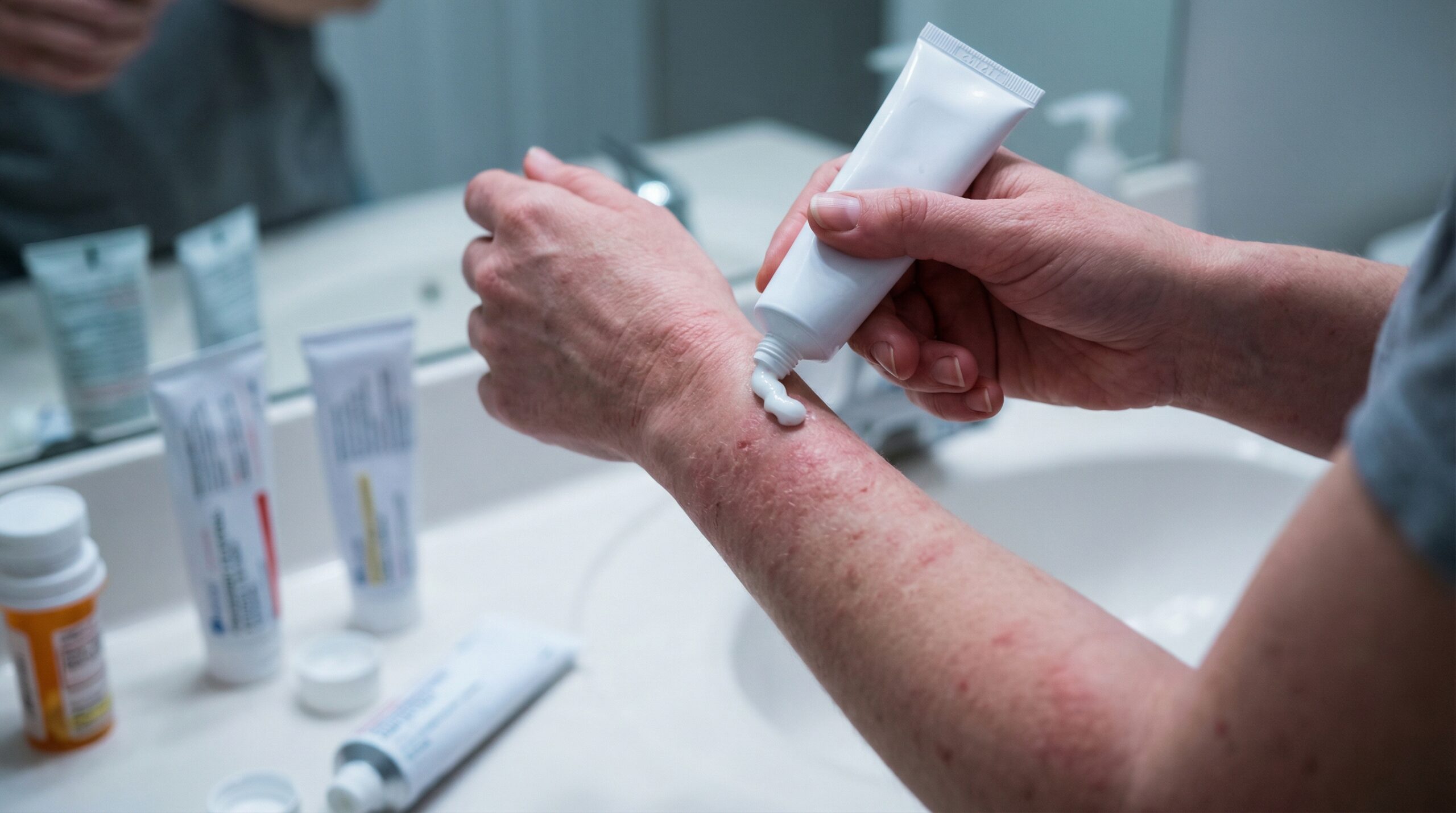
This is where most of us start. You have a symptom, you want it gone. Fast.
Western medicine is really good at this level. Tumor? Cut it out. Infection? Antibiotics. Broken bone? Surgery and a cast. If I’m in a car accident, I want a Level 4 doctor, no question.
But chronic illness is different. Let me give you an example.
My friend Sarah had eczema for three years. Her dermatologist prescribed steroid cream. It worked—for about a week. Then the rash came back, angrier than before. So she got a stronger cream. Same result. The doctor eventually told her, “Some people just have sensitive skin. You’ll probably need this cream forever.”
That didn’t sit right with Sarah. She started asking: Why is my skin doing this? What changed three years ago?
Turns out, the eczema started right after she took a job where her boss yelled at her daily. The stress was eating her alive. No amount of cream was going to fix that.
The problem with Level 4: It treats the alarm, not the fire. If your house is burning and you just rip out the smoke detector, the fire keeps burning.
Level 3: Clean the Tank

Here’s an analogy I think about a lot. If you have a fish tank and the water gets dirty, the fish get sick. You could inject medicine into each fish. Or you could just change the water.
Your body is the tank. The water is your internal environment—your blood, your gut, the pH balance of your cells.
Most chronic illness happens when the “water” gets toxic. Too much processed food, not enough sleep, constant low-grade inflammation. Disease doesn’t just randomly appear. It grows in specific conditions.
Sarah tried this level next. She cut out sugar and dairy for 30 days. Her skin improved—maybe 30%. Better than nothing, but not cured.
What works at this level:
- Drink more water. I know, boring. But most people are chronically dehydrated.
- Eat food that doesn’t come in a package. If your great-grandmother wouldn’t recognize it, skip it.
- Give your digestion a break. Stop eating by 7pm. Let your body repair itself overnight instead of digesting that late-night snack.
This level helps. But for Sarah, it still wasn’t enough.
Level 2: Your Mind is Part of Your Body

This is where it gets uncomfortable. Because it means your health problems might not be purely physical.
Have you ever gotten a headache before a big presentation? Or felt your stomach drop when you saw a text from someone you’re avoiding? That’s your mind talking to your body. It happens constantly, whether you notice it or not.
Chronic stress releases cortisol. Cortisol triggers inflammation. Inflammation is linked to basically every chronic disease—heart disease, diabetes, autoimmune conditions, even cancer.
Sarah finally went to therapy. She realized she’d been swallowing her anger for years—at her boss, at her parents, at herself. Her body was screaming what her mouth wouldn’t say.
Within two months of quitting that job and working through her resentment, her skin cleared up. No cream. No special diet. Just addressing the stress.
I’m not saying all illness is “in your head.” That’s dismissive and wrong. But I am saying your emotional state affects your physical state. They’re not separate systems.
What helps:
- Sleep. Seriously. If you’re getting less than 7 hours, everything else is harder.
- Move your body. Not because you “should,” but because it literally changes your brain chemistry.
- Talk to someone. A therapist, a friend, a journal. Swallowed emotions don’t disappear. They just move into your body.
Level 1: The Part Nobody Wants to Talk About

This is the deepest level. It’s about who you are when nobody’s watching.
I don’t mean this in a religious way (though it can be). I mean: What patterns are you running on autopilot? What beliefs about yourself are so deep you don’t even question them?
Sarah’s eczema wasn’t just about her boss. It was about a lifetime of believing she wasn’t allowed to say no. That her worth came from pleasing other people. That anger was “bad” and had to be hidden.
Those beliefs created stress. Stress created inflammation. Inflammation created eczema.
The three things that matter here:
- How you treat people. Not in a “be nice” way, but in a “do you lie, manipulate, or harm others?” way. A guilty conscience creates chronic stress. You can’t meditate that away.
- How clearly you see reality. Do you blame everyone else for your problems? Do you tell yourself stories that aren’t true? Self-deception is exhausting. Your body feels it.
- Whether you can stick to hard things. Can you do what you said you’d do, even when it’s uncomfortable? Or do you quit every time it gets difficult? Discipline isn’t about willpower. It’s about trusting yourself.
I know this sounds abstract. But think about someone you know who’s genuinely healthy—not just physically, but in a deeper way. They’re probably kind, honest, and consistent. That’s not a coincidence.
What to Actually Do
If you’re dealing with chronic illness, here’s what I’d suggest:
Start at Level 4. Get the medical tests. Rule out serious stuff. Take the medication if you need it. Don’t be a martyr.
Then move to Level 3. Clean up your diet. Drink water. Sleep more. Give your body the basics it needs to function.
If that’s not enough, go to Level 2. Look at your stress. Your relationships. Your job. What’s eating at you? Be honest.
And if you’re ready, explore Level 1. This is the hardest part. It means looking at patterns you’ve been running your whole life. It might mean therapy. It might mean meditation. It definitely means getting uncomfortable.
Final Thought
I don’t have all the answers. I’m not a doctor. But I’ve watched enough people—including myself—chase symptom relief for years without asking why the symptoms exist in the first place.
Holistic healing doesn’t mean rejecting medicine. It means asking bigger questions. It means treating your body, your mind, and your character as one system, not three separate problems.
Sarah’s skin is clear now. Not because of a miracle cure, but because she finally addressed the root. Your root might be different. But it’s there.
The question is: Are you ready to look for it?

About Jane Smith
We turn solid evidence into everyday habits Americans can actually do—plain English, cups/oz, grocery-aisle swaps, and routines that fit real life. Our editorial process: Experience—we road-test tips in real schedules…