4 Ways Sugary Drinks Are Harming Your Long-Term Health
For many Americans, a cold soda or sweetened iced tea is a daily staple, yet the long-term impact of these...
For many Americans, a cold soda or sweetened iced tea is a daily staple, yet the long-term impact of these beverages extends far beyond a simple sugar rush. While the immediate boost in energy might feel harmless, the physiological toll of “liquid candy” is profound. Understanding the specific sugary drinks harms to your internal organs is the first step toward reclaiming your metabolic health.
From your bones to your heart, every sip sets off a complex chain reaction that can reshape your wellness journey for years to come.
Beyond the Buzz: How Liquid Sugar Impacts Your Organs
Transitioning from a casual habit to a chronic health concern, the frequent consumption of sweetened beverages creates a systemic environment where your organs must work overtime to maintain balance. When you consume a typical 12-oz (355 ml) can of soda containing approximately 39 grams of sugar, your body is flooded with more glucose and fructose than it can naturally process at once. This flood of refined sweetener doesn’t just affect your waistline; it alters the chemical signaling between your brain and your digestive system.
Over time, these sugary drinks harms manifest as chronic inflammation, which serves as the silent precursor to many of the most common lifestyle diseases diagnosed in the United States today. By looking past the initial caffeine or sugar buzz, we can see how these beverages systematically degrade the structural and functional integrity of our most vital internal systems.
The Bone Health Connection: Can Soda Lead to Osteoporosis?
While we often focus on calcium intake for strong bones, we must also consider how sugary drinks harms our skeletal density through phosphoric acid and high sugar loads. Research indicates that the phosphoric acid found in many dark colas can interfere with calcium absorption in the small intestine. Furthermore, the high sugar content leads to increased urinary excretion of calcium and magnesium. For a woman in her 50s, consuming just two servings of soda per day has been linked to a statistically significant decrease in bone mineral density at the hip. This depletion makes the skeletal system more porous and brittle over time, increasing the risk of fractures and early-onset osteoporosis in a population already struggling with sedentary lifestyles.
Pancreatic Stress and the Path to Type 2 Diabetes
The relationship between the pancreas and sugary drinks harms is perhaps the most direct link to the modern metabolic crisis. Every time you consume a beverage with high-fructose corn syrup, your pancreas must secrete a massive surge of insulin to manage the spiking blood glucose levels. If this happens multiple times a day, your cells eventually become “deaf” to insulin’s signal, a condition known as insulin resistance. A study involving over 300,000 participants found that individuals who consumed one to two sugary drinks daily had a 26% higher risk of developing Type 2 diabetes compared to those who rarely drank them. This constant pancreatic strain eventually leads to beta-cell exhaustion, where the organ can no longer produce enough insulin to keep up.
The Hidden Fat: Liver and Heart Health at Risk
As we move deeper into the metabolic consequences of these beverages, we must address how the body stores the excess energy that it cannot immediately burn for fuel. Unlike glucose, which can be used by almost any cell in the body, fructose—the primary sweetener in most American soft drinks is processed almost exclusively by the liver. This unique metabolic pathway is central to understanding the most severe sugary drinks harms.
When the liver is overwhelmed by a sudden influx of liquid fructose, it has no choice but to convert that sugar into fat through a process called de novo lipogenesis. This fat doesn’t just sit in the liver; it eventually enters the bloodstream, contributing to high triglycerides and the accumulation of visceral fat around the heart and other midsection organs.

Why Fructose Is a Major Driver of Fatty Liver Disease
The liver acts as the body’s primary filtration plant, but it is not equipped to handle the 60 to 70 grams of sugar found in a typical 20-oz (591 ml) bottled soda. These sugary drinks harms the liver by inducing Non-Alcoholic Fatty Liver Disease (NAFLD), a condition that now affects an estimated 25% of adults in the US. When the liver converts excess fructose into fat droplets, it becomes inflamed and enlarged. If a person consumes just one sugar-sweetened beverage a day for six months, they can see a significant increase in liver fat compared to those drinking milk or water. This “fatty liver” is often asymptomatic in the early stages but can progress to permanent scarring or cirrhosis if the sugar intake is not curtailed.
Protecting Your Heart from Visceral Fat Accumulation
Cardiovascular wellness is often discussed in terms of salt and cholesterol, but sugary drinks harms the heart through the promotion of visceral fat. This is the “active” fat that wraps around your internal organs and secretes inflammatory cytokines directly into your system. High sugar intake is strongly correlated with increased levels of LDL (bad) cholesterol and triglycerides. In fact, a long-term study of American adults showed that those who got 25% or more of their daily calories from added sugar were more than twice as likely to die from heart disease. By reducing soda consumption, you aren’t just losing weight; you are physically reducing the fatty pressure on your heart and lowering your risk of hypertensive episodes.
Practical Tips for Breaking the Soda Habit

Changing your daily routine requires more than just willpower; it requires a strategic approach to navigate the sugary drinks harms ingrained in our food culture. The American diet is saturated with hidden sugars, often found in “healthy” smoothies or flavored lattes at the local drive-thru. To successfully transition away from these habits, it is helpful to understand the sensory triggers that keep us reaching for the can.
Most people aren’t just addicted to the sugar; they are habituated to the carbonation and the ritual of the mid-afternoon “pick-me-up.” By finding replacements that satisfy the “fizz” or the flavor without the metabolic cost, you can effectively shield your organs from further damage while still enjoying your beverages.
-
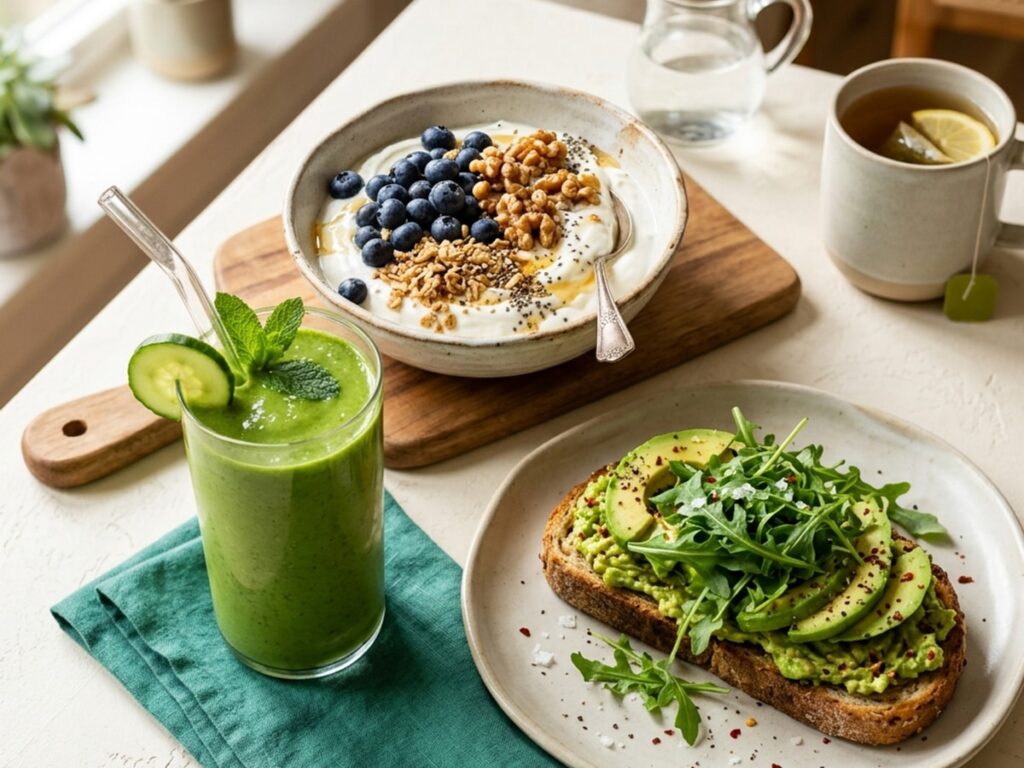
Infuse your water: Add cucumber, mint, or 3-4 frozen berries to 16 oz (473 ml) of water for a refreshing, zero-calorie flavor boost.
-
Switch to sparkling: Use plain seltzer with a splash of 100% lime juice to mimic the “fizz” of soda without the 10 tsp of sugar.
-
Check the labels: Avoid drinks where “high-fructose corn syrup” or “sucrose” appears in the first three ingredients of the nutrition panel.
-
Gradual reduction: If you drink 3 sodas a day, cut back to 1 for a week before switching entirely to tea or water.
-
Temperature matters: Keep a 32-oz (946 ml) insulated bottle of ice-cold water nearby; coldness can often satisfy the “crisp” craving of a soda.
Refreshing, Low-Sugar Alternatives for Everyday Hydration
To combat sugary drinks harms, many wellness enthusiasts are turning to fermented beverages like kombucha, which offers bubbles and tartness with significantly less sugar—usually around 4-8 grams per serving compared to soda’s 40 grams. Herbal teas, served hot or iced, provide a variety of flavor profiles from hibiscus to ginger without impacting insulin levels. Another excellent option is a “shrub,” an old-fashioned drink made by mixing 1 tbsp of apple cider vinegar with sparkling water and a touch of stevia. These alternatives provide the complex flavors our palates crave while delivering antioxidants instead of inflammatory refined sugars, making them the perfect tool for long-term health maintenance.
FAQs
How quickly does my body recover after I stop drinking soda?
The recovery from sugary drinks harms begins almost immediately. Within 24 hours, your insulin levels begin to stabilize, allowing your body to access stored fat for fuel more efficiently. Within two weeks, many people report improved energy levels and a reduction in “brain fog” as the systemic inflammation starts to subside. Over several months, liver fat can significantly decrease if a healthy diet is maintained.
Are diet sodas a safe way to avoid sugary drinks harms?
While diet sodas eliminate the sugar, they aren’t a perfect solution. Artificial sweeteners can still trigger an insulin response in some individuals and may alter the gut microbiome. Some studies suggest that the intense sweetness of diet drinks keeps the “sweet tooth” active, making it harder to appreciate the subtle flavors of whole foods like fruits and vegetables.
Is fruit juice just as bad as soda for my health?
Fruit juice can contribute to sugary drinks harms because it lacks the fiber found in whole fruit, leading to a similar rapid spike in blood sugar. While juice contains vitamins, a 12-oz (355 ml) glass of orange juice can have as much sugar as a soda. It is always better to eat the whole fruit and stick to water for hydration.
Does occasional soda consumption cause permanent damage?
The human body is resilient, and an occasional soda (once or twice a month) is unlikely to cause permanent sugary drinks harms. The danger lies in habitual, daily consumption, which creates the chronic inflammatory state that leads to organ dysfunction. Focus on your “daily drivers” and treat sugary beverages as a rare exception rather than a routine.
What is the best way to manage sugar withdrawal symptoms?
When you stop consuming high amounts of sugar, you may experience headaches or irritability for 3-5 days. To manage these, stay hydrated with at least 64 oz (1.9 L) of water daily and ensure you are eating enough healthy fats and proteins. These macronutrients help stabilize blood sugar and reduce the intensity of cravings during the transition.
Ready to ditch the sugar and revitalize your energy? Download our “7-Day Soda-Free Challenge” guide today to discover delicious recipes and tips that make choosing water the easiest part of your wellness journey!
Disclaimer: This content is for informational purposes only and is not a substitute for professional medical advice.

About Jane Smith
We turn solid evidence into everyday habits Americans can actually do—plain English, cups/oz, grocery-aisle swaps, and routines that fit real life. Our editorial process: Experience—we road-test tips in real schedules…