Signs Your Gut Needs a Reset
A healthy gut plays a bigger role in your daily well-being than most people realize. When the balance of bacteria...
A healthy gut plays a bigger role in your daily well-being than most people realize. When the balance of bacteria shifts or digestion slows, you may notice changes not only in your stomach but also in your energy, skin, and mood. Many of these gut health symptoms appear gradually, making them easy to dismiss. This guide walks you through the most common signs your gut needs a reset and how everyday factors contribute to gut imbalance for US readers looking for practical, relatable guidance.
Common Signs Your Gut Needs Help
Gut imbalance often shows up through a combination of digestive changes and full-body symptoms. Noticing these early warnings can help you make lifestyle adjustments before symptoms worsen.
👉 Want to go further? Our complete breakdown of Body Warning Signs You Shouldn’t Ignore walks you through reading your body’s signals step by step.
Digestive symptoms you shouldn’t ignore
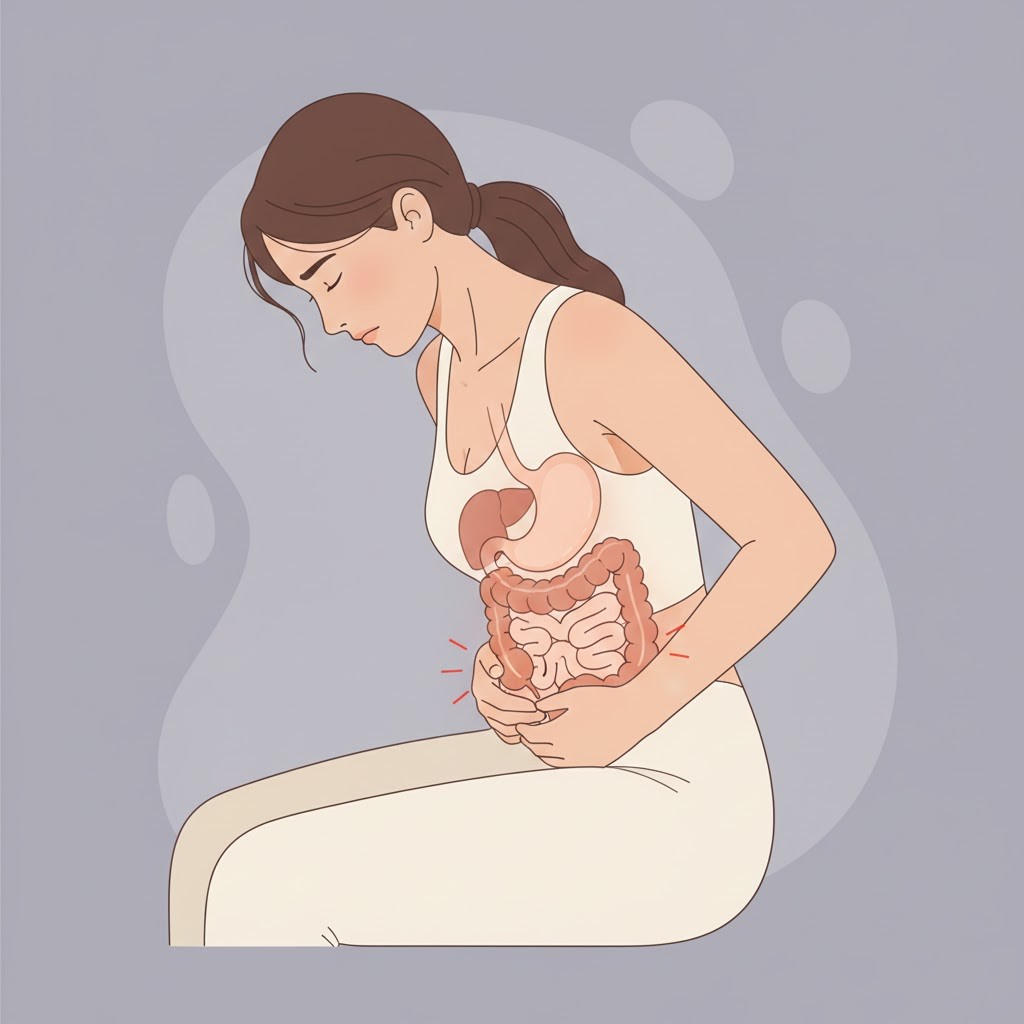
Digestive issues are often the clearest indication that something is off in your gut. Bloating, for example, can appear after eating foods that are high in refined carbs or processed ingredients—something many Americans eat several times a week. If you regularly experience bloating after a simple meal like a sandwich and chips, it may signal your gut bacteria are struggling to break down certain foods. Constipation is another red flag. Going fewer than three times per week or regularly straining indicates your digestive system may be moving too slowly. Even smelly gas—although normal in small amounts—can become unusually strong when the gut microbiome is out of balance, producing excess sulfur compounds.
👉 For a deeper dive into reading your body’s signals, check out: Your Body’s Warning Signs You Shouldn’t Ignore — it’s packed with practical tips.
Changes in mood, skin, and energy
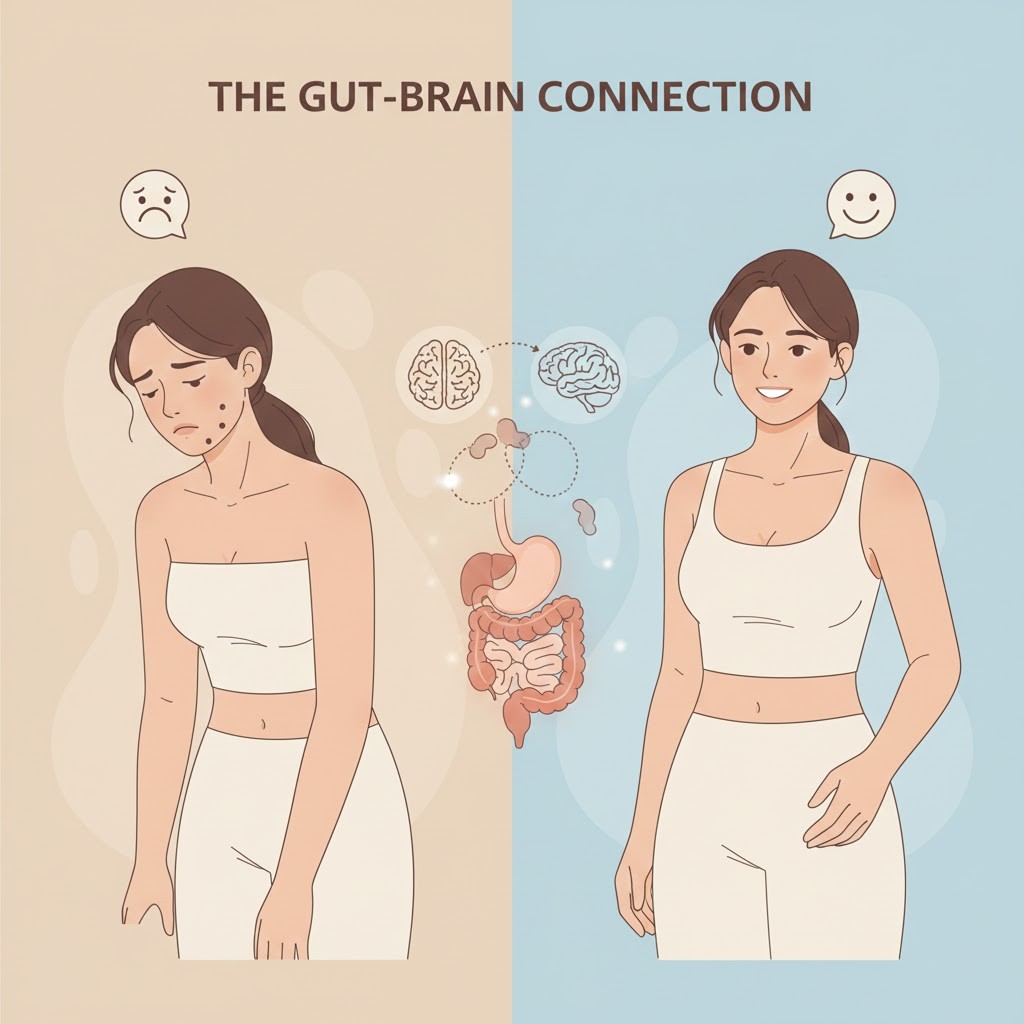
Your gut and brain communicate constantly, so mood changes can sometimes point to gut imbalance. Feeling unusually irritable or experiencing sudden mood swings may be tied to your gut’s ability to produce neurotransmitters like serotonin. Skin changes such as acne or stubborn breakouts are also common, especially when inflammation inside the gut spreads outward. If you notice breakouts around the chin or cheeks after several days of poor eating habits, your gut may be signaling distress. Low energy is another widely reported symptom. When nutrient absorption slows, people often feel tired even after a full night of sleep. Many individuals report midday crashes happening more frequently—sometimes as early as 2 p.m.—when their gut health is compromised.
👉 For a deeper dive into topics related to equipment, check out: 10-Minute Core Burn Workout at Home (No Equipment) — it’s packed with practical tips.
What Causes Gut Imbalance?
Understanding the triggers behind gut imbalance can help you identify what might be contributing to your symptoms.
Everyday habits that disrupt digestion
Many Americans unknowingly disrupt their gut microbiome through everyday choices. Diets high in sugary snacks, frozen meals, or fast food can reduce beneficial bacteria and increase inflammation. For example, having soda and takeout several times a week may alter gut bacteria within just a few days. Skipping fiber-rich foods is another common issue. Most US adults eat only about 15 grams of fiber per day, even though the recommended amount is closer to 25–30 grams. Low fiber slows digestion and encourages harmful bacteria to thrive. Overusing antibiotics—something many people do for repeated sinus infections or seasonal illnesses—can also wipe out both good and bad bacteria, leaving your gut struggling to rebalance.
How stress and poor sleep make symptoms worse
Chronic stress heavily affects the gut, often leading to stomach tightness, irregular bowel movements, or increased acid production. When the body perceives stress, digestion slows so the body can conserve energy for the “fight or flight” response. Just one stressful week at work can be enough to trigger symptoms like bloating or headaches. Poor sleep compounds the problem. Adults who regularly sleep fewer than 6 hours per night may experience more gut-related issues because their circadian rhythm—controlling digestion and hormone release—is disrupted. For example, inconsistent bedtimes can lead to sluggish digestion the next morning, making constipation or brain fog more likely.
How to Support a Healthier Gut
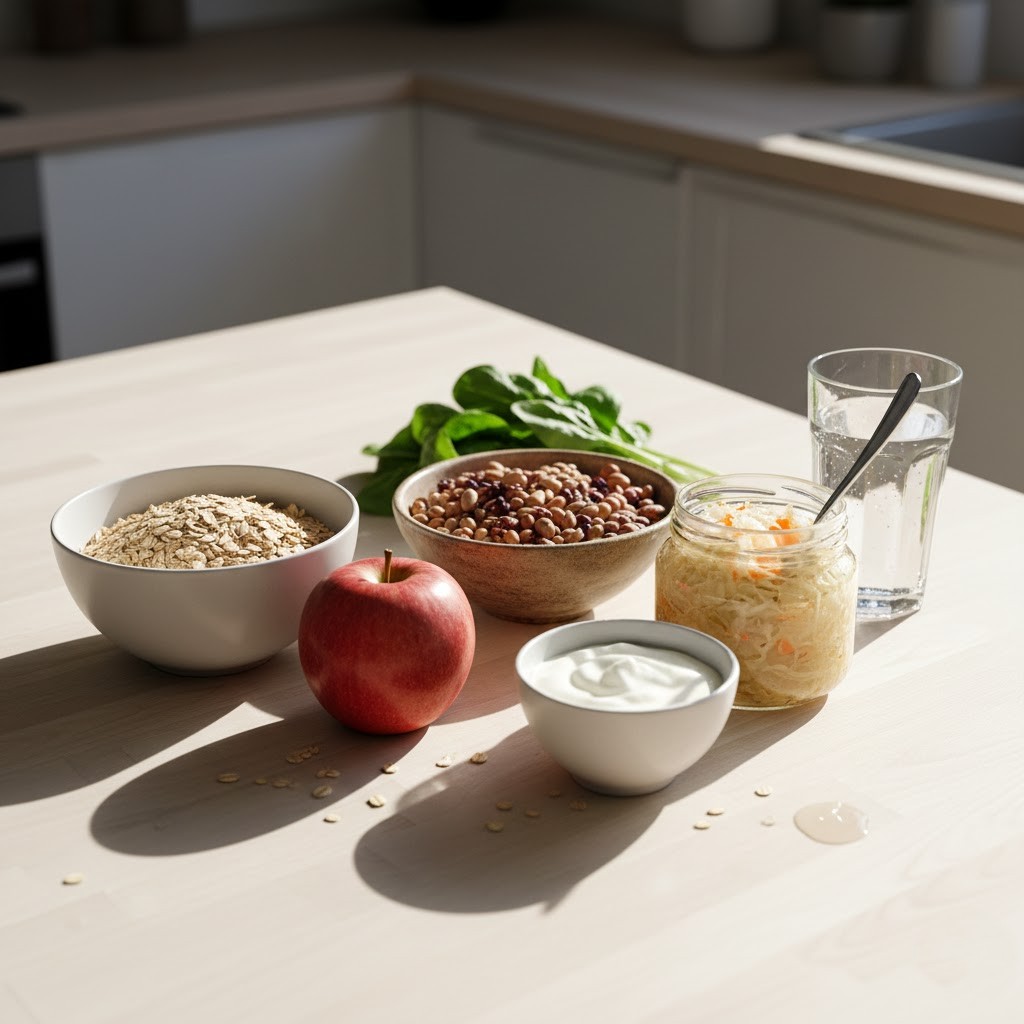
Once you recognize signs your gut needs a reset, small practical changes can help restore balance.
Steps to gently reset your gut
- Add more fiber gradually through foods like oats, apples, beans, and leafy greens.
- Drink at least 8 cups of water daily to support smoother digestion.
- Limit highly processed foods for a week and notice changes in bloating.
- Include fermented foods like yogurt or sauerkraut 2–3 times per week.
- Move your body daily—even a 15-minute walk improves gut motility.
- Aim for consistent sleep, ideally 7–9 hours per night.
- Reduce added sugar by choosing whole fruit instead of desserts.
- Monitor how specific foods make you feel and adjust portions accordingly.
Tips to improve gut balance
- Choose whole grains over white bread or pasta.
- Eat colorful vegetables for natural antioxidants.
- Swap sugary drinks for water or herbal tea.
- Try stress-reducing routines like deep breathing or stretching.
- Add magnesium-rich foods like spinach or pumpkin seeds.
- Limit fast food to occasional weekends.
- Include a daily probiotic-rich food.
FAQs
- What is the most common sign of gut imbalance?
Bloating is one of the most frequent early signs of gut imbalance. Many people experience it after eating, especially when consuming processed or high-sugar foods. If bloating appears more than a few times per week or becomes uncomfortable, it may indicate that your gut bacteria are struggling to digest certain foods efficiently. - Can gut issues really affect my mood?
Yes. The gut produces neurotransmitters and communicates directly with the brain through what’s called the gut-brain axis. Imbalance can contribute to irritability, nervousness, or mood swings. While it doesn’t replace mental health treatment, improving gut health often helps stabilize mild mood fluctuations. - Do food sensitivities always mean gut problems?
Not always, but they can be related. If certain foods consistently cause discomfort, gas, or headaches, your gut may be inflamed or lacking certain enzymes. Keeping a simple food journal for one to two weeks can help identify patterns and guide changes that support better digestion. - How long does it take to rebalance the gut?
Small improvements may appear within a few days, especially when increasing fiber or reducing processed foods. More noticeable changes—such as better energy or clearer skin—often take two to four weeks of consistent habits. Severe or persistent symptoms should be evaluated by a healthcare professional for personalized guidance. - Can probiotics alone fix gut imbalance?
Probiotics can help, but they work best alongside lifestyle changes such as eating more fiber, staying hydrated, and managing stress. Taking probiotics without improving your overall diet may lead to only partial or temporary improvements.
If you’re noticing several of these signs, small daily changes can make a big difference. Start with one or two habits this week and pay attention to how your body responds.
Disclaimer: This content is for informational purposes only and is not a substitute for professional medical advice.

About Jane Smith
We turn solid evidence into everyday habits Americans can actually do—plain English, cups/oz, grocery-aisle swaps, and routines that fit real life. Our editorial process: Experience—we road-test tips in real schedules…