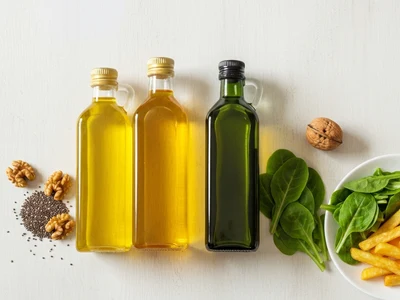
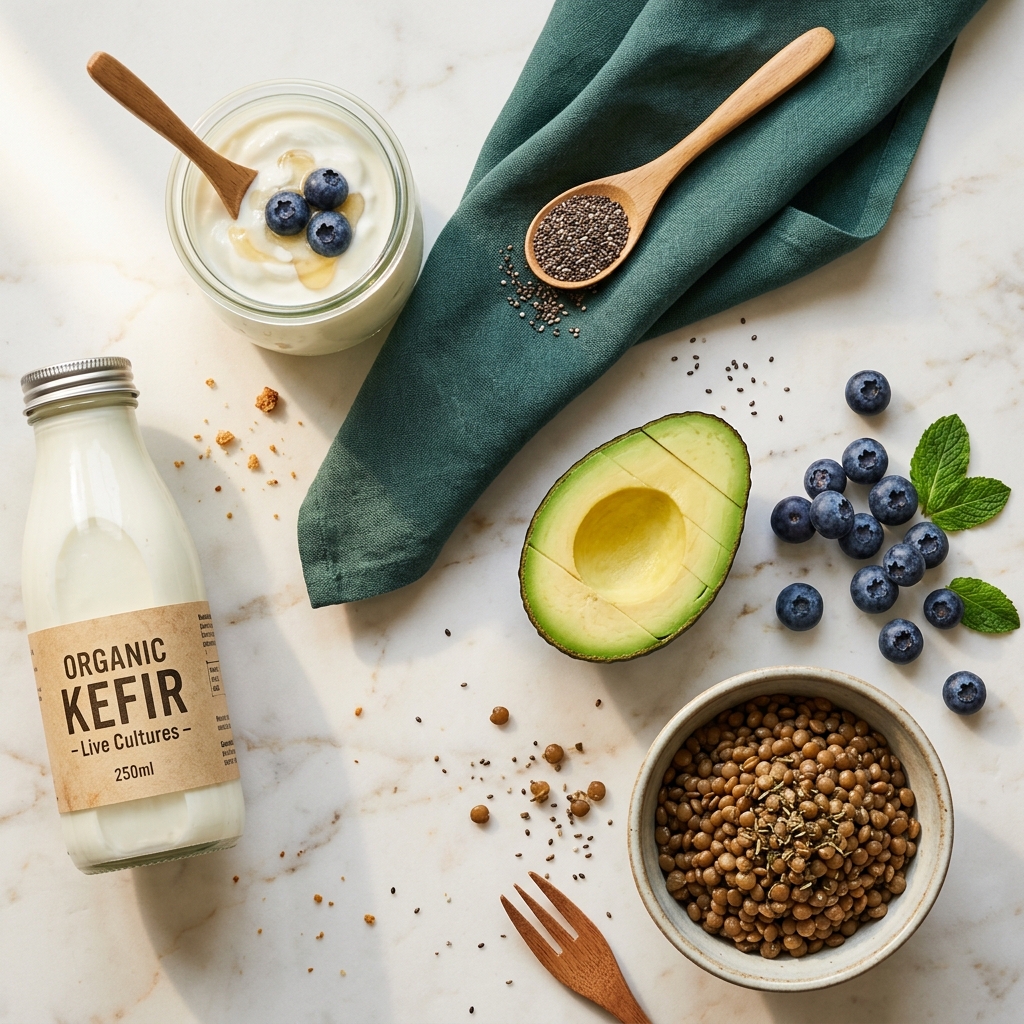
Seed Oils and Inflammation: What Science Actually Says
Confused by the seed oil debate? This article breaks down what the research actually supports, where the real concern usually comes from, and what to change first.
- Do Seed Oils Cause Inflammation?
- Why Omega-6 Gets Blamed for Inflammation
- Seed Oils and Inflammation: The Context Test
- When Seed Oils Can Be Part of the Problem
- Are Seed Oils Worse Than Butter or Lard?
- Best Oils and Fat Swaps for Lower Inflammation
- A 5-Minute Seed Oil Exposure Audit
- Frequently Asked Questions
- The Bottom Line
If you’ve been trying to eat more anti-inflammatory foods, the seed oil debate can make your head spin fast.
One person says seed oils are toxic. Another says they’re completely harmless. Meanwhile, you’re standing in your kitchen wondering whether the canola oil in your pantry is the real problem, or whether the bigger issue is the fried takeout, packaged snacks, and low-omega-3 diet pattern that usually comes with it.
That’s exactly why people search for seed oils and inflammation in the first place. Not because they want another nutrition culture-war article. Because they want a practical answer. In this guide, you’ll learn what human research actually shows, why omega-6 fats get blamed so often, when seed oils are worth paying attention to, and what to change first if your goal is lower inflammation without turning food into a purity test.
Quick Takeaways:
- Current human research does not strongly support the idea that seed oils automatically cause inflammation on their own
- The bigger problem is usually a diet pattern built around fried foods and ultra-processed foods
- Deep-fried restaurant food is a different conversation from a small amount of oil in a home-cooked meal
- Olive oil and avocado oil are useful swaps, but adding omega-3-rich foods matters just as much
- The smartest first step is to reduce your biggest source of seed oil exposure, not obsess over every drop
Do Seed Oils Cause Inflammation?
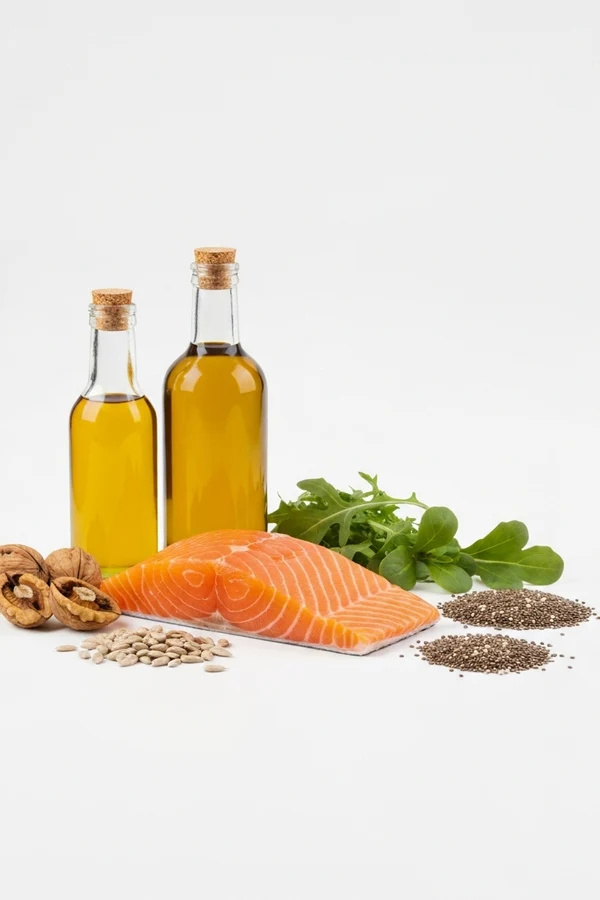
The short answer is: not in the simple, sweeping way social media usually claims.
One of the most useful papers on this question is a systematic review and meta-analysis of randomized controlled trials published in Food & Function in 2017. Researchers looked specifically at dietary linoleic acid, the main omega-6 fat in many seed oils, and found that increasing intake did not significantly change key inflammatory markers such as CRP, IL-6, or TNF-alpha in adults.
That doesn’t prove every seed-oil-heavy diet is equally healthy. It does tell us something important: the claim that seed oils themselves automatically drive inflammation is not strongly supported by the best human intervention evidence we have.
Harvard T.H. Chan School of Public Health made the same point in a February 27, 2025 explainer on seed oils. Walter Willett noted that the idea that omega-6 fats are inherently pro-inflammatory has been repeated heavily online, but the actual study record does not support that as a blanket statement. Harvard also pointed out that the bigger issue is often the unhealthy processed foods that contain seed oils, not the oils in isolation. (Harvard T.H. Chan, February 27, 2025)
Here’s the part that matters most: the debate is not really about whether seed oils are magical or toxic. It’s about context. That’s where the useful answer starts.
Why Omega-6 Gets Blamed for Inflammation
The omega-6 argument sounds convincing at first because it comes from real biochemistry.
Linoleic acid can be converted into arachidonic acid, and some compounds made from arachidonic acid are involved in inflammatory signaling. That part is true. The problem is that many people stop there and assume the body automatically turns every omega-6-rich meal into a chronic inflammation event. Human nutrition research is not that tidy.
Your body doesn’t run like a nutrition meme. It regulates these pathways in ways that depend on total diet pattern, total energy intake, what the fat is replacing, and whether your overall eating style is built around whole foods or around highly processed foods. Mechanism alone is not enough. Human outcomes matter more.
That’s also why mainstream cardiometabolic guidance still favors unsaturated fats over saturated fats. The simple version is that replacing butter or lard with unsaturated oils is still generally seen as the more evidence-based move.
In other words, there’s a difference between saying, “omega-6 biology is involved in inflammation pathways,” and saying, “seed oils cause inflammation in the real world.” The first statement is a mechanism. The second is a much stronger claim, and current human evidence does not support it cleanly.
Seed Oils and Inflammation: The Context Test
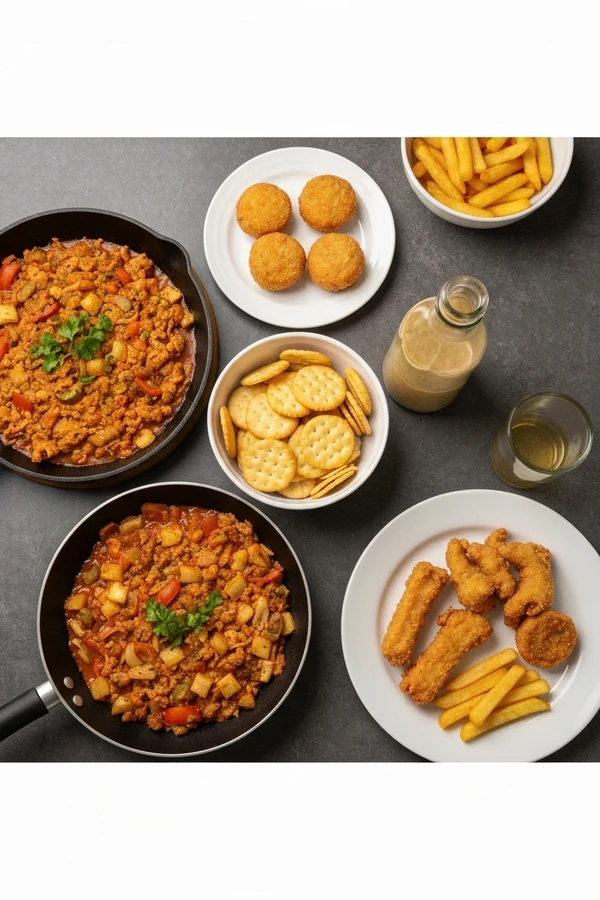
This is the framework I think makes the topic finally usable in real life.
Instead of treating every seed oil exposure like the same problem, sort them into three contexts.
Green Context: Low Concern
This is a modest amount of fresh oil used in a mostly whole-food meal at home. Think a little canola oil in a skillet with eggs and vegetables, or a homemade dressing that uses a neutral oil alongside real food. This is not where most people are getting into trouble.
It may not be your ideal long-term oil choice if you prefer extra virgin olive oil. I usually do. But it is also not the same thing as living on fried food and snack chips. If your overall diet is built around fish, beans, fruit, vegetables, oats, yogurt, and fewer packaged foods, a small amount of seed oil is probably not the highest-return issue to fix.
Yellow Context: Moderate Concern
This is where seed oils start showing up quietly all day long in foods that are easy to overeat. Bottled dressings. Crackers. Granola bars. Packaged hummus. Chips. Wraps. Frozen convenience meals. “Healthy” snacks that look harmless but are still built around refined starches, oils, and low satiety.
The issue here is not just the oil. It’s the repeated exposure through foods that usually crowd out better options and make hunger harder to regulate. This is the same reason our guide to foods that cause inflammation puts so much emphasis on packaged and fried foods, not just single ingredients.
Red Context: Highest Concern
This is deep-fried food, repeated high-heat fryer oil, and a diet pattern heavy in fast food and ultra-processed food. This is where the seed oil conversation becomes more practical and more worth your attention.
You see this pattern in almost every evidence-based anti-inflammatory framework: fried foods, sugary drinks, refined carbohydrates, and heavily processed foods tend to travel together. Seed oils may be part of that picture, but they are rarely the whole picture.
If you remember one line from this section, make it this: the oil in your home pan is usually not the same problem as the oil in a fast-food fryer.
When Seed Oils Can Be Part of the Problem

Even though the blanket anti-seed-oil claim is too simplistic, it would also be sloppy to say seed oils never matter. They can absolutely be part of an inflammation problem when they show up inside a broader diet pattern that is already working against you.
The clearest case is ultra-processed food intake. That’s where you usually get the full stack all at once: refined carbs, sugar, sodium, low fiber, low protein, and foods that are absurdly easy to overeat.
Again, that does not mean seed oils are the only harmful feature of ultra-processed foods. It means they often travel with the bigger pattern.
Seed oils can also matter more when your diet is very low in omega-3-rich foods. If you rarely eat salmon, sardines, trout, chia, flax, or walnuts, then your overall fat pattern may lean heavily toward omega-6 without enough of the foods that support a more favorable balance. That’s one reason our anti-inflammatory foods guide pushes fatty fish and whole-food omega-3 sources so hard.
I would not frame this as “avoid all seed oils forever.” I’d frame it like this: if most of your fat intake comes from restaurant foods, packaged snacks, dressings, and takeout, you probably have a bigger food-pattern problem worth cleaning up.
Are Seed Oils Worse Than Butter or Lard?
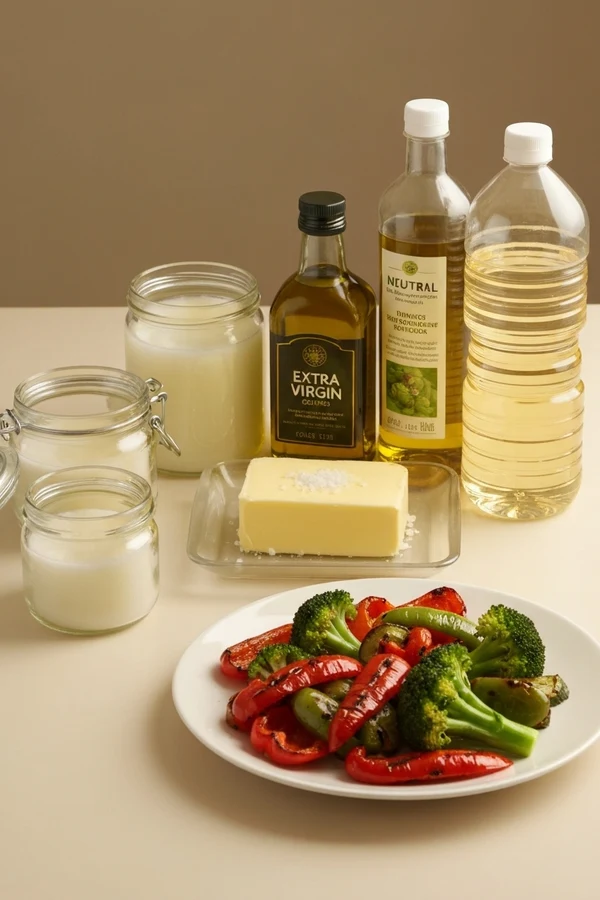
For a lot of people, this is the wrong swap.
One reason the seed oil narrative took off is that it made butter and beef tallow sound automatically cleaner or more ancestral. But cleaner sounding does not automatically mean better supported by evidence. If you replace unsaturated fats with more saturated fat and nothing else changes, that is not clearly a health upgrade.
That’s the part I think gets lost. If someone throws out the canola oil, starts cooking everything in butter, but keeps the same takeout and snack habits, they usually haven’t fixed the real problem.
That does not mean butter can never fit in a healthy diet. It means the internet shortcut of “seed oils bad, butter good” is too crude to be useful. A better question is: which fat choice improves your overall meal pattern most often?
For most readers, that answer is going to be extra virgin olive oil first, avocado oil second for higher-heat cooking, and fewer fried restaurant foods overall.
Best Oils and Fat Swaps for Lower Inflammation

If your goal is lower inflammation, I’d keep this part simple.
Extra virgin olive oil is still the easiest first-line choice for dressings, drizzling, and most low-to-medium heat cooking. It fits Mediterranean-style eating well, it is easy to use daily, and it usually helps pull a meal toward more whole-food eating. That pairs naturally with our Mediterranean meal prep guide if you want a practical way to build anti-inflammatory meals without overthinking them.
Avocado oil is useful when you want a more neutral oil for higher heat. I see it as a practical kitchen tool, not a miracle food.
Canola oil deserves a more balanced take than it usually gets online. If your choice is between a small amount of canola oil in a home-cooked meal and ordering crispy takeout four nights a week, the home-cooked meal wins. Not even close.
The bigger upgrade, though, is not only swapping bottles. It is adding more omega-3-rich foods. Fish, nuts, seeds, legumes, fruits, vegetables, and olive oil tend to show up again and again in anti-inflammatory eating patterns for a reason. That same broader pattern is what makes our anti-inflammatory meal plan more useful than obsessing over one ingredient.
A 5-Minute Seed Oil Exposure Audit
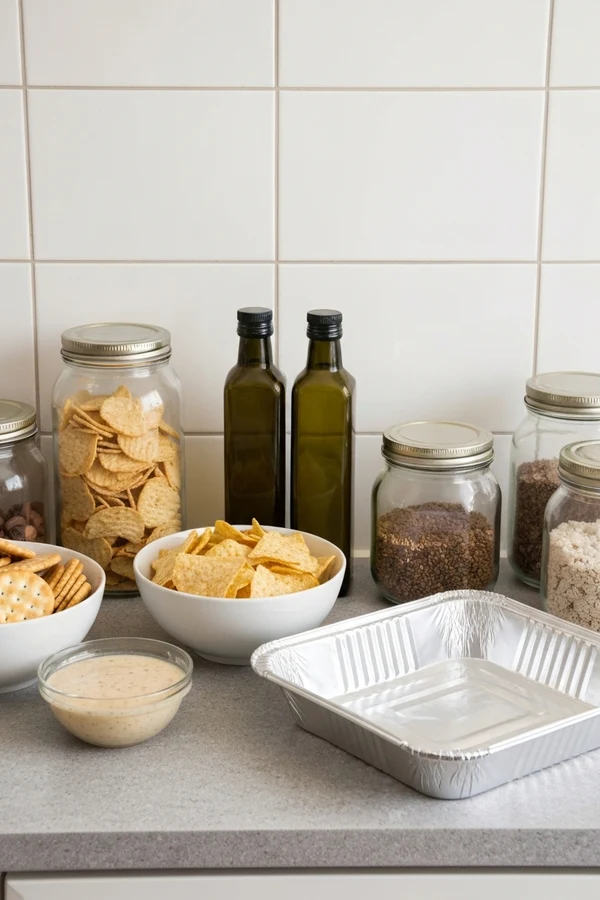
If you want to make this article actionable, this is the section to use.
Step 1: Check Your Top Three Packaged Foods
Look at the foods you eat most often, not the foods you eat once a month. Crackers, bars, chips, wraps, dressings, nut butters, frozen meals, or sauces. See which oils they use, then ask the more important question: how often is this food actually showing up in your routine?
Step 2: Identify Your Biggest Restaurant Exposure
For many people, this is not the bottle in the pantry. It is fries, crispy takeout, wings, burrito-shop sauces, or fast-casual meals eaten several times a week. That is usually where the highest-return fix lives.
Step 3: Replace the Highest-Frequency Source First
If you eat chips daily and cook with canola oil twice a week, start with the chips. If you order fried takeout three nights a week and use sunflower oil once in a while at home, start with the takeout. The point is to remove the biggest exposure, not the most dramatic-sounding one.
Step 4: Rebuild Around Better Defaults
Restock with foods that make anti-inflammatory eating easier: extra virgin olive oil, avocado oil, canned salmon, sardines, oats, beans, fruit, plain yogurt, frozen vegetables, nuts, and seeds. Nothing fancy. Just foods that make a decent dinner easier when you’re tired.
Step 5: Pay Attention to Symptoms, Not Just Rules
Notice how you feel after a week or two. Less bloating? Less puffy the morning after takeout? More stable appetite? Better digestion? Those signs matter more than winning an online argument about oils.
Also, don’t make the audit harder than it needs to be. You are not trying to build a zero-seed-oil life in one weekend. You are trying to identify the foods that create the most exposure with the least nutritional payoff. For most people, that means fries before salad dressing, chips before a teaspoon of oil in a skillet, and packaged snack foods before the occasional restaurant meal.
That mindset matters because it keeps the article useful. When people get too rigid, they often end up ignoring the bigger anti-inflammatory wins like eating more fish, getting more fiber, and cooking at home more often. A calm, practical reduction strategy usually beats a dramatic all-or-nothing rule set.
If you want a broader habit structure after the pantry pass, our anti-inflammatory tips article is a good next read because it helps you prioritize the other daily habits that move inflammation up or down.
Frequently Asked Questions
Do seed oils really cause inflammation?
Current human research does not strongly support the idea that seed oils automatically raise inflammatory markers on their own. The bigger concern is usually the diet pattern they often come with, especially fried food and ultra-processed food intake.
Is canola oil inflammatory?
Not automatically. Canola oil is still considered a healthier fat choice than butter or lard by major public-health organizations. In practice, frequent restaurant frying and packaged-food exposure are usually more relevant than occasional canola oil use at home.
Are seed oils worse than butter?
Not according to the major evidence-based groups that review dietary fat research. Replacing saturated fats with unsaturated fats is still the more supported move for overall cardiometabolic health.
What is the best oil for an anti-inflammatory diet?
Extra virgin olive oil is usually the easiest first choice, with avocado oil useful for higher-heat cooking. But the overall anti-inflammatory pattern matters more than finding one perfect oil.
Should I avoid seed oils if I have an autoimmune or inflammatory condition?
It can be reasonable to reduce fried foods and ultra-processed foods and see how your symptoms respond. But broad elimination of every seed oil is not a proven cure and should not replace working with your clinician on a full treatment plan.
What matters more than avoiding seed oils?
Eating fewer ultra-processed foods, reducing fried food intake, getting enough omega-3-rich foods, eating more fiber, and building your meals around whole foods matter more than treating seed oils as the only issue.
The Bottom Line
The most honest answer on seed oils and inflammation is not very satisfying if you want a villain. Seed oils are probably not the automatic inflammatory disaster they are made out to be online. But that does not mean the average modern food pattern gets a free pass either.
What matters most is where seed oils show up, how often they show up, and what kind of foods they travel with. Deep-fried takeout, snack chips, packaged dressings, and ultra-processed convenience foods deserve far more attention than a modest amount of oil in a home-cooked meal.
If you want to keep going, start with our anti-inflammatory foods guide for what to eat more of, or use anti-inflammatory diet for weight loss if your bigger goal is feeling less inflamed, less puffy, and more in control of your meals overall.
The information on this site is for educational purposes only and is not intended as medical advice. Always consult a qualified healthcare provider before making any changes to your diet, exercise routine, or supplement use.

About Jane Smith
We turn solid evidence into everyday habits Americans can actually do—plain English, cups/oz, grocery-aisle swaps, and routines that fit real life. Our editorial process: Experience—we road-test tips in real schedules…