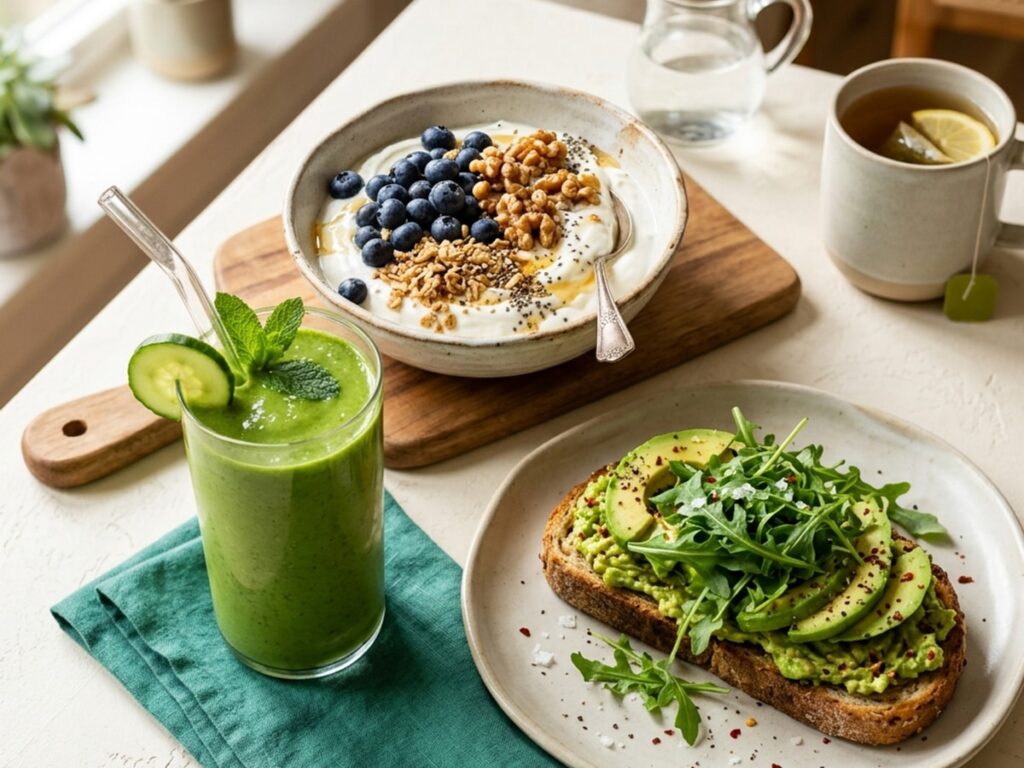
Foods That Naturally Support Common Health Issues
Many people look for simple, food-based ways to feel better without immediately turning to over-the-counter products. While whole foods aren’t...
Many people look for simple, food-based ways to feel better without immediately turning to over-the-counter products. While whole foods aren’t a replacement for medical care, certain ingredients have long been used to support comfort, energy, digestion, and overall vitality. The items highlighted here—such as chamomile tea, chia seeds, and beetroot—are easy to find in US grocery stores and fit well into a busy schedule. This guide explores how these natural remedies foods may help with common everyday issues and how to include them in your routine.
Everyday Issues and the Foods That May Help
As more Americans look for gentle, food-first options, certain ingredients stand out for supporting digestion, skin appearance, and energy. Below are approachable, research-inspired insights into how these foods may fit your wellness routine.
👉 This pairs well with our Everyday Foods That Help Your Liver, Brain, Heart & More guide if you want the full picture on liver health and detox.
Foods that may support digestion and gut comfort
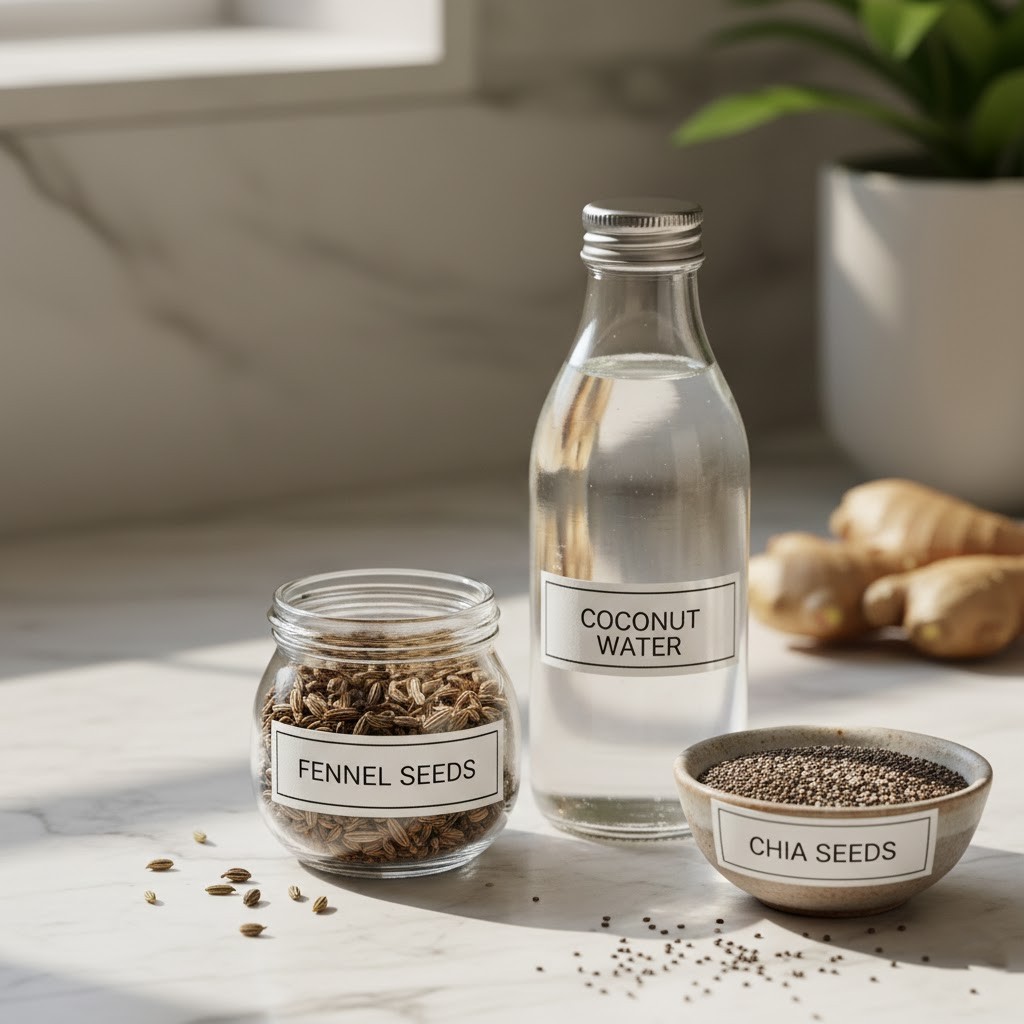
Digestive discomfort is a common concern, and a few natural ingredients have been traditionally used to make meals feel more comfortable. Fennel seeds, for example, have a history in many cultures as a post-meal digestive aid. Just 1 teaspoon of lightly crushed fennel seeds steeped in hot water can create a mild, soothing tea that some people enjoy after heavy meals. Coconut water is another option when acidity feels uncomfortable; its naturally occurring electrolytes can make it a refreshing alternative to sugary drinks.
Chia seeds can also support regularity thanks to their soluble fiber. When chia seeds mix with water, they form a gel-like texture, and consuming 1 tablespoon mixed into yogurt or oatmeal may help promote smoother digestion. These foods aren’t instant fixes, but adding them strategically into snacks or meals can contribute to more comfortable daily digestion.
👉 Want to go further? Our complete breakdown of Best Foods to Support Kidney Health walks you through kidney health and function step by step.
Ingredients linked to energy, skin health, and overall vitality
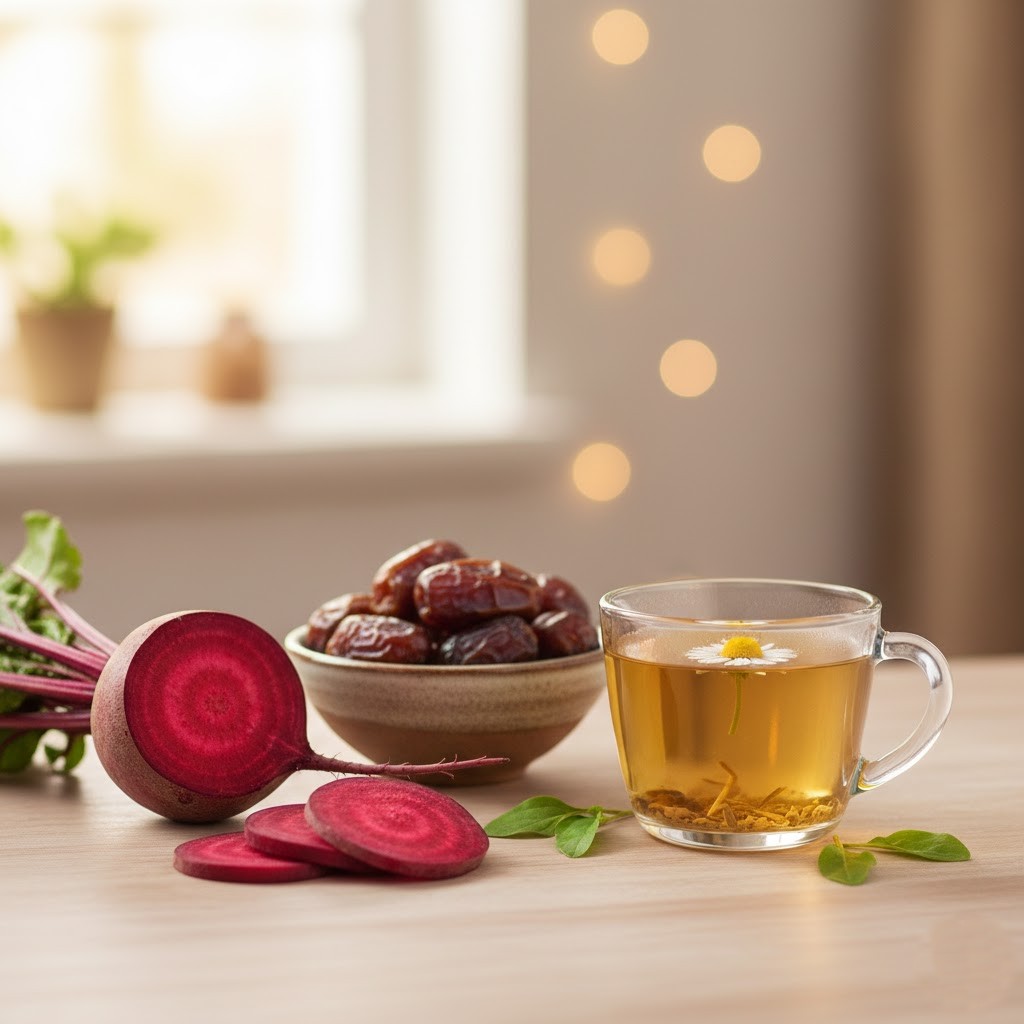 Some natural ingredients are valued for their potential to support energy, complexion, and overall wellness. Dates, for instance, offer natural sweetness along with fiber and small amounts of minerals like potassium. Adding 2–3 dates as part of a snack can provide quick energy without relying on processed sugar. Chamomile tea, although often associated with calm, can indirectly support daily energy by promoting better sleep. Many people enjoy a warm cup 1–2 hours before bed to wind down from the day.
For skin vitality, beetroot is often noted for its natural pigments and nutrients. Whether roasted, blended into a smoothie, or grated into a salad, ½ cup of beetroot can add color and nutrients to a meal. Moringa—available as a powder in most health food aisles—contains plant compounds that many wellness enthusiasts enjoy in smoothies or warm drinks. Including 1 teaspoon of moringa powder a few times per week can be an easy addition to your routine without major changes to your diet.
👉 This pairs well with our What to Eat for Better Skin, Sleep, and Energy guide if you want the full picture on sustained daily energy.
Easy Ways to Add These Foods Into Your US Daily Routine
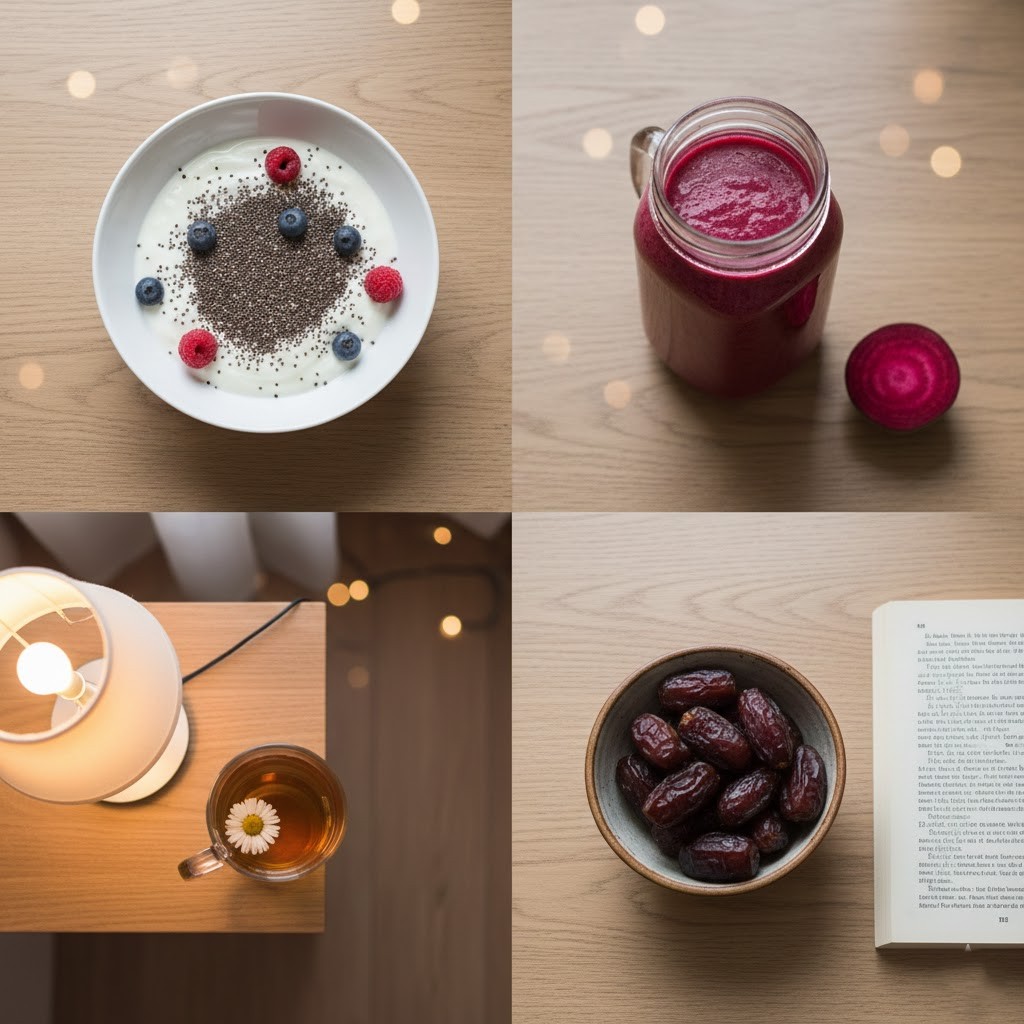
Incorporating natural remedies foods doesn’t require complicated recipes or long prep time. With a few simple strategies, you can weave these items into breakfast, snacks, and evening rituals.
Quick ideas for mornings, snacks, and busy schedules
If you’re in a rush most mornings, chia seeds are one of the easiest ingredients to use. Stir 1 tablespoon into a cup of yogurt or overnight oats, and they’ll thicken naturally by the time you’re ready to eat. For a fast energy boost, pair 2–3 pitted dates with a handful (about 1 oz) of almonds. This works well as a glove-box snack or something you keep in your desk drawer.
Beetroot can be surprisingly easy to prep when purchased pre-cooked or vacuum-sealed, available at many US supermarkets. A ½-cup portion blends smoothly into a fruit smoothie without overpowering the flavor. Chamomile tea can become a nightly ritual by keeping tea bags next to your stovetop or electric kettle. If acidity is a concern, keep single-serve coconut water cartons in the fridge for a hydrating option between meals.
Safety notes, mild cautions, and when to see a healthcare provider
Even natural foods can cause mild issues for some people, so it’s important to introduce new options gradually. For example, increasing fiber from chia seeds too quickly—such as jumping from 1 teaspoon to multiple tablespoons—may cause gas or bloating. Likewise, individuals with low blood pressure should use caution with large amounts of moringa, as it may have mild effects on certain body systems when consumed frequently.
Cloves, sometimes chewed for their warming flavor, should only be used sparingly—chewing 1 clove occasionally may freshen the mouth, but concentrated oils are not meant for unmonitored home use. And while eggs are a common, nutrient-dense food that support overall health, people with known allergies or sensitivity should obviously avoid them. If discomfort persists, symptoms worsen, or you’re unsure whether a food is appropriate for your situation, connect with a licensed healthcare provider for guidance.
Simple Steps to Start Using These Foods Today
- Begin by choosing one item—such as chia seeds or chamomile tea—to try for one week.
- Add it at the same time each day to build consistency.
- Note any changes in how you feel after 5–7 days.
- Add a second food, such as dates or beetroot, once the first feels comfortable.
- Keep servings small at first, increasing gradually if well-tolerated.
- Track which foods fit best into your lifestyle and which ones are easiest to maintain.
- Rotate ingredients weekly to keep meals interesting.
Tips & Swaps
- Add chia seeds to smoothies instead of flax for extra thickness.
- Use coconut water in place of sugary sports drinks.
- Choose pre-cooked beetroot for faster prep.
- Swap evening screen time for chamomile tea to support relaxation.
- Keep dates in a sealed bag in your car for quick energy.
- Add fennel seed tea after heavier meals.
FAQs
- Do these foods replace medication?
No. These foods can support general wellness, but they do not replace medical care. They may offer gentle comfort for everyday issues, but talk with a healthcare provider for ongoing symptoms or conditions. - How long does it take to notice benefits?
Most people notice small changes after consistently using a food for at least several days. For example, chia seeds may support regularity within 2–4 days, while chamomile tea may support relaxation the first night you try it. - Can kids use these foods too?
Many of these foods—such as dates, eggs, and beetroot—are already common in kids’ diets. However, always consider age-appropriate portions, avoid choking hazards, and talk with a pediatrician if your child has sensitivities or allergies. - How much is safe to use each day?
Most foods are safe when consumed in typical culinary amounts. For example, 1 tablespoon of chia seeds, 1–2 cups of chamomile tea, and 2–3 dates per day are comfortable amounts for many adults. Adjust based on your personal tolerance. - Are these ingredients easy to find in US stores?
Yes. Most can be found at large grocery chains like Kroger, Walmart, and Costco. Items like moringa powder or vacuum-sealed beetroot are often available at natural food stores or online retailers.
Want more natural, food-focused wellness tips? Explore our latest guides and learn how simple changes can support your everyday routine.
Disclaimer: This content is for informational purposes only and is not a substitute for professional medical advice.

About Sarah Williams
We turn solid evidence into everyday habits Americans can actually do—plain English, cups/oz, grocery-aisle swaps, and routines that fit real life. Our editorial process: Experience—we road-test tips in real schedules…