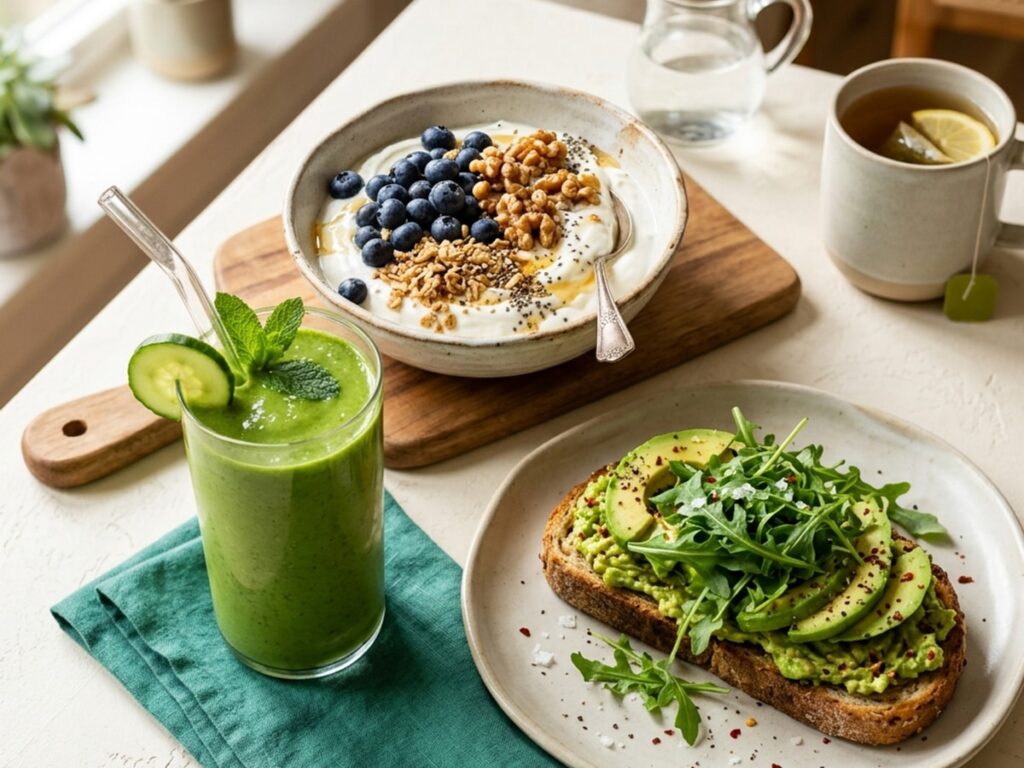
Liver-Cleansing Foods That Support Everyday Health
Your liver works nonstop to filter toxins, process nutrients, and support digestion. While trendy “detox cleanses” promise quick fixes, everyday...
Your liver works nonstop to filter toxins, process nutrients, and support digestion. While trendy “detox cleanses” promise quick fixes, everyday food choices matter far more. Liver-cleansing foods don’t scrub the liver clean; instead, they provide nutrients that help it do its natural job efficiently. In this article, you’ll learn what liver-cleansing foods really are, why liver health matters, which foods are most helpful, and how to add them to a realistic American diet without extremes or gimmicks.
What Are Liver-Cleansing Foods?
Before changing your grocery list, it helps to understand what liver-cleansing foods actually do. Rather than removing toxins directly, these foods support the liver’s built-in detox systems.
👉 This pairs well with our 9 Magnesium-Rich Foods to Add This Week guide if you want the full picture on topics related to magnesium.
What “Cleansing” Really Means for Your Liver
When people hear “liver cleanse,” they often imagine toxins being flushed out instantly. In reality, the liver already performs detoxification every minute of the day. Liver-cleansing foods simply support enzyme activity, bile production, and antioxidant balance. For example, vegetables like broccoli contain compounds that help the liver process waste more efficiently. Eating 1–2 cups of these foods daily can support normal liver function over time, not overnight. This approach is gradual, food-based, and far safer than extreme juice fasts or supplements.
👉 This pairs well with our Egg Whites vs Egg Yolks: What You Should Really Know guide if you want the full picture on topics related to whites.
How the Liver Removes Toxins Naturally
The liver detoxifies in two main phases. Phase 1 enzymes break down toxins, while Phase 2 enzymes prepare them for elimination through bile or urine. Certain nutrients—such as fiber, antioxidants, and healthy fats—help these phases work smoothly together. For instance, whole grains provide fiber that helps remove waste through digestion, while leafy greens supply chlorophyll that supports bile flow. Supporting both phases consistently is why everyday meals matter more than short-term “detox” plans.
👉 For a deeper dive into iron levels and energy, check out: Top Iron-Rich Foods to Support Anemia Naturally — it’s packed with practical tips.
Why Liver Health Matters for Everyday Wellness
Once you understand how the liver works, it’s easier to see why supporting it daily is important—especially in modern American lifestyles.
Common Lifestyle Factors That Affect Liver Health
Many everyday habits place extra strain on the liver. Highly processed foods, excess added sugar, and frequent alcohol intake all require extra detox work. For example, drinking two sugary sodas a day can significantly increase the liver’s workload over time. Even common medications like acetaminophen must be processed by the liver. While occasional indulgences are normal, consistently choosing nutrient-dense foods helps offset these pressures and supports long-term liver health.
Signs Your Liver May Need Nutritional Support
The liver doesn’t usually cause pain until problems are advanced, but subtle signs can appear. Ongoing fatigue, sluggish digestion after heavy meals, or difficulty tolerating greasy foods may signal that your liver could benefit from better nutrition. This doesn’t mean disease—it often reflects diet quality. Adding foods like berries, leafy greens, and healthy fats several times per week can support energy levels and digestion gradually, especially when combined with adequate hydration and balanced meals.
Top Liver-Cleansing Foods to Eat Regularly
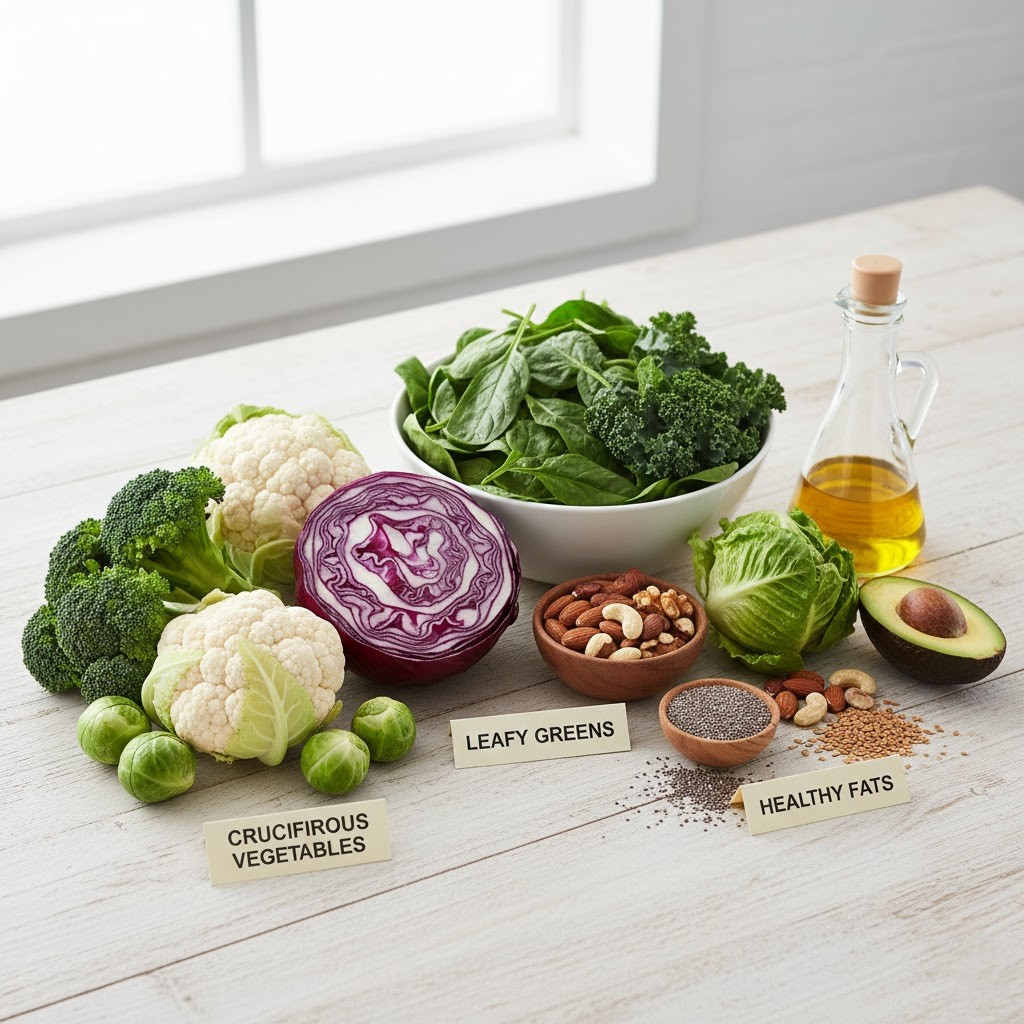
With that foundation in mind, let’s look at specific foods commonly linked to liver support and how they fit into a US diet.
Cruciferous Vegetables and Leafy Greens
Cruciferous vegetables—such as broccoli, cauliflower, and Brussels sprouts—are rich in compounds that support liver detox enzymes. Eating about 1 cup cooked or 2 cups raw a few times per week is a practical goal. Leafy greens like spinach and arugula provide chlorophyll, which supports bile flow. A simple example is adding a handful of spinach to a morning omelet or using kale as a base for a dinner salad instead of iceberg lettuce.
Healthy Fats and Omega-3 Sources
Healthy fats help the liver manage inflammation and fat metabolism. Olive oil contains phenols that support liver cells, while walnuts provide omega-3s and glutathione precursors. Fatty fish like salmon offers about 1–1.5 grams of omega-3s per 3-ounce serving. Aim for two fish meals per week. Drizzling 1 tablespoon of olive oil over roasted vegetables is an easy way to add supportive fats without overdoing calories.
Antioxidant-Rich Fruits, Grains, and Drinks
Berries, citrus fruits, and purple sweet potatoes are rich in antioxidants that protect liver cells from oxidative stress. A half-cup of blueberries or one medium orange daily is a realistic target. Whole grains like oats and brown rice provide fiber that helps remove waste. Even coffee has been linked to liver protection; drinking 1–3 cups per day, without excessive sugar or cream, may offer benefits according to observational studies.
How to Add Liver-Friendly Foods to Your Diet
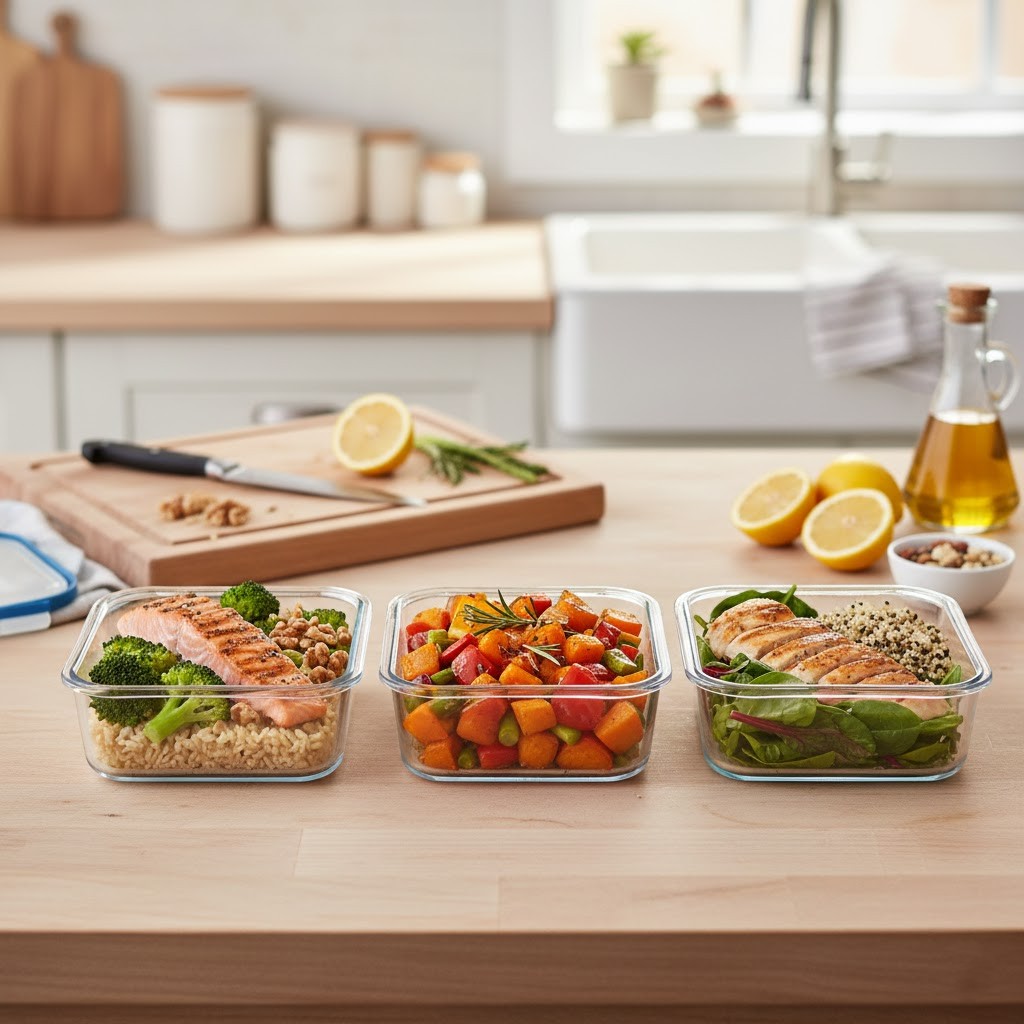
Knowing which foods help is useful, but consistency comes from practical habits that fit real schedules.
Easy Meal and Snack Ideas for Busy Schedules
Start small by adjusting meals you already eat. Add broccoli or spinach to pasta, grain bowls, or stir-fries. Swap refined grains for whole grains a few times per week, such as choosing oatmeal instead of sugary cereal at breakfast. Snacks can be simple: a small handful (about 1 oz) of walnuts with fruit, or hummus with raw veggies. These changes don’t require special cooking skills or extra hours in the kitchen.
Weekly Grocery List Tips
Planning ahead makes healthy choices easier. Build your list around categories rather than recipes. Choose 2 leafy greens, 2 cruciferous vegetables, 1 fatty fish, 1 whole grain, and 2 fruits each week. Buying frozen vegetables and berries can reduce cost and prep time. In US grocery stores, frozen broccoli or spinach is often just as nutritious as fresh and lasts much longer, making consistency more achievable.
Liver Detox Myths vs. Nutrition Facts
Finally, it’s important to clear up common misconceptions so you can focus on habits that actually help.
Why Extreme Detoxes Aren’t Necessary
Juice cleanses, teas, and “7-day detoxes” often promise rapid results but lack solid evidence. They may reduce calories temporarily, but they don’t improve liver function long-term. In some cases, they can even deprive the body of protein and fiber needed for detox pathways. Your liver doesn’t need a reset—it needs steady nutritional support from balanced meals eaten consistently over months, not days.
Long-Term Habits That Actually Support Liver Health
The most effective approach combines diet and lifestyle. Eating liver-cleansing foods regularly, limiting ultra-processed foods, staying hydrated, and moderating alcohol intake matter more than any single food. For example, choosing water or unsweetened tea instead of soda most days of the week can reduce added sugar intake significantly. These habits are sustainable and align with how the liver naturally works.
Tips & Simple Food Swaps
- Roast broccoli at 400°F with olive oil instead of frying sides.
- Choose oatmeal with berries instead of pastries for breakfast.
- Swap butter for olive oil in salad dressings.
- Add spinach to smoothies for extra greens.
- Pick salmon once a week instead of processed meats.
- Snack on walnuts instead of chips.
Frequently Asked Questions
- Do liver-cleansing foods cure liver disease?
No. Liver-cleansing foods support normal liver function but do not treat or cure liver disease. Conditions like fatty liver disease or hepatitis require medical care. These foods are best viewed as part of a supportive diet, not a replacement for diagnosis, treatment, or prescribed medications from a healthcare professional. - How long does it take to see benefits from liver-friendly foods?
Benefits are gradual. Some people notice improved digestion or energy within a few weeks, but meaningful liver support comes from consistent habits over months. Eating these foods regularly—rather than occasionally—matters more than short-term changes. - Is coffee really good for the liver?
Research suggests moderate coffee intake, about 1–3 cups per day, is associated with better liver markers in some populations. The benefit appears linked to antioxidants, not sugar or creamers. Results vary, and coffee isn’t required for liver health. - Can supplements replace liver-cleansing foods?
Whole foods are generally preferred because they provide fiber and multiple nutrients together. Supplements may help in specific cases, but they should be used cautiously and ideally under medical guidance. Food-based approaches are safer for most people. - Should I avoid alcohol completely for liver health?
Total avoidance isn’t required for everyone, but moderation is key. For many adults, limiting intake to no more than one drink per day for women or two for men supports liver health. Individual needs vary.
Start small this week: add one leafy green, one cruciferous vegetable, and one healthy fat to your meals. Consistent, realistic food choices are the most reliable way to support your liver every day.
Disclaimer: This content is for informational purposes only and is not a substitute for professional medical advice.

About Jane Smith
We turn solid evidence into everyday habits Americans can actually do—plain English, cups/oz, grocery-aisle swaps, and routines that fit real life. Our editorial process: Experience—we road-test tips in real schedules…