List of Foods for Anti Inflammatory Diet: What to Buy
Not sure what to buy for an anti-inflammatory diet? This practical grocery guide breaks down the most useful foods to keep on hand and how to turn them into easy meals.
- Why This Kind of Food List Works
- The Best Proteins to Keep on Hand
- Carbs That Actually Help Instead of Backfiring
- Produce, Healthy Fats, and Flavor Boosters Worth Buying
- Gut-Supporting Foods That Are Worth the Fridge Space
- What to Buy Less Often
- A Simple Way to Use This List All Week
- Frequently Asked Questions
- The Bottom Line
You get home from work, open the fridge, and realize you bought “healthy food” again without buying anything that actually turns into easy meals. If you’ve been searching for a list of foods for anti inflammatory diet shopping, that is usually the real issue. Not laziness. Not lack of willpower. Just not knowing what to keep in the house so eating well feels simple instead of exhausting.
Here’s the good news: you do not need a perfect pantry or a cart full of trendy wellness products. You need a short list of foods that help you build calmer, more satisfying meals on normal weekdays. In this guide, I’ll walk you through what to buy, what to buy less often, and how to turn this into breakfasts, lunches, dinners, and snacks that actually work in real life.
Quick Takeaways
- Keep your list simple. A good anti-inflammatory diet starts with basic whole foods, not specialty powders and expensive add-ons.
- Build around protein first. Fish, eggs, yogurt, beans, lentils, tofu, and chicken make the rest of your meals easier.
- Use carbs that do more for you. Oats, beans, lentils, quinoa, sweet potatoes, and fruit tend to work better than refined snack foods.
- Flavor matters. Olive oil, garlic, ginger, herbs, berries, and greens make simple meals easier to repeat.
- You do not need to buy everything. A short, useful list beats a giant aspirational grocery haul every time.
Why This Kind of Food List Works
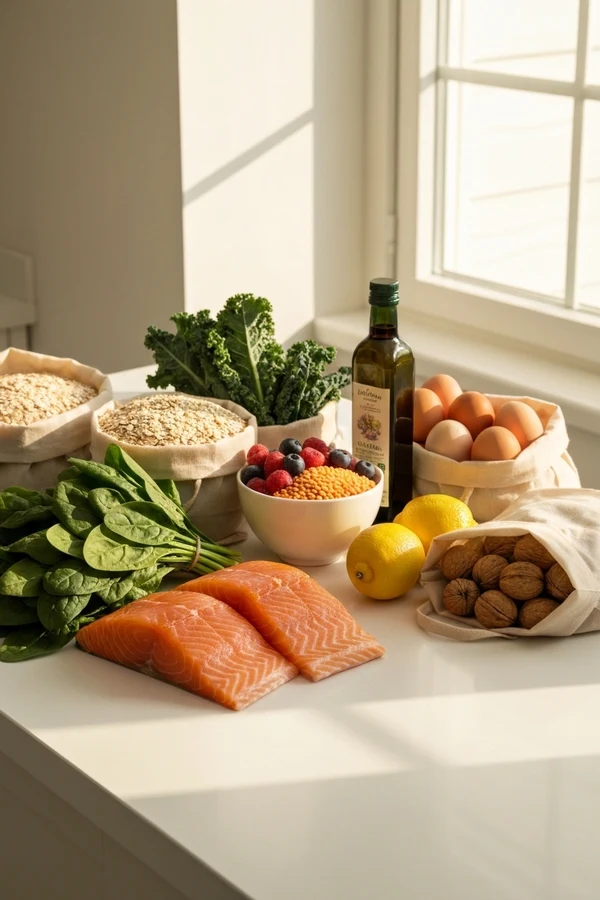
Most people do not need more nutrition information. They need fewer decisions.
That is why I like using a grocery-list approach instead of chasing random meal ideas. Once you know which foods pull the most weight, shopping gets easier and meals stop feeling like a daily puzzle. A recent Harvard Health quick-start guide to an anti-inflammatory diet makes the same point in a much cleaner way than most wellness content does: focus on whole foods like vegetables, fruit, legumes, whole grains, fish, nuts, seeds, and healthy oils.
And yes, this pattern has real backing behind it. A 2024 PubMed review of Mediterranean-style eating patterns found improvements in several inflammation markers compared with a low-fat diet. You do not need to obsess over the science every time you shop, but it is helpful to know that the basics really are the basics for a reason.
What changed things for me was stopping the search for “the healthiest food” and starting with foods I could actually keep using on busy weeks. That is the shift that makes this sustainable.
If you want a broader food overview after this, the anti-inflammatory foods guide is the best companion read.
The Best Proteins to Keep on Hand
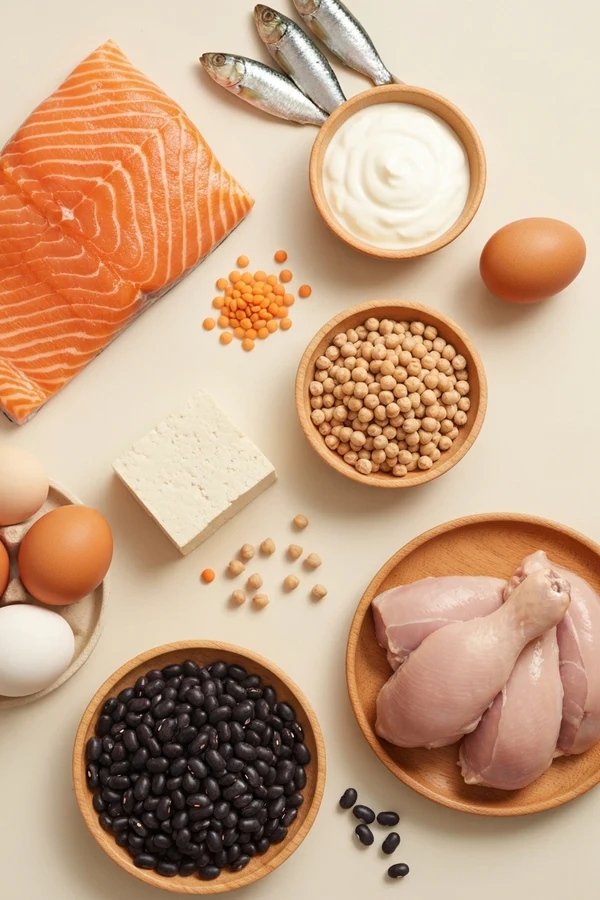
If your meals do not keep you full, the rest of the day gets harder. That is why protein deserves the first spot on your list.
The most useful options are:
- Salmon
- Sardines
- Tuna
- Eggs
- Plain Greek yogurt
- Kefir
- Chicken
- Turkey
- Tofu
- Tempeh
- Lentils
- Chickpeas
- Black beans
You do not need every item on that list. Pick three or four that feel realistic for your week.
If you like fast breakfasts, eggs and Greek yogurt are hard to beat. If dinner is where things usually fall apart, canned salmon, lentils, tofu, or rotisserie-style chicken can save you. I also like keeping one “emergency protein” around at all times, because the most anti-inflammatory meal is often just the one that stops you from ordering random takeout when you are tired.
One thing I have learned the hard way: buying vegetables without a protein plan usually leads to wasted produce. Build the cart around foods that anchor the meal first. Everything else becomes easier after that.
Carbs That Actually Help Instead of Backfiring
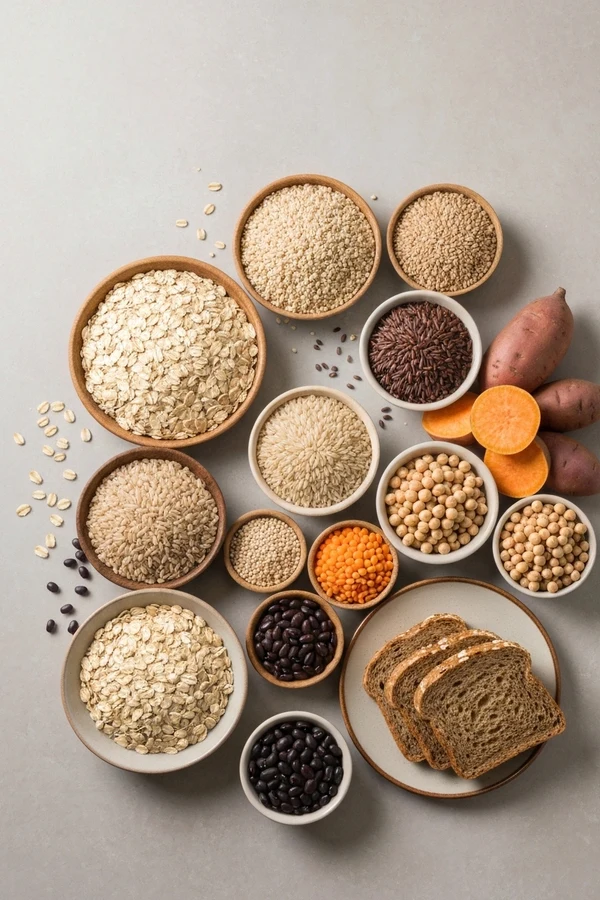
Anti-inflammatory eating is not about fearing carbs. It is about choosing carbs that help your energy and appetite instead of making the day feel chaotic.
These are the ones I would keep in regular rotation:
- Rolled oats
- Steel-cut oats
- Sweet potatoes
- Quinoa
- Brown rice
- Barley
- Lentils
- Chickpeas
- Black beans
- White beans
- Edamame
- Whole grain bread
Oats are one of the easiest wins because they work for breakfast, snack prep, and even savory bowls. Beans and lentils are even better because they bring fiber and protein in the same package. Sweet potatoes are another favorite because they feel comforting without sending your meal into junk-food territory.
If your mornings are the most inconsistent part of your routine, start there. A short list of breakfast staples usually has a bigger effect than people expect. The anti-inflammatory breakfast ideas guide is useful if you want more real-life options.
Here is the simplest way to think about carbs: if a food keeps you steady, full, and easy to feed again later, it is probably helping. If it turns into a snack spiral two hours later, it probably is not.
Produce, Healthy Fats, and Flavor Boosters Worth Buying
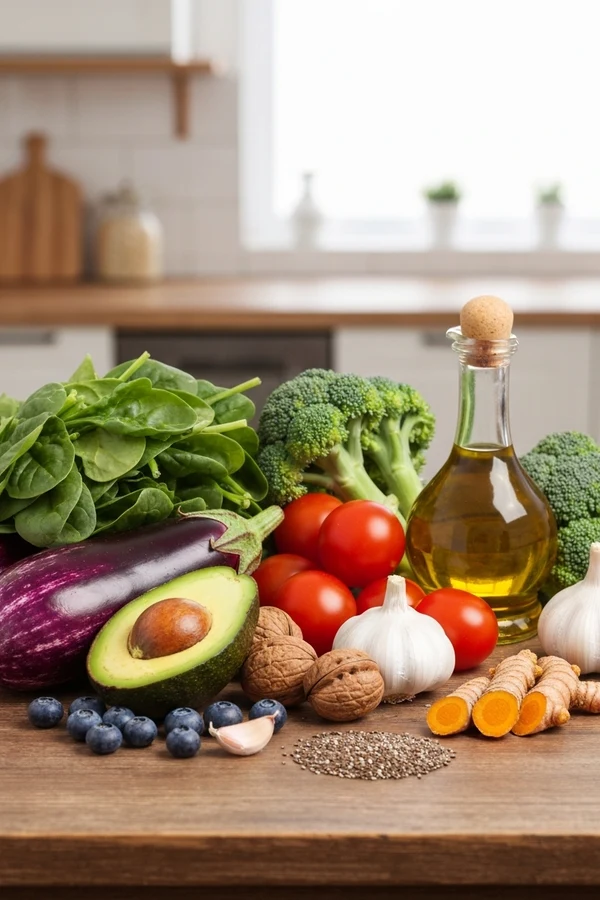
This is the part people usually imagine first when they think about anti-inflammatory eating, and that makes sense. These foods are what make meals feel fresh, colorful, and a lot less processed.
The staples I come back to most are:
- Spinach
- Arugula
- Kale
- Broccoli
- Cauliflower
- Brussels sprouts
- Tomatoes
- Bell peppers
- Blueberries
- Strawberries
- Cherries
- Oranges
- Avocado
- Garlic
- Onions
- Extra virgin olive oil
- Walnuts
- Almonds
- Chia seeds
- Ground flaxseed
- Pumpkin seeds
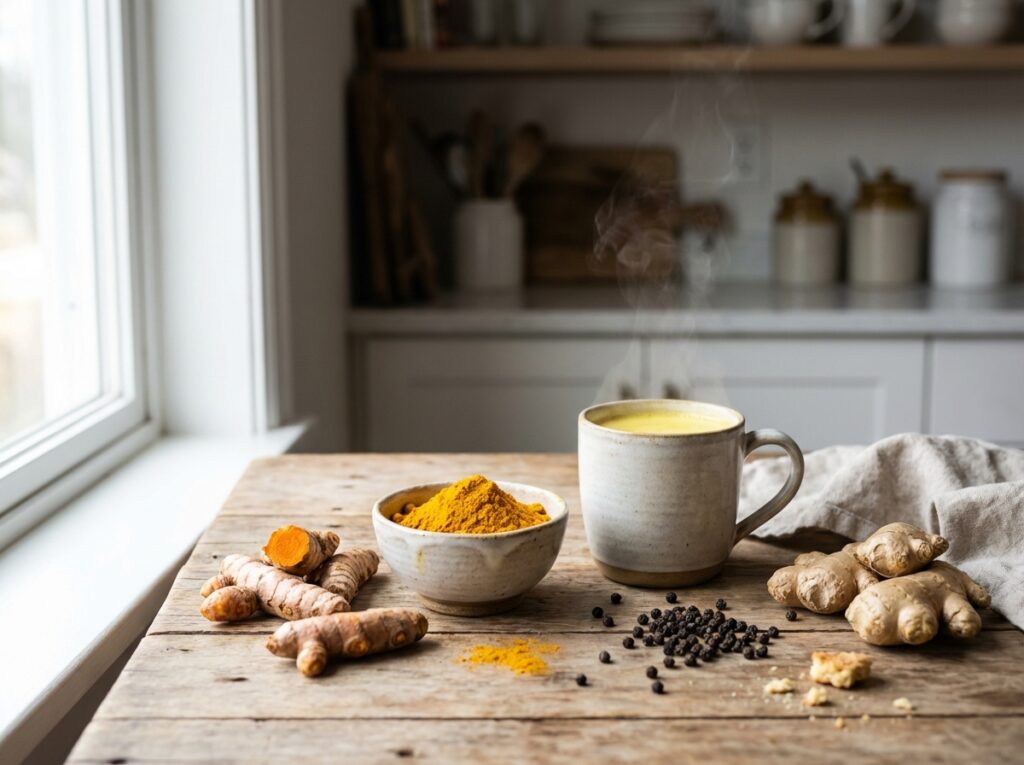
- Ginger
- Turmeric
- Green tea
You do not need all of them every week. That is where people overcomplicate this.
A much better strategy is to buy one leafy green, two easy vegetables, two fruits, one healthy fat, and one or two add-ons that make plain food taste better. For me, that is usually spinach, broccoli, berries, tomatoes, olive oil, garlic, and ginger. That short list covers a lot of ground without turning grocery shopping into a project.
And honestly, flavor matters more than people admit. If your meals taste flat, you will drift back toward packaged food fast. Olive oil, lemon, garlic, herbs, onions, and a few crunchy toppings can make a plain bowl feel like something you would actually want again tomorrow.
Gut-Supporting Foods That Are Worth the Fridge Space
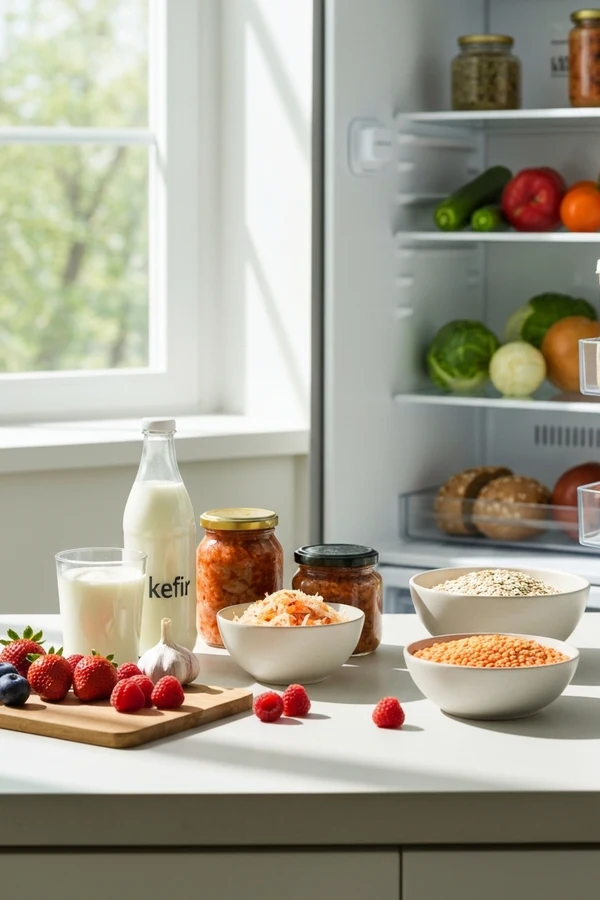
If you tend to feel bloated, heavy, or off after meals, this category is worth paying attention to.
The easiest gut-friendly foods to keep around are:
- Plain yogurt
- Kefir
- Sauerkraut
- Kimchi
- Miso
- Oats
- Lentils
- Beans
- Garlic
- Onions
- Berries
This does not need to turn into a whole gut-health routine. A yogurt bowl with chia and berries counts. Miso in soup counts. A spoonful of sauerkraut next to eggs or a grain bowl counts.
I like these foods because they are low drama. They fit into meals you are probably already making, and they often help your overall eating plan feel better within a few days. That matters, because when your meals sit better, it is easier to stick with them.
What to Buy Less Often
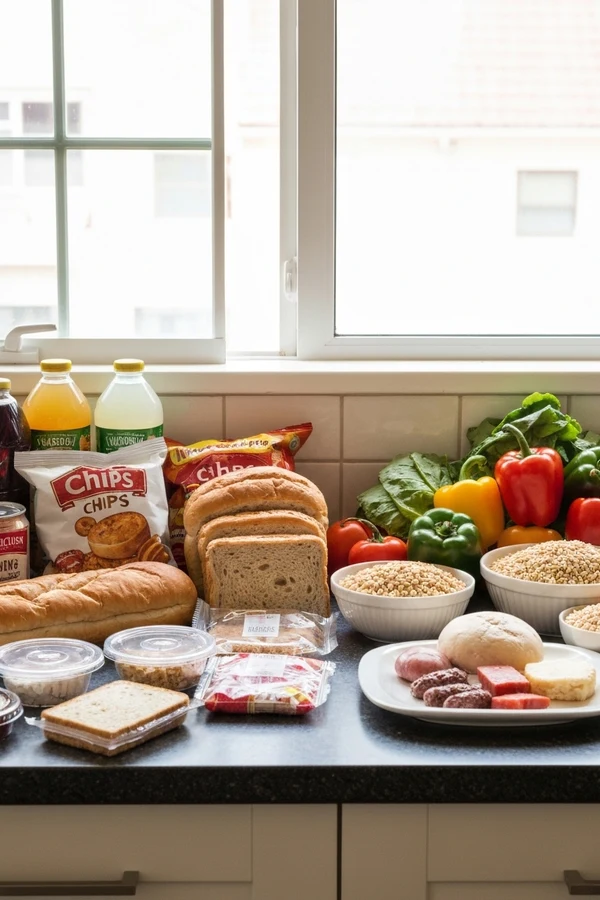
A good grocery list is not just about what you add. It is also about what stops taking up space in your kitchen.
Foods I would buy less often if your goal is a simpler anti-inflammatory pattern:
- Sugary drinks
- Sweet coffee drinks
- Pastries
- Sugary cereal
- White bread
- White pasta
- Chips
- Fried frozen snacks
- Processed meats
- Candy
- Packaged desserts
- Bottled dressings with lots of sugar
This is not about never eating these foods again. The real question is whether they are becoming your defaults.
That is where a lot of people get stuck. They buy a few healthy groceries, but those groceries end up sharing shelf space with the same foods that keep them hungry, snacky, and underfed. When that happens, the convenience food usually wins. So if you want this to work, make sure your cart actually matches the way you want to eat most of the week.
A Simple Way to Use This List All Week
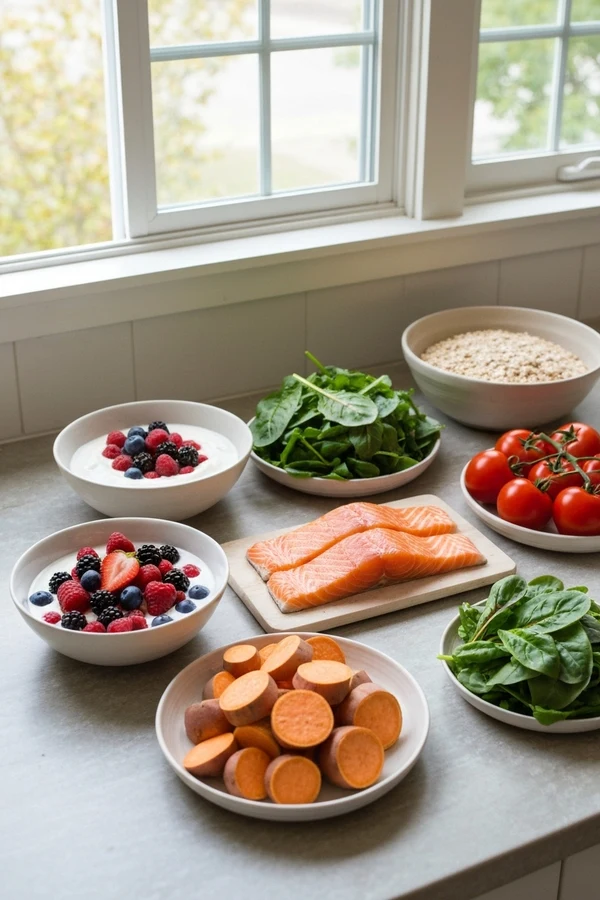
This is the easiest shopping system I know, and it works whether you cook a lot or barely want to think about food.
Pick:
- Three proteins
- Two carbs
- Three vegetables
- Two fruits
- Two healthy fats or toppings
- Two flavor boosters
That can look like this:
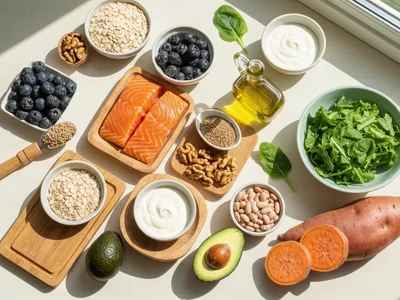
- Proteins: salmon, eggs, Greek yogurt
- Carbs: oats, sweet potatoes
- Vegetables: spinach, broccoli, tomatoes
- Fruits: blueberries, apples
- Fats: olive oil, walnuts
- Flavor: garlic, ginger
From that one list, you can make:
- Greek yogurt with berries and walnuts
- Oatmeal with chia and fruit
- Eggs with spinach and tomatoes
- Salmon with broccoli and sweet potatoes
- A fast grain bowl with leftovers, olive oil, and greens
This is why I prefer buying ingredients that can repeat across meals instead of trying to shop for seven totally different recipes. Repetition is what makes healthy eating easy enough to keep doing.
If you want the next step after the grocery list, the anti-inflammatory meal plan will help you turn these foods into a full week that feels organized instead of random.
Frequently Asked Questions
What foods are usually included in an anti-inflammatory diet? The basics are vegetables, fruit, legumes, whole grains, fish, eggs, yogurt or kefir if you tolerate them, nuts, seeds, olive oil, and simple proteins like chicken or tofu. Think whole-food staples, not specialty products.
Are eggs okay on an anti-inflammatory diet? For most people, yes. Eggs are a practical protein and often a much better breakfast choice than sugary cereal or pastries. The bigger issue is usually what else is on the plate.
Do I need to buy expensive superfoods? No. Frozen berries, oats, eggs, beans, lentils, canned fish, greens, olive oil, and plain yogurt will take you further than a cart full of trendy powders and snacks.
What is the easiest beginner grocery list? Start with eggs, Greek yogurt, oats, lentils, beans, salmon or canned tuna, spinach, broccoli, berries, tomatoes, olive oil, walnuts, garlic, and sweet potatoes. That is more than enough to build a strong week of meals.
The Bottom Line
The best list of foods for anti inflammatory diet shopping is the one you will actually use. Keep protein at the center, add a few steady carbs, buy produce that fits your real week, and use simple fats and flavor boosters to make meals feel good enough to repeat.
You do not need a perfect grocery haul. You need a short list that makes breakfast easier, dinner less random, and snack choices less chaotic. That is where momentum usually starts.
If you take blood thinners, manage digestive symptoms, or have a condition that changes how you eat, check with your healthcare provider before making big diet shifts.
The information on this site is for educational purposes only and is not intended as medical advice. Always consult a qualified healthcare provider before making any changes to your diet, exercise routine, or supplement use.

About Jane Smith
We turn solid evidence into everyday habits Americans can actually do—plain English, cups/oz, grocery-aisle swaps, and routines that fit real life. Our editorial process: Experience—we road-test tips in real schedules…