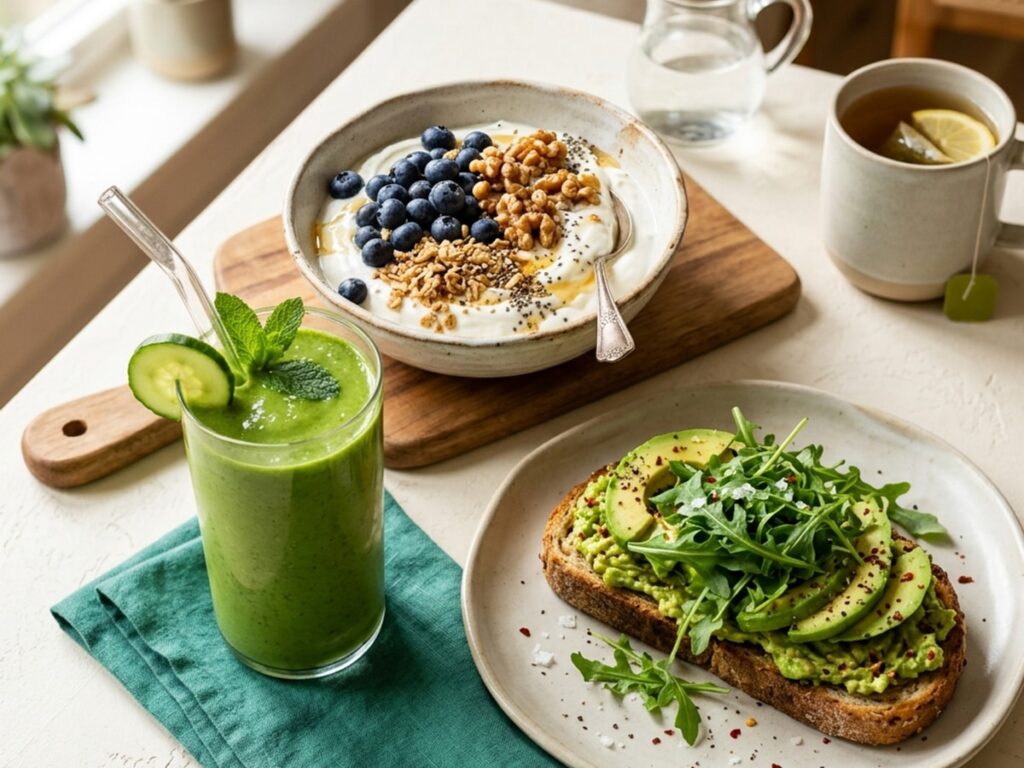
12 Best Foods to Keep Your Kidneys Healthy
Maintaining strong kidney function is essential for filtering waste, balancing fluids, and supporting overall wellness. While medication and medical care...
Maintaining strong kidney function is essential for filtering waste, balancing fluids, and supporting overall wellness. While medication and medical care play important roles when needed, the foods you choose each day can help reduce unnecessary strain on your kidneys. This guide highlights the best kidney-friendly foods, easy ways to add them to everyday meals, and practical tips for grocery shopping and meal planning in the US. If you’re trying to support your kidneys naturally, these choices can make a meaningful difference without requiring major lifestyle changes.
Why Kidney-Friendly Foods Matter
Choosing kidney-friendly foods becomes easier when you understand how diet directly influences kidney function. Many Americans consume meals high in sodium, added sugars, and processed ingredients—factors that contribute to kidney stress over time. Transitioning toward whole foods can help reduce this burden, especially when you focus on choices that naturally support your kidneys.
👉 For a deeper dive into kidney health and function, check out: Best Foods to Support Healthy Kidneys — it’s packed with practical tips.
How diet supports kidney function
Your kidneys filter around 150–180 liters of blood per day, and the foods you eat can either lighten or increase that workload. Diets high in sodium can cause fluid retention, which forces your kidneys to work harder. For example, a single fast-food chicken sandwich can contain more than 1,200 mg of sodium, nearly half the recommended daily limit. Kidney-friendly foods, on the other hand, are typically lower in sodium and rich in fiber, which supports heart health—a system closely tied to kidney function.
👉 If you’re also working on kidney health and function, our detailed guide on Early Signs of Chronic Kidney Disease You Should Know covers exactly what you need.
Nutrients that help reduce strain on kidneys
Certain nutrients—like vitamin C, antioxidants, and fiber—play helpful roles in reducing stress on the kidneys. Berries, for instance, provide flavonoids that help protect cells from oxidative damage. Foods with moderate potassium levels, such as apples, are helpful for people who need to monitor potassium intake. Choosing low-sodium foods not only supports kidney balance but can also improve cholesterol and blood pressure. Even making a simple shift, such as replacing a salty snack with a cup of fresh blueberries, can support overall kidney wellness in a measurable way.
👉 If you’re also working on spotting nutrient deficiencies early, our detailed guide on Hidden Signs You May Be Low in Key Nutrients covers exactly what you need.
Top Kidney-Friendly Foods
Now that we’ve covered why diet matters, here are some standout kidney-friendly foods you can safely integrate into your routine. These foods offer nutrients that support healthy kidney function without overloading the body with sodium, potassium, or phosphorus.
Fruits and veggies that support kidney health
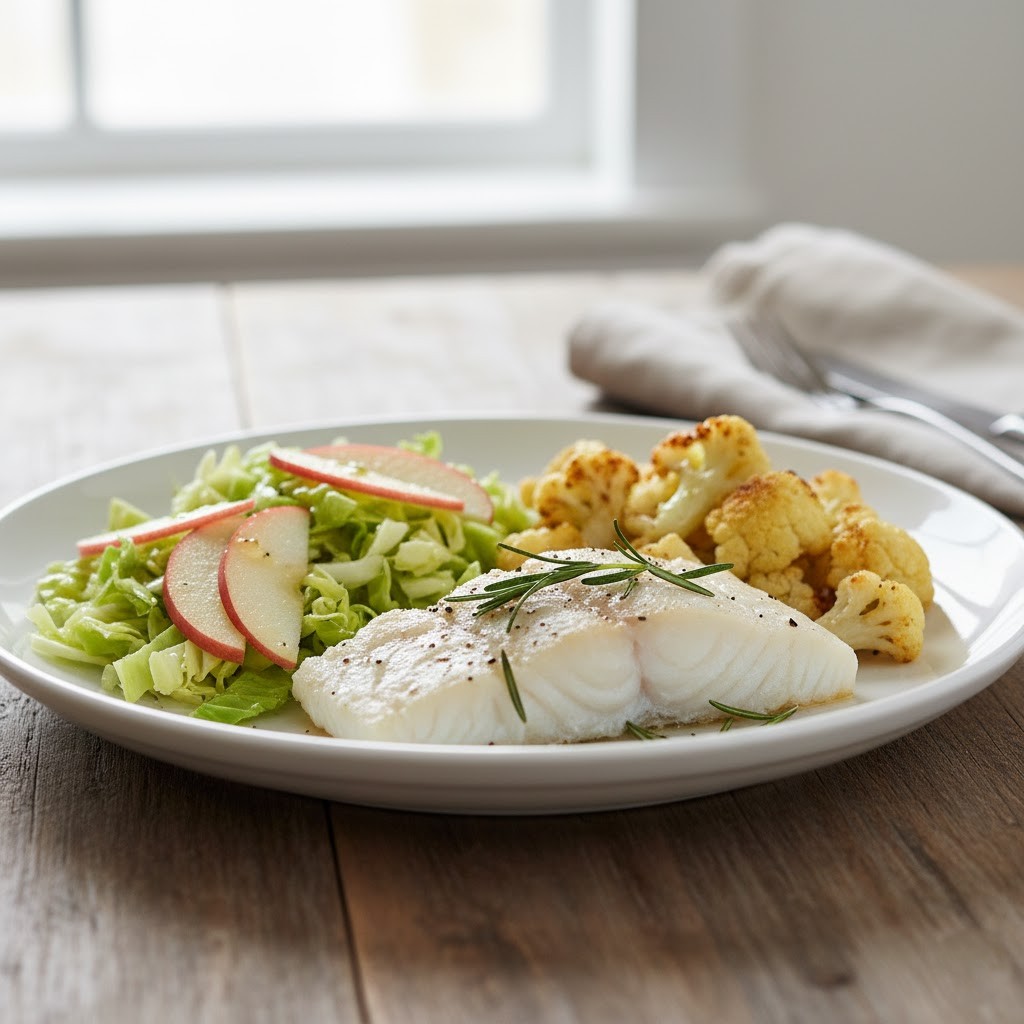
Blueberries, cabbage, bell peppers, apples, and cauliflower are among the most accessible kidney-friendly options available in US grocery stores. Blueberries provide antioxidants that help combat inflammation, while red bell peppers are naturally low in potassium but high in vitamin C. For example, 1 cup of chopped bell pepper contains only about 170 mg of potassium, making it an excellent choice for kidney support. Cauliflower can also replace higher-potassium vegetables—mashed cauliflower, for instance, is a great alternative to mashed potatoes.
Lean proteins and low-sodium options
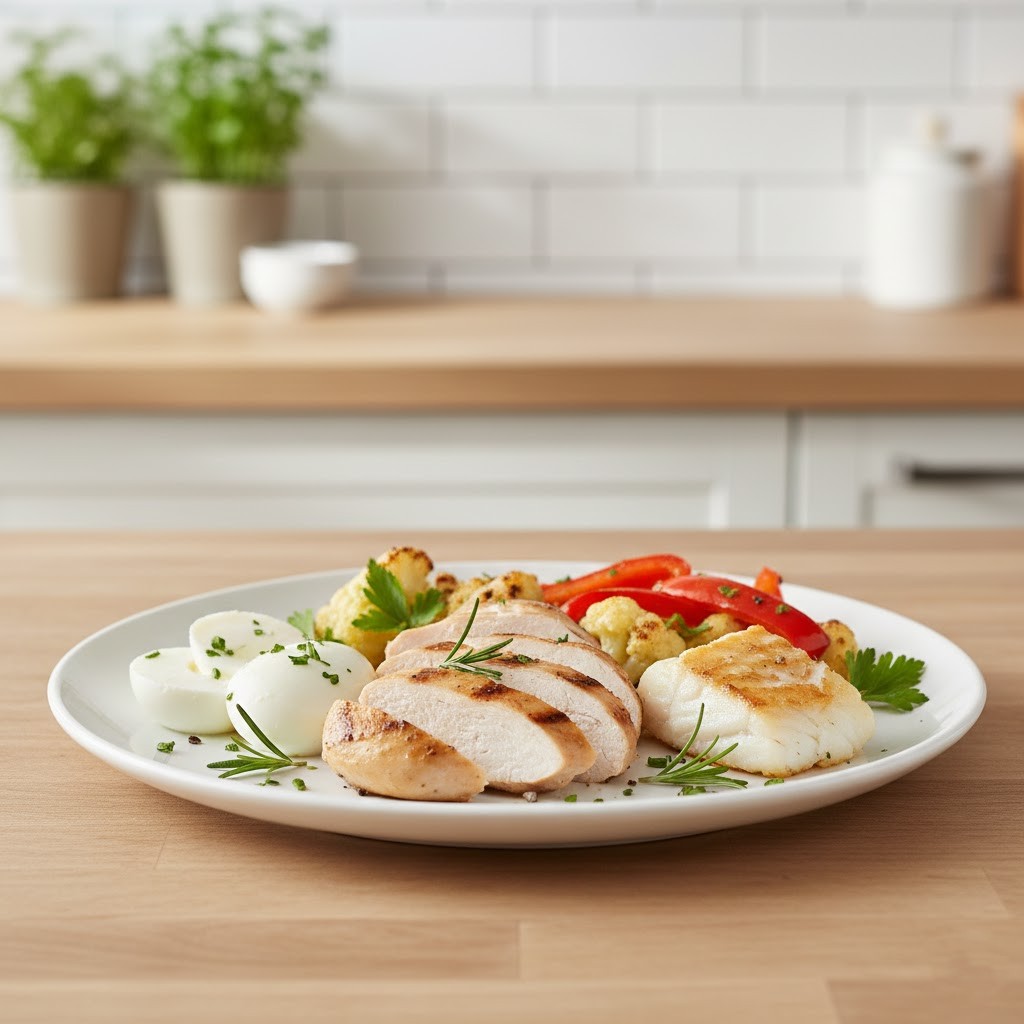
Your kidneys process the byproducts of protein metabolism, so choosing leaner and lighter proteins can make a difference. Skinless chicken breast, egg whites, and some fish—such as cod or flounder—are good options due to their lower phosphorus content. For example, one cooked egg white contains roughly 3.6 grams of protein without the heavier mineral load found in the yolk. Canned tuna packed in water can also be kidney-friendly if you choose the low-sodium version. Pairing these proteins with kidney-friendly vegetables makes meals balanced without overwhelming your kidneys.
How to Add These Foods to Your Daily Meals
Once you know which foods are helpful, the next step is putting them into your daily routine. Integrating kidney-friendly choices doesn’t need to be complicated or expensive—simple swaps can make a big impact.
Simple breakfast, lunch, and dinner ideas
For breakfast, you can enjoy scrambled egg whites with diced red bell peppers or a bowl of oatmeal topped with fresh blueberries. Lunch could be a grilled chicken salad using cabbage, apples, and a low-sodium vinaigrette—aim for no more than 150 mg sodium per serving in store-bought dressings. Dinner might include baked cod seasoned with herbs (not salt), served with a side of roasted cauliflower. Even adding an apple as a snack provides fiber while keeping potassium levels moderate.
Easy swaps for high-sodium or high-potassium foods
If you’re used to higher-sodium meals, start by replacing salty, packaged soups with homemade versions using herbs and low-sodium broth. Swap mashed potatoes for mashed cauliflower to reduce potassium intake by several hundred milligrams per cup. Trade deli meats—which can contain over 700 mg of sodium per 2 oz serving—for freshly cooked chicken breast. Small changes like these shift your overall diet toward foods that support kidney balance.
Tips for Building a Kidney-Supportive Eating Pattern
With your list of kidney-friendly foods in hand, it’s helpful to build habits that reinforce your kidney-supportive goals. These practical tips can guide your approach whether shopping, cooking, or eating on the go.
Grocery tips for US shoppers
When shopping, prioritize the produce aisle and lean protein section. Choose fruits like apples or blueberries packaged in 1-pint containers, often priced budget-friendly in US supermarkets. Opt for low-sodium canned vegetables labeled “≤140 mg sodium per serving,” and pick herbs such as rosemary or garlic powder to replace table salt. Buy frozen veggies when fresh options are pricier—they often contain no added salt and are easier to store for weekly meal prep.
Portion control and hydration guidance
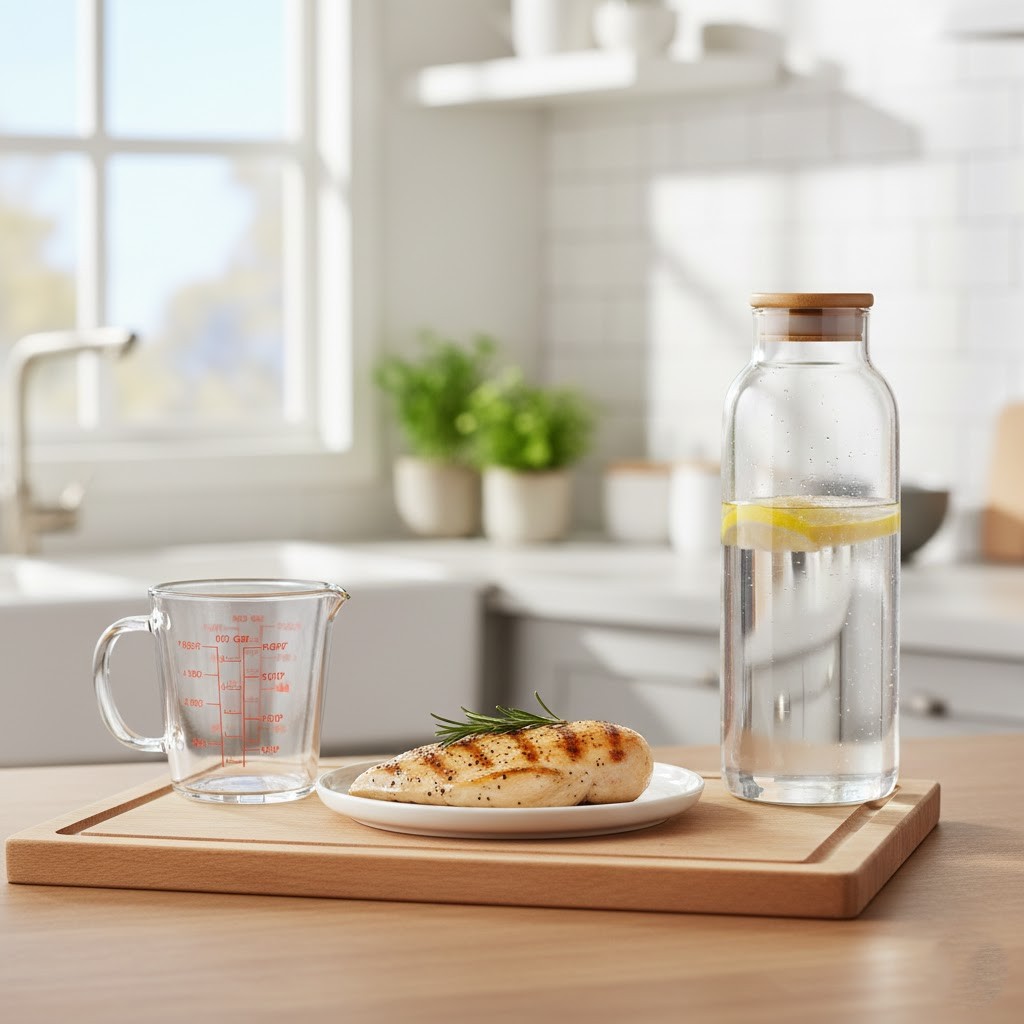
Kidney-friendly eating doesn’t require avoiding all protein or potassium; it’s more about moderation. Aim for 3–4 oz of lean protein at meals instead of larger portions. Limit high-potassium foods to ½-cup servings when needed and drink water throughout the day to support hydration. A typical guideline is 6–8 cups of water daily, adjusting based on your activity level and healthcare provider’s advice. Keeping meals balanced helps regulate waste production, reducing unnecessary strain on your kidneys.
When to Talk to a Healthcare Professional
Even when you follow a kidney-supportive diet, it’s important to recognize when you might need medical guidance. Your kidneys play a vital role, and early detection of stress can prevent complications.
Signs of kidney stress
Common signs include swelling in the hands or feet, persistent fatigue, or changes in how often you urinate. For example, waking up several times a night to urinate or feeling puffy after eating salty meals can signal fluid imbalance. If you notice symptoms like foamy urine or unexplained nausea, these may reflect changes in how your kidneys filter waste. Paying attention to these early warning signs allows you to seek professional help before issues escalate.
How dietary needs change with kidney conditions
People with chronic kidney conditions may need to limit certain nutrients more strictly, such as potassium, sodium, or phosphorus. For example, someone with stage 3 chronic kidney disease might be advised to keep sodium under 2,000 mg per day and track phosphorus sources carefully. A registered dietitian can help tailor a plan based on your labs and health history. This ensures your kidney-friendly diet remains supportive without being overly restrictive.
Tips & Swaps
- Replace deli meats with home-cooked chicken breast.
- Choose low-sodium broth for soups and stews.
- Use garlic powder instead of salt when seasoning.
- Swap mashed potatoes for mashed cauliflower.
- Pick fresh or frozen berries over sugary desserts.
- Select canned veggies labeled “no salt added.”
FAQs
- What makes a food kidney-friendly?
Kidney-friendly foods are low in sodium, moderate in potassium, and gentle on the kidneys to process. These foods typically include fruits like apples, berries, and vegetables such as bell peppers or cauliflower. They help reduce unnecessary strain without compromising flavor. - Can I still eat protein if I want to support my kidneys?
Yes—protein is essential, but moderation is key. Aim for 3–4 oz portions of lean proteins such as skinless chicken, cod, or egg whites. This helps support muscle function while keeping phosphorus levels manageable for kidney health. - Are all fruits safe for kidney health?
Not always. Some fruits—like bananas and oranges—are higher in potassium, which may need to be limited depending on your health. Kidney-friendly fruits, such as blueberries or apples, offer lower-potassium alternatives that still provide antioxidants and fiber. - Does drinking more water improve kidney function?
Good hydration helps your kidneys filter waste, but drinking excessive amounts won’t improve function. Most adults do well with 6–8 cups of water per day unless advised otherwise by a healthcare provider. - Should people with diabetes follow the same kidney-friendly foods list?
Generally yes, but individuals with diabetes should also consider carbohydrate content. Many kidney-friendly foods—such as berries, cabbage, or cauliflower—fit well into a balanced diabetes-friendly plan while still supporting kidney wellness.
If you’re ready to support your kidneys naturally, start by adding at least three kidney-friendly foods to your meals this week. Small, consistent changes can help create long-term benefits for your kidney health.
Disclaimer: This content is for informational purposes only and is not a substitute for professional medical advice.

About Jane Smith
We turn solid evidence into everyday habits Americans can actually do—plain English, cups/oz, grocery-aisle swaps, and routines that fit real life. Our editorial process: Experience—we road-test tips in real schedules…