Iron Deficiency Diet: Foods to Eat and Avoid
Iron deficiency can leave you feeling wiped out, foggy, and short of breath after climbing just one flight of stairs....
Iron deficiency can leave you feeling wiped out, foggy, and short of breath after climbing just one flight of stairs. If you’ve been told your iron is low—or you suspect it might be—your daily food choices matter more than you think. A well-planned iron deficiency diet can help support healthy red blood cell production and steady energy. Here’s what to eat, what to limit, and how to make practical changes using foods you can find at Whole Foods, Trader Joe’s, Costco, or your local grocery store.
What Is an Iron Deficiency Diet?
If you’re dealing with low iron, the first step is understanding how food directly affects your body’s ability to rebuild healthy iron levels.
👉 If you’re also working on omega-3 fatty acids and heart health, our detailed guide on 15 Best Omega-3 Rich Foods for Your Diet covers exactly what you need.
How Iron Deficiency (Anemia) Affects Energy and Focus
Iron helps your body make hemoglobin, the protein in red blood cells that carries oxygen. When iron is low, oxygen delivery drops—and that’s when symptoms show up. Common signs include fatigue, pale skin, brittle nails, headaches, and reduced stamina. Some people notice they feel winded after 5–10 minutes of light activity.
Lab values typically show ferritin levels below 30 ng/mL or hemoglobin below about 12 g/dL for women and 13 g/dL for men. While supplements are often recommended, diet still plays a foundational role. You can’t out-supplement a poor diet.
An iron deficiency diet focuses on increasing iron-rich foods while reducing foods that block absorption.
👉 For a deeper dive into immune system support, check out: Yellow Foods Benefits: Immunity, Energy & Skin — it’s packed with practical tips.
Why an Iron Deficiency Diet Matters for Recovery
Not all iron is absorbed equally. The body absorbs heme iron (from animal foods) at a rate of about 15–35%, while non-heme iron (from plants) is absorbed at roughly 2–20%. That’s a significant difference.
A thoughtful eating plan improves both the amount of iron you consume and how efficiently your body uses it. For example, pairing 3 oz of grilled steak with ½ cup of bell peppers can dramatically improve absorption compared to eating steak alone.
In short, the iron deficiency diet isn’t just about adding more iron—it’s about making iron work better.
👉 This pairs well with our Essential Vitamins: Best Vitamin-Rich Foods List guide if you want the full picture on getting all your essential vitamins.
Best Foods to Eat on an Iron Deficiency Diet
Now that you know why diet matters, let’s talk about what actually belongs on your plate.
Heme Iron Foods (Red Meat, Poultry, Seafood)
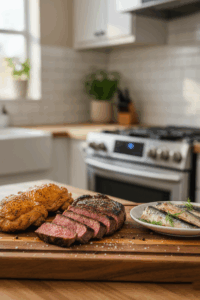
Heme iron is the most absorbable form. A 3 oz serving of beef provides about 2–3 mg of iron. Dark meat turkey and chicken offer around 1–2 mg per serving. Shellfish are especially powerful: 3 oz of clams can contain over 20 mg of iron—more than the daily recommended intake for most adults.
If you shop at Costco or a local supermarket, look for lean ground beef (90/10), sirloin, or chicken thighs. Rotisserie chicken from Whole Foods or Trader Joe’s is a convenient option.
Aim for 3–4 oz portions several times per week. You don’t need large amounts—consistency matters more than size.
Non-Heme Iron Foods (Beans, Greens, Fortified Grains)
Plant-based sources still count. Lentils provide about 3 mg of iron per ½ cup cooked. Chickpeas offer around 2.5 mg per ½ cup. Spinach delivers roughly 3 mg per cooked cup.
Fortified breakfast cereals can contain 8–18 mg per serving—check the nutrition label. Many brands at Trader Joe’s or national supermarkets are fortified to 100% of the daily value.
Quinoa (2.8 mg per cup cooked) and pumpkin seeds (2.5 mg per 1 oz) are easy add-ins to salads or yogurt bowls. While absorption is lower than heme iron, combining these foods strategically boosts their effectiveness.
Vitamin C Foods That Boost Iron Absorption
Vitamin C can increase non-heme iron absorption by up to 2–3 times. That’s significant.
Add ½ cup of strawberries (about 45 mg vitamin C) to fortified cereal. Pair lentil soup with sliced red bell peppers (95 mg vitamin C per medium pepper). Squeeze lemon over sautéed spinach.
Small changes—like adding ¼ cup orange slices to a meal—can meaningfully improve how much iron your body actually absorbs.
Foods to Avoid or Limit with Iron Deficiency
Just as important as what to eat is knowing what can interfere with iron absorption.
Coffee, Tea, and Drinks That Block Iron
Coffee and tea contain polyphenols and tannins that bind iron. Drinking coffee with a meal can reduce iron absorption by up to 40–60%.
If you typically have coffee with breakfast, consider waiting at least 1 hour after eating iron-rich foods. The same goes for green tea or black tea.
Sugary drinks don’t directly block iron, but they displace nutrient-dense foods. If you’re working to correct deficiency, prioritize nutrient-rich options over soda.
Excess Dairy and High-Calcium Foods
Calcium competes with iron for absorption. A large glass of milk (12 oz) contains about 450 mg of calcium. Taking iron supplements with dairy can significantly reduce effectiveness.
You don’t need to eliminate dairy—but separate high-calcium foods from iron-rich meals by at least 1–2 hours. For example, enjoy Greek yogurt as a mid-afternoon snack instead of alongside an iron-heavy dinner.
Moderation and timing make a difference.
Processed Snacks and Low-Iron Foods
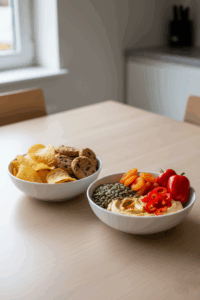
Highly processed snacks—chips, pastries, candy—provide little to no iron. Relying on these foods may crowd out iron-rich options.
Whole grains can also contain phytates, which reduce absorption. That doesn’t mean avoid them entirely. Instead, balance them with vitamin C and heme iron sources.
An iron deficiency diet is less about restriction and more about prioritizing nutrient-dense foods.
Practical Iron Deficiency Diet Meal Plan (1 Day)
Putting it all together helps make this feel doable.
Iron-Rich Breakfast, Lunch, and Dinner Ideas
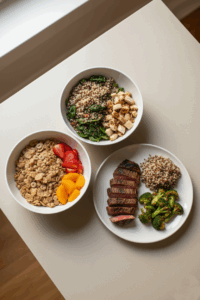
Breakfast: Fortified cereal (1 serving, 18 mg iron) with sliced strawberries and ½ cup orange juice.
Lunch: Lentil and spinach salad with grilled chicken (3 oz) and red bell peppers.
Dinner: 4 oz sirloin steak, roasted broccoli, and quinoa (1 cup cooked).
This type of day can easily provide 20–30 mg of iron from food alone, depending on portion sizes and brands.
Smart Snacks to Support Healthy Iron Levels
Choose snacks that contribute meaningfully:
- 1 oz pumpkin seeds
- ½ cup hummus with sliced bell peppers
- Hard-boiled egg (1 mg iron)
- Dried apricots (about 2 mg per ½ cup)
These are practical options you can grab from Trader Joe’s or a neighborhood grocery store.
How to Improve Iron Absorption Naturally
Beyond food choices, small habits can strengthen your iron deficiency diet.
Food Pairing Tips for Maximum Iron Uptake
- Pair beans with citrus-based dressing.
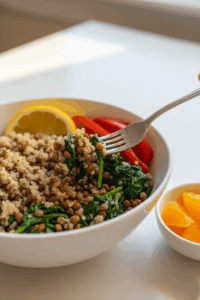
- Add lemon juice to cooked greens.
- Combine steak with roasted peppers.
- Eat iron-rich meals separate from coffee and dairy.
These combinations may increase absorption by 2–3 times, especially for plant-based iron sources.
Cooking and Supplement Timing Tips for Better Results
Cooking in cast iron pans can add small amounts of iron—especially with acidic foods like tomato sauce.
If taking a supplement, take it with 250 mg vitamin C or a small glass (4 oz) of orange juice. Avoid taking it within 1–2 hours of calcium-rich foods.
Consistency over several weeks is key. It often takes 6–8 weeks to see lab improvements.
FAQs
1. How much iron do adults need daily?
Women ages 19–50 typically need 18 mg per day, while men and postmenopausal women need about 8 mg. Pregnant women may require 27 mg daily. Always confirm with your healthcare provider.
2. Can I fix iron deficiency with diet alone?
Mild cases may improve with food changes, especially if intake was previously low. Moderate to severe anemia often requires supplementation alongside dietary adjustments.
3. Is spinach enough to raise iron levels?
Spinach helps, but absorption is limited. You would need several cups daily to meet high needs. Pairing it with vitamin C improves effectiveness.
4. How long does it take to feel better?
Energy improvements may begin within 2–4 weeks if iron levels are rising. Lab values usually improve over 6–8 weeks with consistent treatment.
5. Should I avoid all dairy if I’m iron deficient?
No. Dairy is nutritious. Just separate high-calcium foods from iron-rich meals or supplements by 1–2 hours.
Disclaimer: This content is for informational purposes only and is not a substitute for professional medical advice.

About Jane Smith
We turn solid evidence into everyday habits Americans can actually do—plain English, cups/oz, grocery-aisle swaps, and routines that fit real life. Our editorial process: Experience—we road-test tips in real schedules…