Immunity-Boosting Foods to Add to Your Daily Diet
A strong immune system doesn’t come from supplements alone—it starts with what’s on your plate. For most Americans, everyday meals...
A strong immune system doesn’t come from supplements alone—it starts with what’s on your plate. For most Americans, everyday meals already offer opportunities to support immune health with simple, affordable foods from the grocery store. Fruits, vegetables, nuts, fermented foods, and spices all provide nutrients your body relies on to function normally. This article breaks down what immunity-boosting foods are, why they matter, and how to add them to your daily diet in realistic, sustainable ways—without extreme rules or trends.
What Are Immunity-Boosting Foods?
Before diving into specific foods, it helps to understand what “immunity-boosting” really means in practical terms.
👉 Want to go further? Our complete breakdown of 9 Magnesium-Rich Foods to Add This Week walks you through topics related to magnesium step by step.
The immune system in plain English
Your immune system is a network of cells, tissues, and organs that work together to help your body respond to everyday threats. It relies on white blood cells, antibodies, and signaling chemicals to do its job. These processes happen constantly, not just when you feel sick. Nutrients from food—like vitamins, minerals, protein, and antioxidants—act as building blocks and helpers in these normal immune functions.
👉 This pairs well with our Nutrient-Rich Nuts & Seeds: Top Health Benefits guide if you want the full picture on topics related to benefits.
How food supports everyday immune function
Immunity-boosting foods don’t “supercharge” your immune system overnight. Instead, they help ensure your body has what it needs to operate efficiently. For example, vitamin C supports immune cell activity, while zinc helps with cell development and communication. Eating a variety of nutrient-dense foods consistently—say, 3 balanced meals per day plus 1–2 snacks—matters far more than any single food or short-term fix.
👉 For a deeper dive into topics related to everyday, check out: Top Vitamin E Foods for Everyday Wellness — it’s packed with practical tips.
Nutrients Your Immune System Needs Most
Once you understand the basics, the next step is knowing which nutrients play key roles in immune health.
Vitamin C and antioxidant-rich foods
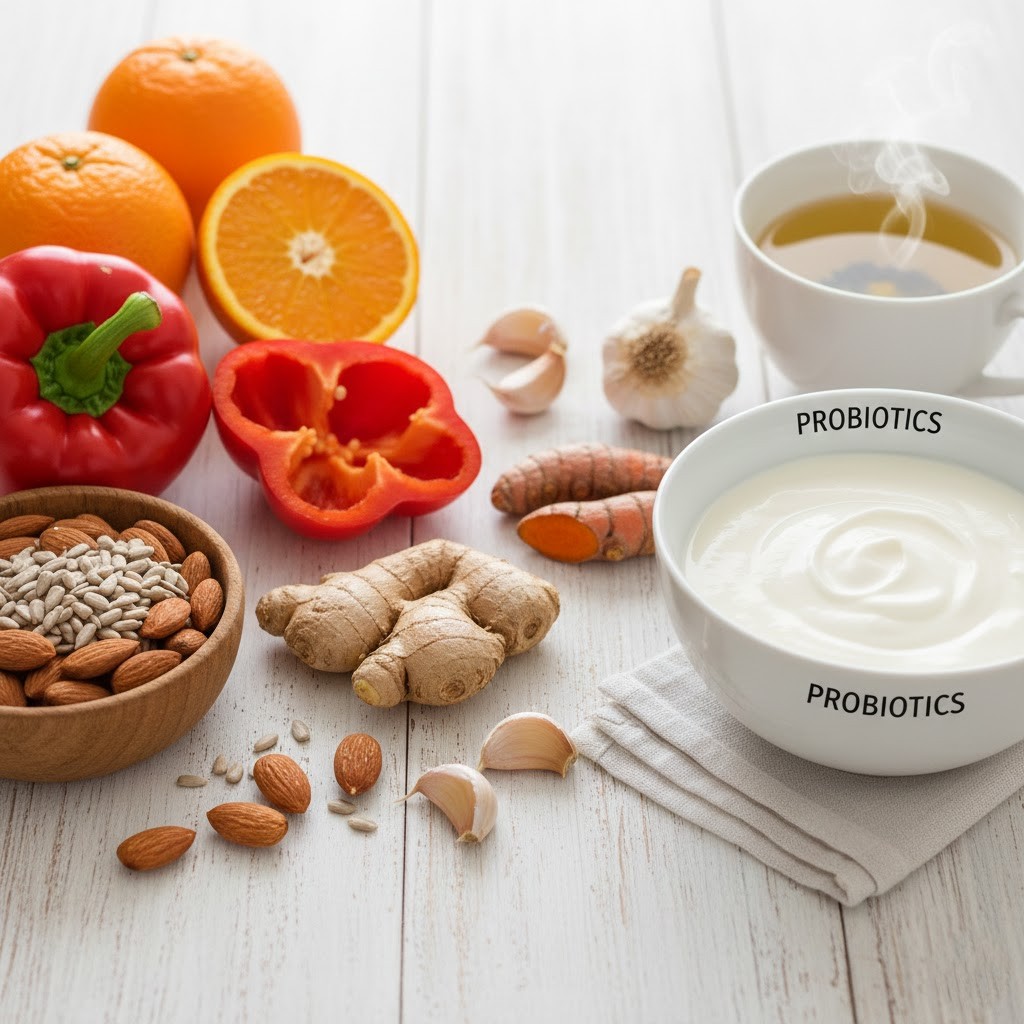
Vitamin C is one of the most well-known nutrients linked to immune support. It helps protect cells from oxidative stress and supports normal immune responses. Many Americans aim for about 75–90 mg per day, which you can get from food alone. One medium orange provides roughly 70 mg, while ½ cup of red bell pepper delivers over 90 mg. Antioxidants from berries, spinach, and broccoli also help protect cells from everyday damage.
Vitamin E, healthy fats, and nuts
Vitamin E is a fat-soluble antioxidant that supports immune cell function. Nuts and seeds are some of the best dietary sources. For example, 1 oz (about 23 almonds) provides roughly 7 mg of vitamin E, nearly half the recommended daily amount. Healthy fats from nuts, seeds, and olive oil also help your body absorb fat-soluble vitamins more effectively, making balanced meals especially important.
Zinc, probiotics, and plant compounds
Zinc supports immune cell development and communication. Foods like yogurt, seeds, beans, and nuts contribute small but meaningful amounts—¼ cup of sunflower seeds contains about 2.5 mg. Probiotics from yogurt and fermented foods help maintain gut balance, which plays a role in immune health. Plant compounds found in garlic, turmeric, and green tea provide additional antioxidant and anti-inflammatory support.
Best Immunity-Boosting Foods to Eat Regularly
With key nutrients in mind, let’s look at specific immunity-boosting foods you can eat regularly.
Fruits that support immune health
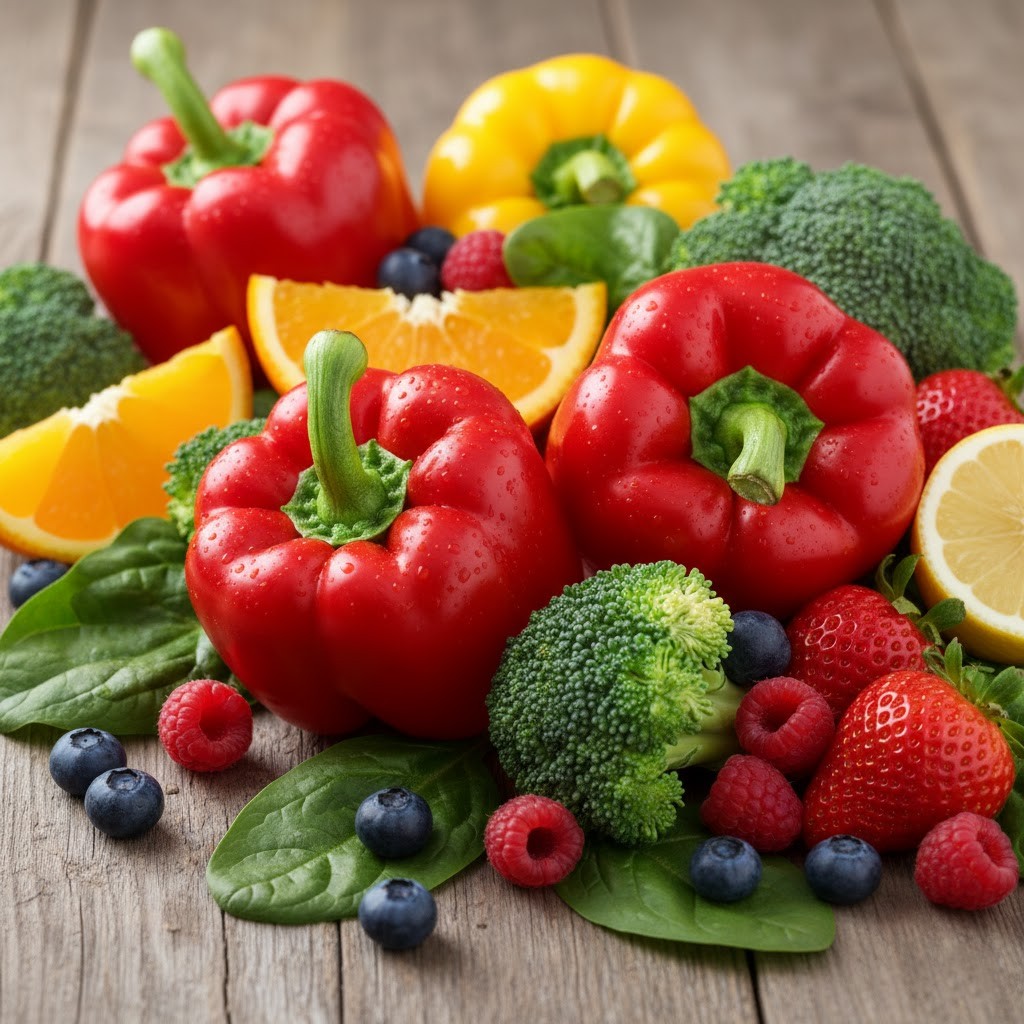
Fruits are easy to add to meals and snacks. Oranges, papaya, and blueberries are standout options. One cup of blueberries contains antioxidants plus about 4 grams of fiber, which supports gut health. Papaya offers vitamin C and digestive enzymes, while citrus fruits are widely available year-round in US grocery stores. Aim for at least 1–2 cups of fruit per day, spread across meals and snacks.
Vegetables linked to immune support
Vegetables like broccoli, spinach, and red bell peppers provide vitamins A, C, and K along with fiber. Steaming broccoli for 5–7 minutes helps preserve nutrients while making it easier to digest. Spinach works well raw or lightly sautéed with olive oil, which helps absorb fat-soluble nutrients. Filling half your plate with vegetables at lunch and dinner is a practical, measurable goal.
Nuts, seeds, and anti-inflammatory spices
Almonds and sunflower seeds are convenient sources of vitamin E and zinc. A small handful (about ¼ cup) makes an easy snack. Spices like ginger and turmeric add flavor while contributing plant compounds. For example, adding ½ tsp turmeric and a pinch of black pepper to soups or scrambled eggs is a simple way to include it regularly.
Fermented foods and immune-friendly drinks
Yogurt with live cultures supports gut health, which is closely linked to immune function. Choose plain yogurt and add fruit for sweetness. Green tea provides antioxidants called catechins; drinking 1–2 cups per day is common and easy. These options fit naturally into breakfast or afternoon routines.
How to Add These Foods to Everyday Meals
Knowing what to eat is helpful—but making it stick requires realistic strategies.
Easy breakfast, lunch, and snack ideas
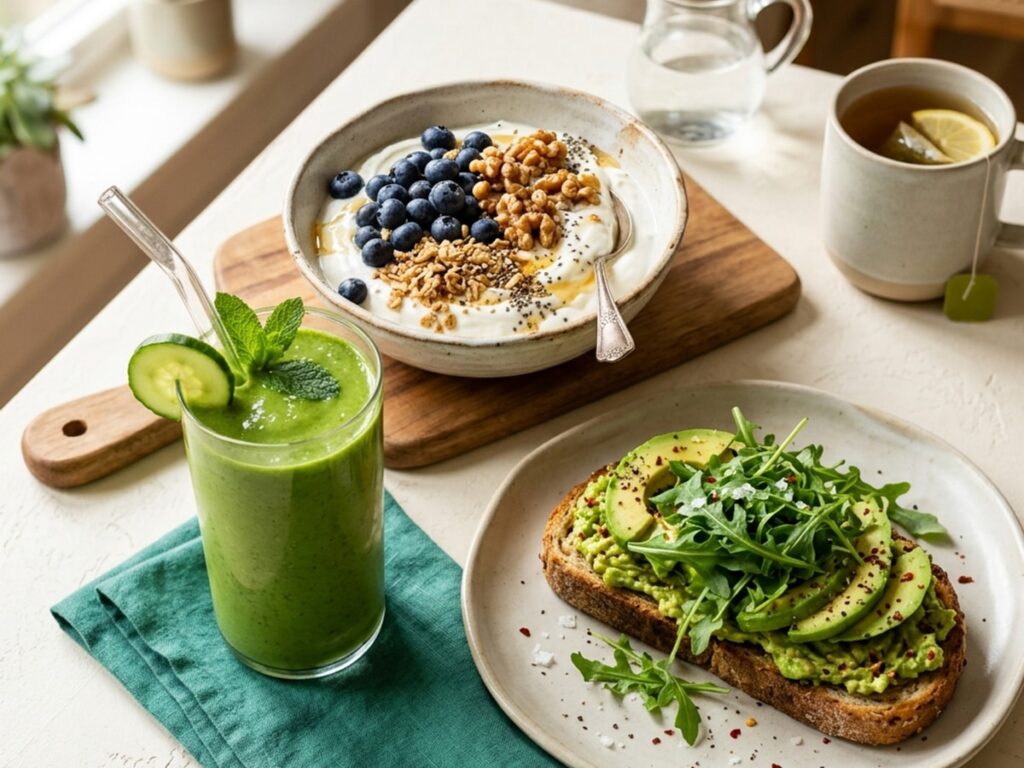
Start small by adding one immunity-boosting food per meal. Breakfast could include yogurt with blueberries and almonds. Lunch might be a spinach salad with red bell peppers and sunflower seeds. Snacks can be as simple as an orange or a handful of nuts. At dinner, roasted broccoli with garlic and olive oil pairs well with most proteins and takes about 20 minutes at 400°F (205°C).
Simple swaps for busy US households
Small substitutions add up. Swap sugary snacks for fruit 3 days per week. Use green tea instead of one sugary drink per day. Add frozen vegetables to soups or pasta sauces for convenience—frozen broccoli and spinach retain most nutrients and save prep time. These changes fit busy schedules without requiring major lifestyle overhauls.
Tips & swaps
- Choose frozen fruits and veggies to save time and money
- Add nuts to oatmeal instead of sugary toppings
- Use yogurt-based dips instead of mayo-based ones
- Keep washed fruit visible in the fridge
- Add garlic and ginger to soups and stir-fries
Lifestyle Habits That Support Immune Health
Food works best when paired with supportive daily habits.
Sleep, hydration, and stress balance
Adults generally need 7–9 hours of sleep per night for normal immune function. Hydration also matters—aim for about 8 cups of fluids daily, adjusting for activity and climate. Managing stress through short walks, stretching, or 5 minutes of deep breathing can support overall wellness. These habits don’t replace nutrition, but they help your body use nutrients more effectively.
Consistency over quick fixes
No single food or habit guarantees immunity. Consistency matters more than intensity. Eating balanced meals most days of the week, staying active, and prioritizing rest create a foundation your immune system can rely on. Think in terms of weekly patterns rather than daily perfection.
Frequently Asked Questions
- Can immunity-boosting foods prevent illness?
Immunity-boosting foods support normal immune function, but they don’t prevent illness on their own. A balanced diet provides nutrients your immune system needs to work properly, which may help your body respond more effectively to everyday challenges over time. - How many immunity-boosting foods should I eat daily?
There’s no exact number, but aiming for a variety helps. For example, 2 cups of vegetables, 1–2 cups of fruit, and 1 serving of nuts or yogurt per day is a practical, food-based approach. - Are supplements better than food for immunity?
For most people, food is the best first option because it provides nutrients plus fiber and plant compounds. Supplements may help in specific cases, but they’re not a substitute for a balanced diet. - Do cooked vegetables still support immune health?
Yes. Cooking can slightly reduce some nutrients but improves absorption of others. Steaming or roasting vegetables like broccoli still provides significant nutritional value. - Is green tea better than coffee for immunity?
Green tea provides antioxidants, while coffee offers its own benefits. Drinking 1–2 cups of green tea daily can be a helpful addition, but you don’t need to eliminate coffee entirely.
Start with one small change today—add an extra serving of fruits or vegetables to your next meal. Over time, these simple choices can help support your immune health in a realistic, sustainable way.
Disclaimer: This content is for informational purposes only and is not a substitute for professional medical advice.

About Sarah Williams
We turn solid evidence into everyday habits Americans can actually do—plain English, cups/oz, grocery-aisle swaps, and routines that fit real life. Our editorial process: Experience—we road-test tips in real schedules…