High-Protein Foods: Animal vs. Plant Sources
Getting enough protein each day is easier than most people think, but choosing the right sources can make a big...
Getting enough protein each day is easier than most people think, but choosing the right sources can make a big difference in how energized and satisfied you feel. Whether you prefer chicken and salmon or enjoy plant-based options like chickpeas and almonds, understanding each food’s benefits helps you build balanced, high-protein meals. This guide breaks down popular animal and plant protein sources in the US and shows how to mix them for everyday meals without overcomplicating your routine.
Why Protein Matters for Your Body
Transitioning into the conversation, it helps to understand why protein plays such a central role in daily nutrition. Protein isn’t just for athletes—it’s essential for nearly every adult.
👉 Want to go further? Our complete breakdown of How Foods Support Your Body Naturally walks you through topics related to naturally step by step.
Daily protein needs for most adults
Most adults in the US benefit from 0.36 g of protein per pound of body weight per day. For example, a 170-lb person needs roughly 61 g of protein daily. This target supports tissue repair, immune function, and muscle maintenance, especially if you’re active. Busy Americans often grab quick meals, so choosing foods with at least 15–25 g of protein per serving makes it easier to hit daily goals without tracking every detail. Practical examples include a 3-oz serving of chicken breast (about the size of a deck of cards), offering around 25 g of protein, or two large eggs giving roughly 13 g. Including one solid protein source at each meal can prevent energy crashes and cravings.
👉 If you’re also working on topics related to supplements, our detailed guide on Best Time to Take Your Daily Supplements covers exactly what you need.
How protein supports energy, strength, and fullness
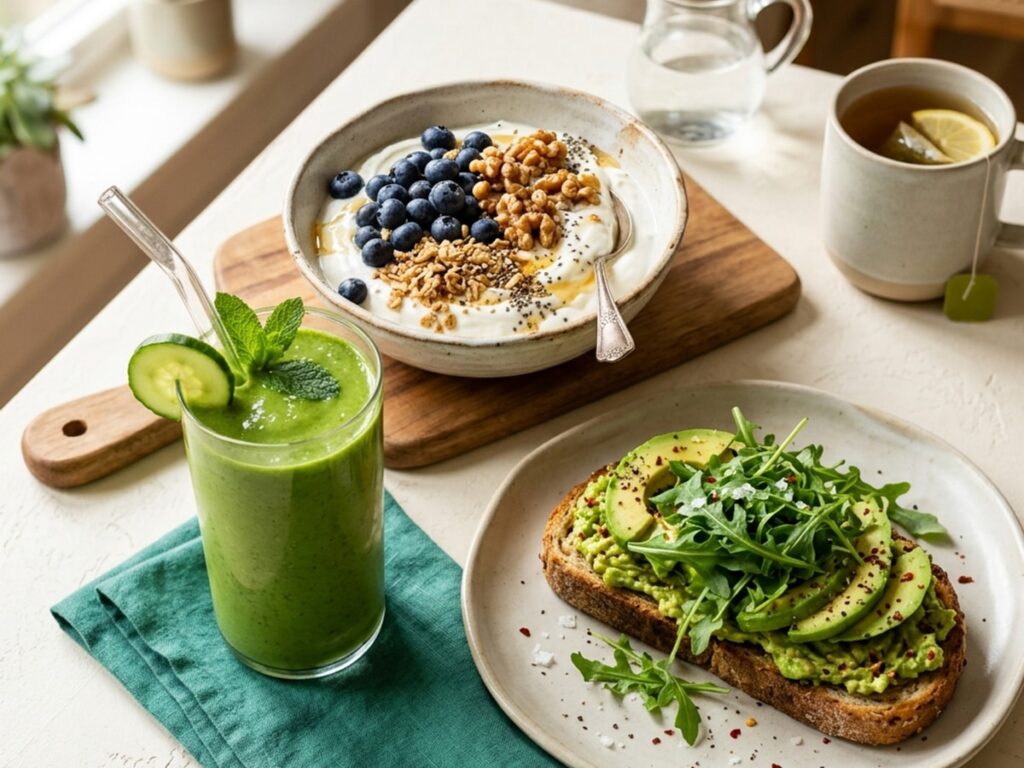
Protein helps stabilize energy by slowing digestion and promoting steadier blood sugar levels. This is why a breakfast with 18–25 g of protein—such as eggs or Greek yogurt—keeps many people full for several hours. For strength, protein provides the amino acids your muscles require after resistance training or even daily chores like lifting groceries. One small but actionable example: adding ¼ cup of almonds (about 7 g protein) to an afternoon snack can help curb hunger until dinner. Modest increases in protein across the day often improve fullness, making it easier to avoid overeating later.
👉 This pairs well with our Simple Habits for Steady All-Day Energy guide if you want the full picture on sustained daily energy.
Top Animal-Based Protein Sources
With that foundation in place, it’s helpful to explore the animal proteins many US shoppers reach for at grocery stores like Kroger, Walmart, or Costco.
Chicken, mutton, and portion-friendly red meats
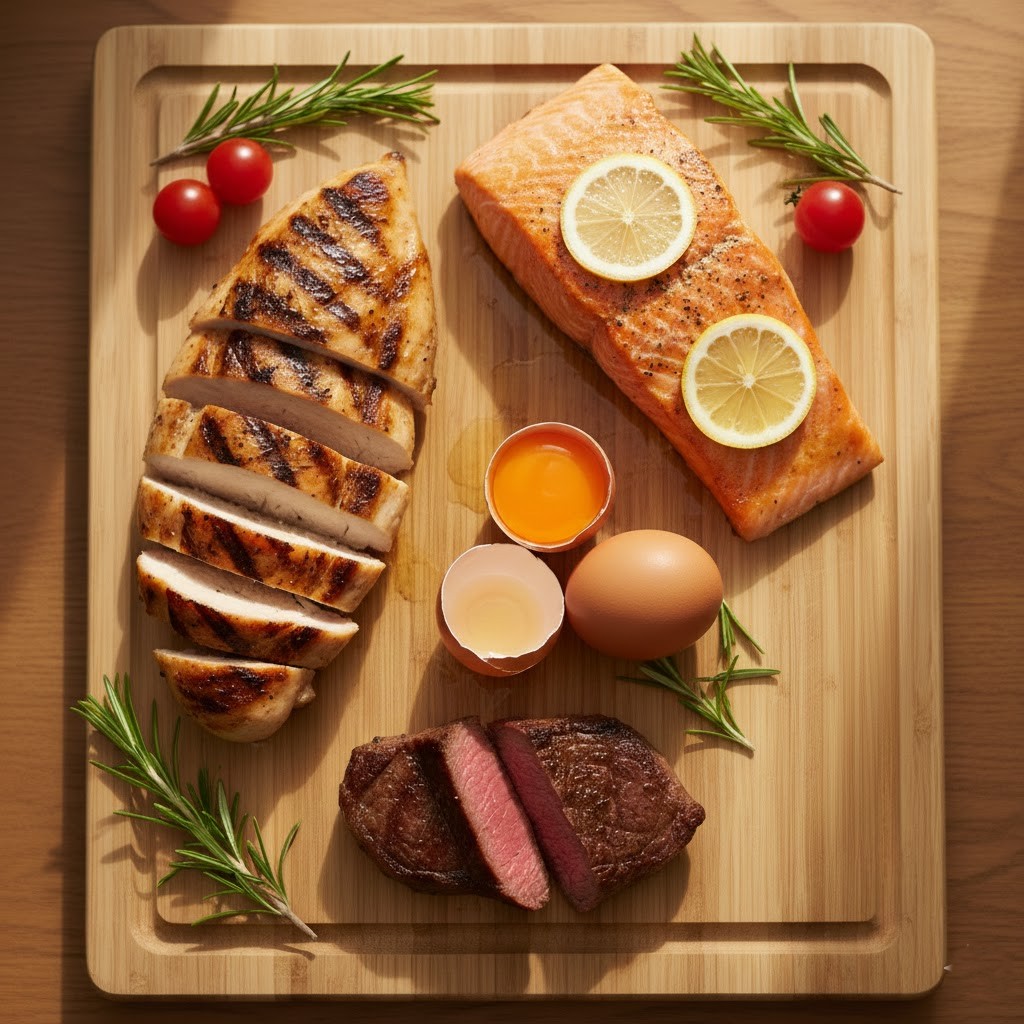
Chicken breast remains one of the most convenient high-protein options, providing about 25 g per 3-oz cooked portion. It’s versatile, budget-friendly, and easy to prepare in bulk for meal-prep. Mutton and other red meats deliver around 20 g per 3-oz serving but also contain more saturated fat. Choosing leaner cuts—such as sirloin or trimmed lamb—helps manage calories. For example, replacing one weekly burger with a grilled 4-oz lean steak can still give you 28–30 g of protein while reducing overall fat. Whether roasting or pan-searing, using a meat thermometer (165°F for poultry; 145°F for whole cuts of red meat) keeps meals both safe and tender.
Eggs and seafood like salmon
Eggs offer around 13 g of protein for two large eggs and are one of the fastest options for breakfast or snacks. Many US households rely on them because they’re inexpensive and cook in minutes. Seafood, especially salmon, delivers about 25 g of protein per 3-oz cooked fillet, along with omega-3 fatty acids. If you’re short on time, a pre-marinated salmon portion from a grocery store can bake at 400°F for about 12–14 minutes. For a simple, high-protein lunch, pair salmon with 1 cup of steamed vegetables or a quick salad. Adding seafood even twice per week helps diversify protein sources and offers more nutrient variety.
Best Plant-Based Protein Sources
Transitioning to plant options, many people are surprised at how satisfying and protein-dense certain plant foods can be—even for those who don’t follow a vegetarian diet.
Legumes such as lentils and chickpeas
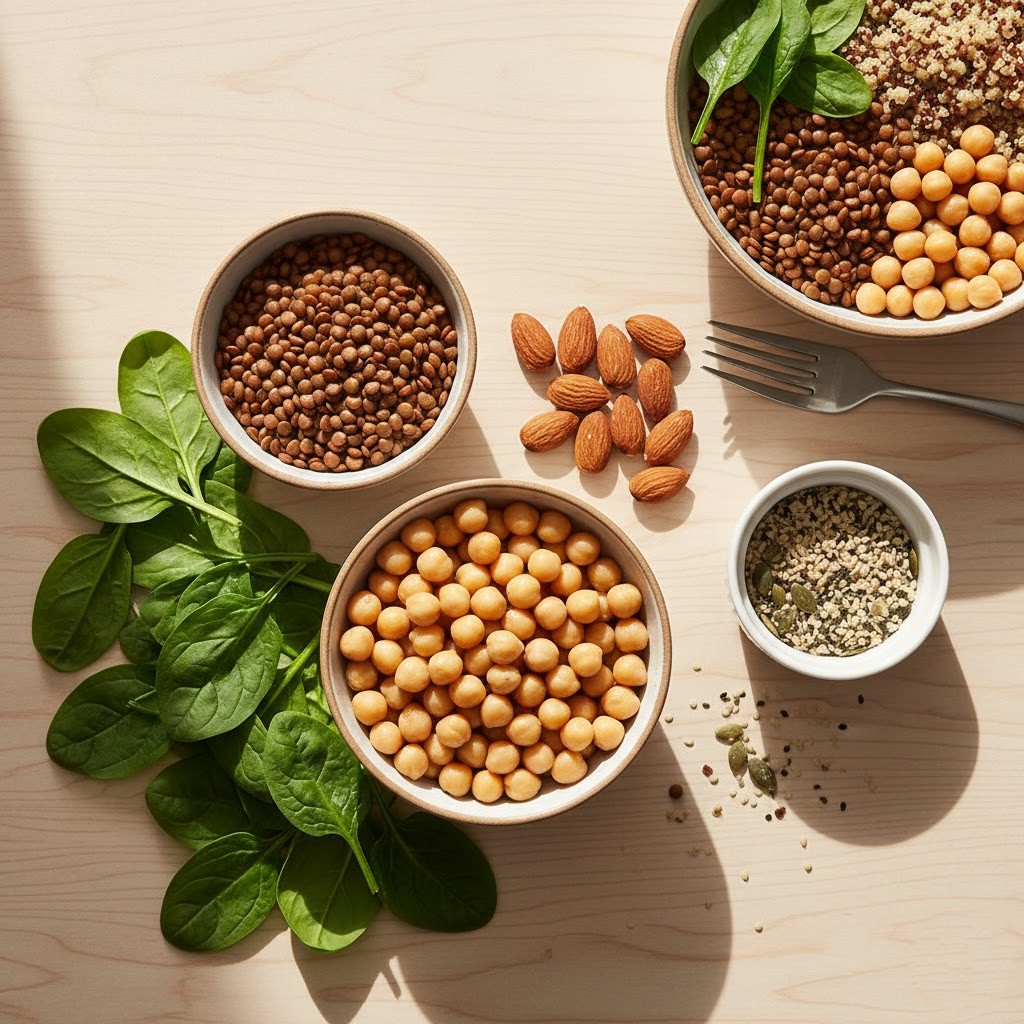
Lentils provide about 9 g of protein per ½-cup cooked portion, making them ideal for soups, salads, and budget-friendly meal prep. Chickpeas pack around 19 g of protein per 1-cup cooked serving and work well in bowls, roasted snacks, or hummus. For example, adding 1 cup of chickpeas to a lunch salad can boost protein intake by nearly 20 g without requiring any meat. Legumes also contain fiber, which helps support fullness. Cooking dry lentils takes only about 20–25 minutes, making them one of the quickest plant proteins available.
Nuts, seeds, and leafy greens
Almonds offer approximately 21 g of protein per ½-cup portion, although they’re calorie-dense, so most people enjoy them in smaller servings. A more typical handful (¼ cup) provides about 7 g of protein along with healthy fats. Spinach includes about 3 g per cooked cup, so while it shouldn’t be your main protein source, it complements higher-protein foods. For instance, combining almonds, chickpeas, and spinach in a grain bowl creates a nutrient-dense plant-based meal with 25–30 g of total protein. Adding seeds like pumpkin seeds or hemp seeds can increase protein and texture with minimal prep.
How to Choose the Right Protein Mix
To wrap up the comparison, it’s helpful to choose protein sources based on your budget, schedule, and taste preferences.
Balancing cost, convenience, and nutrition
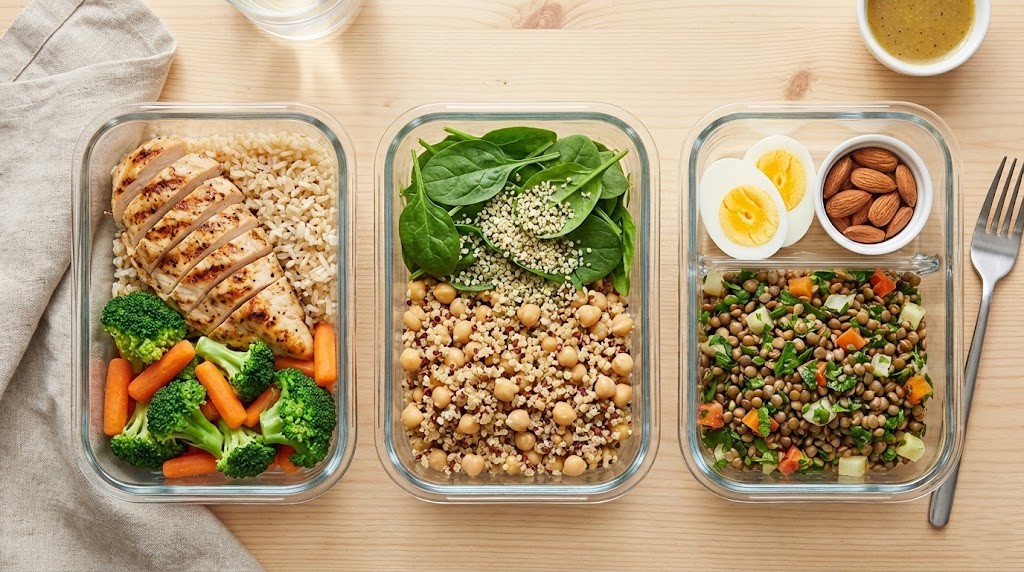
Protein doesn’t have to be expensive or complicated. A can of chickpeas often costs under $1 and provides nearly 20 g of protein. A dozen eggs usually runs $2–$4 in most states and offers six high-protein servings. Chicken breast purchased in bulk can lower the price per pound significantly, making it ideal for families. Think about meals you already enjoy—tacos, salads, stir-fries—and simply swap in protein options that deliver 20–25 g per serving. Preparing a large batch of chicken or lentils at the start of the week keeps meals quick and reduces the temptation of lower-protein convenience foods.
Tips for combining plant proteins for complete amino acids
While animal proteins are naturally complete proteins, plant proteins can be combined to create similar amino acid profiles. A classic example is pairing beans with rice, which together provide all nine essential amino acids. Adding 2 tbsp of hemp seeds (about 6 g protein) to a smoothie or salad increases protein without changing flavor dramatically. Another simple strategy is mixing chickpeas with quinoa—1 cup cooked quinoa adds 8 g of protein. Combining different plant sources across the day ensures you meet protein needs without relying solely on meat. This flexibility is useful for anyone who wants more variety or prefers greener meals.
Tips & Swaps
- Add hemp seeds to smoothies for quick extra protein.
- Swap chicken with salmon twice weekly for variety.
- Use chickpeas in place of croutons for crunchy salads.
- Keep hard-boiled eggs ready for grab-and-go snacks.
- Mix lentils into pasta sauce for more protein.
- Choose bulk nuts at warehouse stores to lower cost.
FAQs
- What’s the easiest high-protein food for busy days?
Eggs and pre-cooked chicken breast are among the easiest for fast meals. Two eggs provide around 13 g of protein in minutes, while pre-cooked chicken strips can add 20–25 g to salads or wraps with almost no prep required. - Are plant proteins enough for people who exercise?
Yes—if you eat a variety of legumes, nuts, seeds, and grains. Combining foods like lentils, quinoa, chickpeas, and almonds throughout the day can easily meet a 60–80 g daily target for most active adults. - Is animal protein better than plant protein?
Neither is universally “better.” Animal proteins are naturally complete, while plant proteins offer fiber and healthy fats. A balanced mix—based on your budget, taste, and dietary preferences—tends to work best for most people. - How can I increase protein without eating more meat?
Add legumes like chickpeas or lentils to meals, snack on almonds or Greek yogurt, and use protein-rich grains like quinoa. Small additions, like 2 tbsp hemp seeds or 1 cup chickpeas, boost protein quickly. - Do high-protein foods help with weight management?
Higher-protein meals often promote fullness, which may help reduce snacking or overeating. For example, eating 20–25 g of protein at breakfast can help maintain steadier energy through the morning.
Want more simple ways to add high-protein foods to everyday meals? Explore our other nutrition guides and discover easy, affordable ideas to keep your diet satisfying and balanced.
Disclaimer: This content is for informational purposes only and is not a substitute for professional medical advice.

About Mike Johnson
We turn solid evidence into everyday habits Americans can actually do—plain English, cups/oz, grocery-aisle swaps, and routines that fit real life. Our editorial process: Experience—we road-test tips in real schedules…