Top Heart-Healthy Foods to Add to Your Diet
A strong heart relies on more than genetics—your daily food choices play a major role in long-term cardiovascular health. Adding...
A strong heart relies on more than genetics—your daily food choices play a major role in long-term cardiovascular health. Adding simple, nutrient-rich foods to your routine can support healthier cholesterol levels, steadier blood pressure, and better overall heart function. This guide focuses on practical, accessible foods found in most US grocery stores and offers clear tips to help you build a heart-healthy diet you can maintain. Below, you’ll learn how these foods work, why they matter, and how to use them in everyday meals.
Why Heart-Healthy Foods Matter
As you work toward a stronger cardiovascular system, it helps to understand how nutrition influences heart health. The foods you choose each day can support your blood vessels, reduce inflammation, and promote steady circulation. This section breaks down the key reasons your diet matters and provides habits you can incorporate right away.
👉 If you’re also working on getting enough protein, our detailed guide on Protein-Rich Foods to Power a Healthy Diet covers exactly what you need.
How Everyday Nutrition Supports Your Heart
Your heart relies on a steady supply of nutrients to function efficiently, and certain foods offer protective benefits. Produce like apples, oranges, tomatoes, carrots, and beets deliver antioxidants that help reduce oxidative stress—a factor linked to cardiovascular strain. For example, one medium apple contains about 4 grams of fiber, which may help support healthy cholesterol levels. Healthy fats from avocados and almonds can contribute to maintaining balanced lipid levels when consumed in moderation. Even dark chocolate with at least 70% cocoa provides flavonoids, which support healthy blood flow. When these items become part of your weekly routine, they form a strong nutritional foundation for long-term heart wellness.
👉 This pairs well with our Vitamin K Foods: Best Sources for Everyday Health guide if you want the full picture on topics related to everyday.
Simple Lifestyle Habits That Strengthen Heart Health
Along with eating the right foods, daily habits make a meaningful difference. Choosing fresh fruits and vegetables at least 3–5 times per day is one simple way to increase your intake of heart-supporting nutrients. Pairing these foods with regular activity, such as 30 minutes of walking most days of the week, helps maintain circulation and supports overall cardiovascular function. Even small adjustments—like swapping a sugary snack for a handful of almonds or including a serving of vegetables at lunch—can add up. Consistency matters more than perfection, and the goal is to create heart-friendly habits that feel realistic and sustainable.
👉 If you’re also working on topics related to benefits, our detailed guide on Nutrient-Rich Nuts & Seeds: Top Health Benefits covers exactly what you need.
The Best Heart-Healthy Foods to Eat
Now that you understand why nutrition matters, the next step is choosing foods that fit easily into your lifestyle. The items below offer a mix of fiber, antioxidants, vitamins, and healthy fats—nutrients known to support a healthy heart without requiring drastic diet changes.
Fruits and Vegetables That Support Cardiovascular Wellness

Colorful produce delivers a wide range of nutrients that play supportive roles in heart health. Tomatoes provide lycopene, an antioxidant studied for its potential ability to help maintain healthy blood vessels. Two medium carrots offer more than 300% of the daily recommended vitamin A, supporting immune and cellular health. Beetroots contain naturally occurring nitrates, which may help support healthy circulation when consumed regularly. Oranges supply vitamin C along with hydration, making them a refreshing choice for snacks. Adding even one extra serving of produce per day—such as sliced apples with breakfast or carrot sticks in the afternoon—can contribute to a more nourishing routine.
Nuts, Healthy Fats, and Dark Chocolate for a Stronger Heart
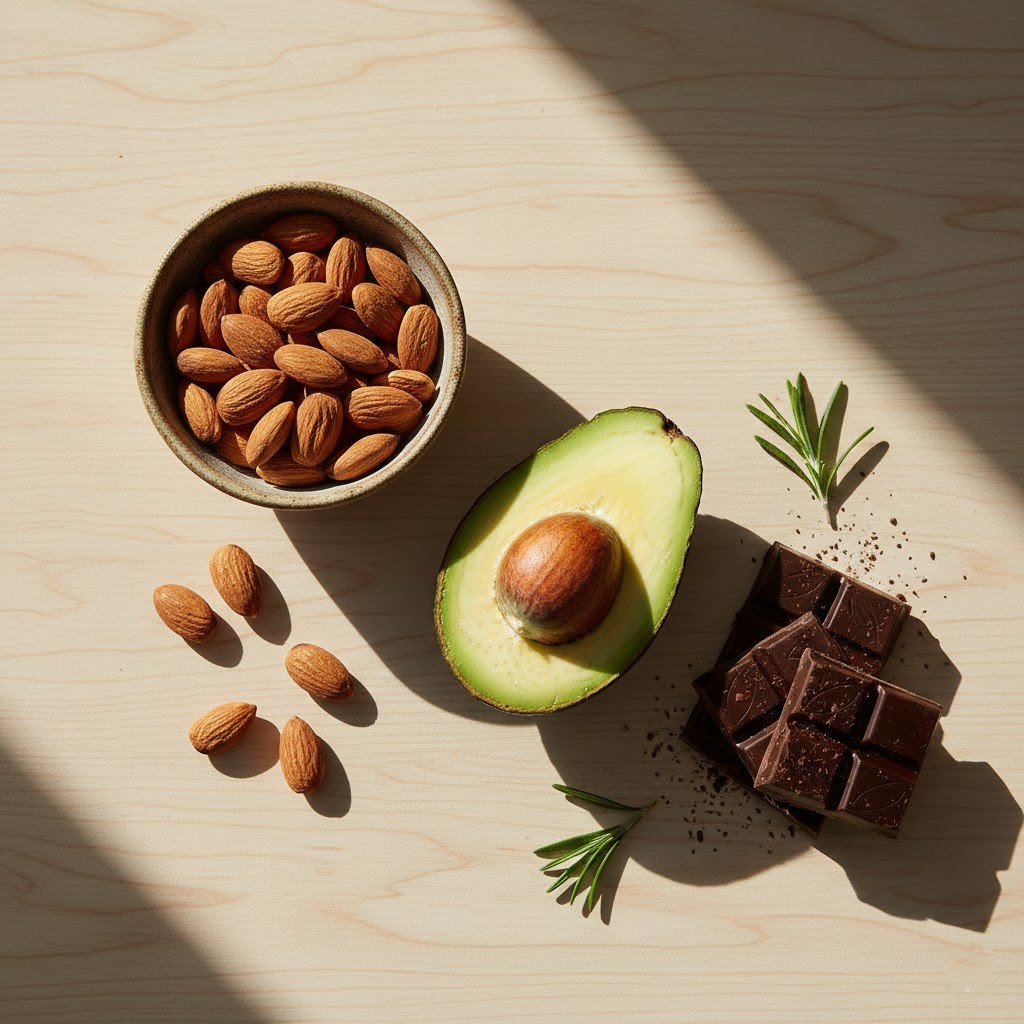
Healthy fats are essential for your cardiovascular system, and certain foods make it easy to add them to your meals. A single ounce of almonds contains roughly 14 grams of healthy fats and 6 grams of protein, offering a filling snack that supports heart-conscious eating. Avocados deliver monounsaturated fats along with potassium, which helps maintain balanced fluid levels in the body. Even dark chocolate, when enjoyed in moderation, can be part of a heart-smart diet. Choosing varieties with at least 70% cocoa provides the highest flavonoid content. These foods can be mixed into salads, used in smoothies, or enjoyed as light snacks to support your daily nutrient intake.
How to Add Heart-Healthy Foods to Your Daily Routine
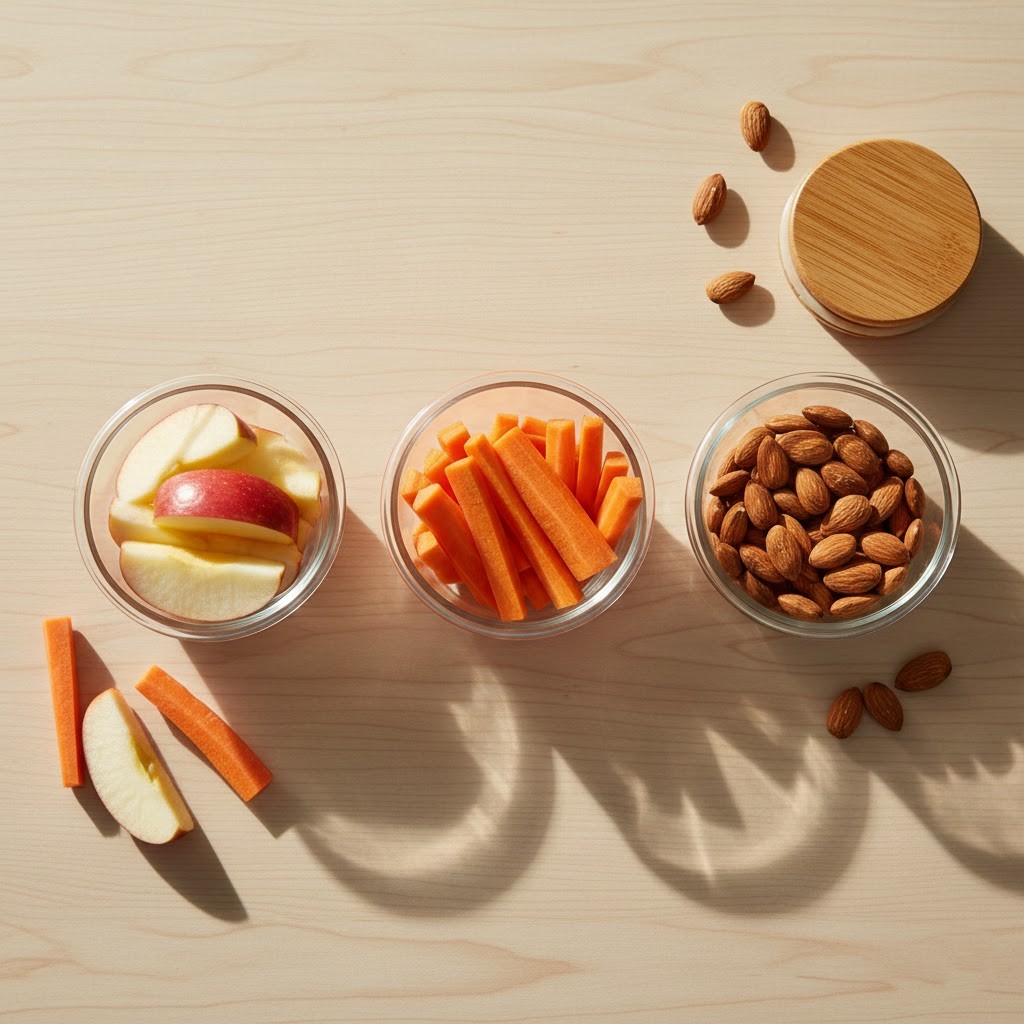
Here’s a quick step-by-step way to begin incorporating these items consistently:
- Add a serving of fruit—such as an apple or orange—to your breakfast.
- Include at least one vegetable, like carrots or tomatoes, at lunch.
- Snack on a small handful (about 1 oz) of almonds in the afternoon.
- Use sliced avocado as a topping for salads, toast, or bowls.
- Add beets (fresh or roasted) to dinner once or twice per week.
- Enjoy one small square of dark chocolate for an evening treat.
Quick Tips & Easy Swaps
- Replace chips with almonds or carrot sticks.
- Use avocado instead of heavy dressings or spreads.
- Add oranges or apples to lunchboxes for a simple nutrient boost.
- Choose dark chocolate over sugary desserts.
- Roast beets and carrots in advance for quick meal prep.
- Keep tomatoes on hand for salads, sandwiches, and snacks.
FAQs
- How many servings of heart-healthy foods should I eat per day?
Aim for at least 3–5 servings of fruits and vegetables each day, plus one serving of healthy fats such as almonds or avocado. These amounts are practical for most adults and fit well within common dietary guidelines. Even small increases can provide supportive benefits over time. - Is dark chocolate actually good for heart health?
Dark chocolate with at least 70% cocoa contains flavonoids that may support healthy circulation. It’s best enjoyed in moderation—about one small square per day. Lower-cocoa varieties contain more sugar and offer fewer benefits, so choose high-quality options when possible. - Can I use canned or frozen produce instead of fresh?
Yes—frozen and canned options (without added salt or sugar) still contain valuable nutrients. Frozen vegetables are especially convenient for quick meals. Just check the label to avoid extra sodium or sweeteners that can undermine heart-friendly choices. - How quickly can heart-healthy foods make a difference?
While results vary, some people notice improved energy or digestion within a few weeks of eating more nutrient-rich foods. Long-term cardiovascular support comes from consistency over months and years, not rapid changes. - Are nuts safe to eat daily for heart health?
Most adults can enjoy nuts in moderation—about 1 oz per day, which equals roughly 23 almonds. This amount provides healthy fats and nutrients without excess calories.
Ready to strengthen your heart through simple, everyday choices? Start by adding just one heart-healthy food to your next meal and feel good about building habits that support long-term wellness.
Disclaimer: This content is for informational purposes only and is not a substitute for professional medical advice.

About Sarah Williams
We turn solid evidence into everyday habits Americans can actually do—plain English, cups/oz, grocery-aisle swaps, and routines that fit real life. Our editorial process: Experience—we road-test tips in real schedules…