Habits Linked to Common Health Issues
Understanding how everyday behaviors influence long-term wellness can make a meaningful difference in managing chronic conditions. Many Americans juggle busy...
Understanding how everyday behaviors influence long-term wellness can make a meaningful difference in managing chronic conditions. Many Americans juggle busy schedules, late meals, long commutes, and stress—factors that often shape habits without us realizing it. This article focuses specifically on the habits to avoid for health, especially when dealing with diabetes, hypertension, migraines, acid reflux, anemia, and asthma. With small, practical changes, you can support better day-to-day comfort and long-term well-being.
How Daily Habits Influence Chronic Conditions
Before exploring specific conditions, it’s important to understand how routine patterns—your eating schedule, environment, and even small daily rituals—can influence health outcomes over time. These patterns often start as conveniences but can gradually become triggers for symptoms.
👉 This pairs well with our Simple Daily Habits for a Healthier Lifestyle guide if you want the full picture on topics related to healthier.
How small habits add up over time
Many chronic conditions respond strongly to consistent patterns. For example, eating late once in a while may not cause issues, but regularly eating heavy meals close to bedtime can affect blood sugar stability and digestion. Studies show that Americans who eat after 9 p.m. at least four times a week tend to experience more glucose variability. The accumulation of small daily choices—extra salt at dinner, skipping breakfast, or lying down after eating—can gradually strain the body. Even if symptoms appear mild at first, noticing early patterns helps prevent them from becoming long-term triggers.
👉 If you’re also working on topics related to popular, our detailed guide on How Long It Takes to Walk Off Popular Snacks covers exactly what you need.
Early signs your routine may be affecting your health
Changes often start subtly. Feeling more tired after meals, waking with headaches, getting heartburn several times a week, or feeling light-headed after drinking tea with food may not seem serious. Yet these signals can point to habits that work against your body’s needs. For instance, if someone with hypertension frequently adds just 1 extra tsp of salt during cooking, it may gradually raise blood pressure readings. Similarly, migraine sufferers who skip meals may notice headache frequency increase within a month. Paying attention to patterns rather than isolated symptoms helps you recognize habits worth improving.
👉 Want to go further? Our complete breakdown of Early Signs of Chronic Kidney Disease You Should Know walks you through kidney health and function step by step.
Habits to Avoid for Specific Health Concerns
Now that we’ve explored how routines impact health, here are key habits linked to common conditions—and practical steps to shift them.
Diabetes — late-night eating
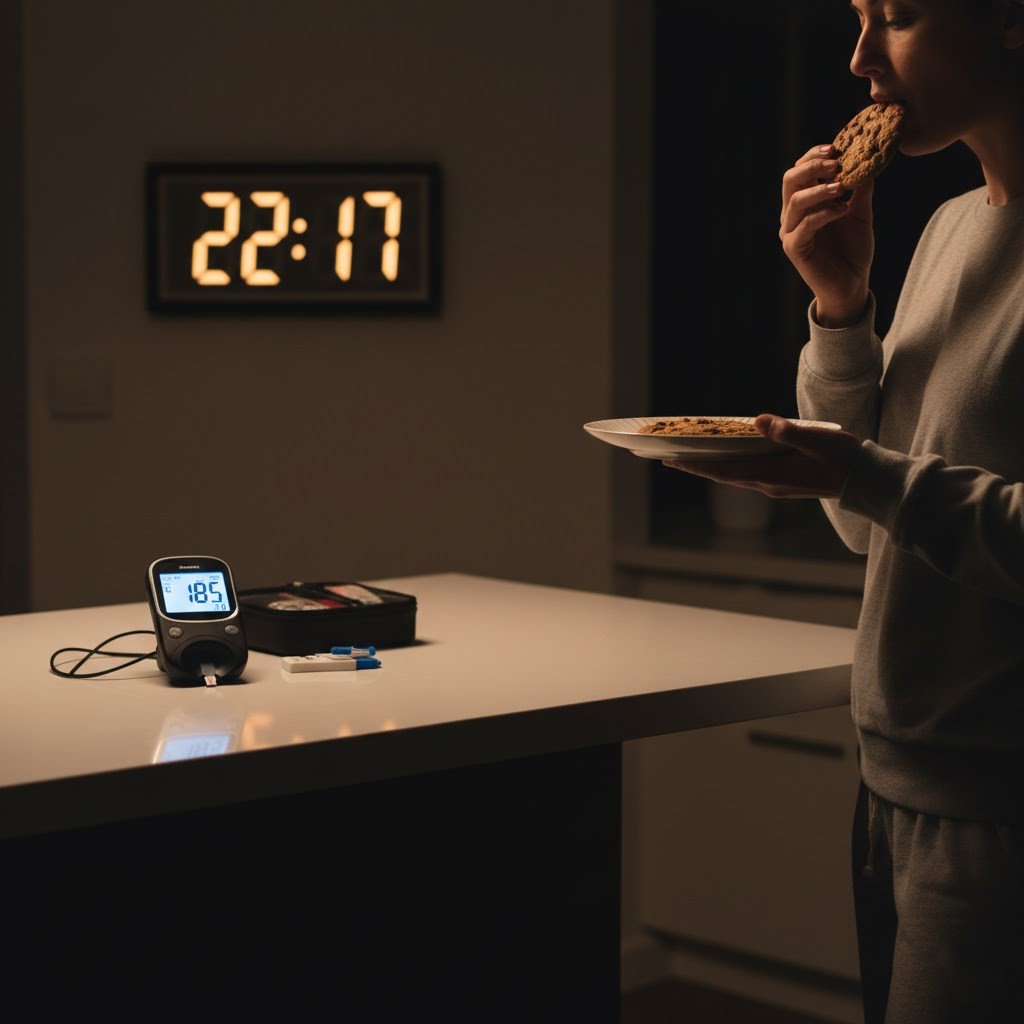
Late-night eating can interfere with overnight blood sugar regulation. When you eat heavy meals after 9 p.m., the body has less time to process glucose before rest. For someone managing diabetes or prediabetes, this can contribute to morning blood sugar spikes. For example, eating a large bowl of pasta or dessert close to bedtime at least three nights a week may increase fasting glucose levels over time. Shifting dinner earlier—and choosing a lighter evening snack if needed—can support steadier overnight metabolism.
Hypertension — high salt intake

Salt is everywhere in the American diet, from canned soups to take-out meals, and even a seemingly small increase can affect blood pressure. Using just ½ tsp extra salt daily can raise sodium intake beyond recommended levels. Many people sprinkle salt out of habit rather than taste. Instead, try flavoring meals with herbs such as rosemary, smoked paprika, garlic powder, or lemon zest. Reading labels can also help—frozen meals and deli meats often contain more sodium than expected, even when portion sizes look small.
Migraine — skipping meals
Migraine sufferers often discover that inconsistent eating schedules trigger headaches. Skipping breakfast or lunch can cause blood sugar dips, which may trigger migraines within hours. For instance, individuals who miss at least two meals per week often report more frequent or severe attacks. Keeping simple snacks—such as a banana, nuts, or yogurt—on hand helps maintain stable energy levels. Even on busy days, eating something small within three to four hours of your last meal can help reduce migraine frequency.
Acid reflux — lying down right after eating
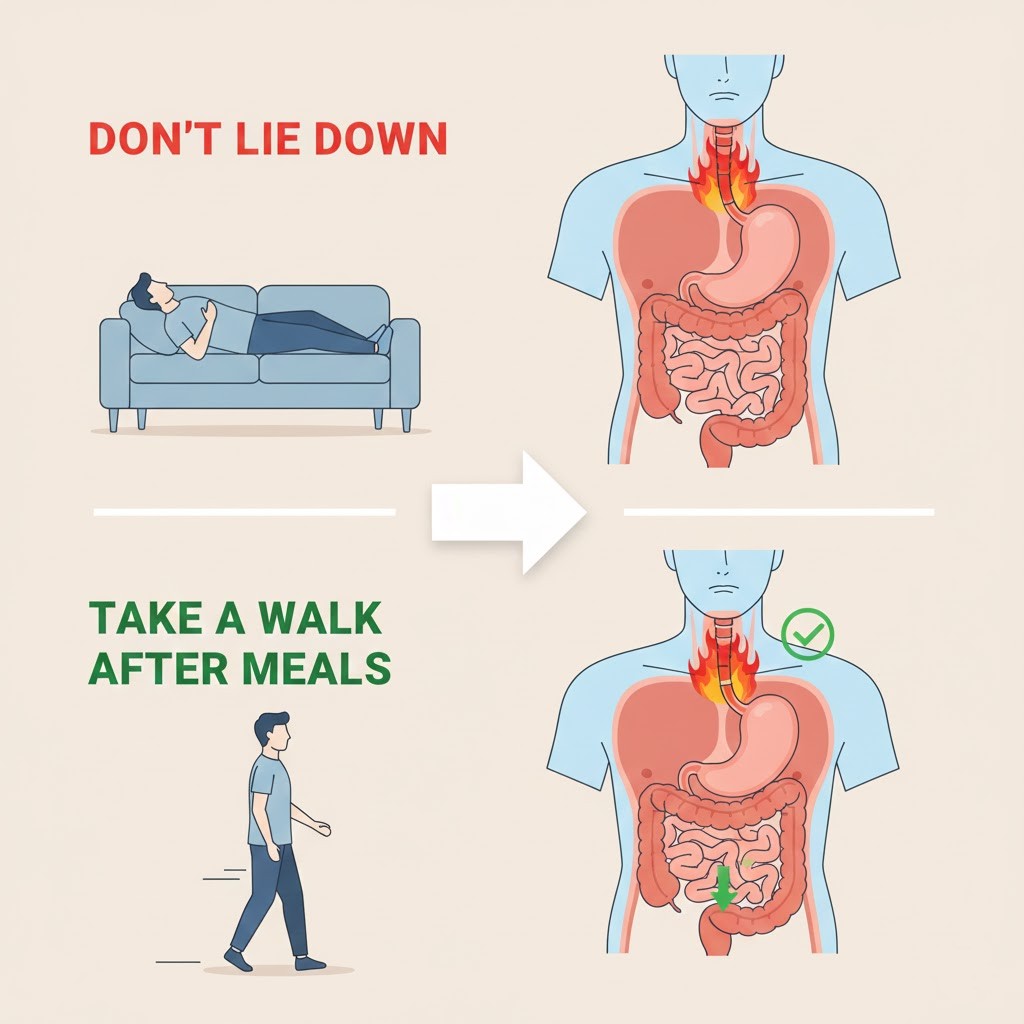
When you lie down too soon after eating, stomach acid has an easier path back toward the esophagus. If you tend to relax on the couch after dinner or lie in bed within 30 minutes of finishing a meal, reflux symptoms may increase. Even reclining slightly can trigger discomfort. Experts generally suggest waiting 2–3 hours after eating before lying down. Taking a light walk after dinner—not power walking, just 10–15 minutes—can also help ease digestion.
Anemia — drinking tea with meals
Tea is healthy, but drinking it with meals may reduce iron absorption because of tannins. For someone already low in iron, pairing tea with breakfast or dinner can make it harder to maintain healthy levels. For example, drinking black tea with a meal every day may reduce iron absorption by as much as 40%. Instead, enjoy tea between meals and pair iron-rich foods with vitamin C sources like oranges, strawberries, or bell peppers.
Asthma — exposure to dusty environments
Dust is a major trigger for many people with asthma. Being in dusty environments—whether a garage, attic, or an unclean bedroom—may cause symptoms to flare. Even dust from fabrics, carpeting, or heating vents can worsen breathing. Cleaning with a mask, using a HEPA filter, and washing bedding weekly in hot water (at least 130°F) can help reduce airborne irritants. If possible, avoid vacuuming or sweeping without proper ventilation or an air purifier running.
Action Steps to Break These Habits
These simple steps help replace harmful habits with supportive ones:
- Eat dinner earlier and keep bedtime snacks light and protein-focused.
- Reduce salt gradually—start by cutting ¼ tsp from recipes.
- Keep easy snacks for migraine prevention when meals are delayed.
- Wait at least two hours after eating before lying down.
- Drink tea between meals instead of during them.
- Minimize dust exposure by using filtration and cleaning regularly.
- Track symptoms weekly to spot patterns improving over time.
- Swap high-sodium convenience foods for low-sodium supermarket options.
Tips & Swaps
- Choose low-sodium broth instead of regular broth.
- Keep a protein bar in your bag to prevent skipped meals.
- Use lemon and herbs to replace salt in recipes.
- Drink herbal tea mid-morning instead of at breakfast.
- Elevate your head when resting after meals.
- Use allergen-reducing bedding for asthma triggers.
FAQs
- Is late-night eating harmful even if I don’t have diabetes?
Yes, it can still affect digestion and sleep quality. Eating late causes your body to work harder overnight and may lead to morning sluggishness. While not dangerous for everyone, it’s better to keep heavier meals earlier in the day and reserve evening snacks for something light and balanced. - How much salt per day is safe for people with hypertension?
Most experts recommend keeping sodium intake under 1,500–2,300 mg daily. This includes salt added while cooking and salt already in packaged foods. Reading labels is key because many frozen and canned foods contain over half your daily limit in a single serving. - Can skipping just one meal trigger a migraine?
For some people, yes. Migraines respond strongly to blood sugar shifts, and even one missed meal can cause symptoms within a few hours. Keeping small snacks on hand helps maintain stability and prevent sudden energy drops. - Why does tea reduce iron absorption?
Tea contains tannins, which bind to iron and make it harder for the body to absorb. This effect is more noticeable for people with low iron stores. Drinking tea between meals—waiting at least one hour after eating—can reduce this impact. - How can I reduce dust exposure if I have asthma?
Start by using HEPA filters, washing bedding weekly in hot water, and dusting surfaces with microfiber cloths. If you must clean dusty areas, wear a mask and ventilate the room. Avoid carpeted spaces when possible.
Want more guidance on building healthier habits? Explore our wellness guides for simple, practical steps you can start using today.
Disclaimer: This content is for informational purposes only and is not a substitute for professional medical advice.

About Mike Johnson
We turn solid evidence into everyday habits Americans can actually do—plain English, cups/oz, grocery-aisle swaps, and routines that fit real life. Our editorial process: Experience—we road-test tips in real schedules…