9 Powerful Gut-Healing Foods to Eat Daily
Maintaining a healthy digestive system starts with what you put on your plate every day. If you struggle with bloating,...
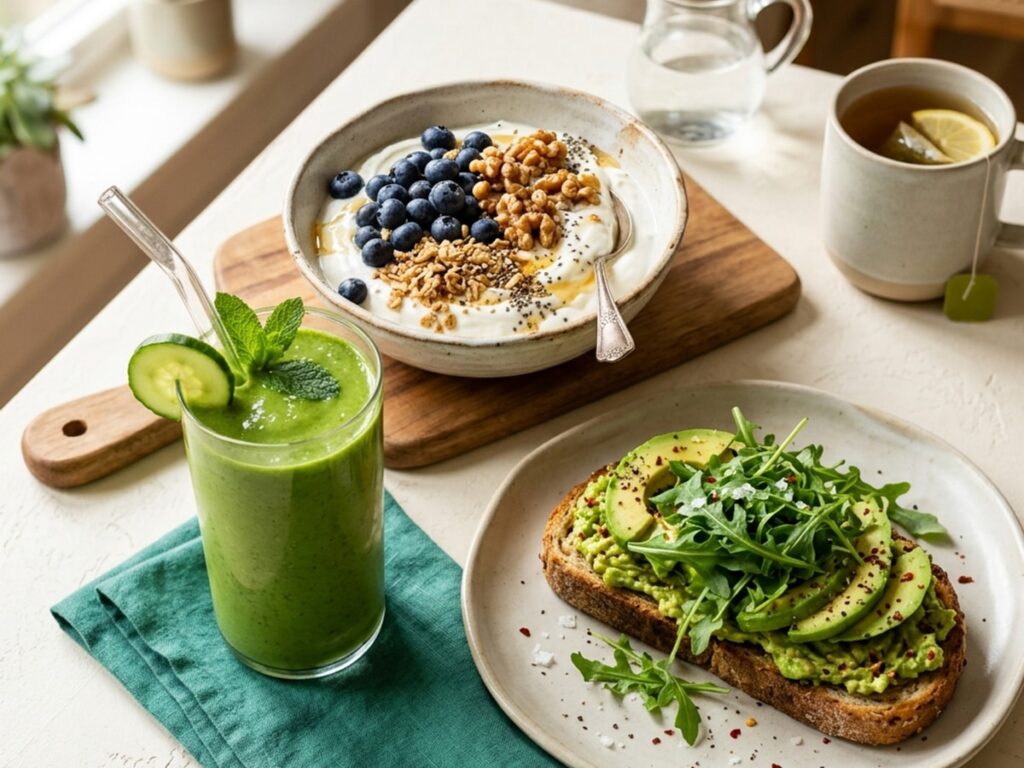
Maintaining a healthy digestive system starts with what you put on your plate every day. If you struggle with bloating, uneven digestion, or low energy, adding specific gut-healing foods to your meals can make a massive difference. Your digestive tract relies on a delicate balance of bacteria, fiber, and nutrients to function smoothly. By prioritizing these nine essential gut-healing foods, you can rebuild your microbiome and soothe inflammation.
Let’s explore the top choices you should stock up on during your next grocery run.
Fermented and Prebiotic Gut-Healing Foods
Building a resilient microbiome begins with fermented and prebiotic gut-healing foods that actively seed and feed the healthy bacteria in your stomach.
Sauerkraut for Probiotics in Gut-Healing Foods
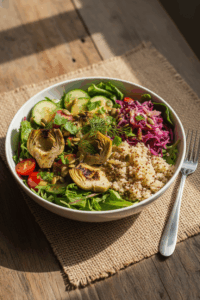
When it comes to gut-healing foods, raw, unpasteurized sauerkraut is a top-tier choice for introducing live probiotics into your system. Just 2 tablespoons (about 1 oz) of high-quality sauerkraut can contain millions of beneficial bacteria strains like Lactobacillus. These strains help balance your gut flora, which can significantly reduce daily bloating and improve nutrient absorption. To get the maximum benefit, look for refrigerated brands at your local US grocery store, as shelf-stable cans are pasteurized and lack live cultures. Adding a small scoop to your lunchtime salad or sandwich is an effortless way to boost your daily probiotic intake.
Artichokes for Prebiotics Among Gut-Healing Foods
While probiotics introduce new bacteria, prebiotic gut-healing foods like artichokes provide the essential fuel those bacteria need to survive and multiply. Artichokes are densely packed with inulin, a powerful prebiotic fiber. Consuming just 1 medium artichoke yields roughly 7 grams of dietary fiber, heavily skewed toward gut-friendly prebiotics. This fiber ferments in your lower intestine, producing short-chain fatty acids that protect your digestive lining. You can easily roast fresh artichoke hearts at 400°F (200°C) with a pinch of sea salt, or toss canned, water-packed varieties into a fresh leafy green salad to support your long-term digestive wellness.
Starchy and Pectin-Rich Gut-Healing Foods
Incorporating starchy and pectin-rich gut-healing foods helps create a soothing, gel-like environment that strengthens and protects your intestinal walls.
Potatoes for Resistant Starch in Gut-Healing Foods
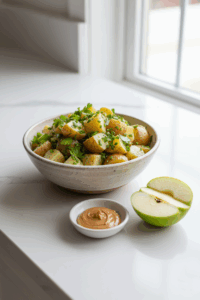
Cooked and cooled potatoes are incredibly effective gut-healing foods due to their high resistant starch content. When you bake a standard Russet potato and leave it in the refrigerator overnight at 40°F (4°C), its starches undergo a chemical change, becoming resistant to normal digestion. Instead of spiking your blood sugar, this starch travels directly to your colon, where it feeds beneficial bacteria. Eating just 1/2 cup of cooled potato salad provides enough resistant starch to help produce butyrate, a compound that actively repairs the gut lining. Keep the skin on for an extra boost of natural fiber.
Green Apples for Pectin in Gut-Healing Foods
Green apples, particularly the Granny Smith variety, stand out among gut-healing foods for their exceptionally high pectin levels. Pectin is a soluble fiber that acts as a gentle broom for your digestive tract. Eating 1 medium green apple daily provides about 4 to 5 grams of fiber, helping to bulk up stool and support regular bowel movements. Research shows that pectin also alters the microbiome by increasing the population of beneficial Bacteroidetes. For a simple snack, slice up a crisp green apple and dip it in 1 tablespoon of raw almond butter to stabilize your afternoon energy.
Protective and Cleansing Gut-Healing Foods
To actively fight off harmful bacteria and reduce internal inflammation, you need protective and cleansing gut-healing foods in your daily routine.
Brussels Sprouts for Sulfur in Gut-Healing Foods
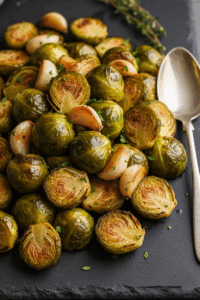
As cruciferous vegetables, Brussels sprouts are indispensable gut-healing foods packed with sulfur-containing compounds called glucosinolates. These unique compounds help your stomach lining resist overgrowth of harmful bacteria like H. pylori. Roasting 1 cup of halved Brussels sprouts delivers roughly 3 grams of vital gut-sweeping fiber and potent antioxidants that lower inflammation. To prepare them perfectly, toss the sprouts in avocado oil and roast them at 425°F (220°C) until they develop a crispy outer char. Incorporating them into your dinner rotation two to three times a week ensures your digestive tract stays resilient and well-protected.
Garlic for Anti-Bacterial Power in Gut-Healing Foods
Garlic is widely celebrated among gut-healing foods for its profound natural anti-bacterial and anti-fungal properties. The active compound, allicin, is released when raw garlic is crushed or chopped, directly targeting and eliminating harmful microbes in the gut without destroying beneficial flora. Using just 2 fresh cloves in your daily cooking can significantly reduce bloating caused by mild bacterial imbalances. For the most potent effects, let your minced garlic sit on the cutting board for 10 minutes before tossing it into a warm skillet. This resting period maximizes the allicin content, ensuring you get the best therapeutic benefits.
Soothing and Restorative Gut-Healing Foods
When your digestive tract feels irritated or inflamed, leaning on soothing and restorative gut-healing foods can provide fast, lasting comfort.
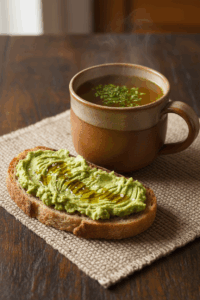
Bone Broth for Collagen in Gut-Healing Foods
Bone broth is arguably one of the most comforting gut-healing foods available, renowned for its rich collagen and amino acid profile. Simmering animal bones creates a liquid dense in glutamine, an amino acid specifically responsible for rebuilding and repairing the intestinal wall. Drinking just 8 oz (1 cup) of warm, high-quality beef or chicken bone broth daily can help seal a leaky gut and dramatically reduce systemic inflammation. You can easily make it at home by simmering leftover bones for 12 to 24 hours, or purchase organic, low-sodium varieties at any standard US grocery store to sip on.
Avocado for Glutathione in Gut-Healing Foods
Rich, creamy avocados are exceptional gut-healing foods that offer a massive dose of the master antioxidant, glutathione. This powerful compound helps protect intestinal cells from oxidative stress and damage. Consuming just 1/2 of a medium Hass avocado provides around 6 grams of easily digestible dietary fiber, alongside heart-healthy monounsaturated fats that lubricate the digestive tract. Whether you mash it onto a slice of sourdough bread or dice it into a 1-cup serving of mixed greens, avocado helps your body absorb fat-soluble vitamins efficiently, making it a crucial daily staple for maintaining a perfectly balanced, irritation-free digestive system.
Essential Fats and Preparation for Gut-Healing Foods
Rounding out your diet with premium fats and smart preparation ensures your body fully absorbs and utilizes these gut-healing foods.
Olive Oil for Polyphenols in Gut-Healing Foods
Extra virgin olive oil serves as a cornerstone of gut-healing foods thanks to its incredibly high concentration of polyphenols. These plant compounds act as premium antioxidants that reduce inflammation specifically within the gastrointestinal tract. Drizzling just 1 tbsp of cold-pressed, extra virgin olive oil over your evening vegetables can actively promote the growth of beneficial Bifidobacteria. Because high heat can destroy these delicate polyphenols, it is best to use your highest quality olive oil as a finishing oil rather than for deep frying. Look for dark glass bottles to ensure the oil remains fresh and unoxidized on your pantry shelf.
Simple Steps to Prepare Gut-Healing Foods
To get the most out of your gut-healing foods, follow these easy preparation steps for your daily meals.
-
Wash fresh produce under cold water to remove field debris. This prevents unwanted bacteria from entering your meals.
-
Roast dense vegetables at 400°F (200°C) to soften tough fibers. This makes them much easier for your body to digest.
-
Cool baked potatoes in the refrigerator overnight. This specific action maximizes the healthy resistant starch content.
-
Chop raw garlic and let it rest for 10 minutes. This pause activates the highly beneficial allicin enzymes.
-
Stir sauerkraut into meals only after they fully cool. High heat will rapidly destroy the live probiotics.
-
Store delicate olive oil in a dark, cool pantry. This maintains the essential polyphenol integrity and prevents spoiling.
Quick Tips & Swaps for Your Routine
-
Mix in variety: Rotate different gut-healing foods weekly to ensure your microbiome receives diverse nutrients.
-
Start low and slow: Introduce fibrous gut-healing foods slowly to prevent sudden gas or bloating.
-
Swap regular potatoes: Try swapping standard white potatoes for purple sweet potatoes for an extra antioxidant boost.
-
Upgrade your broth: Use chicken foot bone broth for the absolute highest natural collagen content available.
-
Choose organic apples: Buy organic green apples whenever possible, as conventional apples often carry heavy pesticide residue.
Frequently Asked Questions About Gut-Healing Foods
How quickly will I notice results from eating gut-healing foods?
Everyone’s microbiome is unique, but many people notice reduced bloating and improved digestion within just three to five days of consistently eating gut-healing foods. For deeper repairs, such as addressing leaky gut or chronic inflammation, it typically takes three to four weeks of a dedicated, nutrient-dense diet.
Can I take a supplement instead of eating gut-healing foods?
While probiotic and collagen supplements can be helpful, whole gut-healing foods provide a complex matrix of fiber, vitamins, and minerals that pills simply cannot replicate. Foods like artichokes and avocados deliver necessary prebiotic fiber alongside hydration, which is vital for long-term digestive health and motility.
Are fermented gut-healing foods safe to eat every day?
Yes, fermented gut-healing foods like sauerkraut are generally safe and highly beneficial for daily consumption. A good starting point is 1 to 2 tablespoons per day. If you have histamine intolerance or a specific yeast overgrowth, consult your doctor before adding large amounts of ferments to your diet.
Do cooked apples still work as gut-healing foods?
Absolutely! While raw green apples are excellent for roughage, cooking them actually makes the pectin easier to digest and more accessible for your gut bacteria. Stewing apples with a sprinkle of cinnamon is a highly recommended, soothing way to enjoy these gut-healing foods on a daily basis.
Ready to transform your digestion? Start by adding just two of these gut-healing foods to your grocery list this week! Share your favorite gut-friendly recipes in the comments below, and let us know how you feel.
Disclaimer: This content is for informational purposes only and is not a substitute for professional medical advice.

About Jane Smith
We turn solid evidence into everyday habits Americans can actually do—plain English, cups/oz, grocery-aisle swaps, and routines that fit real life. Our editorial process: Experience—we road-test tips in real schedules…