Green Foods That Support a Healthy Gut
A healthy gut does more than help you digest food—it supports energy levels, immune function, and overall well-being. For many...
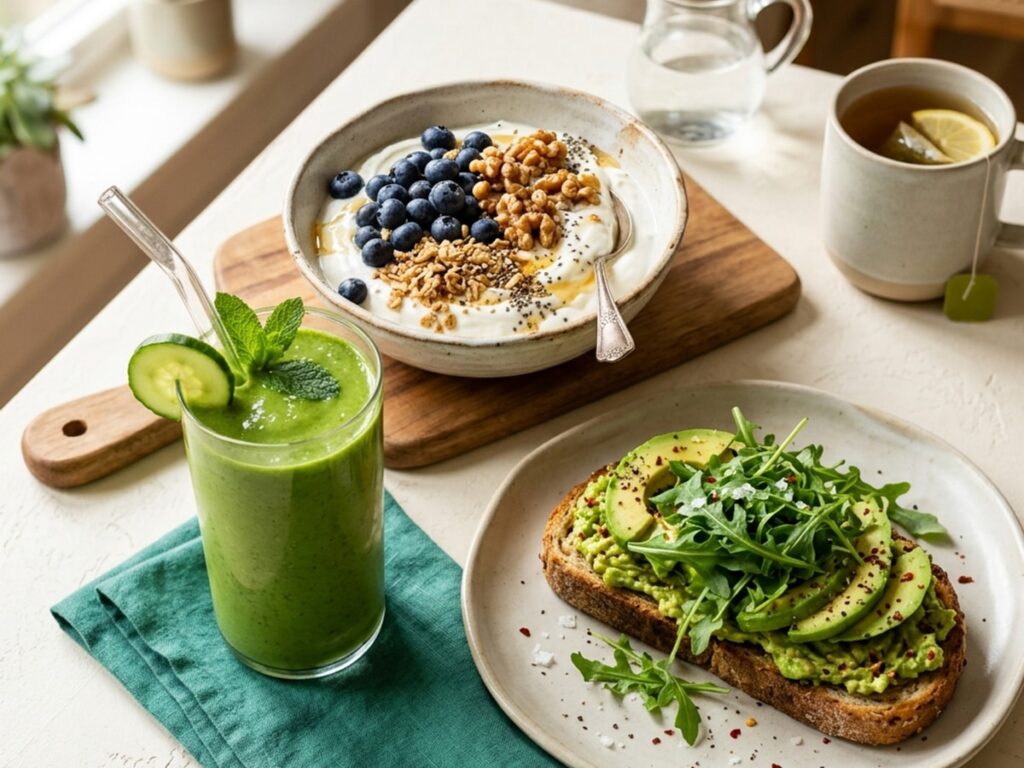
A healthy gut does more than help you digest food—it supports energy levels, immune function, and overall well-being. For many Americans juggling busy schedules, stress, and processed foods, digestion can feel “off” more often than not. The good news? Simple food choices can make a real difference. Green foods, in particular, stand out for their fiber, water content, and plant compounds that gently support digestion. This guide focuses on practical, everyday green foods for gut health that are easy to find in US grocery stores and simple to use at home.
What Gut Health Means for Everyday Wellness
Gut health is often discussed, but it can feel abstract. In practical terms, it’s about how well your digestive system breaks down food, absorbs nutrients, and supports the beneficial bacteria living in your intestines.
👉 If you’re also working on topics related to everyday, our detailed guide on Vitamin K Foods: Best Sources for Everyday Health covers exactly what you need.
Digestion, Energy, and Immune Support
Your gut processes everything you eat and drink, so its condition directly affects daily comfort and energy. When digestion works smoothly, nutrients like iron, B vitamins, and magnesium are absorbed more efficiently, helping reduce fatigue. Around 70% of the immune system is connected to the gut, which is why frequent digestive upset can coincide with getting sick more often. For example, consistently eating 25–30 grams of fiber per day (the general US recommendation) supports regular bowel movements and a more balanced gut environment.
👉 This pairs well with our Liver-Cleansing Foods That Support Everyday Health guide if you want the full picture on liver health and detox.
Signs Your Gut May Need Support
Common signs include bloating after meals, irregular bowel movements (fewer than three per week or more than three per day), and frequent gas. These don’t usually signal serious illness, but they can indicate that your gut needs more fiber, water, or variety. Adding just one extra cup of vegetables per day—such as spinach in a smoothie or broccoli at dinner—can noticeably improve digestion within 1–2 weeks for many people.
👉 If you’re also working on topics related to everyday, our detailed guide on Everyday Foods With Powerful Wellness Benefits covers exactly what you need.
Why Green Foods Are Good for Your Gut
Green foods earn their reputation because they combine several gut-supportive qualities in one package. They’re not a cure-all, but they’re a strong foundation.
Fiber, Water Content, and Plant Compounds
Most green vegetables and fruits provide dietary fiber, which feeds beneficial gut bacteria. Many are also high in water—cucumbers are about 95% water—helping soften stool and support regularity. Green plants also contain phytonutrients like chlorophyll and polyphenols. These compounds support normal digestive processes and help maintain a balanced gut environment. For example, one cup of cooked broccoli contains about 5 grams of fiber, roughly 20% of the daily value.
Prebiotics vs. Probiotics (Simple Explanation)
Probiotics are live beneficial bacteria, while prebiotics are fibers that feed those bacteria. Many green foods act as prebiotics. A medium green apple provides around 4 grams of fiber, including pectin, a prebiotic fiber linked to better stool consistency. Unlike supplements, whole foods deliver these fibers gradually, which is often gentler on digestion for people with sensitive stomachs.
The Best Green Foods for Gut Health
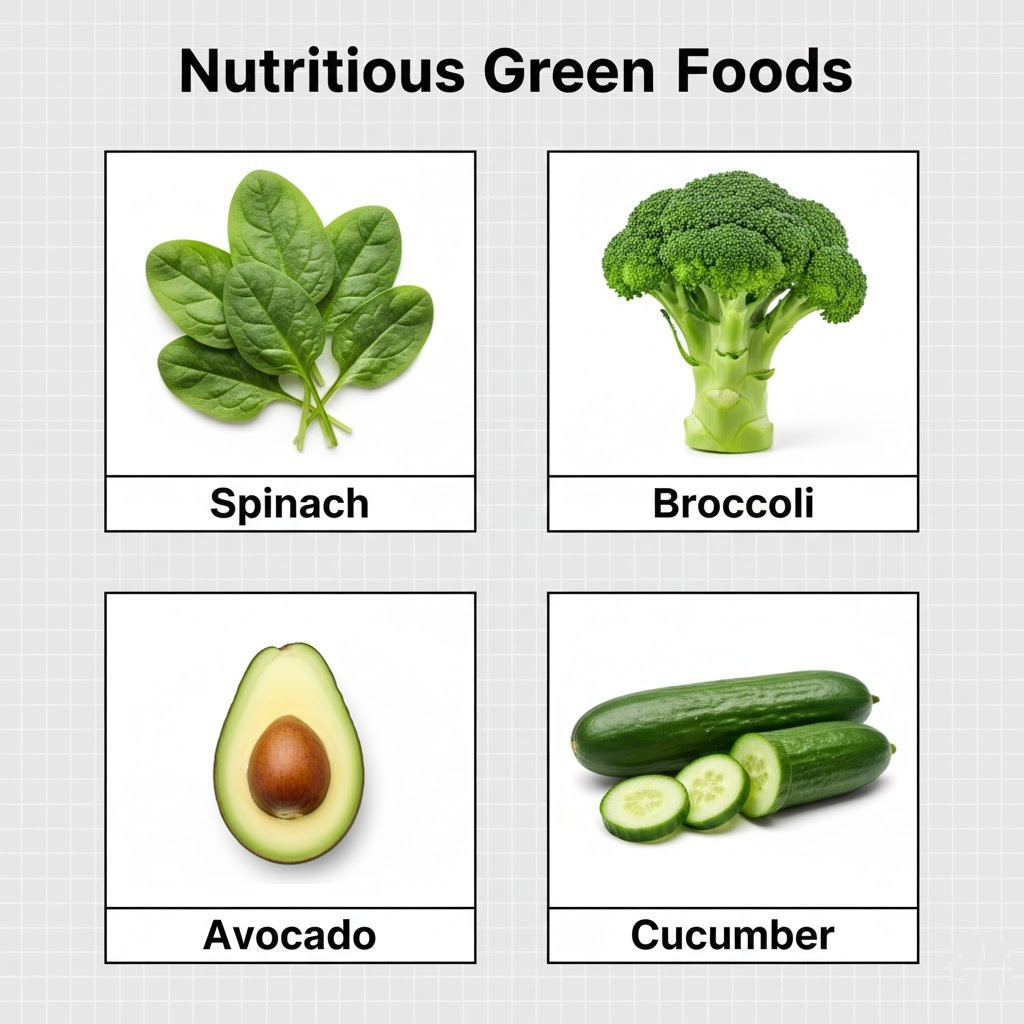
With the basics covered, let’s look at specific green foods for gut health and how they support digestion in everyday ways.
Cucumber and Spinach: Gentle and Hydrating Choices
Cucumbers are one of the easiest foods on the digestive system. With minimal fiber but high water content, they help hydrate the gut lining. Adding ½ to 1 cup of sliced cucumber to lunch salads or snacks can reduce feelings of heaviness after meals. Spinach, on the other hand, offers more fiber—about 4 grams per cooked cup—and provides magnesium, which supports normal muscle function in the digestive tract. Lightly sautéing spinach for 2–3 minutes often makes it easier to tolerate than eating it raw.
Green Apples and Avocados: Fiber With Benefits
Green apples are well known for their crisp texture and prebiotic fiber. Eating one medium apple with the skin provides about 15% of your daily fiber needs. Avocados add both soluble and insoluble fiber—roughly 10 grams per half fruit—plus healthy fats that slow digestion in a helpful way. This combination can promote steady digestion and reduce sudden blood sugar spikes after meals.
How to Eat More Green Foods Without Digestive Stress
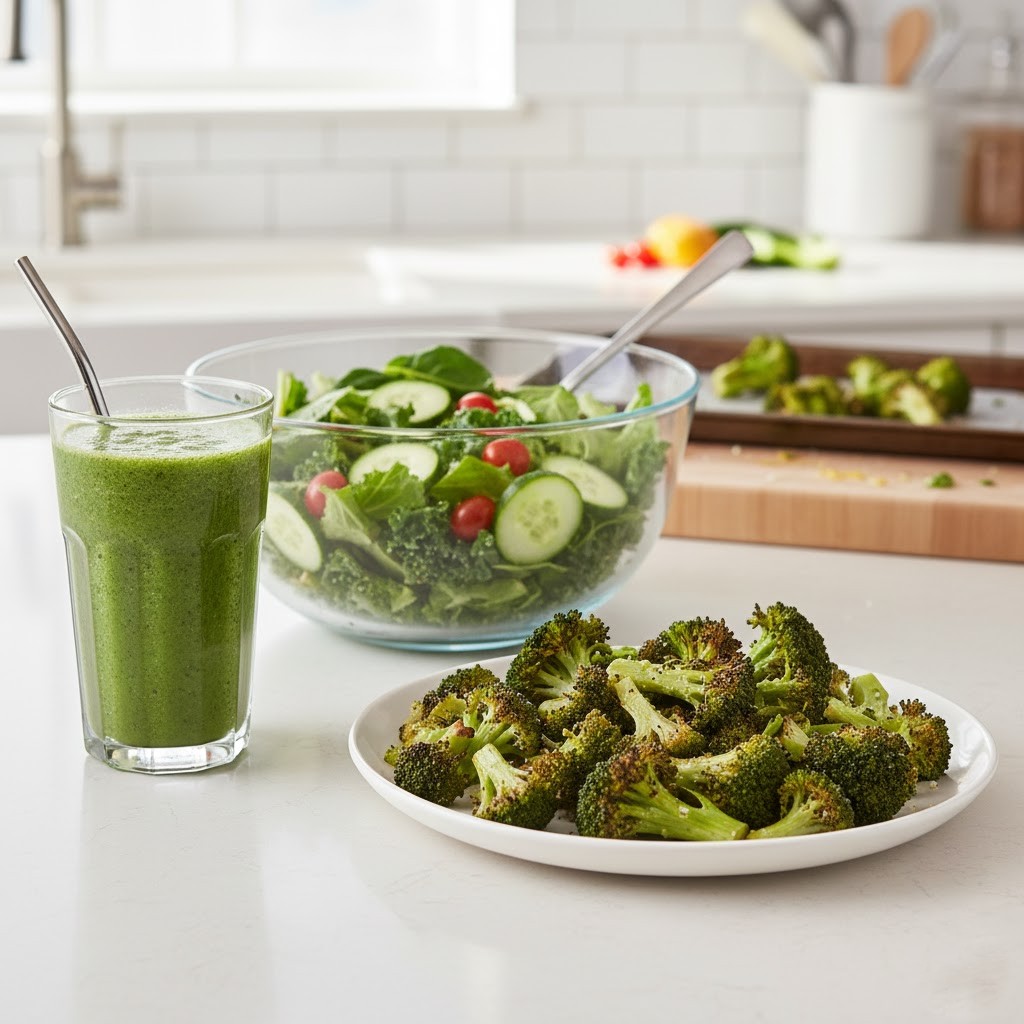
Adding green foods is helpful, but how you eat them matters just as much as what you eat.
Fennel and Broccoli: Supporting Comfort and Balance
Fennel has long been used to ease gas and cramping. One cup of sliced fennel bulb contains about 3 grams of fiber and natural compounds that support digestive comfort. Roasting fennel at 400°F for 20–25 minutes softens its texture and mild licorice flavor. Broccoli is richer in fiber and sulfur-containing compounds, which support normal detox pathways. If raw broccoli causes bloating, start with ½ cup cooked and increase gradually over 7–10 days.
Simple Daily Meal Ideas
You don’t need a complete diet overhaul. Small changes add up. For example, blend spinach, cucumber, and ½ green apple into a smoothie once a day, or add roasted broccoli to two dinners per week. Aim for at least 2 cups of green vegetables daily, spread across meals, to avoid overwhelming your system.
Tips & swaps:
- Steam veggies instead of eating them raw if you’re sensitive
- Start with ½-cup portions and increase weekly
- Pair fiber-rich foods with protein or fat
- Drink at least 6–8 cups of water daily
- Rotate greens to avoid monotony
- Use olive oil or avocado oil for cooking
- Chew slowly to reduce swallowed air
Tips for People With Sensitive Digestion
If your stomach tends to react quickly, a slower, more intentional approach helps.
Portion Sizes and Cooking Methods
Large portions of raw greens can trigger bloating for some people. Cooking breaks down tough fibers, making vegetables easier to digest. For example, lightly steaming broccoli for 5 minutes can reduce gas compared to eating it raw. Start with ½ cup servings and wait 24 hours before increasing. This gives your gut bacteria time to adapt.
Timing and Consistency Matter
Eating green foods earlier in the day often works better than late at night, when digestion naturally slows. Consistency matters more than quantity—having spinach or avocado 4–5 days per week is more helpful than eating a large amount once. Keeping a simple food journal for one week can help identify which green foods feel best for your body.
Frequently Asked Questions
- Are green foods good for gut health every day?
Yes, most people benefit from eating green foods daily. Aim for variety and moderate portions. Eating 1–2 cups per day supports fiber intake without overwhelming digestion, especially when cooked. - Can green foods cause bloating at first?
They can, particularly if your diet was previously low in fiber. This is usually temporary and improves within 1–2 weeks. Start small and increase gradually. - Are smoothies better than whole vegetables?
Smoothies can be easier to digest because the fiber is partially broken down. However, whole vegetables encourage chewing, which also supports digestion. A mix of both works well. - Do I need organic green foods for gut health?
Organic isn’t required. Washing conventional produce thoroughly removes most residues. Focus on eating enough vegetables consistently rather than stressing about organic labels. - How long before I notice digestive benefits?
Many people notice improvements in regularity or bloating within 7–14 days when adding green foods consistently and drinking enough water.
Start simple this week: add one green food to one meal per day. Whether it’s spinach in a smoothie or broccoli at dinner, small, consistent choices can support better digestion over time.
Disclaimer: This content is for informational purposes only and is not a substitute for professional medical advice.

About Sarah Williams
We turn solid evidence into everyday habits Americans can actually do—plain English, cups/oz, grocery-aisle swaps, and routines that fit real life. Our editorial process: Experience—we road-test tips in real schedules…