Everyday Foods That Help Your Liver, Brain, Heart & More
Eating well doesn’t have to be complicated. Many everyday foods offer natural support for different parts of the body, and...
Eating well doesn’t have to be complicated. Many everyday foods offer natural support for different parts of the body, and understanding how they help can make grocery shopping and meal planning easier. This article explores how familiar items like beets, walnuts, tomatoes, pomegranates, and pineapple provide nutrients that align with the idea that food is medicine. While these foods aren’t cures or treatments, they can complement a balanced diet and support overall wellness in practical, enjoyable ways.
How Everyday Foods Support Your Body
A helpful way to think about nutrition is to see how different foods deliver nutrients your body can use daily. This section builds the foundation for understanding why certain foods are commonly linked to specific organs or functions.
👉 If you’re also working on topics related to naturally, our detailed guide on How Foods Support Your Body Naturally covers exactly what you need.
What “Food Is Medicine” Means for Modern Wellness
The phrase “food is medicine” has become popular across the US because people want natural ways to support their health. It simply means that whole foods contain nutrients your body can use to function well—nothing more extreme than that. For example, beets provide nitrates that may support healthy blood flow, while walnuts contain omega-3s that the brain relies on. Including these foods regularly—even 2–3 times per week—can add valuable vitamins, minerals, and antioxidants to meals you already enjoy.
This approach works especially well for busy households. Instead of adopting restrictive plans, most people can benefit from adding nutrient-dense foods to everyday dishes. Whether you’re cooking at home, packing lunch, or choosing snacks, selecting whole foods gives your body more of what it needs without major lifestyle changes.
👉 If you’re also working on topics related to everyday, our detailed guide on Food Is Medicine: Everyday Healing Foods covers exactly what you need.
Why Whole Foods Offer Natural Nutrients Americans Need
Whole foods deliver a wide variety of nutrients in amounts your body can absorb naturally. For example, one cup of fresh tomatoes offers about 20 mg of lycopene, while a handful of walnuts can provide roughly 2.5 g of omega-3 fats. These numbers add up in meaningful ways over a week.
Many Americans rely heavily on processed snacks, but swapping even one daily snack for fruit, nuts, or vegetables can make a noticeable difference over time. Whole foods also tend to be more filling due to their fiber and water content, which helps prevent overeating and supports steady energy levels—especially helpful for busy schedules and desk jobs.
👉 For a deeper dive into topics related to natural, check out: Natural Foods to Gently Support a Full Body Cleanse — it’s packed with practical tips.
Foods and the Body Parts They Help
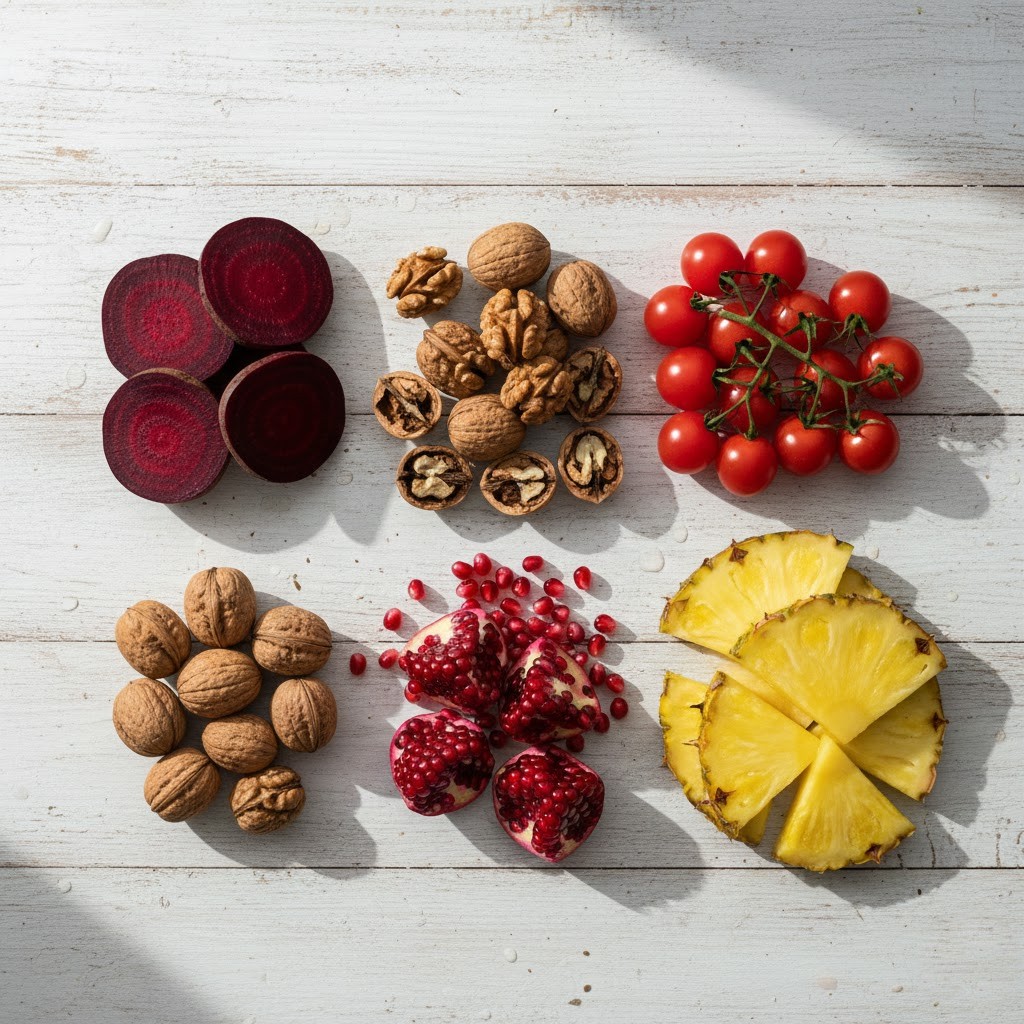
Now that we’ve covered the basics, let’s explore how specific foods commonly support different organs. Each example includes simple explanations based on their nutrient profiles.
-
Beets for Liver Support
Beets are often associated with liver health because they contain antioxidants, including betalains, which may help support natural detox processes. One cup of cooked beets provides roughly 3.8 g of fiber, giving your body additional digestive support. Many people enjoy beets roasted at 400°F with olive oil, which brings out their natural sweetness.
For Americans looking to add beets regularly, precooked options from grocery stores can make the process simpler. Adding beets to salads, grain bowls, or smoothies even twice a week can boost your intake of their beneficial compounds without much prep work.
-
Walnuts for Brain Health
Walnuts have a shape that resembles the brain, but what matters most is their nutrient content. A one-ounce serving contains about 2.5 g of ALA omega-3 fatty acids, which are important for brain function. They also provide vitamin E and polyphenols that may help protect cells from oxidative stress.
You can easily add walnuts to oatmeal, salads, or yogurt. Even replacing one processed snack per day with a small handful can provide a steady source of healthy fats. Many US families also keep resealable walnut bags on hand because they stay fresh and are simple to portion out.
-
Tomatoes for Heart Wellness
Tomatoes offer lycopene, an antioxidant often linked to heart wellness. A medium tomato contains around 1.5 g of fiber and vitamins like C and K. Cooking tomatoes—such as in pasta sauces—actually increases lycopene availability, making it easy to benefit from dishes you already love.
For people who eat out or cook quick meals, canned tomatoes are a convenient and affordable option. A single 1/2-cup serving can provide more lycopene than a fresh tomato. Adding tomatoes to sandwiches, salads, or weekly pasta dinners is a practical way to support heart health.
-
Pomegranates for Healthy Circulation
Pomegranates are known for their polyphenols, particularly punicalagins, which have been studied for their antioxidant effects. One 1/2-cup serving of pomegranate arils provides about 72 calories and more than 10 mg of vitamin C. Their vibrant color is a sign of their rich nutrient content.
Since fresh pomegranates can be time-consuming to prepare, many US grocery stores carry ready-to-eat arils. Mixing them into salads or yogurt bowls adds both flavor and texture. Even enjoying pomegranate juice—just 4–6 oz at a time—can provide many of the same benefits.
-
Pineapple for Joint Comfort
Pineapple contains bromelain, an enzyme often associated with reduced swelling and joint comfort. While it isn’t a treatment, bromelain may help the body manage inflammation more effectively. One cup of fresh pineapple offers around 80 mg of vitamin C, which also supports connective tissue.
Pre-cut pineapple cups available at most US grocery chains make it easy to add this fruit to your weekly routine. It pairs well with cottage cheese, smoothies, or even grilled dishes. Many people find that eating pineapple 2–3 times per week is a refreshing and convenient addition.
Simple Ways to Add These Foods to Your Routine

Transitioning from knowledge to daily habits is key. These ideas help you incorporate these foods without adding complexity to your week.
Easy Meal and Snack Ideas
A few simple swaps can add these nutrient-dense foods into meals you already enjoy. For example, tossing walnuts into a morning bowl of oatmeal takes less than 30 seconds and adds healthy fats. Adding roasted beets to store-bought salad mixes provides color and extra fiber. Using canned tomatoes in a quick 20-minute simmer sauce for pasta boosts lycopene effortlessly.
Busy families can also prepare pineapple snack cups ahead of time, portioning them into small containers for lunchboxes. Pomegranate arils sprinkled on top of yogurt can make breakfast feel more energizing and colorful. These small habits build consistency—and consistency is what supports long-term wellness.
Grocery Tips for Busy Households
American households often juggle tight schedules, so efficiency matters. Buying pre-prepped beets, chopped pineapple, or ready-to-eat pomegranate arils drastically reduces prep time. Choosing walnuts in bulk can save money, especially when storing them in the freezer to extend freshness.
Canned tomatoes are among the most budget-friendly pantry staples, typically costing under $2 per can. Keeping a few varieties—crushed, diced, and whole—makes it easy to add tomatoes to soups, stews, and sauces. Adding even one extra serving of produce per day can make your diet more nutrient-rich without major changes.
Safety Notes and When to Talk to a Professional

It’s always wise to be mindful of how foods interact with your body. This section covers practical safety notes for US readers.
Allergies, Interactions, and Moderation
Most whole foods are safe for many people, but allergies should always be taken seriously—especially tree nuts like walnuts. People taking blood thinners should be cautious with pomegranate juice due to potential interactions. Pineapple’s acidity may cause discomfort for those with sensitive stomachs. Moderation matters; even nutrient-rich foods shouldn’t replace balanced meals or medical treatment.
If you’re unsure how certain foods fit into your overall health plan, consider speaking with a registered dietitian. They can help tailor natural-food choices to your lifestyle, medical needs, and wellness goals.
How to Make Informed Wellness Choices
When adding foods for specific benefits, focus on consistency rather than quantity. Eating tomatoes once per month isn’t as helpful as including them a few times per week. For best results, pair these foods with a variety of other fruits, vegetables, lean proteins, and whole grains. This creates a nutrient-rich environment that supports overall wellness.
Remember that no single food will dramatically change your health on its own. Instead, think of these foods as tools that work alongside good sleep, movement, and regular checkups. Small steps—like adding walnuts to lunch or enjoying pineapple as a snack—can build meaningful habits over time.
FAQs
- How often should I eat these foods to see benefits?
There’s no exact rule, but eating each of these foods 2–3 times per week is a practical goal. The key is consistency. Regular intake helps your body access nutrients like fiber, antioxidants, and healthy fats that support different organs. Small, frequent servings are more effective than occasional large portions. - Are canned or frozen options as good as fresh?
Yes—many canned and frozen fruits and vegetables retain most of their nutrients. For example, canned tomatoes often contain more available lycopene than fresh versions. Frozen pineapple and pomegranate arils are convenient and affordable choices for busy US households. - Can children eat these foods too?
Generally, yes. Most of these foods are kid-friendly when prepared in appealing ways, like adding pineapple to smoothies or tomatoes to pasta. Children with allergies—especially to walnuts—should avoid those foods. When in doubt, consult a pediatrician for personalized guidance. - Do these foods replace medical treatments?
No. While these foods can support wellness, they are not substitutes for medications or doctor-recommended treatments. Think of them as complementary additions that may enhance everyday nutrition rather than solutions for medical conditions. - How do I choose the best options at the grocery store?
Look for vibrant colors, firm textures, and minimal added sugars. Pre-prepped produce can be helpful if you’re short on time. Buying walnuts in bulk and storing them properly can keep them fresh for months, saving both time and money.
Tips & Swaps
- Add walnuts to oatmeal instead of flavored granola.
- Use canned tomatoes in quick weeknight dinners.
- Choose pre-cut pineapple for easy snacking.
- Add pomegranate arils to salads for extra color.
- Roast beets in batches for meal prep.
- Freeze walnuts to keep them fresh longer.
Ready to build healthier meals? Start by adding one of these foods to your weekly routine and notice how simple changes can support your overall wellness.
Disclaimer: This content is for informational purposes only and is not a substitute for professional medical advice.

About Sarah Williams
We turn solid evidence into everyday habits Americans can actually do—plain English, cups/oz, grocery-aisle swaps, and routines that fit real life. Our editorial process: Experience—we road-test tips in real schedules…