Foods for Gut Health: Heal Your Gut Naturally
Your digestive system does far more than break down food—it influences energy, immunity, and even mood. When people talk about...
- Food as Medicine and Why Foods for Gut Health Matter
- Foods That Damage Your Digestive System
- Healing Foods for Gut Health and Digestive Support
- Simple Steps to Add Foods for Gut Health Daily
- Building Long-Term Habits with Foods for Gut Health
- FAQs About Foods for Gut Health
- Start Using Food as Medicine Today
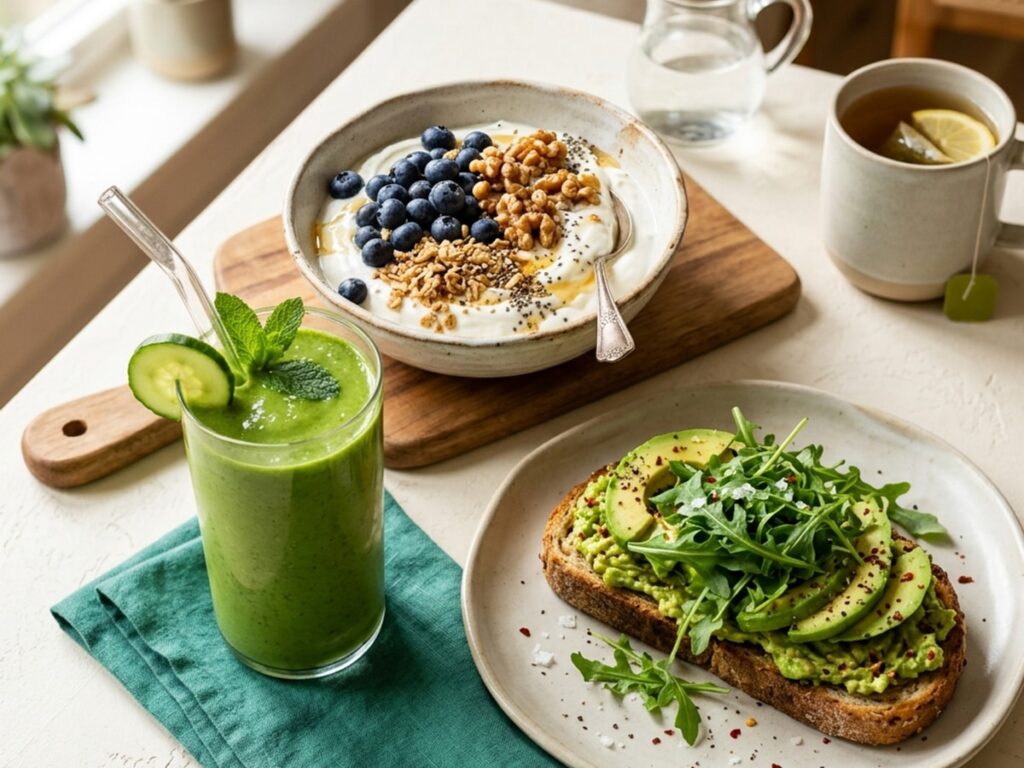
Your digestive system does far more than break down food—it influences energy, immunity, and even mood. When people talk about foods for gut health, they’re often referring to ingredients that help protect the stomach lining, support beneficial bacteria, and reduce irritation in the digestive tract. Modern diets filled with processed snacks and sugary drinks can strain the gut, but simple food choices can help restore balance.
By understanding which foods damage digestion and which promote healing, you can begin using food as medicine to support your stomach naturally every day.
Food as Medicine and Why Foods for Gut Health Matter
Understanding foods for gut health begins with recognizing that the digestive system is central to overall wellness. The gut is home to trillions of bacteria that influence metabolism, immune response, and nutrient absorption.

Why Foods for Gut Health Support Overall Wellness
When people choose the right foods for gut health, they support the balance of bacteria known as the gut microbiome. Research shows the digestive system contains more than 100 trillion microorganisms, many of which help break down nutrients and produce beneficial compounds like short-chain fatty acids.
For example, fiber-rich foods such as oats and vegetables provide nourishment for beneficial bacteria. These bacteria help reduce inflammation and strengthen the intestinal barrier. Without enough fiber, the microbiome becomes less diverse, which may contribute to digestive discomfort.
In practical terms, a breakfast bowl of ½ cup oats, berries, and yogurt can support digestive health better than sugary cereal. Over time, small food choices like this create an environment where beneficial bacteria thrive, improving digestion and overall health.
How Modern Diets Damage Gut Health
Unfortunately, many modern diets lack essential foods for gut health and instead rely on ultra-processed products. Items like packaged snacks, fast food, and sugary drinks can irritate the digestive system and disrupt microbial balance.
For instance, diets high in refined sugar may increase harmful bacteria while reducing beneficial strains. Consuming more than 50 grams of added sugar per day—common in soda and desserts—can negatively affect gut health over time.
Alcohol also contributes to gut irritation. Drinking multiple servings per day can weaken the protective mucus lining of the stomach. Combined with fried foods or highly processed meals, this can lead to bloating, indigestion, and inflammation.
Replacing processed foods with whole ingredients is one of the most effective steps toward healing digestion.
Foods That Damage Your Digestive System
To understand foods for gut health, it’s equally important to recognize foods that can harm digestion. Certain ingredients are known to irritate the stomach or disrupt microbial balance.

Processed Junk Foods and Gut Health Damage
Processed junk food often contains preservatives, artificial flavorings, and refined carbohydrates that provide little nutritional value. These foods typically lack fiber—an essential component of foods for gut health.
For example, a typical fast-food meal of burger, fries, and soda can contain over 1,200 calories, yet provide almost no dietary fiber. Without fiber, beneficial gut bacteria lose their primary fuel source.
Additionally, highly processed foods often contain emulsifiers and additives that may irritate the intestinal lining. Over time, this may increase inflammation in the digestive tract and reduce microbial diversity.
Instead of relying on processed meals, replacing even one fast-food meal each week with whole foods can support digestive recovery.
Sugar, Alcohol, and Fried Foods and Gut Health
Excess sugar and fried foods can also interfere with foods for gut health by promoting inflammation. Deep-fried foods, for instance, contain oxidized fats that are difficult for the body to process.
A serving of fried chicken or fries may contain 15–20 grams of unhealthy fat, which can slow digestion and increase stomach discomfort. When combined with sugary beverages or desserts, this can further strain digestive processes.
Alcohol presents another challenge. While moderate intake may be tolerated, excessive drinking can damage the stomach lining and alter gut bacteria. Even two or three drinks in one sitting may irritate sensitive digestive systems.
Reducing these foods while increasing whole ingredients creates a healthier environment for gut healing.
Healing Foods for Gut Health and Digestive Support
Once damaging foods are reduced, the next step is incorporating foods for gut health that actively support digestion.

Vegetables and Fiber-Rich Foods for Gut Health
Vegetables are among the most powerful foods for gut health because they supply fiber, vitamins, and antioxidants. Fiber feeds beneficial bacteria and helps regulate digestion.
For example, broccoli, spinach, and carrots contain soluble and insoluble fiber. A single cup of broccoli provides around 2.5 grams of fiber, which supports healthy digestion and gut bacteria.
Fiber also slows the absorption of sugar in the bloodstream, preventing spikes in blood glucose. This stabilizing effect supports overall metabolic health.
Roasting vegetables at 400°F (204°C) for 20 minutes with olive oil and herbs is a simple way to add fiber-rich foods to everyday meals.
Oats, Fruits, and Lean Proteins That Heal the Gut
Certain whole foods play a key role in foods for gut health because they combine fiber, vitamins, and gentle proteins that are easy to digest.
Oats are especially beneficial. Just ½ cup dry oats contains about 4 grams of fiber and beta-glucans, which support beneficial bacteria. Apples, berries, and bananas provide natural prebiotics that feed gut microbes.
Lean proteins such as chicken breast, turkey, and fish help repair tissues and maintain muscle health without stressing digestion. A typical serving of 3–4 oz grilled chicken delivers high-quality protein with minimal saturated fat.
Combining these ingredients—such as oatmeal with fruit or grilled chicken with roasted vegetables—creates balanced meals that support digestive recovery.
Simple Steps to Add Foods for Gut Health Daily
Adding foods for gut health to your routine doesn’t require drastic diet changes. Small, consistent steps can produce meaningful improvements.

Step-by-Step Plan to Add Foods for Gut Health
- Start the day with ½ cup oats and fruit instead of sugary cereal.
- Add at least 1 cup vegetables to lunch or dinner.
- Replace soda with water or unsweetened tea.
- Choose grilled or baked foods instead of fried options.
- Include 3–4 oz lean protein with meals.
- Snack on fruit instead of processed sweets.
- Drink 6–8 cups water daily to support digestion.
These simple steps can help transition from a processed diet to one centered around foods for gut health.
Tips and Swaps for Better Gut Health
- Swap fried snacks for roasted nuts or seeds.
- Replace sugary desserts with fresh berries.
- Use olive oil instead of butter for cooking.
- Choose whole grains instead of refined flour.
- Add leafy greens to sandwiches or wraps.
- Drink water before sugary beverages.
Building Long-Term Habits with Foods for Gut Health
Developing lasting habits around foods for gut health ensures that improvements in digestion continue over time.
Balanced Meals Built Around Foods for Gut Health
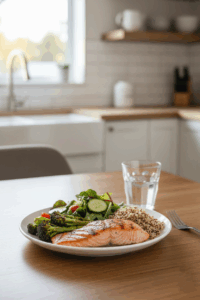
Balanced meals combine fiber, protein, and healthy fats. For example, a dinner plate might include 4 oz grilled salmon, 1 cup roasted vegetables, and ½ cup quinoa.
This type of meal supports digestion by providing fiber for gut bacteria and protein for tissue repair. Healthy fats from foods like olive oil or avocado also help the body absorb vitamins.
Planning meals around whole foods instead of processed options is one of the most effective strategies for long-term gut health.
Consistent Habits That Strengthen Gut Health
Consistency is key when relying on foods for gut health. Rather than focusing on perfection, aim for steady improvements.
For example, increasing fiber intake by 5–10 grams per day can improve digestive function within weeks. Staying hydrated also helps fiber move smoothly through the digestive tract.
Cooking at home more often—perhaps 4 nights per week—can significantly reduce processed food consumption and improve dietary quality.
FAQs About Foods for Gut Health
What are the best foods for gut health?
Some of the best foods for gut health include vegetables, oats, fruits, and lean proteins. These foods provide fiber and nutrients that support beneficial bacteria in the digestive system. For example, oats contain beta-glucans that feed healthy gut microbes, while fruits like apples and berries offer natural prebiotics that help maintain microbial balance.
How long does it take to improve gut health through food?
Many people notice digestive improvements within 2–4 weeks after increasing foods for gut health like fiber-rich vegetables and whole grains. However, significant microbiome changes may take several months. Consistency is important—regularly choosing whole foods instead of processed options gradually supports better digestion and gut balance.
Are fried foods bad for gut health?
Frequent consumption of fried foods can interfere with foods for gut health because these foods contain oxidized fats that may irritate digestion. For example, deep-fried meals can slow stomach emptying and increase inflammation. Choosing baked or grilled alternatives instead may help reduce digestive discomfort.
Is fruit good for gut health?
Yes, fruit is one of the most beneficial foods for gut health. Fruits such as bananas, apples, and berries contain fiber and prebiotics that support beneficial gut bacteria. Eating 1–2 servings of fruit daily can help improve digestion while also providing vitamins and antioxidants.
Do vegetables help heal the stomach?
Vegetables are among the top foods for gut health because they provide fiber and plant compounds that reduce inflammation. For example, broccoli and spinach contain antioxidants and fiber that help protect the stomach lining. Consuming 2–3 cups of vegetables daily can significantly support digestive health.
Start Using Food as Medicine Today
Choosing the right foods for gut health doesn’t require a complicated diet plan. By reducing processed foods and prioritizing vegetables, fruits, oats, and lean proteins, you can gradually improve digestion and overall wellness. Start with one or two small changes today and build healthier habits over time.
Disclaimer: This content is for informational purposes only and is not a substitute for professional medical advice.

About Jane Smith
We turn solid evidence into everyday habits Americans can actually do—plain English, cups/oz, grocery-aisle swaps, and routines that fit real life. Our editorial process: Experience—we road-test tips in real schedules…