Food Digestion Time: How Long Foods Take to Digest
Understanding food digestion time can help you plan meals, reduce discomfort, and better support your digestive system. Many viral charts...
Understanding food digestion time can help you plan meals, reduce discomfort, and better support your digestive system. Many viral charts claim specific digestion times for foods, but digestion is more complex than a simple stopwatch. Your body processes food in stages from stomach breakdown to nutrient absorption in the small intestine, and the speed varies depending on the type of food, portion size, and your personal health.
In general, liquids may move through the stomach in under an hour, while heavier foods like red meat may take several hours. Learning the typical food digestion time for different foods can help you make smarter meal choices, especially before workouts, sleep, or long workdays.
What “Food Digestion Time” Really Means
Before diving into charts, it’s important to understand what food digestion time actually measures.
Stomach Emptying vs. Full Food Digestion Time
When people talk about food digestion time, they often mean how long food stays in the stomach before moving into the small intestine. This stage—called gastric emptying—usually takes between 30 minutes and 4 hours depending on the food.
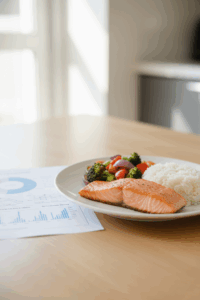
For example, drinking 1 cup (240 ml) of water may leave the stomach in 10–20 minutes, while a high-protein meal like 6 oz (170 g) grilled chicken with rice may stay in the stomach for 2–3 hours. But digestion continues long after that. Once food enters the small intestine, nutrients are absorbed over 4–6 hours, and complete digestion through the digestive tract may take 24–72 hours.
So when you see a chart claiming “fruit digests in 30 minutes,” it usually refers only to stomach emptying—not the entire digestion process.
Why Food Digestion Time Charts Can Be Misleading
Charts showing exact food digestion time ranges can be helpful as rough guides, but they don’t apply equally to everyone. Your digestive system responds to multiple variables that can speed up or slow down the process.
For example, eating an apple alone might leave the stomach in about 30–40 minutes, but eating the same apple after a burger and fries could delay digestion by 1–2 hours because fat and protein slow gastric emptying.
In addition, digestion depends on individual differences such as age, gut health, stress levels, and medications. Instead of treating digestion charts as strict rules, it’s better to view them as general digestion ranges.
The Biggest Factors That Affect Food Digestion Time
Several everyday factors influence food digestion time, often more than the type of food itself.
Meal Size, Fat, Fiber, and Protein Affect Food Digestion Time
Macronutrients dramatically influence food digestion time. Foods high in fat or protein typically remain in the stomach longer than simple carbohydrates.
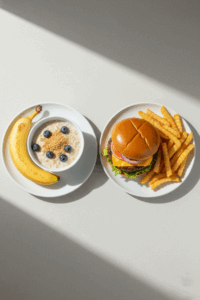
For example, a large cheeseburger meal (about 800–1,000 calories) may take 3–4 hours to leave the stomach because fat slows digestion. By contrast, a bowl of plain oatmeal (1 cup cooked) may digest in 1–2 hours because it contains mostly carbohydrates and soluble fiber.
Fiber also plays a role. While fiber slows stomach emptying slightly, it helps food move through the intestines more efficiently. For instance, 1 cup of cooked beans (about 15 g fiber) supports gut movement but still requires 2–3 hours for stomach processing.
Hydration, Stress, Sleep, and Movement Influence Food Digestion Time
Lifestyle habits strongly affect food digestion time. Drinking enough fluids supports digestion by helping break down food and move it through the digestive tract.
For example, drinking 8–12 oz (240–350 ml) of water with meals may support smoother digestion, while dehydration can slow bowel movements.
Stress is another major factor. When the body is in a stress response, blood flow shifts away from digestion. Studies suggest high stress can slow stomach emptying by 10–30%, potentially causing bloating or discomfort after meals.
Movement helps too. A 10-minute walk after dinner may stimulate gut motility and support faster digestion compared with sitting or lying down immediately.
Medications and GI Conditions Change Food Digestion Time
Certain medications and digestive conditions can significantly change food digestion time.
For example, medications such as opioid pain relievers or anticholinergics can slow digestion, sometimes doubling the time it takes food to move through the gut. Conditions like gastroparesis can delay stomach emptying by several hours.
On the other hand, some digestive conditions may speed up transit time. Individuals with irritable bowel syndrome (IBS) may experience faster movement through the intestines, which can cause loose stools.
If digestion regularly feels extremely slow or unusually fast, medical evaluation may be necessary.
Typical Food Digestion Time by Food Group
While digestion varies by person, research suggests typical food digestion time ranges for different food categories.
Water and Liquids Have the Fastest Food Digestion Time
Liquids move through the stomach quickly. Water digestion time is often 10–20 minutes, especially when consumed on an empty stomach.
Other liquids take slightly longer. For example, a smoothie containing fruit, yogurt, and milk (about 12 oz) may take 1–2 hours to leave the stomach because protein and fat slow digestion.
Clear liquids such as broth or tea may empty from the stomach within 30–60 minutes.
Fruits Have Short Food Digestion Time
Most fruits digest relatively quickly because they contain simple carbohydrates and high water content.
For example:
- Bananas or apples: about 30–40 minutes
- Berries: about 20–30 minutes
- Melons: sometimes as fast as 15–25 minutes
However, combining fruit with heavy foods changes the timeline. Eating fruit after a high-fat breakfast may extend digestion time to 60–90 minutes.
Raw vs. Cooked Vegetables Affect Food Digestion Time
Vegetables vary widely in food digestion time depending on whether they are raw or cooked.
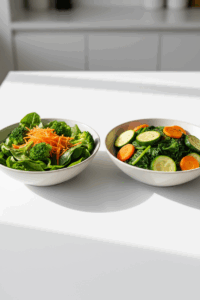
Raw vegetables such as carrots, broccoli, or celery often take 30–40 minutes to leave the stomach because fiber slows gastric emptying slightly.
Cooking vegetables breaks down plant fibers, making digestion easier. For instance, steamed zucchini or spinach may digest closer to 20–30 minutes.
Portion size matters too. Eating 2 cups of salad will take longer to process than ½ cup cooked vegetables.
Protein Foods Have Longer Food Digestion Time
Protein-rich foods generally require more digestive work.
Typical stomach digestion times include:
- Fish (4–6 oz): about 45–60 minutes
- Chicken breast (6 oz): about 1.5–2 hours
- Legumes like lentils (1 cup cooked): about 2–3 hours
- Red meat steak (6 oz): about 3–4 hours
Protein stimulates stomach acid and digestive enzymes, which is why heavier meals often feel more filling for longer.
Nuts and Seeds Have Moderate Food Digestion Time
Foods rich in healthy fats like nuts and seeds have moderate food digestion time.
For example, 1 oz (28 g) of almonds may take about 2–3 hours to fully leave the stomach because fat slows gastric emptying. Similarly, peanut butter (2 tbsp) can digest in 2–3 hours depending on the rest of the meal.
These foods digest more slowly but often help stabilize energy levels.
How to Use Food Digestion Time for Better Comfort
Knowing food digestion time can help you make smarter decisions about when and how to eat.
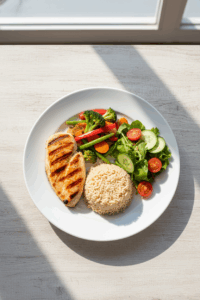
Pre-Workout and Bedtime Eating Based on Food Digestion Time
Timing meals around digestion can improve comfort and performance.
For example, athletes often eat simple carbohydrates 30–60 minutes before exercise because they digest quickly. A banana or small bowl of cereal can provide fast energy without stomach heaviness.
Heavier meals should be eaten earlier. A dinner containing chicken, vegetables, and rice may require 2–3 hours to digest before intense physical activity.
Similarly, experts often recommend finishing large meals at least 2–3 hours before bedtime to reduce reflux risk.
If You Experience Bloating, Reflux, or Constipation
Digestive symptoms may relate to food digestion time and eating habits.
Helpful strategies include:
- Eating smaller meals rather than very large portions
- Chewing food thoroughly (20–30 chews per bite)
- Avoiding lying down within 2 hours after eating
- Walking 5–10 minutes after meals
These habits support smoother digestion and may reduce symptoms such as bloating or heaviness.
Mixing Foods: Myth vs. Helpful Strategies
A common myth claims foods must be eaten separately based on food digestion time. In reality, the digestive system is designed to process mixed meals.
Eating carbohydrates, protein, and fat together simply slows digestion slightly. For example, a balanced meal like grilled salmon, brown rice, and vegetables may digest in 3–4 hours, providing sustained energy.
Instead of worrying about strict food combinations, focus on balanced meals and moderate portions.
Quick Takeaways and When to Talk to a Doctor
Understanding food digestion time helps explain why some meals feel light while others feel heavy.

Red Flags Related to Food Digestion Time
Occasional digestive discomfort is normal, but persistent symptoms may signal a problem.
Warning signs include:
- Severe stomach pain after meals
- Frequent vomiting or nausea
- Unexplained weight loss
- Chronic constipation lasting more than 2 weeks
If these symptoms occur, medical evaluation may be necessary.
Five Daily Habits That Improve Food Digestion Time
Simple lifestyle habits can improve digestion:
- Drink 8–10 cups of water daily
- Walk 10 minutes after meals
- Eat slowly and chew thoroughly
- Include fiber-rich foods (25–30 g/day)
- Maintain consistent meal timing
These small changes support smoother digestion and overall gut health.
FAQs
How long does food digestion time take overall?
Total digestion—from eating to elimination—typically takes 24–72 hours. The stomach stage usually lasts 30 minutes to 4 hours, while the small intestine absorbs nutrients over 4–6 hours. The remaining time occurs in the large intestine, where water is absorbed and waste is formed.
Does drinking water speed up food digestion time?
Drinking water supports digestion but doesn’t dramatically speed it up. Water helps break down food and move it through the digestive tract. Drinking 8–12 oz (240–350 ml) with meals may improve comfort and reduce constipation.
Why does red meat have longer food digestion time?
Red meat contains dense protein and fat, which require more stomach acid and digestive enzymes. For example, a 6 oz steak may remain in the stomach for 3–4 hours, while fish of the same size may digest in 45–60 minutes.
Does cooking food reduce digestion time?
Yes, cooking often shortens food digestion time by breaking down tough fibers. For example, raw carrots may take 30–40 minutes for stomach processing, while steamed carrots may digest closer to 20–30 minutes.
Does age affect food digestion time?
Digestion can slow slightly with age due to reduced stomach acid and slower gut movement. Older adults may notice heavier meals taking longer to digest, sometimes 30–60 minutes longer than in younger adults.
Tips to Support Healthy Food Digestion Time
- Eat meals at consistent times each day.
- Avoid very large late-night meals.
- Aim for 25–30 g fiber daily from fruits, vegetables, and whole grains.
- Stay hydrated with 8–10 cups water daily.
- Walk for 10 minutes after meals when possible.
Want to Improve Your Digestion?
Understanding food digestion time can help you choose foods that match your energy needs and daily schedule. Start paying attention to how your body responds to different meals—and build habits that support comfortable, balanced digestion.
Disclaimer: This content is for informational purposes only and is not a substitute for professional medical advice.

About Essentialwellnessaz Editorial Team
We turn solid evidence into everyday habits Americans can actually do—plain English, cups/oz, grocery-aisle swaps, and routines that fit real life. Our editorial process: Experience—we road-test tips in real schedules…