Food as Medicine: Heart, Liver, Bone & Brain Support
Food has long been viewed as more than just fuel. The concept of food as medicine highlights how everyday ingredients...
- Why Food as Medicine Matters for Everyday Health
- Avocado and Heart Health in the Food as Medicine Approach
- Papaya and Liver Health in the Food as Medicine Diet
- Prunes and Bone Health in the Food as Medicine Strategy
- Blueberries and Brain Health in the Food as Medicine Plan
- Simple Food as Medicine Routine to Try
- Tips & Smart Food Swaps for Food as Medicine
- FAQ About Food as Medicine
- Final Thoughts
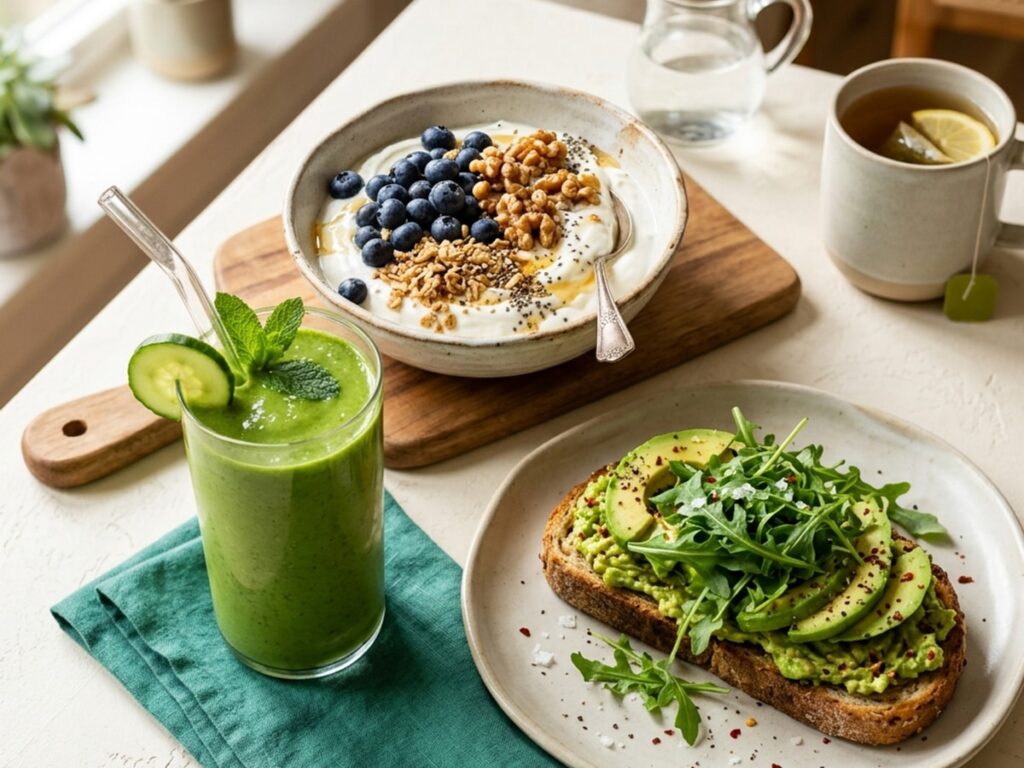
Food has long been viewed as more than just fuel. The concept of food as medicine highlights how everyday ingredients can support specific organs and systems in the body. While no single food can cure disease, a nutrient-rich diet can help protect your heart, liver, bones, and brain over time. In the United States, many people are now turning to whole foods instead of relying solely on supplements.
In this guide, we’ll explore four widely available foods—avocado, papaya, prunes, and blueberries—and how they may support key organs when included in a balanced diet.
Why Food as Medicine Matters for Everyday Health
The idea of food as medicine is gaining traction because diet plays a powerful role in long-term health. Instead of waiting for illness to appear, many people are choosing foods that support organs before problems arise.

How Food as Medicine Supports Long-Term Wellness
The principle of food as medicine focuses on prevention. Research consistently shows that diets rich in fruits, vegetables, and healthy fats are linked to lower risks of chronic diseases. For example, the American Heart Association notes that eating more plant-based foods may reduce heart disease risk by up to 30%.
Foods naturally contain nutrients like vitamins, minerals, fiber, and antioxidants. These compounds support processes such as inflammation control, blood pressure regulation, and cellular repair. For instance, foods rich in potassium—like avocado—can help balance sodium levels in the body.
Another key benefit of using food as medicine is accessibility. Most of these foods are available in US grocery stores such as Walmart, Trader Joe’s, or local farmers markets. Instead of expensive supplements, people can simply add nutrient-dense ingredients to everyday meals.
What the Food as Medicine Approach Looks Like in Practice
Using food as medicine doesn’t mean following a strict diet or eating “superfoods” exclusively. Instead, it means consistently including foods that support specific body systems.
For example, a weekly routine might include:
- Avocado on toast for breakfast
- Blueberries in oatmeal or smoothies
- Papaya as a refreshing snack
- Prunes as a fiber-rich dessert
Over time, these small additions create a pattern of healthier eating. According to USDA guidelines, Americans should aim for 2 cups of fruit daily for most adults, making these foods easy to incorporate into daily meals.
The key is consistency rather than perfection.
Avocado and Heart Health in the Food as Medicine Approach
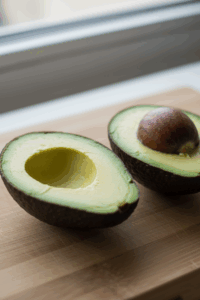
One of the most recognized examples of food as medicine is avocado, a fruit rich in heart-supporting nutrients.
Healthy Fats in Avocado That Support Heart Health
Avocados contain monounsaturated fats, the same type found in olive oil. These fats may help reduce LDL cholesterol levels when used instead of saturated fats like butter.
A typical medium avocado contains about 15 grams of healthy fats, along with nearly 700 mg of potassium. Potassium helps regulate blood pressure by balancing sodium intake.
This combination makes avocado a powerful example of food as medicine for cardiovascular health. Research published in the Journal of the American Heart Association found that eating one avocado per week was associated with a lower risk of heart disease.
In addition, avocados provide fiber—about 10 grams per fruit—which helps support healthy cholesterol levels and digestion.
Easy Ways to Add Avocado to a Heart-Healthy Diet
Adding avocado to your meals is simple and fits naturally into the food as medicine philosophy.
Common US meal ideas include:
- Avocado toast on whole-grain bread
- Guacamole with baked tortilla chips
- Sliced avocado in salads or grain bowls
- Avocado blended into smoothies
For example, a simple breakfast could include 1 slice of whole-grain toast, ¼ avocado, and a sprinkle of chili flakes. This small meal provides fiber, healthy fats, and sustained energy.
Even using avocado in place of mayonnaise on sandwiches can slightly improve the overall nutritional profile of your meal.
Papaya and Liver Health in the Food as Medicine Diet
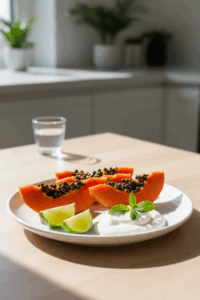
Papaya is another fruit often highlighted in the food as medicine approach because of its digestive and antioxidant properties.
Enzymes and Antioxidants in Papaya That Support the Liver
Papaya contains papain, a digestive enzyme that helps break down proteins and support digestion. Good digestion is essential for liver health because the liver processes nutrients absorbed in the gut.
A single cup of fresh papaya contains roughly 90 mg of vitamin C, which is nearly 100% of the daily recommended intake for adults.
Vitamin C acts as an antioxidant that helps protect cells from oxidative stress. Since the liver works as the body’s detox center, antioxidant support can help maintain healthy liver function.
Papaya also contains beta-carotene, which the body converts into vitamin A. This nutrient supports immune function and tissue repair—another reason papaya fits into the food as medicine framework.
Simple Serving Ideas for Papaya in Everyday Meals
Papaya is easy to add to meals, especially during warmer months in the US when tropical fruit is widely available.
Some easy food as medicine serving ideas include:
- Fresh papaya cubes with lime juice
- Papaya blended into smoothies
- Papaya with Greek yogurt and honey
- Papaya salsa with grilled chicken or fish
For example, a quick snack could include 1 cup of papaya, ½ cup of yogurt, and 1 tablespoon of honey. This combination provides protein, probiotics, and vitamin C.
Eating papaya regularly may help support digestion and nutrient absorption—two factors linked to overall liver health.
Prunes and Bone Health in the Food as Medicine Strategy
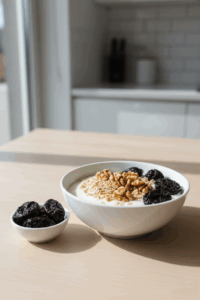
Prunes—dried plums—are surprisingly powerful when it comes to food as medicine, especially for bone health.
Nutrients in Prunes That Strengthen Bones
Prunes contain several nutrients linked to bone strength, including vitamin K, potassium, and boron. These nutrients support bone density and calcium balance.
One serving of prunes about 5 to 6 prunes (40 grams) contains roughly 300 mg of potassium and about 6% of daily vitamin K needs.
Some studies suggest prunes may help slow bone loss. Research published in Osteoporosis International found that eating 5–6 prunes daily may support bone density in postmenopausal women.
Because bone density naturally decreases with age, prunes are often included in food as medicine recommendations for adults over 40.
Additionally, prunes provide fiber—about 3 grams per serving—which supports digestive health.
Recommended Daily Intake of Prunes
Adding prunes to your routine doesn’t require large portions. Most nutrition experts recommend 4–6 prunes per day.
Simple ways to enjoy prunes include:
- Chopped into oatmeal
- Mixed into trail mix
- Added to smoothies
- Served with yogurt or cottage cheese
For example, a breakfast bowl might include ½ cup oatmeal, 5 prunes, and 1 tablespoon walnuts. This meal combines fiber, healthy fats, and minerals that support bone health.
Regular intake of prunes demonstrates how food as medicine can work through small, consistent dietary habits.
Blueberries and Brain Health in the Food as Medicine Plan
Blueberries are widely considered one of the best examples of food as medicine for brain health.
Brain-Protective Antioxidants in Blueberries
Blueberries contain anthocyanins, plant compounds responsible for their deep blue color. These antioxidants may help protect brain cells from oxidative stress.
One cup of blueberries provides about 4 grams of fiber and 24% of the daily recommended vitamin C intake.
Some studies suggest regular blueberry consumption may support memory and cognitive performance. For example, research from Tufts University found that diets rich in berries were associated with slower cognitive decline.
Because the brain is particularly vulnerable to oxidative stress, antioxidant-rich foods are central to the food as medicine concept.
Easy Ways to Eat More Blueberries Daily
Blueberries are versatile and easy to add to everyday meals.
Common US meal ideas include:
- Blueberries in oatmeal or cereal
- Blueberry smoothies
- Blueberries in yogurt parfaits
- Frozen blueberries as a snack
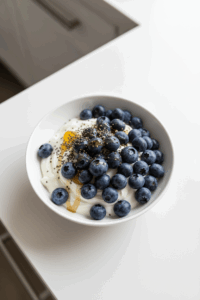
For instance, a quick breakfast could include ½ cup Greek yogurt, ½ cup blueberries, and 1 tablespoon chia seeds.
Even small portions like ½ to 1 cup daily—may help increase antioxidant intake.
Regular consumption of berries supports the broader food as medicine strategy for maintaining brain health as we age.
Simple Food as Medicine Routine to Try
If you want to apply the food as medicine concept in everyday life, start with a simple weekly routine.
6-Step Simple Food as Medicine Routine
- Start breakfast with fruit such as blueberries or papaya.
- Add avocado to toast, salads, or sandwiches at least twice weekly.
- Snack on prunes or mix them into oatmeal.
- Include at least one cup of fruit daily from the featured foods.
- Replace processed snacks with whole fruits when possible.
- Repeat the routine consistently for several weeks.
Consistency matters more than perfection when building healthier habits.
Tips & Smart Food Swaps for Food as Medicine
- Swap mayonnaise for mashed avocado in sandwiches.
- Replace sugary desserts with prunes and yogurt.
- Use frozen blueberries when fresh berries are expensive.
- Add papaya to smoothies instead of fruit juice.
- Pair fruits with protein for balanced snacks.
FAQ About Food as Medicine
What does food as medicine mean?
The concept of food as medicine means using nutrient-dense foods to support overall health and help prevent disease. Instead of relying only on medications, this approach emphasizes whole foods rich in vitamins, fiber, and antioxidants. While it doesn’t replace medical treatment, diet can influence many aspects of long-term wellness.
Can certain foods really support specific organs?
Some foods contain nutrients known to benefit certain body systems. For example, avocados contain healthy fats that support heart health, while blueberries provide antioxidants that may protect brain cells. However, no single food can cure or prevent disease on its own. A balanced diet is what truly supports organ health.
How often should I eat these foods?
Most nutrition experts recommend eating fruit daily. Including foods like avocado, blueberries, papaya, or prunes 3–5 times per week can help increase nutrient intake. Portion sizes also matter—typically ½ to 1 cup of fruit per serving for adults.
Are dried fruits like prunes healthy?
Yes, prunes are nutritious when eaten in moderation. They contain fiber, potassium, and antioxidants. A common serving is 4–6 prunes per day, which may support digestion and bone health without adding excessive sugar.
Is food as medicine better than supplements?
Whole foods provide a complex mix of nutrients, fiber, and plant compounds that supplements often lack. For many people, getting nutrients from food is preferable. However, supplements may still be recommended by healthcare providers when deficiencies exist.
Final Thoughts
The food as medicine philosophy encourages small, sustainable changes that support long-term health. By regularly including foods like avocado, papaya, prunes, and blueberries, you can nourish your heart, liver, bones, and brain naturally.
Start with one or two simple changes this week and build from there. Over time, these habits can become a powerful part of a healthier lifestyle.
Disclaimer: This content is for informational purposes only and is not a substitute for professional medical advice.

About Jane Smith
We turn solid evidence into everyday habits Americans can actually do—plain English, cups/oz, grocery-aisle swaps, and routines that fit real life. Our editorial process: Experience—we road-test tips in real schedules…