Early Signs of Chronic Kidney Disease You Should Know
Chronic kidney disease (CKD) often develops quietly, with symptoms that are easy to overlook or mistake for everyday fatigue or...
Chronic kidney disease (CKD) often develops quietly, with symptoms that are easy to overlook or mistake for everyday fatigue or aging. In the United States, more than 1 in 7 adults is estimated to have CKD, and many don’t realize it until the disease has progressed. Knowing the early signs of chronic kidney disease can help you recognize when something isn’t right and seek medical advice sooner, when treatment is most effective.
What Is Chronic Kidney Disease (CKD)?
Before looking at symptoms, it helps to understand what CKD actually is and why it matters.
👉 Want to go further? Our complete breakdown of Advanced Fatty Liver Disease: Warning Signs to Know walks you through reading your body’s signals step by step.
What healthy kidneys do in the body
Your kidneys are two bean-shaped organs that filter about 120–150 quarts of blood per day, removing waste and excess fluid to make urine. They also help regulate blood pressure, balance electrolytes like sodium and potassium, and support red blood cell production. For example, when you drink about 8 cups (64 oz) of fluid in a day, your kidneys work continuously to maintain the right balance. When kidneys are healthy, this process happens efficiently and without noticeable symptoms.
👉 This pairs well with our 12 Best Foods to Keep Your Kidneys Healthy guide if you want the full picture on kidney health and function.
How CKD develops over time
Chronic kidney disease occurs when the kidneys are damaged and can’t filter blood as well as they should for three months or longer. This damage often progresses slowly. Early on, your body may compensate, so you feel “mostly fine.” Over time, waste products can build up, leading to symptoms like fatigue or swelling. Common causes in the US include diabetes and high blood pressure, which together account for roughly two-thirds of CKD cases.
👉 If you’re also working on topics related to popular, our detailed guide on How Long It Takes to Walk Off Popular Snacks covers exactly what you need.
Early Signs of Chronic Kidney Disease
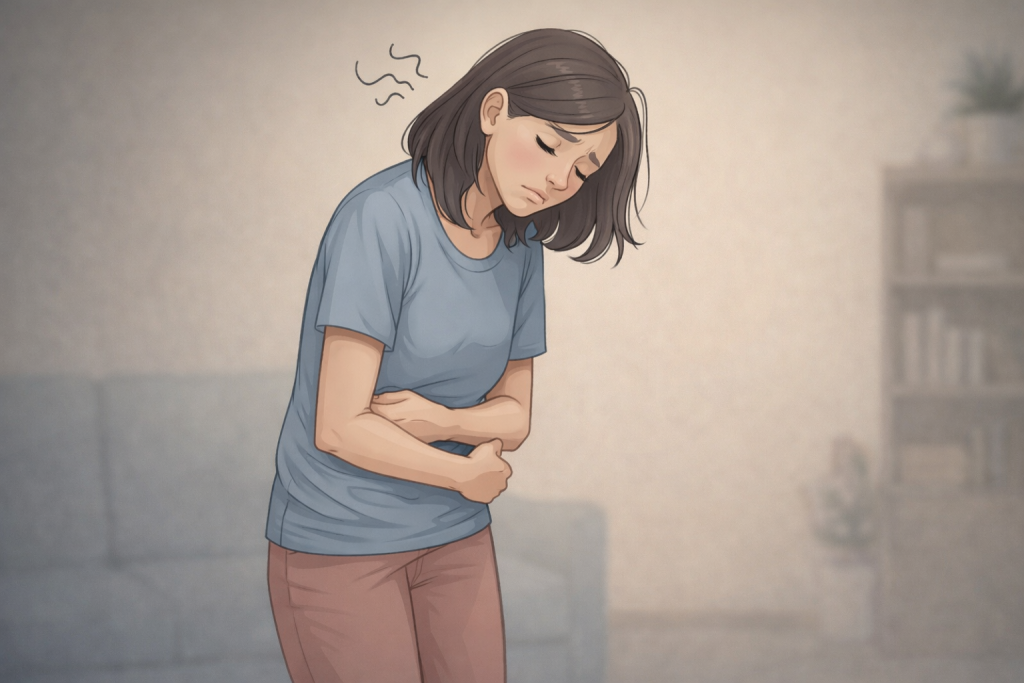
As CKD progresses, your body may start sending subtle warning signals. These signs can vary from person to person.
Fatigue and low energy levels
One of the earliest signs of chronic kidney disease is ongoing fatigue. Damaged kidneys may produce less erythropoietin, a hormone that helps make red blood cells. Fewer red blood cells can mean anemia, which leads to tiredness and weakness. For example, you might feel exhausted after walking one flight of stairs or struggle to get through a normal 8-hour workday. This fatigue is often persistent and doesn’t improve much with rest or an extra cup of coffee.
Nausea and loss of appetite
As waste products build up in the blood, they can affect your digestive system. Some people notice mild nausea, a metallic taste in the mouth, or reduced appetite. You might skip meals or feel full after eating just half a normal portion. Over weeks or months, this can lead to unintended weight loss, such as losing 5–10 lb without trying. While occasional nausea is common, ongoing digestive changes can be a red flag.
Changes in Urine and Fluid Balance
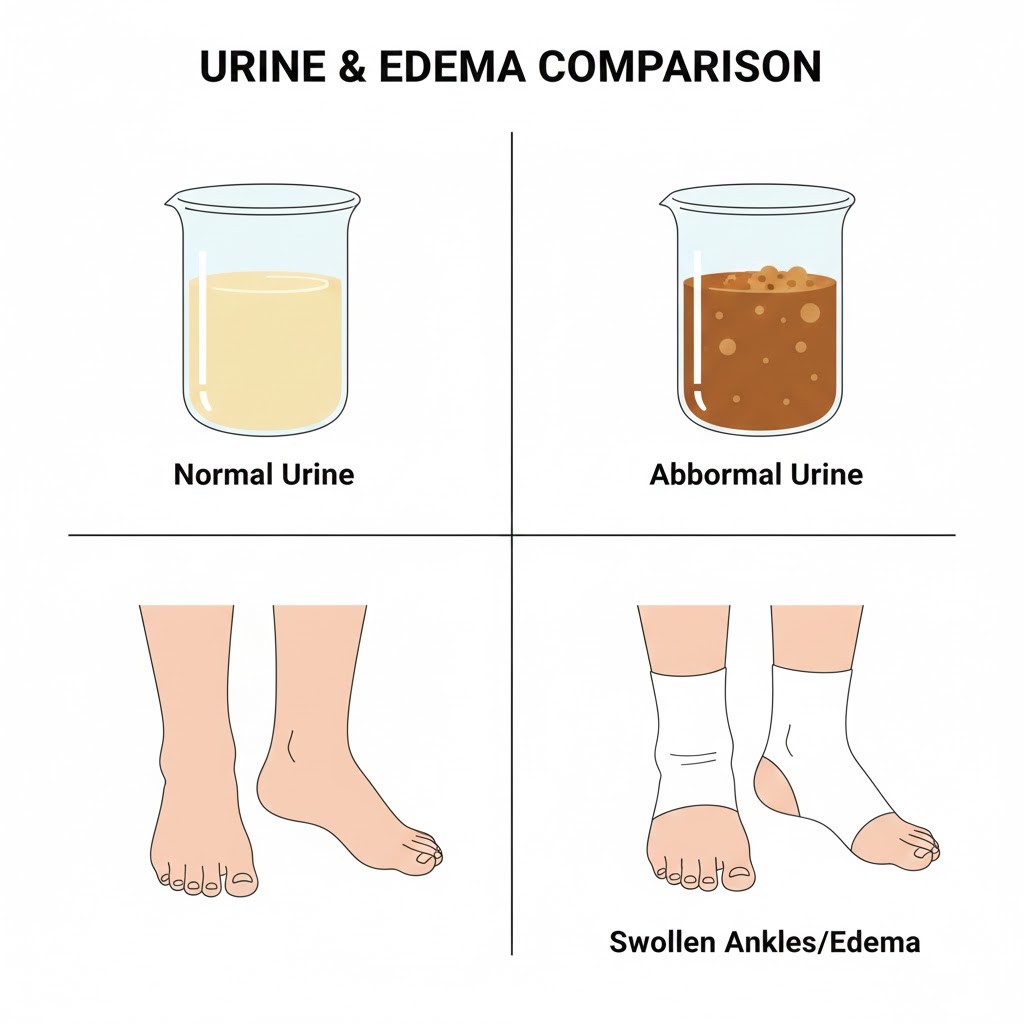
Because the kidneys regulate fluids and urine, many early symptoms show up here.
Changes in urine color or frequency
Healthy urine is usually pale yellow. With CKD, you might notice urine that is darker, foamy, or cloudy. Some people urinate more often at night, waking up 2–3 times instead of once. Others may notice reduced urine output despite normal fluid intake, such as drinking 6–8 cups of water but producing much less urine. These changes can signal that your kidneys aren’t filtering properly.
Swelling in legs, ankles, or feet
When kidneys can’t remove excess sodium and fluid, swelling (edema) can occur. This often shows up in the lower legs, ankles, or feet. For example, your socks may leave deep marks, or shoes may feel tight by the end of the day. Even mild swelling—like ankles that look puffy after standing for 30–60 minutes—can be an early sign of chronic kidney disease.
Other Physical Warning Signs
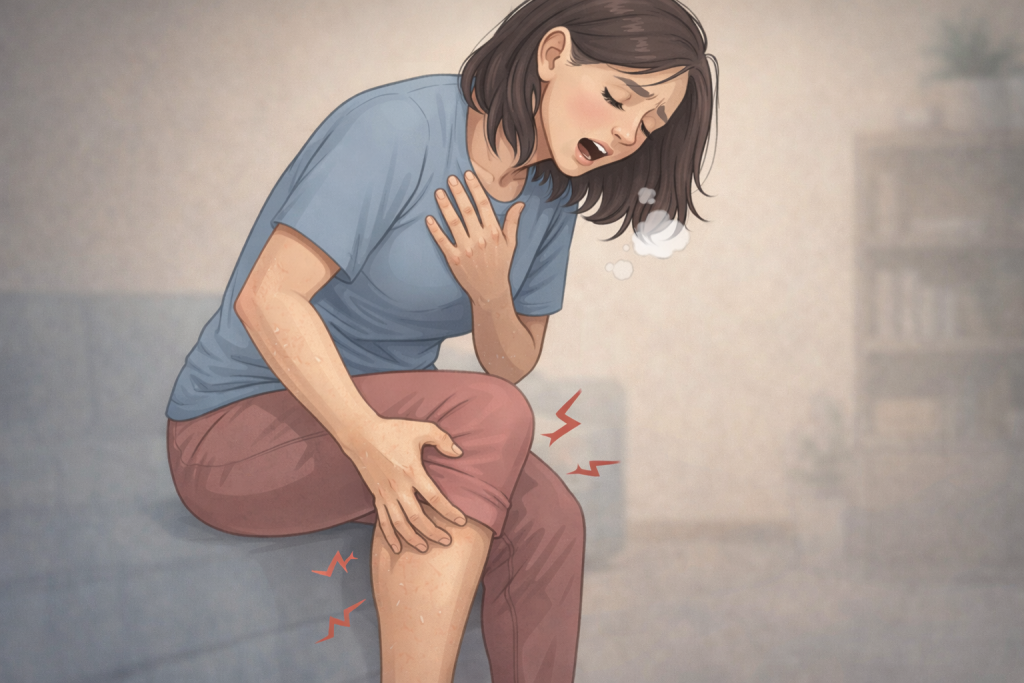
Beyond fatigue and fluid changes, CKD can affect other systems in the body.
Itchy or dry skin
Persistent itching or unusually dry skin can occur when waste products build up in the blood. You might find yourself scratching daily, even after applying lotion 2–3 times per day. This itching often doesn’t have a visible rash and can worsen at night. While dry skin is common in winter, year-round itching without a clear cause can be linked to kidney issues.
Muscle cramps and shortness of breath
Electrolyte imbalances, such as low calcium or high phosphorus, can cause muscle cramps—especially in the legs. These cramps may wake you up at night or occur after light activity, like walking 10–15 minutes. Shortness of breath can also happen due to fluid buildup in the lungs or anemia, making simple tasks like carrying groceries feel unusually hard.
When to Talk to a Healthcare Provider
Recognizing symptoms is important, but knowing when to act matters just as much.
Why CKD symptoms are often missed
Many early signs of chronic kidney disease are vague and develop slowly. Fatigue, swelling, or high blood pressure are often blamed on stress, diet, or aging. In the US, routine blood and urine tests are often the only way CKD is detected early. Without testing, symptoms may be ignored until kidney function has dropped significantly, sometimes below 50%.
Warning signs that need medical evaluation
You should talk to a healthcare provider if you notice multiple symptoms lasting more than 2–3 weeks, such as fatigue plus swelling or urine changes. People with diabetes, high blood pressure, or a family history of kidney disease should be especially proactive. A simple blood test (creatinine) and urine test can provide valuable insight into kidney health.
Simple Steps to Support Kidney Health
While medical care is essential, everyday habits can support overall kidney health.
Diet, hydration, and lifestyle basics
Eating a balanced diet with moderate sodium can reduce strain on your kidneys. For example, aiming for less than 2,300 mg of sodium per day aligns with US dietary guidelines. Staying hydrated—about 6–8 cups of water daily, unless your doctor advises otherwise—also helps kidneys function efficiently. Regular physical activity, such as 30 minutes of walking most days, supports blood pressure and overall health.
Frequently Asked Questions
- Can chronic kidney disease start without symptoms?
Yes. Many people have early CKD with no noticeable symptoms. This is why routine screening is important, especially if you have diabetes or high blood pressure. Blood and urine tests can detect problems before symptoms appear. - Are early signs of chronic kidney disease reversible?
Kidney damage is usually not reversible, but early detection can slow progression. Managing blood pressure, blood sugar, and diet can help preserve remaining kidney function for years. - How is CKD diagnosed in the US?
Doctors typically use blood tests to measure creatinine and estimate glomerular filtration rate (eGFR), along with urine tests to check for protein. These tests are widely available and often covered by insurance. - Is swelling always related to kidney problems?
Not always. Swelling can have many causes, including heart or vein issues. However, persistent swelling—especially with urine changes—should be evaluated by a healthcare provider. - Who should get screened for CKD?
Adults with diabetes, high blood pressure, heart disease, or a family history of kidney disease should be screened regularly. Adults over 60 years old may also benefit from routine testing.
If you recognize several early signs of chronic kidney disease, don’t ignore them. Schedule a checkup, ask about kidney testing, and take small steps now to protect your long-term health.
Disclaimer: This content is for informational purposes only and is not a substitute for professional medical advice.

About Jane Smith
We turn solid evidence into everyday habits Americans can actually do—plain English, cups/oz, grocery-aisle swaps, and routines that fit real life. Our editorial process: Experience—we road-test tips in real schedules…