Best Time to Drink Beverages (Stop Drinking Wrong Time)
Many Americans focus on what they drink but far fewer think about when they drink it. Yet the best time...
Many Americans focus on what they drink but far fewer think about when they drink it. Yet the best time to drink beverages can affect digestion, energy levels, sleep quality, and even how your body absorbs nutrients. Coffee before breakfast, juice with meals, or water right after a heavy dinner may seem harmless, but timing can make a difference. In this guide, we’ll break down the best time to drink beverages like water, coffee, tea, milk, juice, and more so you can enjoy them without working against your body’s natural rhythms.
Why the Best Time to Drink Beverages Matters
Understanding the best time to drink beverages helps you align your habits with your body’s natural systems. Digestion, hormone cycles, and hydration all shift throughout the day, which means timing matters more than most people realize.
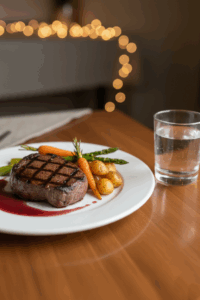
Timing and digestion, sleep, and energy for the best time to drink beverages
The best time to drink beverages often depends on how the body processes food and fluids. For example, drinking a large amount of liquid immediately after a heavy meal—like a 12 oz steak dinner—can temporarily dilute stomach acids that aid digestion. While the effect isn’t extreme, it may cause bloating for some people.
Caffeine timing also matters. The body’s natural cortisol levels peak around 8–9 AM for many adults. Drinking coffee before breakfast during this peak may increase jitters or stomach irritation. Waiting until 30–60 minutes after breakfast helps stabilize energy.
Sleep is another factor. Drinks containing caffeine or alcohol close to bedtime—typically within 3–4 hours of sleep—can disrupt sleep cycles and reduce deep sleep stages. For people who wake at 6 AM, that means limiting these drinks after 7–8 PM.
Who should be extra careful about the best time to drink beverages
Certain groups should pay closer attention to the best time to drink beverages. People with acid reflux, for example, often experience symptoms when drinking acidic beverages like coffee or citrus water on an empty stomach.
Those taking medications may also need specific timing. Some medications—such as thyroid drugs—require drinking only water and waiting 30–60 minutes before consuming other beverages.
Older adults and people prone to dehydration should also monitor timing. Drinking most fluids earlier in the day rather than late evening helps avoid nighttime bathroom trips while maintaining hydration. For many adults, spreading fluid intake across 6–8 glasses (48–64 oz) throughout the day is a practical approach.
Best Time to Drink Water (and When to Wait)
Water is essential, but even hydration benefits from timing. Knowing the best time to drink beverages like water can support digestion and hydration without discomfort.
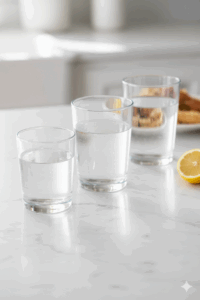
Best time to drink water vs drinking water after a heavy meal
Many people instinctively drink water right after eating. However, the best time to drink beverages like water may actually be 30 minutes before meals or 60 minutes after, especially following large meals.
For example, after eating a heavy dinner—such as pasta, steak, and vegetables totaling 700–900 calories—drinking a full 16 oz (475 ml) glass of water immediately afterward may cause temporary stomach fullness. Waiting about an hour allows digestion to begin naturally.
This doesn’t mean avoiding water completely. Small sips are fine. The key idea is spacing larger amounts of water between meals rather than immediately after them.
Best time to drink beverages for daily hydration
The best time to drink beverages like water follows a simple rhythm throughout the day. A helpful hydration pattern for many adults includes:
- Morning: 8–12 oz (240–350 ml) within 30 minutes of waking
- Late morning: another 8 oz between breakfast and lunch
- Afternoon: 8–16 oz between lunch and dinner
- Evening: small amounts if thirsty, but limit large glasses before bed
For example, someone waking at 7 AM could drink a glass of water, another around 10 AM, one at 2 PM, and one around 6 PM. This spacing helps maintain hydration without overwhelming digestion.
Best Time to Drink Coffee and Green Tea
Caffeine timing is one of the most common mistakes people make. Choosing the best time to drink beverages like coffee and tea can help maintain steady energy.
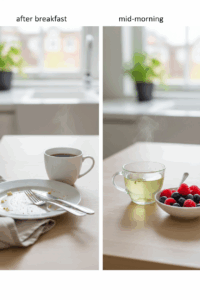
Best time to drink coffee for stable energy
The best time to drink beverages like coffee is usually after breakfast, not before. Drinking coffee on an empty stomach can increase stomach acidity and lead to jittery energy spikes.
For instance, if breakfast is around 8 AM, the ideal coffee window might be 8:30–10 AM. This timing allows food to buffer stomach acids and slows caffeine absorption.
Moderation also matters. Most health guidelines suggest limiting caffeine to 400 mg per day—roughly 3–4 cups of brewed coffee (8 oz each). Drinking coffee late in the day can interfere with sleep because caffeine’s half-life can last 5–7 hours.
A practical rule: avoid coffee after 2 PM if you plan to sleep around 10–11 PM.
Best time to drink green tea without stomach discomfort
Green tea is often considered gentle, but the best time to drink beverages like green tea is after meals or mid-morning, not on an empty stomach.
Green tea contains compounds called tannins, which may cause mild nausea when consumed without food. For example, drinking green tea at 6 AM before breakfast may trigger stomach discomfort for some people.
Instead, try drinking green tea around 10–11 AM or 1–2 hours after lunch. A typical serving is 8 oz (240 ml) and contains about 25–35 mg of caffeine, significantly less than coffee.
Spacing green tea between meals also helps prevent interference with iron absorption from foods like spinach or beans.
Best Time to Drink Milk, Fruit Juice, and Energy Drinks
Certain drinks, especially sugary or stimulating ones—benefit from careful timing. Understanding the best time to drink beverages like milk, juice, and energy drinks can reduce unwanted effects.
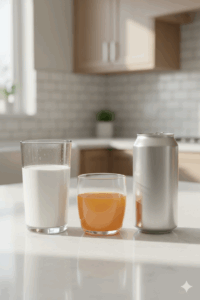
Best time to drink milk for digestion and sleep
Milk can be soothing, which is why the best time to drink beverages like milk is often in the evening. Warm milk before bed has long been associated with relaxation.
A typical serving is 8 oz (240 ml) of milk containing about 8 grams of protein and natural lactose sugar. Drinking milk early in the morning may feel heavy for some people, especially before physical activity.
However, drinking milk 30–60 minutes before bed may promote relaxation due to its tryptophan content, a nutrient linked to sleep support. For example, someone going to bed at 10:30 PM might drink warm milk around 9:45 PM.
Those with lactose intolerance should opt for lactose-free milk or plant alternatives.
Best time to drink fruit juice and energy drinks
Fruit juice and energy drinks are common in American diets, but the best time to drink beverages like these is away from meals or earlier in the day.
Fruit juice contains natural sugars—often 20–25 grams per 8 oz serving. Drinking juice with meals may increase total sugar intake and contribute to blood sugar spikes. Instead, drink juice as a mid-morning snack.
Energy drinks require even more caution. Many contain 150–200 mg of caffeine per 16 oz can, which can affect sleep if consumed late.
A safer window for energy drinks is between noon and 3 PM, when energy naturally dips. Avoid drinking them within 6 hours of bedtime.
Best Time to Drink Lemon Water and Wine
Some beverages are commonly tied to routines. The best time to drink beverages like lemon water and wine depends heavily on timing and moderation.

Best time to drink lemon water in the morning
Lemon water has become a popular morning routine. The best time to drink beverages like lemon water is typically early morning, shortly after waking.
A simple recipe is 8–12 oz (240–350 ml) warm water with half a lemon. Many people drink it around 7 AM to help kick-start hydration.
However, lemon water before bed may not be ideal. The acidity could trigger reflux for some individuals and increase nighttime bathroom trips.
To protect tooth enamel, consider drinking lemon water through a straw and rinsing with plain water afterward.
Best time to drink wine in moderation
Wine is another drink where timing matters. The best time to drink beverages like wine is earlier in the evening with food, not right before bed.
A standard serving of wine in the U.S. is 5 oz (150 ml). Drinking wine with dinner—around 6–7 PM—allows the body time to metabolize alcohol before sleep.
Alcohol may initially make you sleepy, but it disrupts REM sleep cycles. Drinking wine within 1–2 hours of bedtime often leads to lighter sleep and early waking.
Moderation remains essential: many guidelines suggest one drink per day for women and up to two for men.
Quick Tips for the Best Time to Drink Beverages
- Drink water 30 minutes before meals or 1 hour after heavy meals.
- Have coffee after breakfast, ideally before 2 PM.
- Drink green tea mid-morning or after lunch, not on an empty stomach.
- Save milk for evening relaxation rather than early morning.
- Drink fruit juice between meals, not during them.
- Limit energy drinks to early afternoon, never at night.
FAQs
Is it bad to drink water right after eating?
Not necessarily. Small amounts of water are fine. However, drinking large quantities—like a full 16 oz glass—immediately after a heavy meal may cause bloating for some people. Spacing water intake about 30–60 minutes away from meals can improve comfort and digestion for sensitive individuals.
What is the best time to drink coffee for energy?
The best time to drink coffee is typically 30–60 minutes after breakfast. This timing allows your body’s natural cortisol levels to stabilize and reduces the chance of stomach irritation. For example, if you eat breakfast at 8 AM, coffee around 8:30–9 AM works well.
Can I drink lemon water before bed?
You can, but it may not be ideal. Lemon water is acidic and may trigger reflux symptoms for some people at night. It may also increase nighttime bathroom trips. Drinking lemon water in the morning is generally a better choice.
Are energy drinks okay if I exercise later?
Energy drinks can provide caffeine and stimulation, but timing matters. Drinking one 30–60 minutes before exercise earlier in the day may help performance. Avoid using them in the evening because caffeine can stay in your system for several hours and affect sleep.
Does milk really help with sleep?
Milk contains tryptophan and small amounts of melatonin, which may support relaxation. Drinking 8 oz of warm milk about 30–60 minutes before bed can help some people unwind. The effect varies from person to person but is generally harmless for most adults.
Final Thoughts
Choosing the best time to drink beverages can make a surprising difference in how your body feels throughout the day. By adjusting when you drink water, coffee, tea, milk, and other beverages, you can support digestion, maintain steady energy, and improve sleep quality with simple habit changes.
Try adjusting just one drink this week like moving your coffee to after breakfast—and see how your body responds. Small timing shifts can create noticeable improvements in daily wellness.
Disclaimer: This content is for informational purposes only and is not a substitute for professional medical advice.

About Essentialwellnessaz Editorial Team
We turn solid evidence into everyday habits Americans can actually do—plain English, cups/oz, grocery-aisle swaps, and routines that fit real life. Our editorial process: Experience—we road-test tips in real schedules…