Best Foods to Support Kidney Health
Maintaining strong kidney health matters more than most of us realize. These two hardworking organs filter excess fluid, help balance...
Maintaining strong kidney health matters more than most of us realize. These two hardworking organs filter excess fluid, help balance minerals, and support overall wellness every single day. Choosing the best foods for kidney health can make a meaningful difference—especially for people trying to prevent stress on their kidneys or simply build healthier eating habits. The right foods can supply fiber, antioxidants, and gentle protein sources while helping keep sodium and potassium in a comfortable range. Below is a practical, US-focused guide to the most supportive options and how to use them in everyday meals.
Why Kidney-Friendly Foods Matter
Making thoughtful food choices is one of the simplest ways to support your kidneys long-term. Many Americans consume too much sodium, processed food, and added sugars, all of which can add unnecessary strain. Transitioning to nutrient-dense whole foods ensures your meals work with your kidneys instead of against them.
👉 This pairs well with our Foods That Naturally Support Common Health Issues guide if you want the full picture on topics related to naturally.
How Daily Nutrition Supports Kidney Function
Your kidneys filter roughly 150 quarts of blood a day, so the nutrients you eat play a direct role in how efficiently they work. Foods high in antioxidants—such as apples or cauliflower—can help reduce the oxidative stress that naturally builds up from everyday living. Likewise, fiber-rich foods like oats and quinoa assist digestion and can help maintain healthy cholesterol levels, reducing overall strain on your kidneys. When you regularly include these foods in your meals, you give your kidneys a supportive environment, making it easier for them to manage fluid balance and manage waste.
👉 Want to go further? Our complete breakdown of Best Time to Take Your Daily Supplements walks you through topics related to supplements step by step.
Key Nutrients Your Kidneys Need
Certain nutrients are especially helpful for kidney wellness. Fiber helps stabilize digestion and may reduce the workload caused by blood sugar spikes. Potassium, while important, should be consumed in moderate amounts for those watching kidney function—foods like apples and cauliflower offer potassium without overwhelming levels. Lean proteins such as eggs and salmon provide essential amino acids but in a gentler form than many processed meats. When planning meals, look for foods that offer 5–7 grams of protein per serving (for snacks) and 15–25 grams for meals, which is an achievable guideline for kidney-friendly eating.
👉 If you’re also working on spotting nutrient deficiencies early, our detailed guide on Hidden Signs You’re Low in Key Nutrients covers exactly what you need.
Top Foods That Support Kidney Health
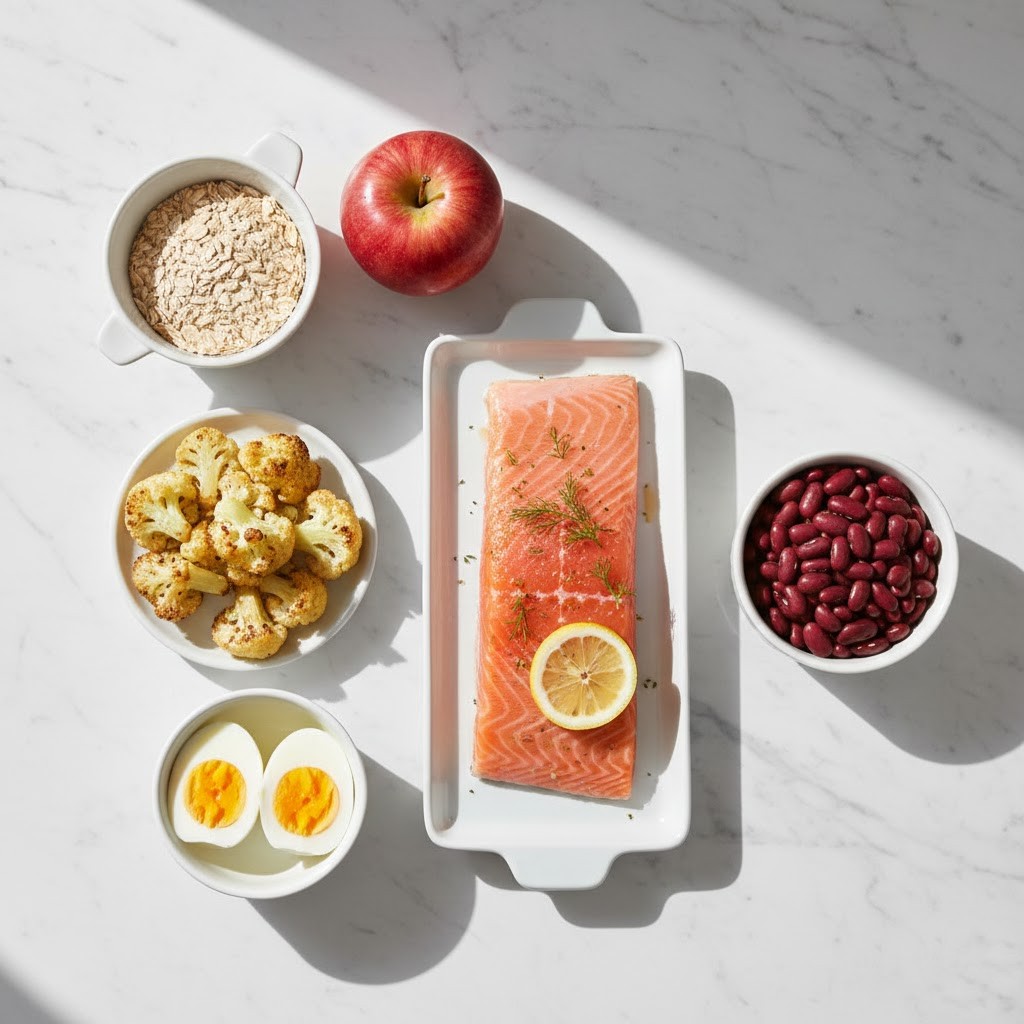
Now that we’ve covered why nutrition matters, it’s time to highlight the best foods for kidney health. These options are easy to find in US grocery stores and can fit into a variety of meal styles.
Fiber-Rich and Low-Sodium Choices
Oats are a top pick because one serving (about ½ cup dry) delivers around 4 grams of fiber, helping digestion without adding excess sodium. Apples are another excellent choice, offering antioxidants and natural sweetness while containing only small amounts of potassium. Cauliflower is a versatile vegetable with just 2–3 mg of sodium per cup, making it ideal for people avoiding salt-heavy meals. Adding these foods into your day—such as oatmeal for breakfast or roasted cauliflower for dinner—keeps your meals gentle on the kidneys while still satisfying.
Kidney-Friendly Protein Options
Eggs provide high-quality protein without the additives found in deli meats or sausage. One large egg contains about 6 grams of protein, making them efficient and easy to portion. Salmon is another strong option because it contains omega-3 fats, which support general health without overburdening the kidneys. Kidney beans, despite their name, are also beneficial when eaten in moderation—they offer plant-based protein and fiber with only 1 mg sodium per ¼-cup serving when rinsed thoroughly. These proteins can be rotated throughout the week to keep meals interesting and kidney-conscious.
How to Add These Foods to Your Routine
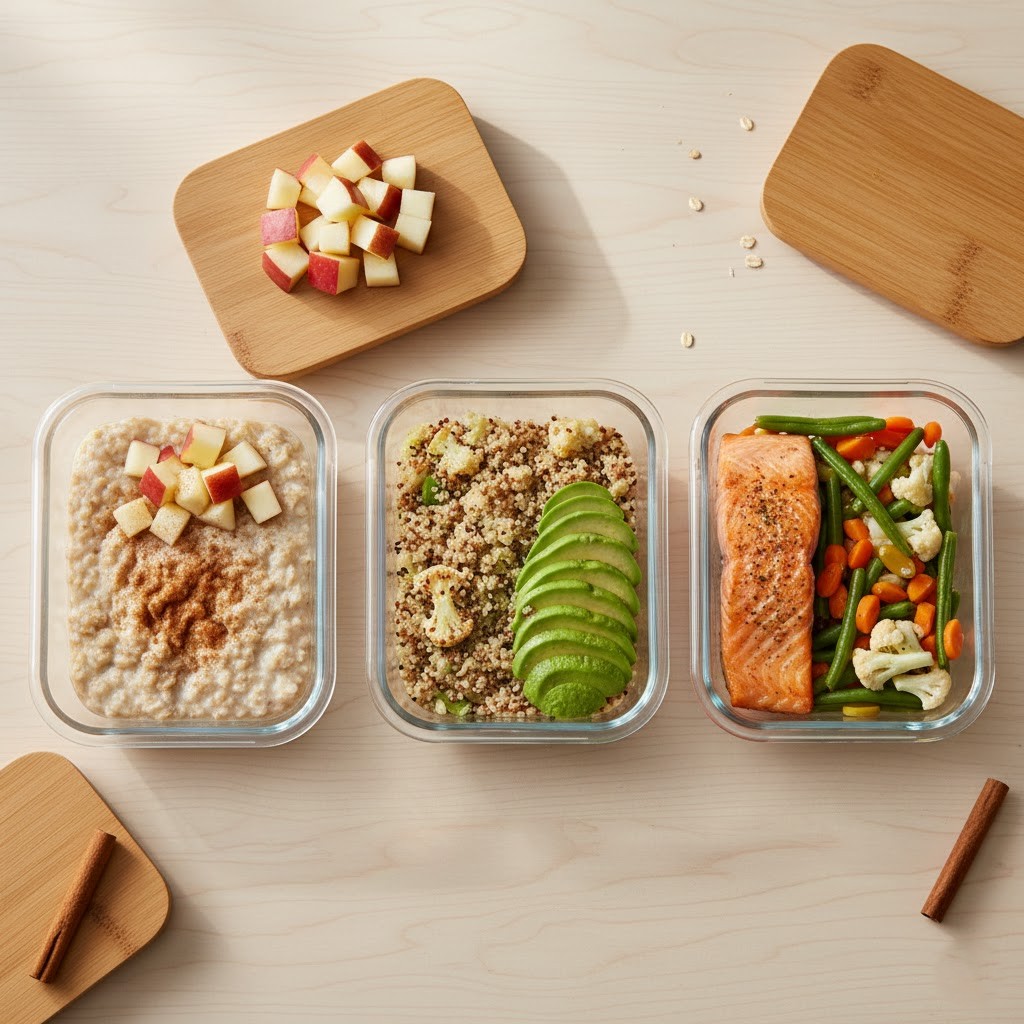
Adding kidney-friendly foods doesn’t have to feel complicated. With simple planning and easy swaps, you can create meals that support kidney health without sacrificing flavor.
Simple Meal Ideas for Busy Schedules
Start your day with oats cooked in water or unsweetened almond milk, topped with diced apples for natural sweetness. This combination offers steady energy without overwhelming the kidneys. For lunch, try a quinoa bowl with roasted cauliflower and sliced avocado—this mix delivers fiber, healthy fats, and moderate potassium levels. Dinner might feature baked salmon with a side of steamed vegetables. Preparing meals in batches, such as cooking 2–3 cups of quinoa on Sunday, ensures you always have kidney-friendly components ready to go.
Grocery Tips for Budget-Friendly Choices
You don’t have to spend a lot to follow a kidney-friendly diet. Store-brand oats, canned kidney beans (rinsed to reduce sodium by up to 40%), and frozen cauliflower are all affordable. Eggs remain one of the most budget-friendly proteins in US grocery stores, often costing under $3 per dozen. When buying salmon, look for frozen fillets—these are usually cheaper and last much longer. Planning your meals around these basics keeps your grocery bill low while still hitting important kidney health goals.
Foods to Limit for Better Kidney Wellness
As you increase kidney-supportive foods, it’s also helpful to know which foods are best limited. This doesn’t mean eliminating entire food groups—just being mindful of common triggers that can add strain.
High-Sodium Items to Watch
Processed foods like canned soups, frozen dinners, and snack chips often contain 400–800 mg of sodium per serving. Even items that seem healthy, such as certain salad dressings or sauces, can contain more salt than expected. Since the kidneys play a major role in managing sodium, reducing these foods helps reduce fluid retention and keeps kidney workload lighter. Choosing low-sodium versions or seasoning with herbs instead of salt offers an easy way to take control of your meals.
When to Be Cautious with Protein and Potassium
Although protein is essential, very high-protein diets—such as eating large portions of red meat daily—can place extra pressure on your kidneys. Balanced portions (like 3–4 oz of salmon or 1 cup of beans) are usually more supportive. Potassium is another nutrient that requires awareness. Foods like bananas and potatoes are nutritious but may be too high in potassium for some individuals. Instead, focusing on moderate-potassium choices such as apples, oats, and cauliflower can keep your levels more balanced throughout the day.
Practical Tips for Supporting Kidney Health Daily
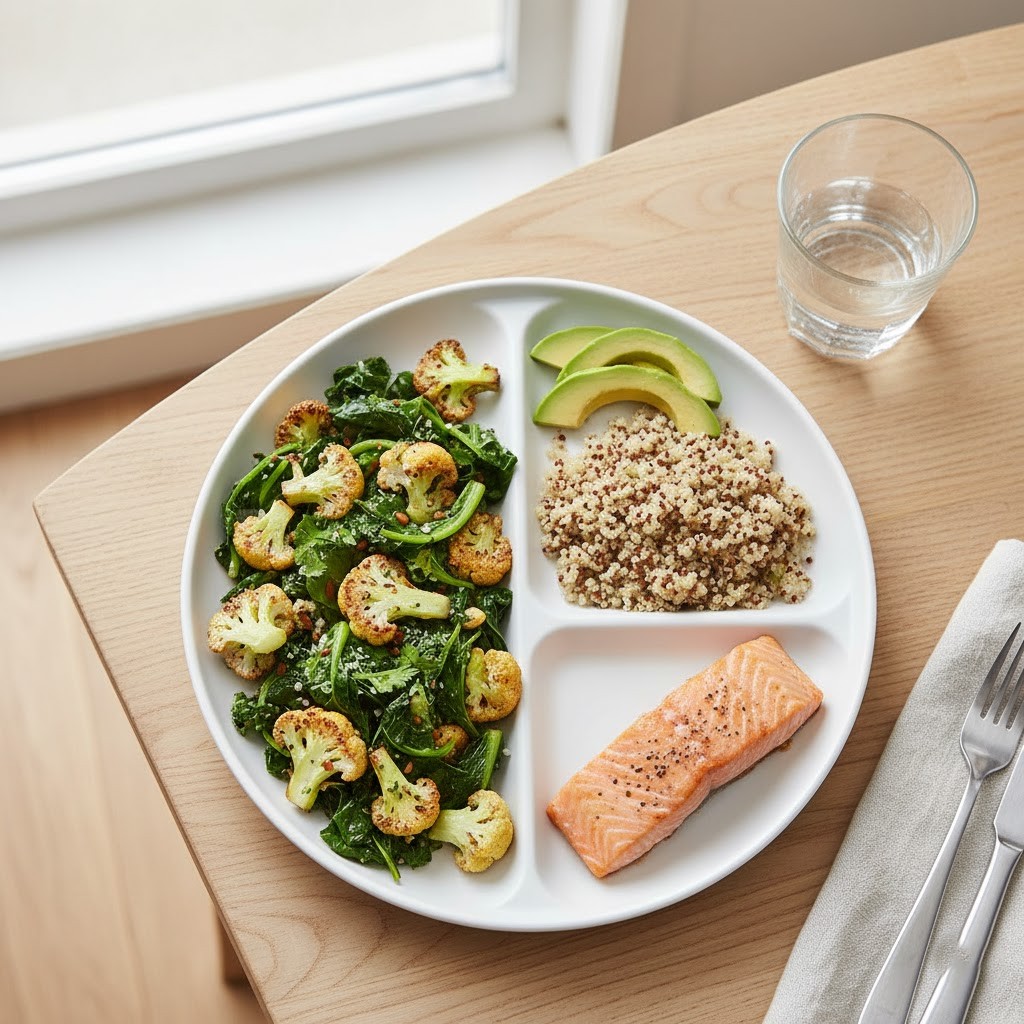
Once you understand the best foods for kidney health, the next step is turning healthy choices into long-term habits.
Hydration and Lifestyle Habits
Proper hydration helps your kidneys filter waste more easily. Most US adults do well aiming for 6–8 cups of water per day, depending on activity and climate. Light physical activity—such as a 20-minute walk—supports circulation without placing unnecessary strain on the kidneys. Preparing meals at home even two extra nights per week can significantly reduce sodium intake, making kidney-friendly eating much more sustainable over time.
How to Build a Sustainable Kidney-Friendly Plate
Think of your plate in simple sections. Half should include vegetables like cauliflower or leafy greens. A quarter should contain whole grains such as quinoa or oats. The remaining quarter can include lean proteins like eggs, salmon, or beans. This structure keeps portions balanced and makes it easier to maintain supportive eating patterns. Adding healthy fats—like a few slices of avocado—rounds out the meal, keeping you satisfied while still gentle on your kidneys.
Tips & Swaps
- Choose frozen vegetables to save money and reduce prep time.
- Replace salty snacks with apple slices or unsalted nuts.
- Use herbs like rosemary or paprika instead of salt.
- Swap white rice for quinoa to boost fiber.
FAQs
- What foods are best for everyday kidney support?
Great options include oats, apples, cauliflower, quinoa, eggs, salmon, and kidney beans. These foods offer fiber, antioxidants, and moderate protein, all of which help support kidney function without overwhelming sodium or potassium levels. - Can I still eat protein if I’m trying to support my kidneys?
Yes—protein is essential, but portion size matters. Choose lean and gentle sources like eggs, salmon, and beans, sticking to moderate servings of 3–4 oz per meal to avoid overloading the kidneys. - Are apples really good for kidney health?
Apples offer antioxidants and moderate potassium levels, making them a safe and supportive choice for many people. One medium apple provides natural sweetness, about 4 grams of fiber, and fits easily into daily meals. - How can I lower sodium without losing flavor?
Try seasoning with garlic powder, lemon juice, or herbs like thyme and rosemary. Choosing low-sodium canned foods and rinsing beans can also cut sodium by almost 40%, making meals much more kidney-friendly. - Do avocados fit into a kidney-friendly diet?
Avocados contain healthy fats but also higher potassium levels. For most people, small portions (like 2–3 tbsp) are completely fine. Portion control keeps potassium moderate while still allowing their benefits.
Want more practical wellness guides like this? Explore our latest nutrition tips to make healthy eating easier—one simple, supportive habit at a time.
Disclaimer: This content is for informational purposes only and is not a substitute for professional medical advice.

About Jane Smith
We turn solid evidence into everyday habits Americans can actually do—plain English, cups/oz, grocery-aisle swaps, and routines that fit real life. Our editorial process: Experience—we road-test tips in real schedules…