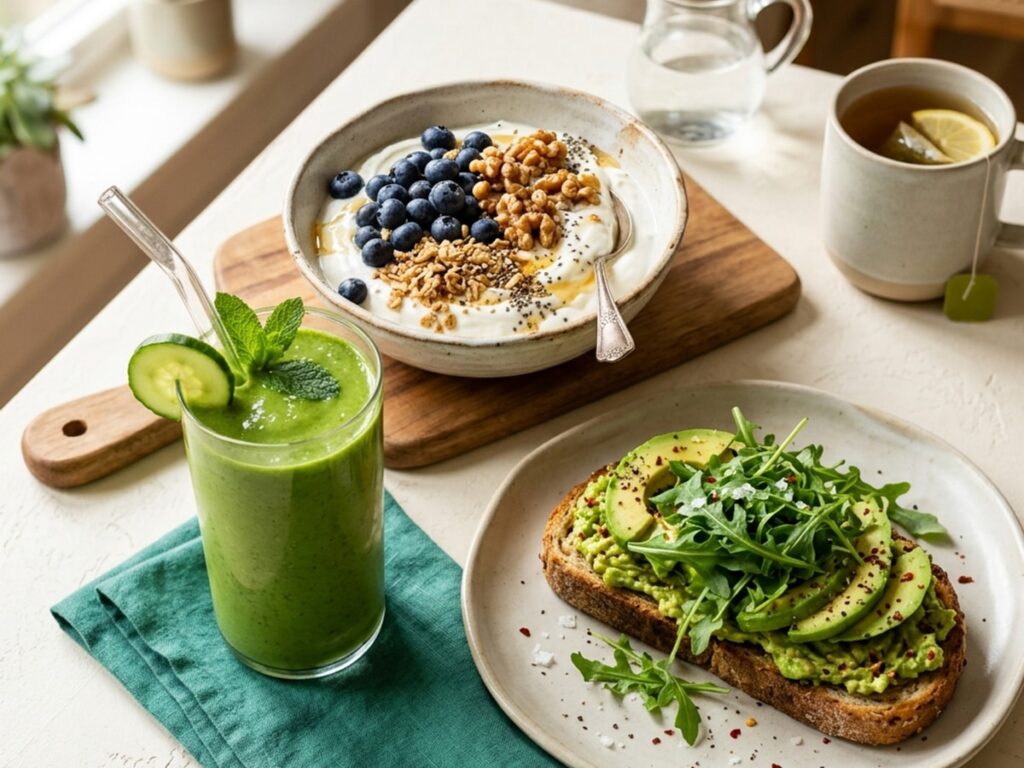
Best Foods for Brain Health: Eat This, Avoid That (Science-Backed)
Most people don't realize their daily diet could be shrinking key brain structures. This guide reveals the best foods for brain health, which ones to avoid, and a 7-day swap plan you can start today.
- Why Your Diet Has a Direct Line to Your Brain
- The 5 Best Foods for Brain Health (Backed by Neuroscience)
- Foods That Secretly Damage Your Brain
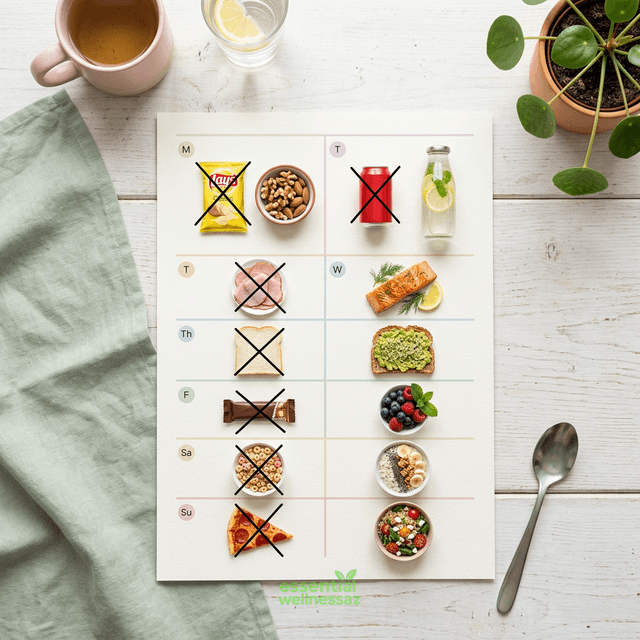
- The 7-Day Brain Plate Swap Plan
- The MIND Diet: The Most Evidence-Based Brain Diet
- Practical Steps to Start Your Brain-Healthy Diet Today
- Frequently Asked Questions
- The Bottom Line
You already know this feeling. It’s 3 pm. Your brain feels like it’s wrapped in cotton. A name you’ve said a hundred times just won’t come. You sit down to focus and — nothing. Twenty minutes of real concentration feels like a win.
Here’s what most people never find out: it’s not just stress. It’s not just sleep. A growing body of neuroscience research now points to one of the most overlooked factors in cognitive health — what you eat every single day.
By 2050, 153 million people are projected to live with dementia. Researchers now identify diet as one of the most modifiable risk factors we have. The frustrating part? Most people are eating foods that are actively shrinking key brain structures right now, without realizing it.
Here’s what I want to do in this guide: show you exactly which foods are healing your brain at a cellular level, which ones are quietly working against you, and hand you a concrete 7-day swap plan you can start today. No overhaul. No expensive grocery runs. Just one smart swap at a time.
Quick Takeaways:
- ✅ Best foods for brain health: fatty fish, walnuts, blueberries, avocado, dark leafy greens
- ❌ Ultra-processed food, soda, and processed meat accelerate cognitive decline
- 🔄 One smart food swap per day can reduce neuro-inflammation within 2 weeks
- 📋 The MIND diet cuts Alzheimer’s risk by up to 53% in high adherers
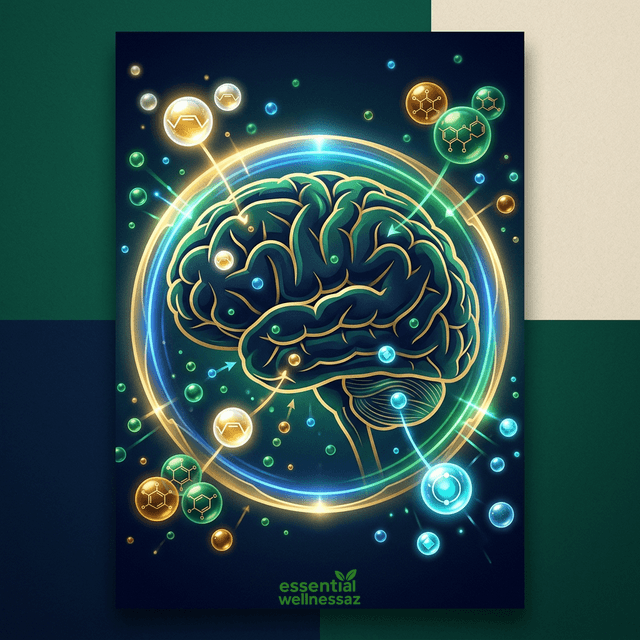
Why Your Diet Has a Direct Line to Your Brain
Before we dive into specific foods, let’s talk about why this works. This isn’t a vague “eat healthy” conversation — the mechanism is concrete, well-documented, and honestly a little mind-blowing once you see it.
The Blood-Brain Barrier: Your Brain’s Last Defense
Your brain is protected by a specialized filter called the blood-brain barrier (BBB). It’s selective — only certain molecules get through. The good news? Many beneficial dietary compounds — omega-3 fatty acids, polyphenols from berries, curcumin from turmeric — are built in a way that lets them cross this barrier and do their work directly inside your brain tissue.
The bad news? Chronic inflammatory compounds from trans fats, refined sugars, and ultra-processed food additives trigger systemic inflammation that gradually weakens the BBB itself. Once it’s compromised, your brain’s internal environment starts to deteriorate. That’s not metaphorical — it’s structural.
When I started paying attention to this about two years ago, I’ll be honest: I didn’t expect to notice much. But what changed — the mental sharpness, the drop in afternoon fog — was hard to ignore.
The Inflammation-Cognition Link
Neuro-inflammation is now considered a primary driver of cognitive decline. When inflammatory signals are constantly firing in your brain, synaptic transmission slows. Your neurons struggle to form and consolidate memories. Your prefrontal cortex — responsible for focus, decision-making, and working memory — takes the hardest hit.
A landmark research program by Dr. Martha Clare Morris at Rush University, including work published in the journal Alzheimer’s & Dementia (NCBI, 2015), demonstrated that anti-inflammatory dietary patterns were strongly associated with significantly slower cognitive aging. That study is the scientific backbone of everything that follows.
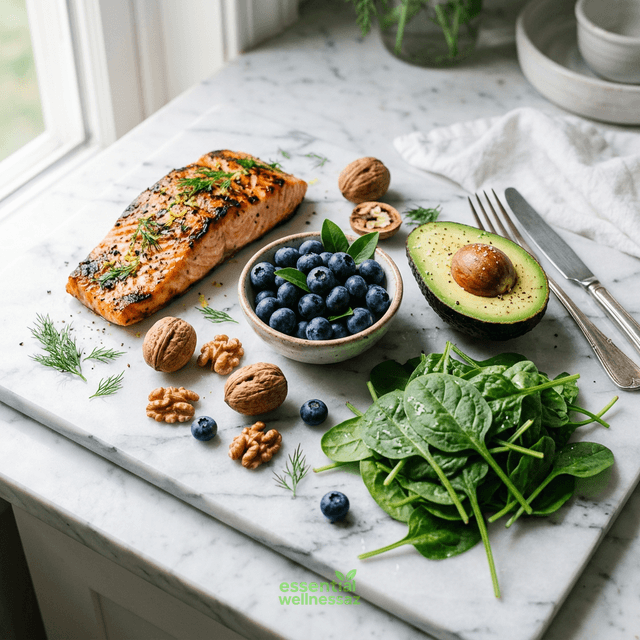
The 5 Best Foods for Brain Health (Backed by Neuroscience)
These aren’t superfoods someone threw on a wellness listicle. Each one has mechanism-level evidence — meaning scientists understand how and why each food works inside your brain, not just that it does.
1. Fatty Fish (Salmon) — The #1 Brain Food
If you eat one food for your brain, make it fatty fish. Salmon, mackerel, sardines, and herring are packed with DHA (docosahexaenoic acid) — an omega-3 fatty acid that makes up roughly 40% of the polyunsaturated fats in your brain. Your brain can’t manufacture DHA efficiently on its own. You have to eat it.
DHA supports cell membrane fluidity — essential for fast, precise signal transmission between neurons. Its partner, EPA (eicosapentaenoic acid), actively suppresses inflammatory markers in brain tissue. Together, they’re the most powerful dietary duo for sustained brain food for focus and long-term neuroprotection.
The American Heart Association recommends at least two servings of fatty fish per week. If that’s not realistic for you — taste, schedule, or budget — a high-quality omega-3 supplement is a legitimate bridge. Nordic Naturals Ultimate Omega is NSF-certified, third-party tested for purity, and it’s what I personally use on weeks when I’m not hitting two fish meals. A consistent supply of EPA + DHA genuinely matters. (Affiliate link — view on Amazon)
2. Walnuts — The Brain-Shaped Brain Food
There’s something almost poetic about the fact that walnuts look like tiny brains. And the science actually backs up the shape.
Walnuts are one of the richest plant sources of ALA (alpha-linolenic acid), a plant-based omega-3. They also contain ellagitannin polyphenols that reduce oxidative stress specifically in the hippocampus — the part of your brain most responsible for memory formation.
A cross-sectional study from UCLA published in the Journal of Nutrition, Health & Aging (PubMed) found that walnut consumers scored significantly higher on cognitive tests — memory, concentration, and information processing speed — across all age groups.
One ounce (about 14 halves) per day. Add them to your morning oatmeal, toss them on a salad, or keep a small bag in your desk. It’s hard to name a simpler upgrade with this much evidence behind it.
3. Blueberries — Memory’s Closest Ally
Blueberries deserve every bit of their reputation as brain boosting superfoods. Their key compound is a class of plant pigments called anthocyanins — and their effect on memory is one of the most consistently replicated findings in nutritional neuroscience.
Anthocyanins increase levels of BDNF (Brain-Derived Neurotrophic Factor) — a protein your brain produces that’s critical for forming new neural connections and locking in memories. Think of BDNF as your brain’s fertilizer. Higher BDNF means better growth, better retention.
Researchers at Tufts University found that adults consuming daily blueberry supplementation for 12 weeks showed a 20% improvement in spatial memory compared to a placebo group. (For a deeper look at the blueberry-BDNF connection, check out Dr. Rhonda Patrick’s FoundMyFitness channel on YouTube.)
Fresh, frozen, or freeze-dried — all forms work. Half a cup per day is the target. Easy to hit with yogurt, a smoothie, or eaten straight.
4. Avocado — Healthy Fats for Focus
Avocados work as brain food for focus for two very specific reasons — and I think most people only know about one of them.
First, they’re rich in monounsaturated fats — the same heart-healthy fats in olive oil. These support the integrity of your myelin sheath: the protective coating around your nerve fibers that determines how fast and accurately electrical signals travel. Damaged myelin shows up as cognitive processing deficits and brain fog.
Second, avocado is an excellent source of folate. Elevated homocysteine — an amino acid that rises when folate is low — is a documented risk marker for Alzheimer’s and vascular dementia. Folate directly helps your body metabolize homocysteine before it accumulates.
Half an avocado on whole grain toast, sliced over eggs, or blended into a smoothie. Both protective compounds, delivered in a genuinely delicious package.
5. Dark Leafy Greens (Spinach, Kale, Swiss Chard)
Dark leafy greens are the most underrated neuroprotective foods on this list. They appear more consistently in dementia prevention research than almost anything else — yet they’re still dramatically underconsumed in the average American diet.
Two specific compounds make them exceptional:
- Vitamin K: Supports the synthesis of sphingolipids — the structural fat that forms brain cell membranes. Higher dietary vitamin K intake is consistently associated with better episodic memory in older adults.
- Lutein: A carotenoid that accumulates in brain tissue. Research from the University of Illinois (2017) found that adults with higher lutein levels had neural patterns more similar to adults 20 years younger.
The MIND diet — the most clinically validated dietary pattern for brain protection — requires at least 6 servings of leafy greens per week. One large salad per day takes care of that.
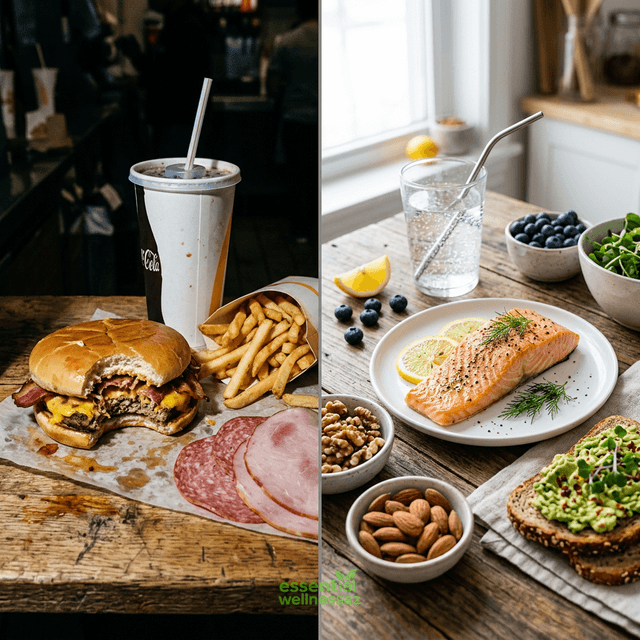
Foods That Secretly Damage Your Brain
Sound familiar — eating “reasonably well” but still feeling foggy, scattered, and mentally flat? Here’s one reason that’s probably happening. These aren’t rare toxins. They’re everyday foods most Americans eat multiple times a week.
Ultra-Processed Foods and Your Hippocampus
A major 2022 study published in JAMA Neurology — tracking over 10,000 adults across 10 years — found that high ultra-processed food consumption was linked to a 28% faster rate of cognitive decline. The hippocampus showed the most significant structural damage.
Why? Ultra-processed foods are dense with refined starches, industrial seed oils, artificial emulsifiers, and added sugar. That combination drives systemic and neuro-inflammation. Your brain’s own immune cells (microglia) shift into a chronically activated state — and when that happens constantly, memory consolidation and synaptic plasticity take a measurable hit.
If you’re thinking about foods to avoid for brain health, ultra-processed food frequency is the primary lever. Not perfection — just frequency reduction.
Sugar’s War on Memory
Refined sugar damages memory by a specific mechanism. When metabolized at high rates, it produces advanced glycation end-products (AGEs) — compounds that attach to neurons and accelerate cellular aging. AGEs are found in significantly higher concentrations in the brains of Alzheimer’s patients.
On top of that, the blood sugar crash that follows a sugar spike creates chronic low-grade inflammation throughout the body — including the brain. That afternoon fog? That’s biology, not laziness.
Reducing refined sugar intake — and pairing that with more anti-inflammatory foods — remains one of the most impactful things you can do for long-term cognitive health.
The 7-Day Brain Plate Swap Plan
The research is clear. The harder part is actually doing it. That’s why I built this swap plan — one substitution per day, nothing dramatic.
💡 Key finding: Research consistently shows that dietary changes begin to reduce measurable neuro-inflammatory markers within 7–14 days of consistent implementation. One week is enough to start moving the needle. Start with Day 1 today.
None of these require cooking skills or a specialty grocery store. Each one is a direct upgrade that compounds into a markedly better diet for better memory over time. Pick one. Do it today.
The MIND Diet: The Most Evidence-Based Brain Diet
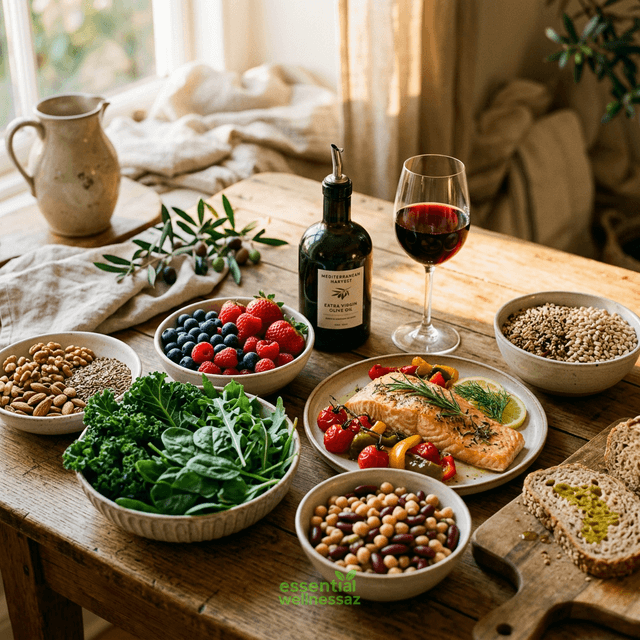
Of all the dietary frameworks studied for cognitive protection, the MIND diet has the strongest and most consistent clinical evidence. It’s worth knowing — both as a validation of everything above, and as a longer-term framework.
What the MIND Diet Is
The MIND diet (Mediterranean-DASH Intervention for Neurodegenerative Delay) was developed by nutritional epidemiologist Dr. Martha Clare Morris at Rush University, published in 2015. It’s a deliberate hybrid of two well-validated patterns: the Mediterranean diet and the DASH diet — built specifically for brain protection.
In the landmark Rush Memory and Aging Project, high adherence to the MIND diet was associated with a 53% reduced risk of Alzheimer’s disease. Even moderate adherence showed a 35% risk reduction. These are among the strongest diet-disease associations in all of nutrition science.
The 10 Brain-Healthy Food Groups in the MIND Diet
Every food here connects to organ health and diet more broadly. The brain doesn’t exist in isolation — your cardiovascular system, gut microbiome, and liver health all feed into how well your brain functions day to day.

Practical Steps to Start Your Brain-Healthy Diet Today
This is where most “eat better” advice falls apart — the how. Here’s what actually works, from personal experience and from what the research consistently supports.
1. Eat fatty fish at least twice a week. This is the single highest-impact change you can make. Salmon, mackerel, sardines, and trout are all excellent. Canned wild salmon is inexpensive and just as nutritious as fresh — I keep it in the pantry as a default.
If two fish meals a week isn’t happening for you — taste, budget, or schedule — Nordic Naturals Ultimate Omega is the supplement I personally rely on to bridge that gap. It’s NSF-certified, molecularly distilled for purity, and delivers clinical EPA + DHA doses per serving. (See current pricing on Amazon →)
2. Add berries and nuts to breakfast every day. This alone hits two of the MIND diet’s non-negotiable targets. Plain Greek yogurt with blueberries and walnuts on the side takes three minutes and delivers anthocyanins, ALA, and polyphenols before 9 am.
3. Replace one processed food item per week. Don’t try to fix everything at once — that approach almost never sticks. Use the 7-day swap table above as your roadmap. One real food substitution per week, held consistently, compounds into a dramatically different dietary pattern over three months.
4. Make leafy greens the base, not the garnish. Try building meals around spinach, kale, or arugula as the foundation — not the afterthought. One large leafy salad per day, topped with salmon, walnuts, avocado, and olive oil, checks five MIND diet boxes in one bowl.
5. Track clarity, not just calories. Many people who shift toward a brain-healthy diet notice sharper focus, reduced brain fog, and more emotional steadiness within 2–3 weeks. Use that as your feedback signal. The scale may or may not move — but your brain will tell you something is working.
For a wider look at vascular brain health, our guide on benefits of beetroot juice is worth reading — beetroot’s nitrate content supports blood flow to the brain in ways few people realize. And if brain fog persists despite dietary changes, check whether you’re getting adequate amounts of the key vitamins for cognitive function — micronutrient gaps are a hidden but common driver.
Frequently Asked Questions
What foods are best for brain health?
The best foods for brain health are fatty fish (salmon, mackerel), walnuts, blueberries, avocado, and dark leafy greens like spinach and kale. They deliver omega-3 fatty acids, anthocyanins, monounsaturated fats, and neuroprotective compounds that preserve neurons, boost BDNF, and reduce neuro-inflammation over time.
Do walnuts really improve brain function?
Yes — and the evidence is consistent across multiple studies. Walnuts contain ALA (plant-based omega-3) and ellagitannin polyphenols that reduce oxidative stress in the hippocampus. A UCLA cross-sectional study (NHANES, PubMed) found walnut consumers scored significantly higher across memory, concentration, and processing speed tests — across all age groups.
What foods destroy brain cells?
Ultra-processed foods — burgers, fries, packaged snacks, soda, processed deli meats — are the most well-documented diet-based drivers of cognitive decline. A 2022 study in JAMA Neurology linked high ultra-processed food intake to a 28% faster cognitive decline over 10 years. The mechanism: chronic neuro-inflammation and structural hippocampal damage.
How does salmon help the brain?
Salmon is one of the richest dietary sources of DHA — the omega-3 that constitutes approximately 40% of your brain’s polyunsaturated fat content. DHA supports cell membrane fluidity for faster, more precise neuron signaling. Its partner EPA suppresses neuro-inflammatory markers linked to depression and cognitive decline. Together, they’re irreplaceable.
Are blueberries good for memory?
Yes — blueberries are among the most well-researched foods specifically for memory. Their anthocyanins increase BDNF (Brain-Derived Neurotrophic Factor), a protein essential for forming and consolidating new memories. A Tufts University controlled trial (PubMed) found 12 weeks of daily blueberry consumption improved spatial memory by approximately 20% versus placebo.
What is the MIND diet?
The MIND diet (Mediterranean-DASH Intervention for Neurodegenerative Delay) was created by Dr. Martha Clare Morris at Rush University. It combines Mediterranean and DASH dietary principles, focusing on 10 brain-healthy food groups. High adherence is associated with a 53% reduced Alzheimer’s disease risk. Read the original research in the Alzheimer’s & Dementia journal (NCBI, 2015).
The Bottom Line
Every meal you eat puts you on one side of a spectrum: healing or damaging. That’s not dramatic — it’s the direct conclusion of two decades of nutritional neuroscience research.
Fatty fish gives your neurons the DHA they’re structurally built from. Walnuts and blueberries protect the hippocampus where memories form. Avocado and leafy greens reinforce the physical architecture of your brain cells. Meanwhile, ultra-processed foods, refined sugar, and industrial seed oils systematically undo that work — slowly, invisibly, every day.
You don’t have to be perfect. You have to be consistent enough that the healing side of the equation wins more days than not. The 7-day swap plan in this guide is your lowest-barrier entry point. Pick Day 1. That’s literally all it takes to start.
Want to go deeper? Our guide on anti-inflammatory foods shows you how to structure an entire meal plan around reducing inflammation — not just for brain health, but for joints, gut, and cardiovascular function too.
And if you want to give your brain a dedicated nutritional foundation every day: Nordic Naturals Ultimate Omega is what I personally reach for. Pharmaceutical-grade purity, NSF-certified, and the research on EPA + DHA for brain health is about as clear as it gets in nutrition science. (Check current price on Amazon →)
References:
- Morris MC, et al. MIND diet associated with reduced incidence of Alzheimer’s disease. Alzheimer’s & Dementia, 2015. https://www.ncbi.nlm.nih.gov/pmc/articles/PMC5292295/
- Wadolowska L, et al. Walnut consumption and cognitive function. Journal of Nutrition, Health & Aging, 2015. https://pubmed.ncbi.nlm.nih.gov/25732213/
- Krikorian R, et al. Blueberry supplementation improves memory in older adults. 2010. https://pubmed.ncbi.nlm.nih.gov/20047325/
- Gomez-Pinilla F. Brain foods: the effects of nutrients on brain function. Nature Reviews Neuroscience, 2008. https://www.ncbi.nlm.nih.gov/pmc/articles/PMC2805706/
- Cheng W, et al. Ultra-processed food consumption and cognitive decline. JAMA Neurology, 2022. https://jamanetwork.com/journals/jamaneurology/fullarticle/2789919
- Zamroziewicz MK et al. Lutein status and cognitive aging. University of Illinois, 2017. https://news.illinois.edu/view/6367/479753
⚕️ Health Disclaimer: The information provided in this article is for educational purposes only and is not intended as medical advice. Always consult a qualified healthcare provider before making significant changes to your diet, especially if you have a diagnosed medical condition or are taking prescription medications. EssentialWellnessAZ.com does not diagnose, treat, cure, or prevent any disease.

About Jane Smith
We turn solid evidence into everyday habits Americans can actually do—plain English, cups/oz, grocery-aisle swaps, and routines that fit real life. Our editorial process: Experience—we road-test tips in real schedules…