9 Best Drinks to Lower High Blood Pressure
High blood pressure affects nearly half of U.S. adults, according to the CDC. While medication and lifestyle changes are often...
- How Drinks to Lower Blood Pressure Can Support Heart Health
- The 9 Best Drinks to Lower High Blood Pressure
- How Much of These Drinks to Lower Blood Pressure Should You Have?
- Smart Swaps and Mistakes With Drinks to Lower Blood Pressure
- When to Talk to Your Doctor About Drinks to Lower Blood Pressure
- Frequently Asked Questions
- Final Thoughts on Drinks to Lower Blood Pressure
High blood pressure affects nearly half of U.S. adults, according to the CDC. While medication and lifestyle changes are often necessary, what you drink each day can also make a difference. The right drinks to lower blood pressure may support hydration, improve blood vessel function, and provide heart-healthy nutrients like potassium and nitrates. Below, you’ll find practical, evidence-informed options you can buy at any U.S. grocery store, and simple ways to use them safely.
How Drinks to Lower Blood Pressure Can Support Heart Health
Before diving into the list, it helps to understand how specific drinks to lower blood pressure actually work in the body.
👉 This pairs well with our Benefits Of Drinking Gallon Water Daily guide if you want the full picture on topics related to benefits.
How Hydration Impacts Drinks to Lower Blood Pressure
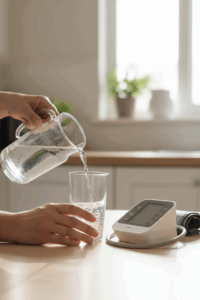
First, hydration matters more than many people realize. When you’re even mildly dehydrated—just 1–2% of body weight—blood volume can drop, and your heart has to pump harder. That added strain may raise blood pressure temporarily.
For most adults, aiming for about 8–10 cups (64–80 oz) of fluids per day is a reasonable baseline, though needs vary by body size, climate, and activity level. In hot states like Arizona or Texas during summer, you may need more. Water-based beverages help maintain fluid balance and may reduce the need for excess sodium retention, which plays a role in elevated readings.
Nutrients in Drinks to Lower Blood Pressure That Matter
Second, nutrients found in certain drinks to lower blood pressure support blood vessel function. Potassium helps counteract sodium’s effects. Nitrates (found in beets) can increase nitric oxide, which helps relax blood vessels. Polyphenols in tea and pomegranate juice may support endothelial health.
For example, 8 oz of low-sodium tomato juice can provide around 500 mg of potassium. Coconut water may offer 400–600 mg per cup (8 oz). These nutrients don’t replace medication, but they may complement an overall heart-smart routine.
The 9 Best Drinks to Lower High Blood Pressure
Now let’s look at the specific drinks to lower blood pressure and why each may help.
Water, Coconut Water, and Lemon Water as Drinks to Lower Blood Pressure
Plain water is the foundation. It’s calorie-free, widely available, and essential for circulation. If you struggle to drink enough, adding lemon slices can improve flavor without adding sugar. Try infusing 16 oz of water with 2–3 lemon slices and refrigerating for 1 hour.
Coconut water is a potassium-rich option, but choose unsweetened varieties. One 8 oz serving may contain 400–600 mg of potassium. Keep it to 1 cup daily, especially if you’re watching sugar intake. For people with kidney disease, potassium intake should be discussed with a doctor.
Beet Juice and Tomato Juice as Drinks to Lower Blood Pressure
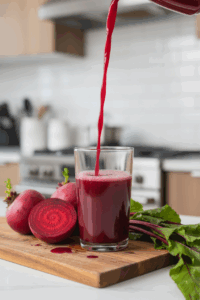
Beet juice stands out among drinks to lower blood pressure because of its nitrate content. Studies suggest that 8 oz (about 240 mL) of beet juice may help lower systolic blood pressure modestly within a few hours. Choose 100% beet juice without added sugar.
Tomato juice, specifically low-sodium versions—can also help. An 8 oz glass may provide around 500 mg of potassium and beneficial antioxidants like lycopene. Look for labels with less than 140 mg sodium per serving to avoid counteracting the benefits.
Green Tea, Hibiscus Tea, and Pomegranate Juice as Drinks to Lower Blood Pressure
Green tea contains catechins, while hibiscus tea has been studied for its mild blood pressure–lowering effects. Steep 1 tea bag in 8 oz hot water (about 175–185°F for green tea) for 3–5 minutes. Drinking 2–3 cups daily is common in studies.
Pomegranate juice offers antioxidants that may support arterial health. Stick to 4–8 oz per day and choose 100% juice without added sugar. Because juice contains natural sugars, moderation matters—especially for people managing diabetes.
Low-fat milk (1% or skim) also earns a spot. An 8 oz serving provides calcium, potassium, and protein. If dairy isn’t tolerated, fortified unsweetened soy milk is a comparable alternative.
How Much of These Drinks to Lower Blood Pressure Should You Have?
After choosing your beverages, portion control and timing matter for drinks to lower blood pressure.

Daily Targets for Drinks to Lower Blood Pressure
A practical daily approach might look like this:
- 6–8 cups water (48–64 oz)
- 1 cup coconut water OR low-sodium tomato juice
- 1 cup green or hibiscus tea
- Optional: 4–8 oz beet or pomegranate juice
That keeps total fluid intake around 8–10 cups while avoiding excessive sugar. If you’re on diuretics (“water pills”), your provider may adjust fluid recommendations.
Timing Tips for Drinks to Lower Blood Pressure
Morning hydration can help stabilize fluid balance after overnight fasting. Try 12–16 oz of water upon waking. Beet juice, if used, is often consumed 2–3 hours before physical activity in research settings.
Tea can replace sugary afternoon beverages. Avoid drinking large amounts right before bed to minimize nighttime bathroom trips. Spacing beverages throughout the day—rather than drinking 40 oz at once—supports steady circulation.
Smart Swaps and Mistakes With Drinks to Lower Blood Pressure
Even heart-friendly beverages can backfire if used incorrectly.
Common Mistakes With Drinks to Lower Blood Pressure
One major mistake is overlooking sodium. Some vegetable juices contain over 600 mg sodium per cup—nearly 25% of the recommended 2,300 mg daily limit in the U.S.
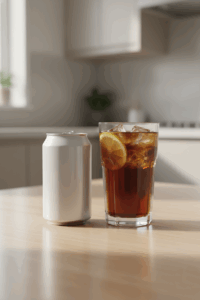
Another issue is added sugar. A single 12 oz sweetened juice drink can contain 30–35 grams of sugar. That’s about 7–8 teaspoons, which may contribute to weight gain and worsen blood pressure long term.
Energy drinks and heavily caffeinated beverages (over 200 mg caffeine per serving) may temporarily raise blood pressure. Alcohol, especially more than 1 drink per day for women or 2 for men, can also elevate readings.
Smart Swaps for Drinks to Lower Blood Pressure
- Choose low-sodium tomato juice (<140 mg per serving).
- Dilute pomegranate juice 50/50 with water.
- Replace soda with unsweetened iced green tea.
- Limit coconut water to 1 cup daily.
- Pick 1% or skim milk instead of whole milk.
- Check labels for “no added sugar.”
- Avoid energy drinks with 200+ mg caffeine.
These simple swaps keep your drinks to lower blood pressure aligned with heart health goals.
When to Talk to Your Doctor About Drinks to Lower Blood Pressure
Finally, beverages are supportive—not standalone treatments.
Red Flags While Using Drinks to Lower Blood Pressure
If your blood pressure consistently reads 180/120 mm Hg or higher, seek immediate medical care. Symptoms like chest pain, shortness of breath, severe headache, or vision changes require urgent evaluation.
Even moderate elevations—like consistent readings above 130/80 mm Hg—should be discussed with a healthcare provider. Home monitors should be calibrated yearly for accuracy.
Medication Interactions With Drinks to Lower Blood Pressure
Some medications interact with nutrients found in drinks to lower blood pressure. For example, ACE inhibitors and potassium-sparing diuretics may increase potassium levels. Drinking multiple high-potassium beverages daily could raise levels too much.
If you take beta-blockers or diuretics, ask your provider whether beet juice, hibiscus tea, or high-potassium drinks are appropriate. A simple blood test can check potassium levels if needed.
Frequently Asked Questions
1. How quickly do drinks to lower blood pressure work?
Some beverages like beet juice may show modest effects within a few hours. However, long-term consistency—weeks to months—matters more than single servings. Think of these drinks as part of an overall pattern, not a quick fix.
2. Can I replace my blood pressure medication with these drinks?
No. Drinks to lower blood pressure are supportive tools, not substitutes for prescribed medication. Never stop medication without medical supervision, even if readings improve.
3. Are fruit juices safe for high blood pressure?
In moderation, yes, especially 100% juice without added sugar. Limit portions to 4–8 oz per day to manage sugar intake. Whole fruit is usually a better daily choice.
4. Is coffee bad for high blood pressure?
Caffeine may temporarily raise blood pressure in some people. If you notice spikes after 1–2 cups (8–16 oz), consider switching to decaf or limiting intake.
5. What is the best single drink to lower blood pressure?
There isn’t one “best” option. Water is foundational, while beet juice and hibiscus tea have specific research support. The strongest results come from combining healthy drinks with diet and lifestyle changes.
Final Thoughts on Drinks to Lower Blood Pressure
Choosing the right drinks to lower blood pressure is a simple, practical step you can take today. Focus on hydration, potassium-rich options, and low-sodium choices available at any U.S. grocery store. Combined with a balanced diet and medical guidance, these beverages may help support healthier numbers over time.
If you found this guide helpful, share it with someone managing high blood pressure—and consider tracking your daily fluid intake this week.
Disclaimer: This content is for informational purposes only and is not a substitute for professional medical advice.

About Jane Smith
We turn solid evidence into everyday habits Americans can actually do—plain English, cups/oz, grocery-aisle swaps, and routines that fit real life. Our editorial process: Experience—we road-test tips in real schedules…