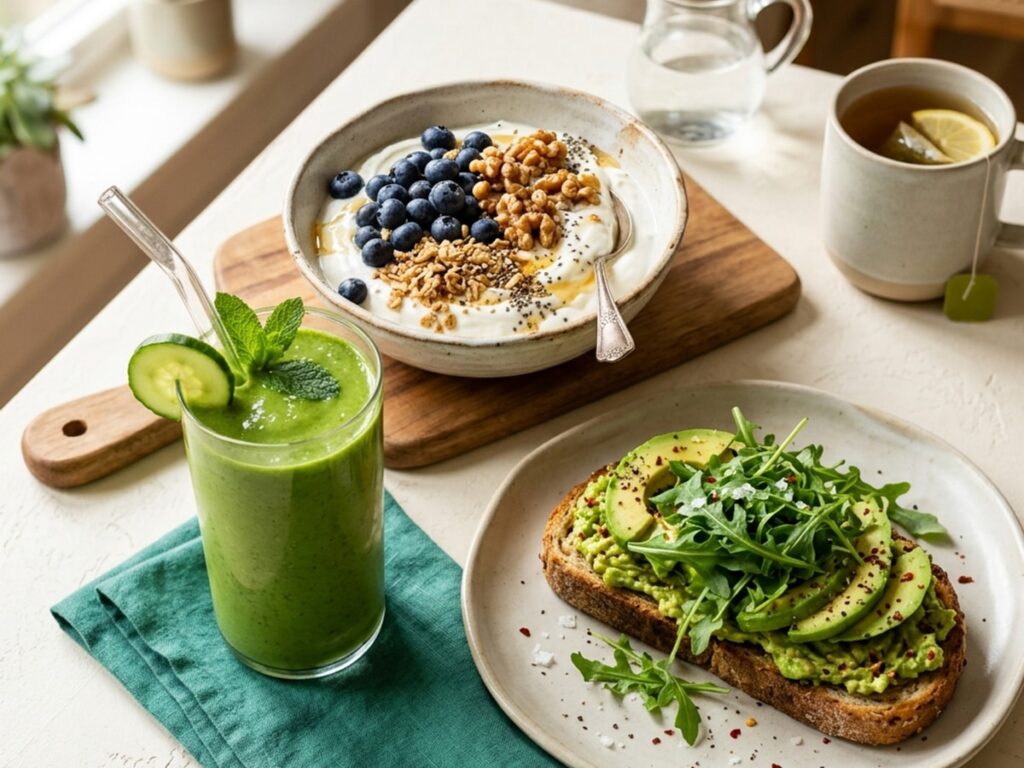
Beetroot Juice Benefits for Heart and Energy
Beetroot juice benefits have gained attention in recent years, especially among people looking for natural ways to support heart health,...
Beetroot juice benefits have gained attention in recent years, especially among people looking for natural ways to support heart health, energy levels, and exercise performance. This vibrant red drink is rich in dietary nitrates, antioxidants, and essential nutrients that may help support circulation and stamina. Many Americans now add beetroot juice to smoothies, wellness routines, or morning drinks.
Below, we explore the most notable beetroot juice benefits, how it may support the body, and how to make a simple recipe at home.
What Are the Top Beetroot Juice Benefits?
Beetroot juice benefits are largely linked to its naturally high nitrate content and powerful antioxidants. When consumed regularly in moderate amounts, beet juice may support cardiovascular health and improve blood flow.
How beetroot juice benefits may support healthy blood pressure
One of the most widely studied beetroot juice benefits involves blood pressure support. Beets contain natural nitrates that the body converts into nitric oxide. This compound helps relax blood vessels and improve circulation.
Several studies suggest drinking about 8 oz (240 ml) of beetroot juice daily may help reduce systolic blood pressure by 4–10 mmHg in some adults. While results vary, improved vessel flexibility can support overall heart health.
For example, someone with mildly elevated blood pressure might incorporate beet juice into a morning smoothie alongside spinach and apple. Over time, consistent intake may help support healthier circulation alongside exercise and balanced eating.
However, beet juice is not a substitute for medication or medical treatment. People with diagnosed hypertension should consult their healthcare provider before making dietary changes.
How beetroot juice benefits may improve circulation
Another key beetroot juice benefit is improved circulation. Nitric oxide not only relaxes blood vessels but also increases blood flow throughout the body. This can support oxygen delivery to muscles, organs, and the brain.
Better circulation may also help reduce fatigue during everyday activities. For instance, adults who drink 6–10 oz (180–300 ml) of beetroot juice before physical activity may notice improved endurance or less perceived exertion.
Improved circulation may also support brain health. Some small studies have observed increased blood flow to certain brain regions in older adults after consuming beet juice.
Although more research is needed, these early findings highlight why beetroot juice benefits are often associated with heart health and improved vascular function.
Can Beetroot Juice Benefits Boost Energy and Exercise Performance?
Beyond heart health, beetroot juice benefits are popular among athletes and fitness enthusiasts. The natural nitrates in beets can influence how efficiently muscles use oxygen during exercise.

Why beetroot juice benefits matter for stamina
One of the most exciting beetroot juice benefits is improved exercise efficiency. When nitric oxide levels increase, muscles may require less oxygen to perform the same level of work.
In endurance sports like cycling or running, this may translate to longer stamina. Some research shows that athletes who drink 8–16 oz (240–480 ml) of beet juice about 2–3 hours before exercise may experience small improvements in performance.
For example, recreational runners preparing for a 5K race might drink beetroot juice the morning of the event. The nitrates could help muscles perform more efficiently during sustained effort.
This doesn’t replace training or conditioning, but beet juice can be a helpful nutritional tool for some athletes.
Who may notice the biggest beetroot juice benefits for energy
Not everyone experiences the same beetroot juice benefits. In general, people who are moderately active or recreational athletes tend to notice the most improvements.
Elite athletes may see smaller effects because their bodies are already highly efficient. However, everyday gym-goers, walkers, or cyclists often report feeling less fatigue during workouts.
For example, someone doing a 30-minute treadmill session might notice improved endurance after drinking beet juice consistently for 1–2 weeks.
Additionally, beetroot juice contains small amounts of iron, vitamin C, and folate, which may contribute to overall energy levels. While these nutrients are not present in huge amounts, they complement a balanced diet.
Does Beetroot Juice Support Skin and Liver Health?
In addition to circulation and stamina, beetroot juice benefits are often discussed in relation to antioxidants and overall wellness.
Beetroot juice benefits for antioxidants and healthy aging
Beets contain compounds called betalains, which act as antioxidants in the body. Antioxidants help protect cells from oxidative stress caused by free radicals.
A typical 8 oz (240 ml) serving of beetroot juice contains a range of phytonutrients that may support cellular health. Over time, antioxidants can contribute to healthy aging and skin appearance.
For instance, some people include beet juice in morning wellness drinks along with carrots and lemon. This combination provides vitamin C and antioxidant compounds that may support skin health.
While beet juice alone will not dramatically change skin appearance, it can be part of a nutrient-rich diet that supports overall health.
What to know about beetroot juice benefits for detox
Many wellness trends claim beetroot juice supports “detox.” In reality, the body already has built-in detox systems — primarily the liver and kidneys.
However, beetroot juice benefits may support these natural processes indirectly. Beets contain compounds like betaine, which may help support liver function and fat metabolism.
For example, including beets in meals two or three times per week may help provide nutrients that support liver health. Beet juice can be a convenient way to consume these compounds.
Still, it’s important to avoid exaggerated detox claims. Beet juice supports healthy nutrition but does not replace medical detox treatments or clinical care.
How to Make Beetroot Juice at Home
Fortunately, you can enjoy beetroot juice benefits with a simple homemade recipe using fresh ingredients from most U.S. grocery stores.
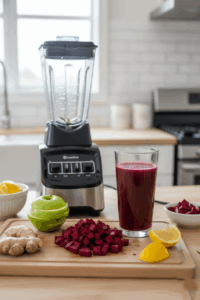
Ingredients for a beetroot juice recipe
A simple recipe requires only a few ingredients commonly available in supermarkets.
Ingredients
- 2 medium s, peeled and chopped
- 1 apple, cored
- 1 small piece ginger (about 1 inch / 2.5 cm)
- ½ lemon, peeled
- ½ cup water (120 ml), if blending
These ingredients balance the earthy flavor of beets with sweetness and acidity.
Easy step-by-step beetroot juice preparation
- Wash and peel the beets, then cut them into small chunks.
- Core the apple and cut it into slices.
- Peel the ginger and lemon to remove bitterness.
- Add all ingredients to a juicer or blender.
- If using a blender, add ½ cup (120 ml) water for smoother blending.
- Blend for about 30–45 seconds until smooth.
- Strain through a fine mesh sieve or cheesecloth if desired.
- Pour into a glass and serve chilled.
This recipe typically yields 1–2 servings (8–12 oz / 240–360 ml).
Tips, Safety, and Best Ways to Drink It
To maximize beetroot juice benefits, it helps to understand the best ways to incorporate it into your routine.
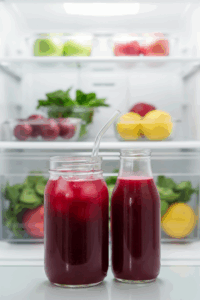
Best time to drink beetroot juice benefits
Many people drink beetroot juice in the morning or before exercise. For athletic benefits, experts often suggest consuming it 2–3 hours before physical activity.
This allows the body time to convert nitrates into nitric oxide. A common serving size is 8–10 oz (240–300 ml).
Others prefer drinking beet juice with breakfast or as an afternoon energy boost. Pairing it with protein or healthy fats may help balance blood sugar.
Side effects, storage, and serving tips
Beetroot juice is generally safe, but there are a few things to keep in mind.
Tips & swaps
- Beet juice may cause pink urine or stool; this harmless effect is called beeturia.
- Limit portions to about 8–12 oz per day unless advised otherwise.
- Store fresh juice in the refrigerator up to 24 hours.
- Add carrots or oranges to soften the earthy taste.
- Use chilled beets for a refreshing summer drink.
- Drink with a straw to reduce potential tooth staining.
Moderation is key to enjoying beetroot juice benefits safely.
FAQ: Beetroot Juice Benefits
Is beetroot juice good for blood pressure?
Beetroot juice benefits may include modest blood pressure support due to natural nitrates that help relax blood vessels. Some studies show reductions of 4–10 mmHg in systolic blood pressure after consistent intake. However, results vary and beet juice should not replace medical treatment or prescribed medication.
How much beetroot juice should you drink daily?
Most research uses 8–12 oz (240–350 ml) of beetroot juice per day. Drinking more is not necessarily better and may cause digestive discomfort in some people. Start with a small serving and observe how your body responds.
When is the best time to drink beetroot juice?
For exercise performance, beetroot juice benefits are often strongest when consumed 2–3 hours before activity. For general wellness, many people drink it in the morning with breakfast or as part of a smoothie.
Does beetroot juice help with energy?
Beetroot juice benefits may support energy by improving circulation and oxygen delivery to muscles. Some people notice better endurance during workouts or less fatigue during daily activities, particularly when drinking it consistently for 1–2 weeks.
Can beetroot juice improve skin health?
Beetroot juice contains antioxidants such as betalains and vitamin C that support cellular health. While it won’t transform skin overnight, including beet juice in a balanced diet may help support healthy skin over time.
Disclaimer: This content is for informational purposes only and is not a substitute for professional medical advice.

About Jane Smith
We turn solid evidence into everyday habits Americans can actually do—plain English, cups/oz, grocery-aisle swaps, and routines that fit real life. Our editorial process: Experience—we road-test tips in real schedules…