The Fiber Trap: 10 High-Fiber Foods for Gentle Bowel Regularity
You are bloated, deeply uncomfortable, and haven’t had a proper bowel movement in days. You go to the doctor, and...
You are bloated, deeply uncomfortable, and haven’t had a proper bowel movement in days. You go to the doctor, and they give you the standard advice: “Eat more fiber.”
So, you go home and force down a massive bowl of raw kale, wheat bran cereal, and a handful of dry almonds. You wait for the relief. But instead of feeling better, your stomach expands like a balloon, the cramping gets worse, and you feel more backed up than ever. This is exactly why this kind of fiber overload can leave you bloated after eating instead of relieved.
What went wrong? Welcome to The Fiber Trap.
If you are currently experiencing a severe backup, eating the wrong type of fiber is like sending more cars into a traffic jam. It doesn’t clear the road; it just creates a bigger blockade. If the traffic jam is already bad, start with what to do right now if the traffic jam is already severe. To achieve gentle digestion and true regularity, you need to understand the difference between “The Broom” and “The Sponge.”
Soluble vs. Insoluble Fiber: The Traffic Jam Metaphor
Not all fiber is created equal. The reason that bowl of raw kale made you feel worse is that it is primarily made of Insoluble Fiber.
Insoluble Fiber (The Broom)
Found in wheat bran, raw vegetables, and the tough skins of fruits, insoluble fiber does not dissolve in water. Its primary job is to add bulk to your stool. Think of it as a broom. If your pipes are clear, the broom sweeps everything out efficiently. But if your pipes are blocked, shoving a stiff broom down them only packs the blockage tighter.
Soluble Fiber (The Magic Gel)
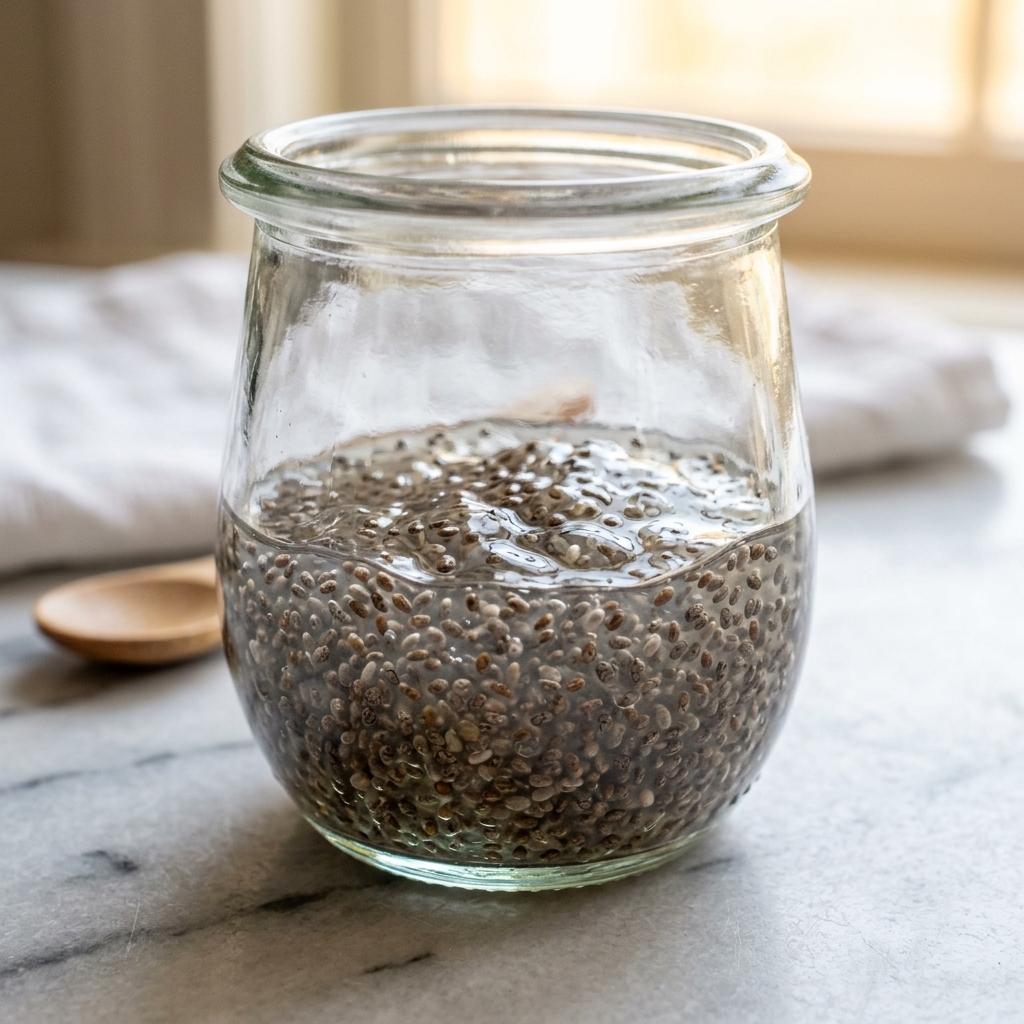
Found in oats, chia seeds, and the fleshy inside of apples, Soluble Fiber is what you actually need when you are constipated. According to WebMD, soluble fiber dissolves in water to form a thick, soothing, viscous gel. This gel coats the lining of your gastrointestinal tract, softens hard stools, and allows them to slide out effortlessly. It doesn’t add hard bulk; it adds lubrication.
(Note: The Mayo Clinic highlights that soluble fiber can help lower blood cholesterol and glucose levels, while significantly improving stool consistency).
The Golden Rule: The Psyllium Husk Warning
Before we get to the grocery list, there is a critical warning we must share—a mistake that thousands of people make every day.
Soluble fiber supplements, particularly Psyllium Husk, are hailed as miracle workers for bowel regularity. However, on forums across the internet, you will find countless horror stories of people claiming psyllium made their constipation infinitely worse.
Why? Because hydration is the vehicle that drives fiber. The Cleveland Clinic warns that increasing fiber without increasing fluid intake can actually worsen constipation.
If you consume high-soluble fiber foods or supplements without drinking at least two large glasses of water, that “Magic Gel” has no liquid to absorb. Instead of turning into a lubricating gel, it steals the remaining water from your colon and turns into dry concrete.
The Rule: You cannot have fiber without water. They must always go together.
The “Gentle Digestion” Grocery List: Top 10 Soluble Fiber Foods
If your goal is gentle, soothing bowel regularity without the painful bloating, focus on these 10 gel-forming foods (you can also view the broader high-fiber foods list for when your gut is stable enough to expand beyond the gentle version):
- Chia Seeds & Flaxseeds: The ultimate gel creators. When you soak chia seeds in water or almond milk, you can physically watch them swell and form a thick gel within minutes. This is exactly what they do inside your colon.
- Oats (Beta-Glucan): Oats contain a specific type of soluble fiber called Beta-Glucan. A warm bowl of oatmeal, or the gut-friendly overnight oats version that stays softer on a sluggish gut, is incredibly soothing for an inflamed, sluggish gut.
- Apples (Without the Skin): While the skin of an apple is pure insoluble fiber (which is hard to digest), the inside flesh is packed with Pectin. Pectin is a powerful soluble fiber that naturally draws water into the bowels.
- Beans & Lentils (Properly Soaked): Legumes are high in both types of fiber, but they are exceptionally rich in soluble fiber. To make them easier to digest and prevent gas, ensure you soak them overnight before cooking.
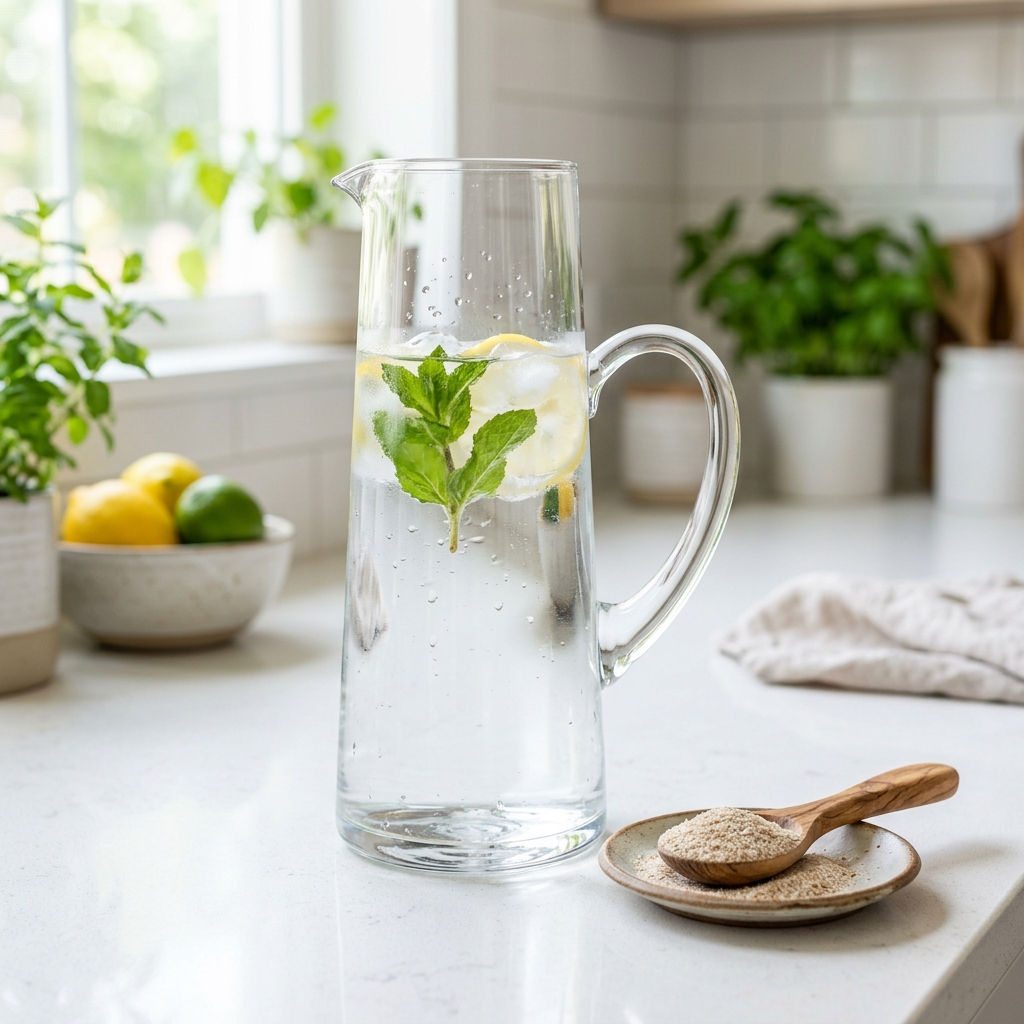
- Psyllium Husk: The heavy-hitter of the fiber world. A single tablespoon of psyllium husk powder in a tall glass of water can provide rapid relief. Just remember the Golden Rule: drink water immediately after!
- Avocados: Avocados are uniquely beneficial for constipation. Not only are they packed with soluble fiber, but they are also rich in healthy fats, creating a double-lubrication effect for your digestive tract.
- Sweet Potatoes (Inside Flesh): A warm, baked sweet potato is incredibly easy to digest. The soft inside flesh provides a gentle dose of soluble fiber that acts as a soothing balm for an irritated colon.
- Pears (Peeled): Pears are exceptionally high in both fructose and pectin. This combination naturally pulls water into the intestines, acting as a gentle, natural osmotic laxative.
- Barley: Often overlooked, barley contains the same incredible beta-glucan gel-forming fiber as oats. It is the perfect addition to warm, comforting soups when your digestion feels sluggish.
- Cooked Carrots: While raw carrots are hard and full of insoluble roughage, boiling them breaks down their tough cellular structure. This makes their soluble fiber easily accessible and very gentle on the stomach.
7-Day Gentle Digestion Meal Plan
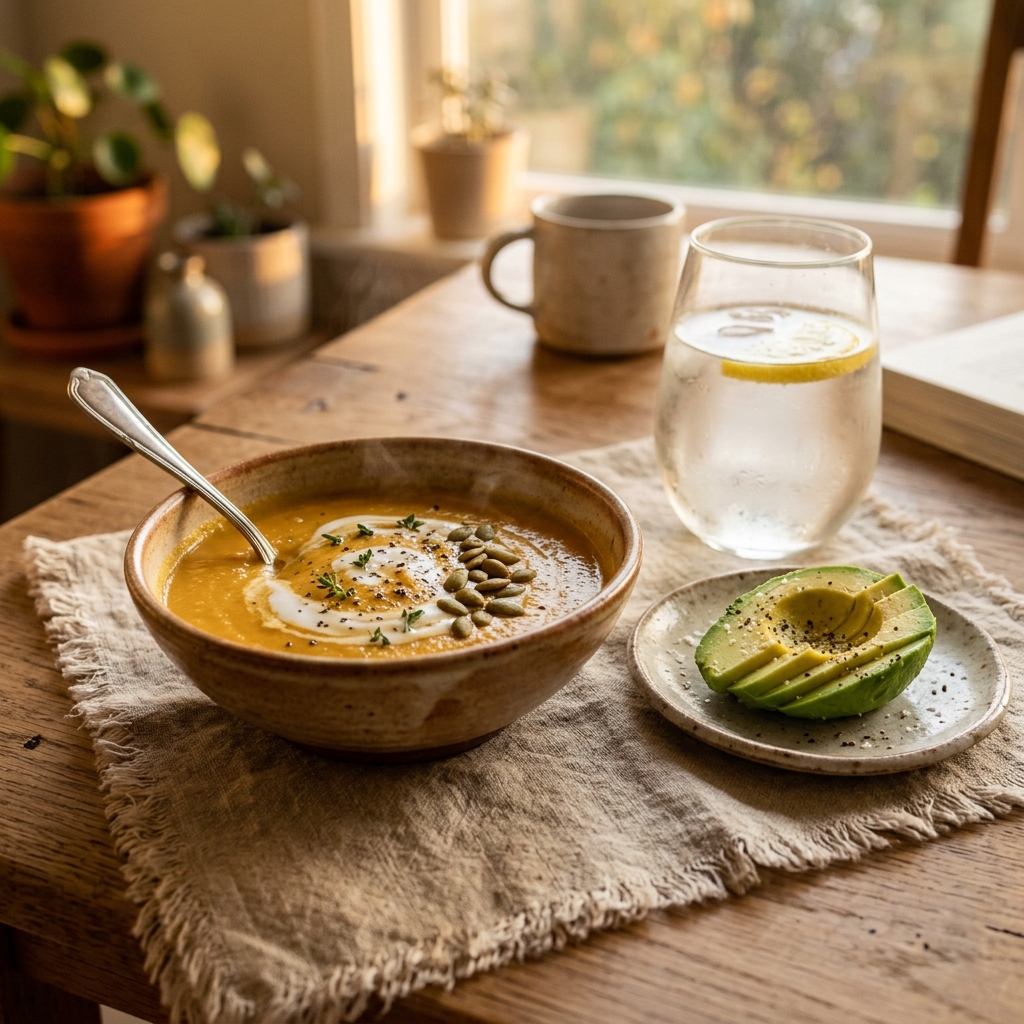
To help you escape the constipation trap immediately, we have crafted a 7-day meal plan that utilizes the 10 soluble fiber foods listed above. This plan is designed to be gentle, highly hydrating, and specifically targeted at softening stool. For a broader day-by-day structure, use a gut-healthy meal plan built around calm digestion instead of fiber overload.
| Day | Breakfast | Lunch | Dinner / Snack |
|---|---|---|---|
| Monday | Warm Oatmeal topped with 1 tbsp soaked Chia Seeds | Creamy Carrot and Sweet Potato Soup | 1/2 Avocado on sourdough toast + large glass of water |
| Tuesday | Overnight Oats with peeled Apples (Pectin) | Lentil Stew (soak lentils overnight first) | Peeled Pear slices with 1 tbsp soaked Flaxseeds |
| Wednesday | Warm Barley Porridge with almond milk | Baked Sweet Potato (inside flesh only) with olive oil | Glass of water with 1 tbsp Psyllium Husk (Drink 2 glasses!) |
| Thursday | Chia Seed Pudding (soaked overnight in coconut milk) | Soft cooked Carrots and Chicken Broth | 1/2 Avocado and peeled Pear slices |
| Friday | Warm Oatmeal with cooked apples (applesauce consistency) | Barley and Bean Soup (gentle on the gut) | Small baked Sweet Potato (inside flesh only) |
| Saturday | Overnight Oats with soaked Flaxseeds | Lentil and Avocado mash | Glass of water with 1 tbsp Psyllium Husk + extra hydration |
| Sunday | Chia Seed Pudding topped with peeled Pear | Creamy Sweet Potato Soup | Soft boiled Carrots with a drizzle of olive oil |
Frequently Asked Questions
Can too much fiber cause constipation?
Yes. If you increase your fiber intake too quickly, or if you consume large amounts of insoluble fiber without adequate water, it can cause severe impaction and bloating.
Are bananas good for constipation?
It depends on the ripeness. Fully ripe, yellow bananas contain soluble fiber that can help regularity. However, green, unripe bananas contain high amounts of resistant starch and tannins, which can actually cause constipation. Read how banana ripeness changes from constipation-triggering starch to gentler soluble fiber.
How long does it take for high-fiber foods to work?
Depending on your hydration levels and your body’s natural metabolic rate, dietary fiber usually takes between 12 to 72 hours to positively affect a bowel movement.
Conclusion
Stop forcing “The Broom” down your throat when your system is blocked. When you are feeling backed up, ditch the raw salads and dry grains. Instead, turn to “The Gel.” Soak your chia seeds, peel your apples, bake your sweet potatoes, and drink more water than you think you need. Gentle digestion is always better than forced digestion.

About Mr. Anh
We turn solid evidence into everyday habits Americans can actually do—plain English, cups/oz, grocery-aisle swaps, and routines that fit real life. Our editorial process: Experience—we road-test tips in real schedules…