The Cooling Hack: How to Make Resistant Starch Rice & Potatoes
Disclaimer: I’m trained in traditional medicine in Vietnam, but I’m not currently practicing medicine or providing personal diagnosis or treatment...
Disclaimer: I’m trained in traditional medicine in Vietnam, but I’m not currently practicing medicine or providing personal diagnosis or treatment advice through this website. I write from personal experience, ongoing research, and my own food-first wellness experiments. My work explores digestion, daily energy, traditional self-care, movement, breathwork, meditation, and simple habits that support everyday well-being. Everything I share here is educational and reflective, not medical advice. It should not replace diagnosis, treatment, or care from a licensed healthcare professional.
Do you avoid rice, potatoes, and bread because you’re afraid of the “carb crash” and blood sugar spikes? You are not alone. Many of us have been taught that these comfort foods are the enemies of a healthy gut and a slim waistline.
But what if you could change the molecular structure of these foods just by putting them in the refrigerator overnight?
By using a simple, science-backed kitchen technique called “retrogradation,” you can turn everyday carbohydrates into gut-healing superfoods. In this guide, we’ll show you exactly how to make resistant starch rice, why freezing bread works, and answer the most important question: does reheating cold potatoes destroy resistant starch? (Spoiler: It doesn’t).

For the bigger picture, see our complete guide to resistant starch.
Related: see it in action with cold sweet potato.
What is Starch Retrogradation? (The Science Made Simple)
When you cook starchy foods in water, the starch granules swell and become easy for your body to digest. If you eat them right away, they are rapidly broken down into glucose in your small intestine, causing a blood sugar spike.
However, if you let those foods cool down—specifically in the refrigerator for 12 to 24 hours—something magical happens. Imagine the starch molecules like a loosely packed puzzle. As the temperature drops, the puzzle pieces lock together tightly, forming a crystal-like structure.
Because this new “tight” structure resists digestion in the small intestine, it is known as resistant starch. Instead of spiking your blood sugar, it travels all the way down to your colon, where it becomes a “Prebiotic Feast” for your beneficial gut bacteria. The result? Less bloating, steadier energy, and a happier microbiome.
The Big Myth: Does Reheating Cold Potatoes Destroy Resistant Starch?
Here is the biggest misconception about resistant starch: people think they have to eat cold potato salad or cold rice to get the benefits. If you have a sensitive stomach, eating cold food can actually slow down your digestion.
So, does reheating cold potatoes destroy resistant starch? The scientific answer is NO.
Once the resistant starch structure is formed in the refrigerator, it becomes highly stable. According to health authorities like Healthline and the University Hospitals, reheating previously cooled starches to a normal eating temperature does not significantly decrease the resistant starch levels. In fact, some clinical studies suggest that the heating-cooling-heating cycle might actually lock the structure in place even further.
You do not have to eat cold food. You can enjoy a warm, comforting bowl of rice or a hot baked potato while still reaping all the prebiotic benefits.
The Coconut Oil Trick: How to Make Resistant Starch Rice
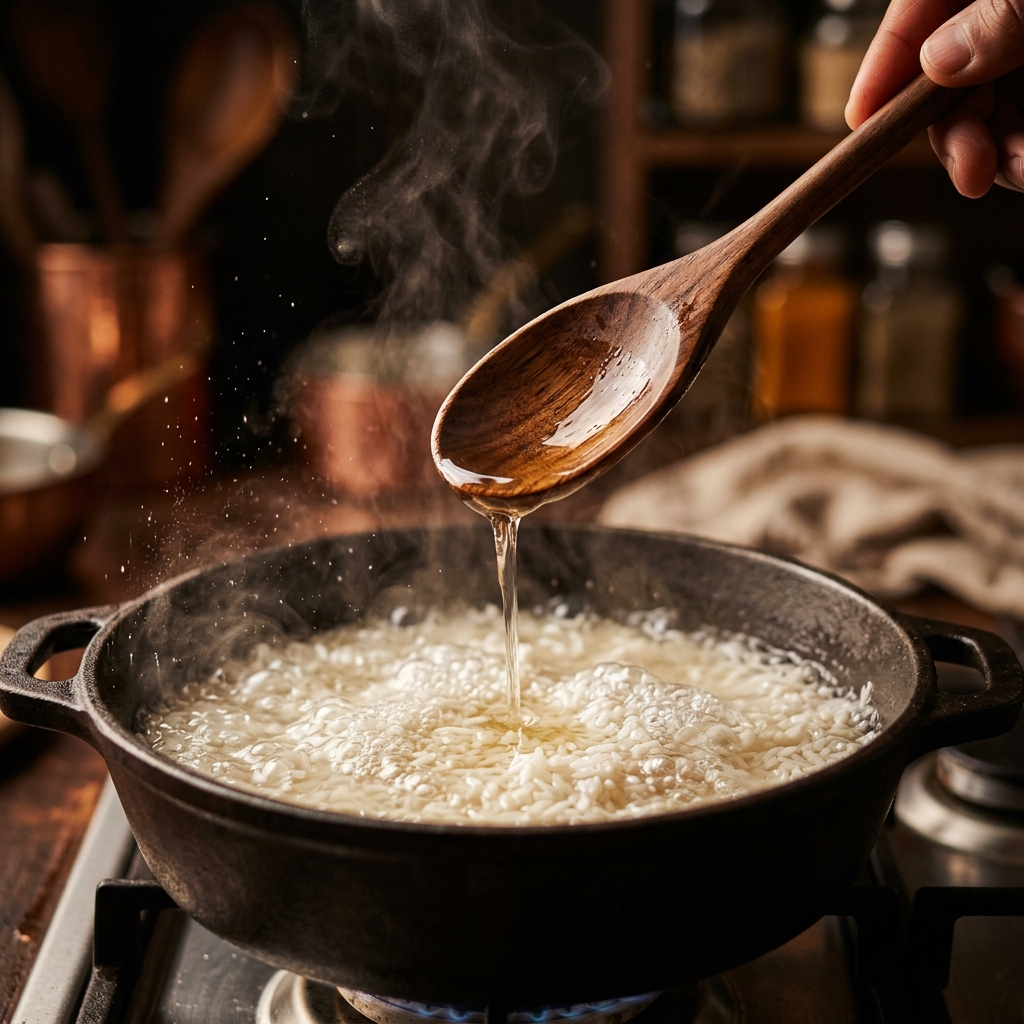
If you want to maximize the gut-healing power of your rice, you need to try the “Coconut Oil Hack.” Lipids (fats) naturally bind to starch molecules during the cooking process, helping them crystalize better when cooled.
- Boil the Water: Bring water to a boil in your pot or rice cooker.
- Add the Secret Ingredient: Add 1 teaspoon of virgin coconut oil into the boiling water.
- Cook: Add your white or brown rice and cook as you normally would.
- The Critical Step: Once cooked, let the rice cool at room temperature for 30 minutes, then place it in the refrigerator for exactly 12 to 24 hours. (Do not skip this!)
- Enjoy: Reheat the rice in the microwave or on the stove and serve.
By simply treating your rice as a “make-ahead” meal, you are dramatically lowering its glycemic impact.
Freezing Bread & Cooling Potatoes
The cooling hack applies to almost all starchy carbohydrates:
- Freezing Bread Resistant Starch: Don’t leave your bread on the counter. Slice it and put it directly into the freezer. Freezing bread alters its starch structure. When you pop a frozen slice straight into the toaster, it maintains a lower glycemic index compared to fresh bread, a finding supported by Diabetes Canada.
- The Potato Hack: Boil or bake your potatoes (leave the skin on for extra fiber!). Let them cool overnight in the fridge. The next day, chop them up and lightly roast or reheat them for a gut-friendly side dish.
Smart Ways to Repurpose Leftovers (Zero-Waste & Gut-Healthy)
Transforming leftovers into resistant starch is the ultimate kitchen hack. Instead of viewing leftovers as boring, treat them as upgraded ingredients:
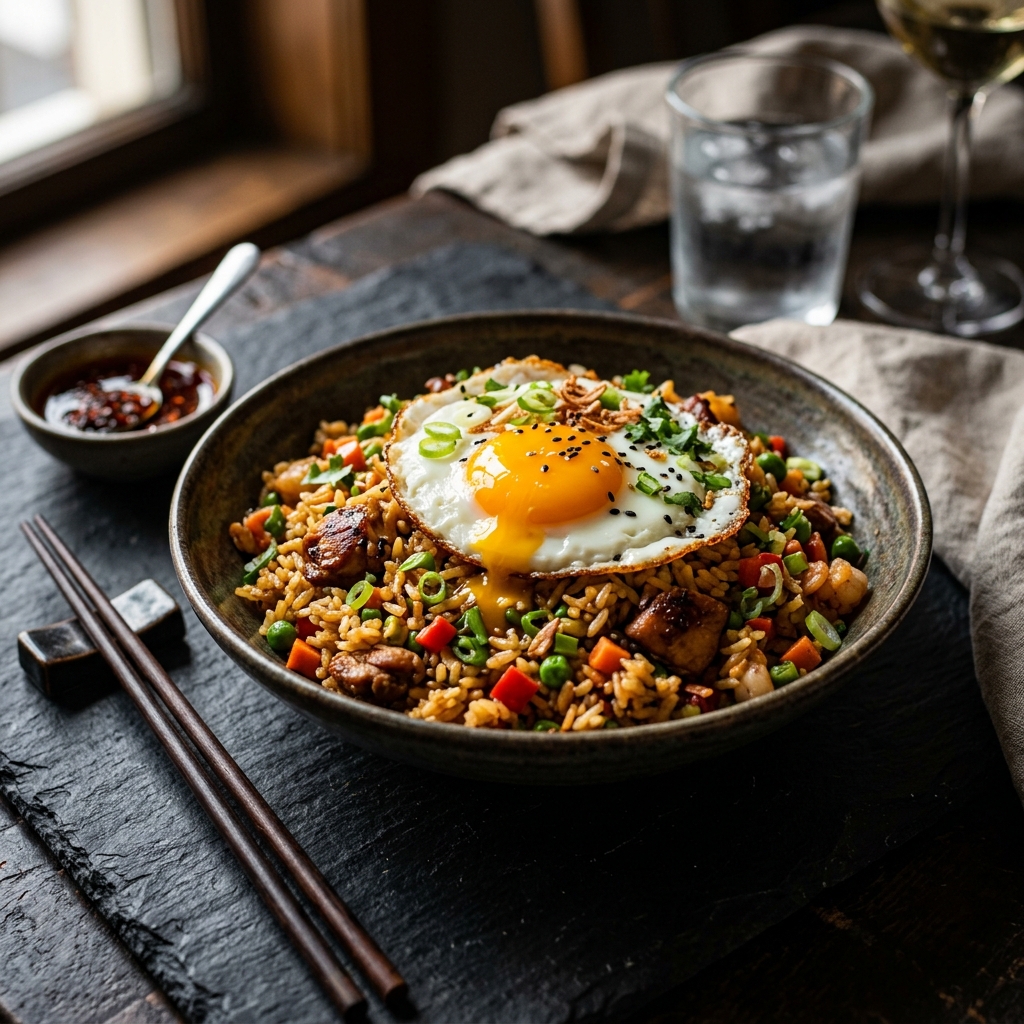
- Next-Day Fried Rice: Cold, day-old rice is actually the only way to make perfect fried rice without it getting mushy. Toss the cold rice in a pan with some olive oil, veggies, and an egg for a fast, blood-sugar-friendly meal.
- Breakfast Potato Hash: Take those boiled, cooled potatoes from last night, dice them up, and briefly pan-fry them with onions and peppers for a hearty breakfast.
- Cold Pasta Salad: If you prefer it cold, toss day-old pasta with olive oil, tomatoes, and herbs. The WebMD guidelines note that pasta salads are a fantastic source of resistant starch.

The 3-Day “Leftover” Experiment
Don’t just take our word for it—listen to your gut. We challenge you to a 3-day experiment using your Food Journal.
Day 1: Eat freshly cooked, hot white rice with your lunch. Note your energy levels and digestion 2 hours later. (Do you feel the classic afternoon “carb crash”?)
Day 2: Cook a batch of rice using the Coconut Oil Hack and put it in the fridge overnight.
Day 3: Reheat the cold rice and eat it with your lunch. Pay close attention to how you feel.
Most people notice an immediate absence of the afternoon crash and a feeling of sustained, comfortable fullness. Carbs are not the enemy if you know how to prepare them. The cooling hack is a zero-effort way to upgrade your meals into superfoods.
Disclaimer: The information provided on EssentialWellnessAZ is for educational purposes only. It is not intended as a substitute for professional medical advice, diagnosis, or treatment.

About Mr. Anh
We turn solid evidence into everyday habits Americans can actually do—plain English, cups/oz, grocery-aisle swaps, and routines that fit real life. Our editorial process: Experience—we road-test tips in real schedules…