Gut Microbiome: What It Does and 5 Ways to Improve It

Confused by all the gut-health advice online? This guide explains what the gut microbiome actually does and the biggest levers that improve it in real life.

The gut microbiome seems to be blamed for all our problems: bloating, cravings, lack of energy, bad skin, poor sleep, erratic digestion. Does that sound familiar? I completely understand why people feel confused. The gut microbiome is a concept everyone has heard of, but few truly understand how it affects their daily lives.

In this article, I’ll help you clarify: What exactly is the gut microbiome, what does a healthy one mean, and 5 factors that impact it faster than any dietary supplement. Let’s explore!

Quick Takeaways:
  • Your gut microbiome is the community of microbes in your digestive tract and the jobs they perform
  • There is no single perfect microbiome score that defines health for everyone
  • The biggest levers are plant diversity, fermented foods, damage control, consistency, and smarter supplement use
  • Diet can shift the gut microbiome within days, but durable improvement takes repetition
  • Food and routine usually matter more than chasing the biggest probiotic bottle

What the Gut Microbiome Actually Is

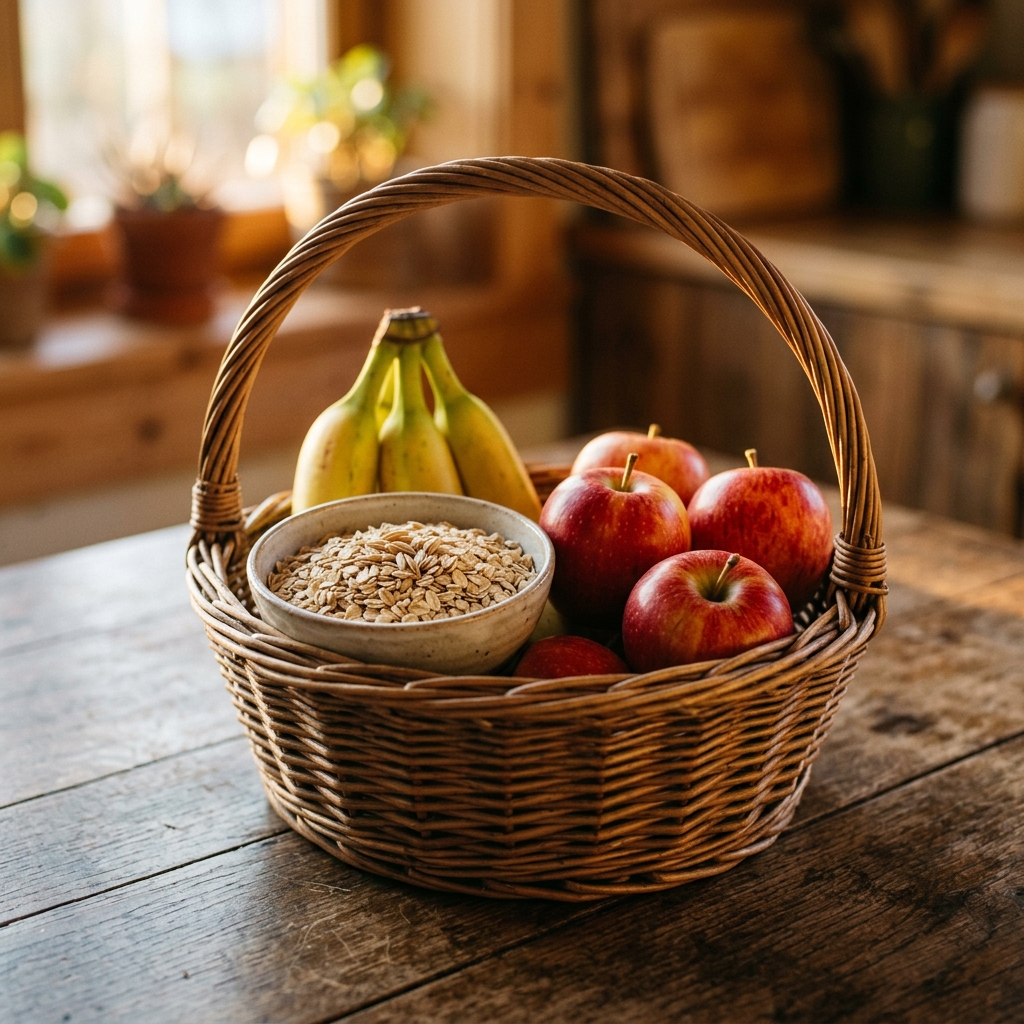
Gut microbiome concept foods with oats yogurt greens and a calm kitchen setup

The gut microbiome is not one magic organ, one probiotic strain, or one lab score. It’s an ecosystem.

Technically, “gut microbiota” usually refers to the organisms living in your digestive tract, while “gut microbiome” is the broader term that includes those organisms plus their genes and functions. In normal-person language, it’s the living community in your intestines that helps process food, produce useful compounds, interact with your immune system, and influence how your gut feels day to day. The NIH Human Microbiome Project helped establish how important these microbial communities are to human physiology, immunity, and nutrition.

Here’s why that matters to you practically: your gut often reacts to more than food alone. Your microbiome helps break down fibers you can’t digest on your own, produces compounds such as short-chain fatty acids, and connects to the broader gut-brain connection symptoms conversation. That’s one reason digestion, stress, and mood so often travel together.

When I started paying attention to this, the biggest shift for me was dropping the cartoon version of gut health. It’s not “good bacteria versus bad bacteria.” It’s more about balance, resilience, and function than a perfect bacteria lineup.

What a Healthy Gut Microbiome Really Means

Healthy gut microbiome foods with varied plants and simple whole foods on a table

Most people searching for a healthy gut microbiome want a clean answer. What’s normal? What’s bad? Do I need to fix mine? Sound familiar? The problem is that science isn’t that neat yet.

Different healthy people can have different microbiome patterns. Diversity often matters, but it isn’t the only thing that matters, and it isn’t always a perfect shorthand for health. A 2021 clinical review on microbiome-based diagnostics made this clear: we still do not have one universally validated definition of a “normal” microbiome that consumers can use like a cholesterol score. 

So what does a healthier gut microbiome look like in real life? Usually not perfection. Usually more resilience. Your digestion feels steadier. You tolerate a wider range of whole foods. You aren’t relying on extremes just to stay regular. And your body handles the occasional stressful week or off-plan meal without completely falling apart.

That’s also why I think people get more value from learning the biggest levers than from obsessing over a mystery score. If you’ve already got ongoing bloating, constipation, or odd food tolerance shifts, it makes more sense to read those patterns alongside a symptom guide like signs of poor gut health instead of assuming a test alone will decode everything.

How to Improve Your Gut Microbiome With the 5 Biggest Levers

Gut microbiome foods and fermented staples with kefir yogurt kimchi and beans

If you want to improve your gut microbiome, here’s the part that actually matters: your microbiome responds most to what you repeatedly feed it, what you repeatedly disrupt it with, and how stable your routine is. That’s the control panel.

Feed it more plant diversity

This is the lever most people underestimate. They focus on one probiotic or one trendy powder when the bigger issue is that they’re eating the same foods all week.

Data from the American Gut Project helped popularize a useful benchmark: people who ate a wider variety of plant foods tended to have more favorable microbiome diversity patterns. That doesn’t mean you need an Instagram-worthy produce board every day. It means aiming toward a broader range of plants over the week. Vegetables, fruits, beans, lentils, herbs, spices, nuts, seeds, and whole grains all count.

What’s worked best for me is thinking in weekly variety, not daily perfection. Oats at breakfast. Beans at lunch. Garlic and onions at dinner. Chia or flax in yogurt. Berries instead of the same fruit every day. It’s boring advice. But boring advice is often what actually works.

Add fermented foods before you add more hype

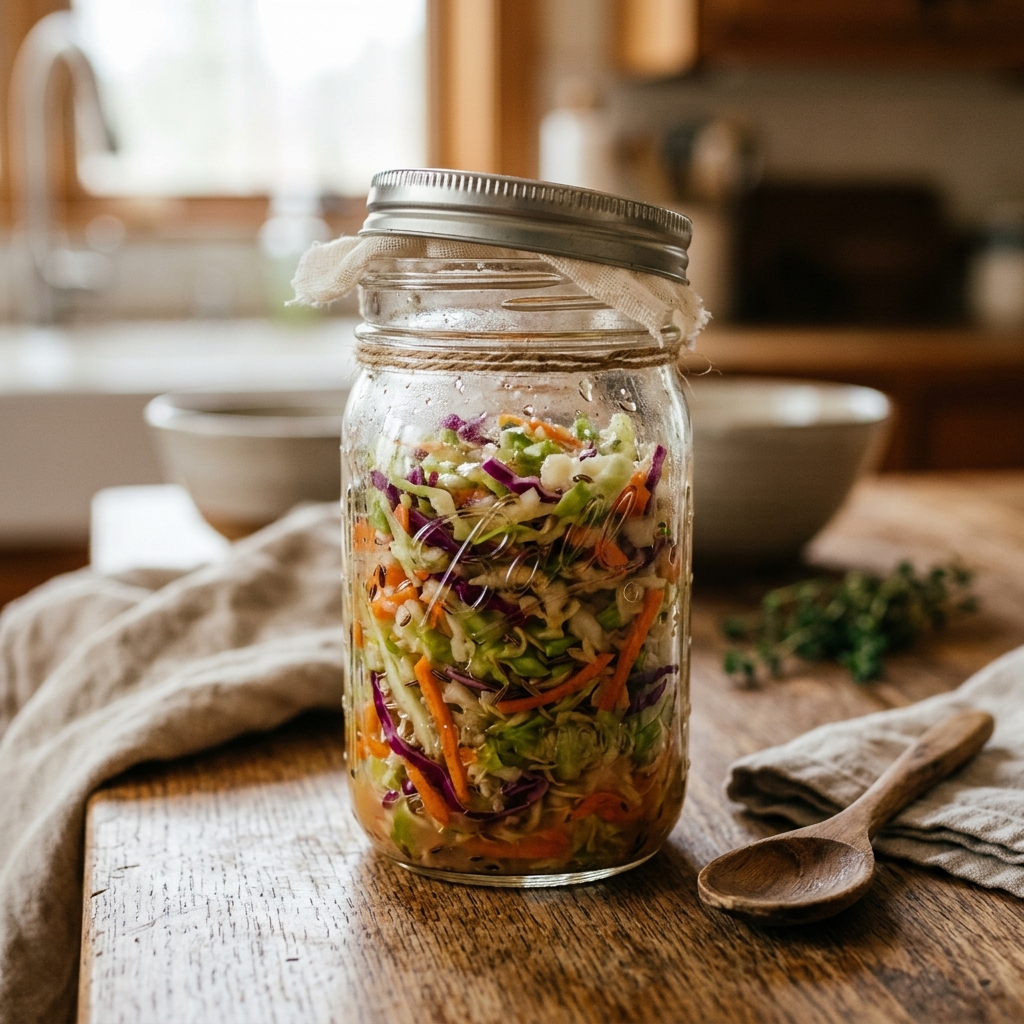
Fermented foods deserve their place in the conversation, but they work best as a repeatable habit, not a weekend detox move. Plain yogurt, kefir, kimchi, sauerkraut, miso, and tempeh are the most practical starting points.

A study published in Cell in 2021 found that adults assigned to a high-fermented-food diet increased microbiome diversity and lowered several inflammatory markers over 10 weeks.  That’s a strong signal. Not because fermented foods magically fix every gut issue, but because they give you a clear food-first way to reinforce the microbiome over time.

If convenience is your biggest problem, this is where Thrive Market can actually make sense. It’s an easy way to keep pantry staples around like oats, beans, chia, yogurt add-ins, and fermented basics without depending on whatever happens to be in the fridge that week.

Protect your gut microbiome from the biggest disruptors

Supporting the gut microbiome is only half the job. Protecting it matters just as much.

Antibiotics are the clearest example. They’re absolutely necessary when you need them, but they can also disrupt microbial balance. A 2011 study in PNAS found that repeated antibiotic exposure led to individualized responses and, in some cases, incomplete microbiome recovery. That doesn’t mean “never take antibiotics.” It means use them when medically appropriate, then be realistic about the recovery window instead of expecting your gut to bounce back overnight.

The less dramatic disruptors matter too. Ultra-processed foods dominating your diet. Excess alcohol. Chronic stress. Bad sleep. None of those are flashy topics, but they shape gut microbiome health more reliably than most social-media hacks. In my experience, people often underestimate how much their worst gut weeks overlap with their worst sleep and stress weeks.

Pace your routine so your gut can adapt

This one gets ignored all the time. People jump from low fiber and no ferments to kombucha, prebiotic powder, probiotic capsules, raw sauerkraut, and a giant smoothie in the same week. Then they decide their gut “can’t handle healthy food.”

Usually the issue isn’t the idea. It’s the speed.

If your digestion gets bloated easily, the gut microbiome often responds better to a slower ramp. One fermented food, not three. More oats and beans over time, not a huge fiber spike overnight. A calmer breakfast before you add more powders. If you’re coming off a chaotic eating stretch or your stomach already feels reactive, slower is almost always smarter. If that sounds familiar, how to debloat in 7 days is the better next read before you stack more gut products on top of irritation.

Use probiotics as a tool, not a shortcut

Probiotics belong in the conversation, but they shouldn’t replace the conversation. They’re strain-specific, not interchangeable, and not mandatory for every person trying to improve gut microbiome health.

I think probiotics make the most sense when your routine has already improved a little and you want a measured next step. After antibiotics is one example. Very low fermented-food intake is another. Mild digestive imbalance with bloating or regularity issues is another. That’s where a product like Life Extension FLORASSIST GI or FLORASSIST Balance can fit naturally, depending on your symptoms. If you want a more symptom-matched breakdown, best probiotics for bloating is the best companion article to read next. And if you’re still sorting out food versus supplement roles, go to probiotic vs prebiotic.

If you want the simplest supplement option after the food-and-routine basics are in place, Life Extension is the approved brand I’d compare first because the line is built around digestive comfort and regularity support instead of generic hype language. 

How Fast Can the Gut Microbiome Change?

Gut microbiome diet change scene with simple meals and plant foods in bright light

This is one of the most useful questions readers ask because it resets expectations. The answer is: faster than most people think, but not in the way wellness marketing suggests.

A study published in Nature in 2014 found that short-term diet changes could alter the human gut microbiome rapidly and reproducibly.  That’s important because it means your food choices count right away. You do not need six months before your body notices a shift in what you eat.

But here’s the catch. “Changes can start in days” is not the same as “your gut is fixed in days.” Quick microbiome changes do not mean your symptoms and habits are fully rebuilt in one clean-eating weekend. It means your daily choices are worth taking seriously.

That’s why I prefer the language of momentum instead of reset. A few better meals matter. A week of better plant diversity matters. Adding fermented foods consistently matters. So does a calmer evening routine. If you want that structure spelled out, gut-healthy meal plan is a much better next step than another dramatic cleanse.

Recovery after antibiotics follows the same logic. Yes, the gut microbiome can recover, but the timeline is variable and incomplete recovery can happen for some people. If you’ve recently taken antibiotics, use a little patience here. Food, sleep, hydration, and steadier routines usually matter more than trying to panic-buy your way out of it.

A Simple Daily Routine That Supports Your Gut Microbiome

Gut microbiome daily routine foods with breakfast bowl vegetables and seeds

The gut microbiome responds to repeated inputs, so the best routine is the one you can actually repeat on a normal week.

In the morning, start with a simple fiber anchor instead of a supplement pile. Overnight oats with chia, flax, berries, and plain yogurt is one of the easiest microbiome-supportive breakfasts because it combines plant variety with a fermented food. If you do not tolerate dairy well, eggs with greens and a side of cooked vegetables can still give your gut a calmer start.

At midday, use a diversity-plate rule. Pick a protein. Add two vegetables. Add one fiber-rich carb or legume. Then add one extra “flavor plant” such as garlic, onion, herbs, or seeds. If beverages are where your routine falls apart, gut health drinks can help you choose options that support digestion instead of making symptoms noisier.

In the evening, think protect, not overload. If bloating is active, smaller meals and calmer inputs usually beat giant salads and late-night snacks. A short walk after dinner helps. So does a predictable bedtime. If your gut feels irritated or extremely reactive, how to reduce gut inflammation quickly is the better next read than trying to brute-force more fiber.

The weekly target matters more than any one perfect day: more plant variety, one fermented food most days if tolerated, and less product stacking.

The Biggest Mistakes People Make With Gut Microbiome Health

Gut microbiome mistakes scene with supplements kombucha and whole-food contrast

The biggest mistake is thinking the gut microbiome is just a probiotic problem. It isn’t. Probiotics can help in the right context, but they’re one tool inside a much bigger system. If your meals are low in plant diversity, your schedule is chaotic, and your stress is high, a capsule is being asked to do too much.

The second mistake is chasing a perfect stool test or trendy score. Consumer testing may be interesting, but the clinical review literature is still clear that microbiome diagnostics are not yet a simple consumer-grade answer for most people.

The third mistake is adding too much too fast. Fiber powders. Kombucha. Probiotic capsules. Fermented vegetables. Resistant starch. If your gut suddenly gets louder, that does not necessarily mean you found the problem. It may just mean you created too many variables at once. That’s why readers with active symptoms should pair this article with signs of poor gut health.

The fourth mistake is ignoring the gut-brain loop. Sleep loss, stress, fast eating, and constant rushing shape digestion and food tolerance. If your worst gut weeks are also your worst stress weeks, that pattern is worth taking seriously.

Frequently Asked Questions

What is the gut microbiome?

The gut microbiome is the community of microbes living in your digestive tract plus the genes and functions associated with them. In practical terms, it is the ecosystem in your gut that helps with digestion, fiber breakdown, metabolite production, immune signaling, and broader gut health.

How do I improve my gut microbiome naturally?

Start with plant diversity, fermented foods, fewer ultra-processed foods, better sleep, and a steadier routine. If you do those five things consistently, you’re already influencing your gut microbiome more than most quick-fix products do.

What foods are best for the gut microbiome?

The best gut microbiome foods are usually fiber-rich plants and fermented foods. Oats, beans, lentils, berries, greens, onions, garlic, chia, flax, yogurt, kefir, kimchi, and sauerkraut are all practical examples. Probiotic foods list is the best next read if you want a full food-first breakdown.

How long does it take to change the gut microbiome?

Measurable shifts can begin within days when your diet changes, but more durable changes take longer and depend on consistency. The best way to think about it is momentum, not overnight repair.

Can the gut microbiome recover after antibiotics?

Often yes, but recovery varies from person to person. After antibiotics, focus on meals, fiber variety, fermented foods if tolerated, and a slower, steadier routine. If your symptoms are severe or unusual, talk to a clinician instead of self-experimenting indefinitely.

Should I take a probiotic for my gut microbiome?

Maybe, but not automatically. A probiotic is more useful when it fits your context, such as after antibiotics or when fermented foods are hard to keep in your routine. It should support your foundation, not replace it.

Are gut microbiome tests worth it?

They may be interesting for curiosity, but they are not yet a magic diagnostic tool for most consumers. Right now, your symptoms, food pattern, sleep, stress, and response to basic gut-supportive habits are usually more actionable.

The Bottom Line

The gut microbiome is not a mystery score hidden inside one supplement bottle. It’s a system you shape every day.

If you want to improve your gut microbiome, start with the levers that actually move it: more plant diversity, more fermented foods if tolerated, fewer repeat disruptors, a steadier pace, and smarter probiotic use instead of supplement panic. That’s what tends to work in real life.

If you want a food-first next step, go to gut-healthy meal plan or probiotic foods list. If you want a simple way to compare supplement formats after the basics are in place, iHerb is the easiest category path to browse.

🌟 Want personalized nutrition guidance?

Join our newsletter for weekly evidence-based nutrition tips, meal plans, and exclusive recipes.

About Jane Smith

We turn solid evidence into everyday habits Americans can actually do—plain English, cups/oz, grocery-aisle swaps, and routines that fit real life. Our editorial process: Experience—we road-test tips in real schedules…

Related Articles You May Like