Essential Vitamins: Best Vitamin-Rich Foods List
Eating more vitamin-rich foods doesn’t require a complicated diet overhaul. In most US grocery stores, you can find simple, affordable...
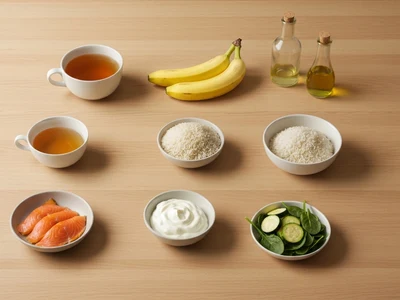
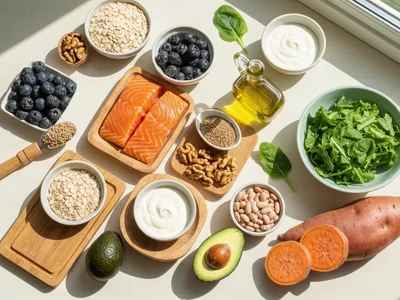
Eating more vitamin-rich foods doesn’t require a complicated diet overhaul. In most US grocery stores, you can find simple, affordable foods that cover your essential vitamins for vision, energy, immunity, and bone health. The key is knowing which foods deliver which nutrients, and how to build balanced meals around them. This guide breaks down the most important vitamin-rich foods, practical serving sizes in US units, and easy ways to fit them into your weekly routine.
What “Vitamin-Rich Foods” Really Means for Your Plate
Before diving into specific nutrients, it helps to understand what vitamin-rich foods actually mean in daily life. In simple terms, these are whole or minimally processed foods that provide a significant percentage of your daily vitamin needs per serving.

👉 If you’re also working on omega-3 fatty acids and heart health, our detailed guide on 15 Best Omega-3 Rich Foods for Your Diet covers exactly what you need.
Why vitamin-rich foods matter more than you think
Vitamin-rich foods supply essential vitamins your body can’t make in adequate amounts. For example, 1 medium sweet potato (about 5 oz) provides more than 100% of the recommended daily value for vitamin A. One orange delivers around 70 mg of vitamin C—close to a full day’s needs for many adults.
Unlike supplements, vitamin-rich foods also offer fiber, antioxidants, and phytonutrients. A 1-cup serving of spinach provides vitamin K, folate, and magnesium all at once. This “nutrient package” effect is why most experts recommend a food-first approach.
👉 If you’re also working on spotting nutrient deficiencies early, our detailed guide on Iron Deficiency Diet: Foods to Eat and Avoid covers exactly what you need.
Food-first approach: when supplements fit in
For most healthy adults, vitamin-rich foods can meet daily needs. However, certain nutrients—like vitamin D and vitamin B12—may require fortified foods or supplements, especially in winter months or plant-based diets.
In the US, fortified milk typically contains about 100 IU of vitamin D per cup (8 fl oz). Many breakfast cereals are fortified with B12. Supplements can help fill gaps, but they should support—not replace—consistent intake of vitamin-rich foods.
👉 For a deeper dive into topics related to cravings, check out: 9 Fat-Burning Snacks to Crush Midday Cravings — it’s packed with practical tips.
Vitamin A and Vitamin C Vitamin-Rich Foods
Now let’s look at two essential vitamins that often show up in colorful produce. Both vitamin A and vitamin C vitamin-rich foods are easy to find year-round in US supermarkets.

Vitamin A vitamin-rich foods for vision and immunity
Vitamin A vitamin-rich foods support vision, immune function, and skin health. Carrots, sweet potatoes, and spinach are standout choices.
- ½ cup cooked carrots provides over 450 mcg of vitamin A.
- 1 medium sweet potato (5–6 oz) can exceed 1,000 mcg.
- 1 cup raw spinach offers about 140 mcg.
Roast sweet potatoes at 400°F for 25–30 minutes with 1 tbsp olive oil for an easy side dish. Add 1 cup spinach to scrambled eggs for a breakfast boost. These simple additions can significantly increase your intake of vitamin-rich foods without extra effort.
Vitamin C vitamin-rich foods beyond oranges
Vitamin C vitamin-rich foods support immune health, collagen production, and iron absorption. While oranges are classic, they’re not the only option.
- 1 cup strawberries contains about 85 mg of vitamin C.
- 1 kiwi provides roughly 65 mg.
- ½ cup red bell pepper can deliver over 90 mg.
Vitamin C is sensitive to heat, so try eating these foods raw or lightly cooked. Add sliced strawberries to oatmeal, toss bell peppers into salads, or blend kiwi into smoothies. Small daily servings of these vitamin-rich foods add up quickly.
Vitamin B12 and Vitamin D Vitamin-Rich Foods
Next, let’s focus on two nutrients many Americans struggle to get enough of: vitamin B12 and vitamin D.

Vitamin B12 vitamin-rich foods for energy and nerve health
Vitamin B12 vitamin-rich foods are essential for red blood cell formation and nerve function. Animal-based foods are the most reliable sources.
- 3 oz cooked beef provides about 2.5 mcg of B12.
- 1 large egg offers around 0.6 mcg.
- 1 cup milk (8 fl oz) contains roughly 1.2 mcg.
Adults typically need about 2.4 mcg daily. That means a 3 oz serving of beef nearly covers your requirement. For plant-based eaters, fortified cereals and nutritional yeast can help. Always check labels to confirm B12 content.
Vitamin D vitamin-rich foods and fortified options
Vitamin D vitamin-rich foods are limited, making this nutrient harder to obtain through diet alone.
- 3 oz cooked salmon can provide 400–600 IU.
- 1 egg yolk offers about 40 IU.
- 1 cup fortified milk provides around 100 IU.
Sun exposure helps, but during winter in northern US states, it may not be enough. Including salmon once or twice per week and using fortified dairy or plant milk can strengthen your intake of vitamin-rich foods that support bone and immune health.
Vitamin E and Vitamin K Vitamin-Rich Foods
Moving forward, vitamin E and vitamin K vitamin-rich foods often come from nuts, seeds, and leafy greens.
Vitamin E vitamin-rich foods from nuts and seeds
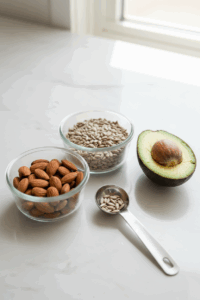
Vitamin E acts as an antioxidant, protecting cells from oxidative stress. Almonds are one of the most concentrated vitamin-rich foods in this category.
- 1 oz almonds (about 23 nuts) provides 7 mg of vitamin E.
- 1 tbsp sunflower seeds adds about 5 mg.
- ½ avocado contains roughly 2 mg.
Adults need around 15 mg daily, so combining 1 oz almonds with 1 tbsp sunflower seeds gets you close. Sprinkle seeds over yogurt or salads, or pack almonds as a snack to steadily increase your intake of vitamin-rich foods.
Vitamin K vitamin-rich foods from leafy greens
Vitamin K vitamin-rich foods support normal blood clotting and bone health.
- 1 cup raw kale contains over 100 mcg.
- 1 cup broccoli provides about 90 mcg.
- 1 cup spinach offers more than 140 mcg.
Because vitamin K interacts with blood-thinning medications, consistency is key if you take them. Rather than avoiding leafy greens, aim for a steady amount each week. A daily side salad with 1–2 cups mixed greens is a simple way to maintain regular intake of vitamin-rich foods.
A Simple Weekly Plan for More Vitamin-Rich Foods
Finally, putting it all together makes vitamin-rich foods practical instead of overwhelming.

7-step weekly plan for vitamin-rich foods
- Choose 2 leafy greens (e.g., spinach, kale) for the week.
- Pick 2 colorful vegetables (carrots, bell peppers).
- Add 2 fruits rich in vitamin C (strawberries, kiwi).
- Include 1 fatty fish (salmon, 12 oz total per week).
- Stock 1 nut or seed (almonds, 8 oz bag).
- Buy fortified milk or plant milk (½ gallon).
- Plan 3 simple meals using these vitamin-rich foods.
Each step takes minutes during grocery shopping but builds a nutrient-dense foundation.
Easy tips and swaps for vitamin-rich foods
- Swap white rice for quinoa + spinach mix.
- Add ½ cup berries to breakfast daily.
- Roast vegetables at 400°F instead of frying.
- Snack on 1 oz almonds instead of chips.
- Use fortified milk in smoothies or oatmeal.
- Keep pre-washed greens for convenience.
Small swaps make vitamin-rich foods part of your normal routine—not a special project.
FAQs
1. Can I get all essential vitamins from vitamin-rich foods alone?
Many people can meet most vitamin needs through vitamin-rich foods, especially with a varied diet including produce, lean protein, dairy, and whole grains. However, vitamin D and B12 may require fortified foods or supplements depending on sun exposure, age, and dietary pattern.
2. Are frozen fruits and vegetables still vitamin-rich foods?
Yes. Frozen produce is often flash-frozen shortly after harvest, preserving nutrients. For example, frozen spinach and broccoli retain high levels of vitamin K and vitamin C. They’re also budget-friendly and reduce food waste.
3. How do I know if I’m low in certain vitamins?
Symptoms like fatigue or frequent illness can have many causes. The only reliable way to confirm deficiency is through blood tests ordered by a healthcare professional. Vitamin-rich foods are a safe starting point, but testing provides clarity.
4. Do cooking methods affect vitamin-rich foods?
Yes. Vitamin C can degrade with prolonged heat, while fat-soluble vitamins like A and E absorb better with healthy fats. Light steaming or roasting at 400°F for 15–20 minutes preserves most nutrients.
5. Is it better to take a multivitamin instead of focusing on vitamin-rich foods?
Multivitamins can help fill gaps but don’t replace the fiber and phytonutrients in whole foods. Most experts recommend prioritizing vitamin-rich foods and using supplements strategically when advised.
Take the Next Step
Start with just three vitamin-rich foods this week—one leafy green, one colorful vegetable, and one nutrient-dense protein. Small, consistent upgrades to your grocery list can meaningfully improve your nutrient intake over time.
Disclaimer: This content is for informational purposes only and is not a substitute for professional medical advice.

About Sarah Williams
We turn solid evidence into everyday habits Americans can actually do—plain English, cups/oz, grocery-aisle swaps, and routines that fit real life. Our editorial process: Experience—we road-test tips in real schedules…