Top Vitamin E Foods for Everyday Wellness
Vitamin E is one of those essential nutrients that quietly supports everyday wellness, yet many people don’t realize how easy...
Vitamin E is one of those essential nutrients that quietly supports everyday wellness, yet many people don’t realize how easy it is to get it from food. This fat-soluble antioxidant plays a role in immune health, skin support, and cellular protection. For busy US households, knowing which foods naturally contain vitamin E can make grocery shopping more efficient and meal planning a lot simpler. In this guide, you’ll find practical, food-focused insights and plenty of simple ideas to help you build vitamin E–rich meals into your routine.
Why Vitamin E Matters
Understanding why vitamin E is so valuable helps you make confident choices when stocking your fridge and pantry. While supplements exist, most US health organizations encourage getting vitamin E from food first.
👉 This pairs well with our Vitamin K Foods: Best Sources for Everyday Health guide if you want the full picture on topics related to everyday.
How vitamin E supports everyday health
Vitamin E acts as an antioxidant, helping protect cells from oxidative stress caused by everyday factors like sun exposure, exercise, and environmental pollutants. This nutrient also supports immune function and helps maintain healthy skin barrier function. While vitamin E isn’t a cure or treatment for health issues, it plays a general supportive role in how your body handles daily wear and tear. For example, 1 ounce of almonds contains about 7 mg of vitamin E—almost half of the recommended daily intake for adults—making them a simple, convenient snack option.
👉 If you’re also working on liver health and detox, our detailed guide on Liver-Cleansing Foods That Support Everyday Health covers exactly what you need.
Recommended daily intake for US adults
Most US adults need about 15 mg of vitamin E per day, according to federal dietary guidelines. This amount can be met through a balanced diet without relying on supplements. For reference, 1 tablespoon of olive oil offers about 1.9 mg, and half an avocado provides roughly 2 mg. Because vitamin E is fat-soluble, pairing foods like spinach or bell peppers with healthy fats such as olive oil helps your body absorb it more effectively. Taking in too much from supplements isn’t recommended unless advised by a medical professional.
👉 If you’re also working on topics related to vitamin, our detailed guide on Vitamin D–Rich Foods to Boost Your Daily Intake covers exactly what you need.
Best Natural Sources of Vitamin E
Now that you know why this nutrient matters, let’s explore the foods that make meeting your daily needs simple and enjoyable.
Nuts and seeds: almonds, sunflower seeds, pine nuts, hazelnuts, peanuts
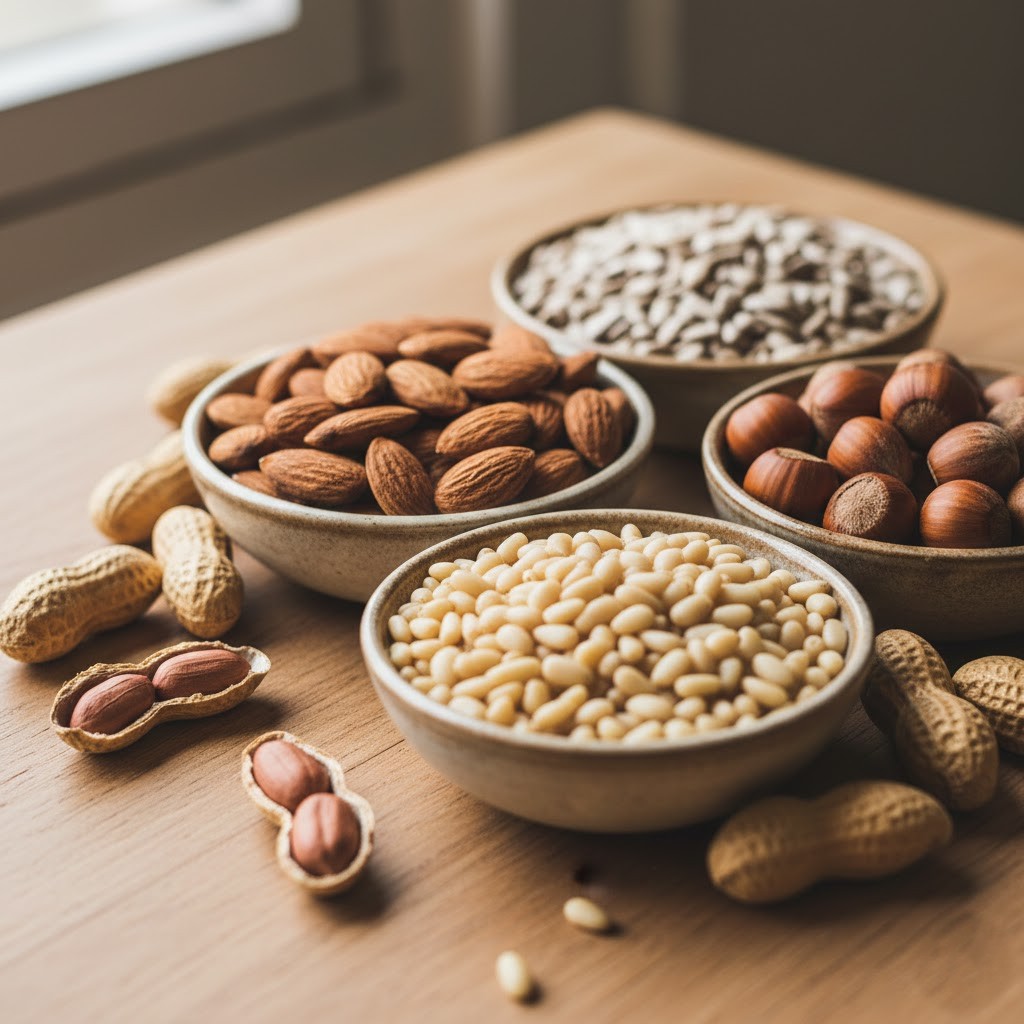
Nuts and seeds are some of the most concentrated natural sources of vitamin E. Almonds lead the group, offering around 7 mg per ounce. Sunflower seeds come close, providing about 7.4 mg per ounce, making them perfect for trail mixes, salads, or yogurt bowls. Hazelnuts deliver around 4.3 mg per ounce, while pine nuts offer about 2.6 mg per tablespoon. Even peanuts—often viewed simply as a budget-friendly snack—supply about 2.4 mg per ounce. These foods store well, are widely available in US grocery stores, and make it easy to boost vitamin E intake.
Produce picks: avocado, spinach, pumpkin, bell peppers
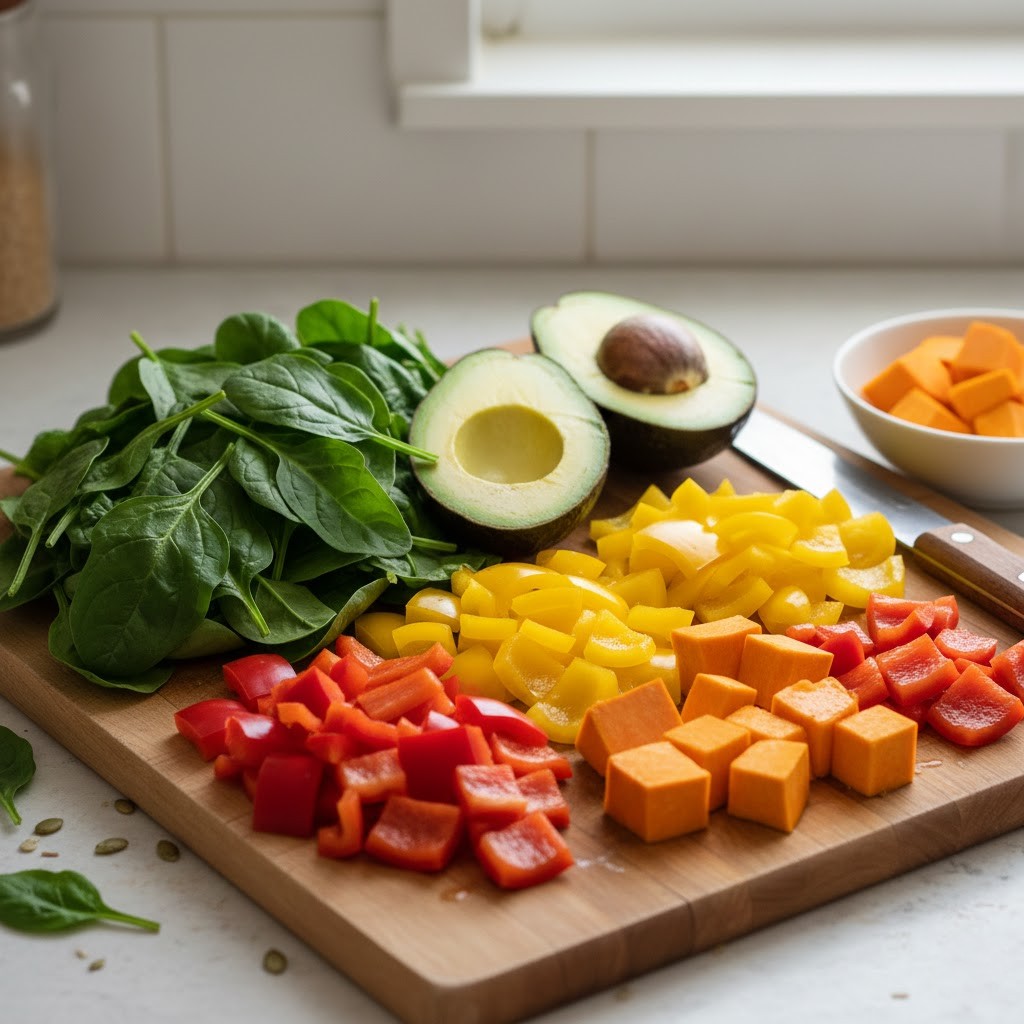
Fresh produce also contributes meaningful amounts of vitamin E, especially when eaten regularly. Avocado is particularly versatile, giving you roughly 2–2.7 mg per half fruit. Spinach adds about 0.6 mg per cup (raw), and cooked spinach contains more per serving because it condenses during cooking. Pumpkin offers about 2.6 mg per cup (cooked), making it a great seasonal addition to soups or grain bowls. Bell peppers—especially red and yellow—supply around 1.6 mg per cup (raw). These foods are often already in US kitchens, making it easy to incorporate them without major diet changes.
Healthy fats: olive oil and how to use it
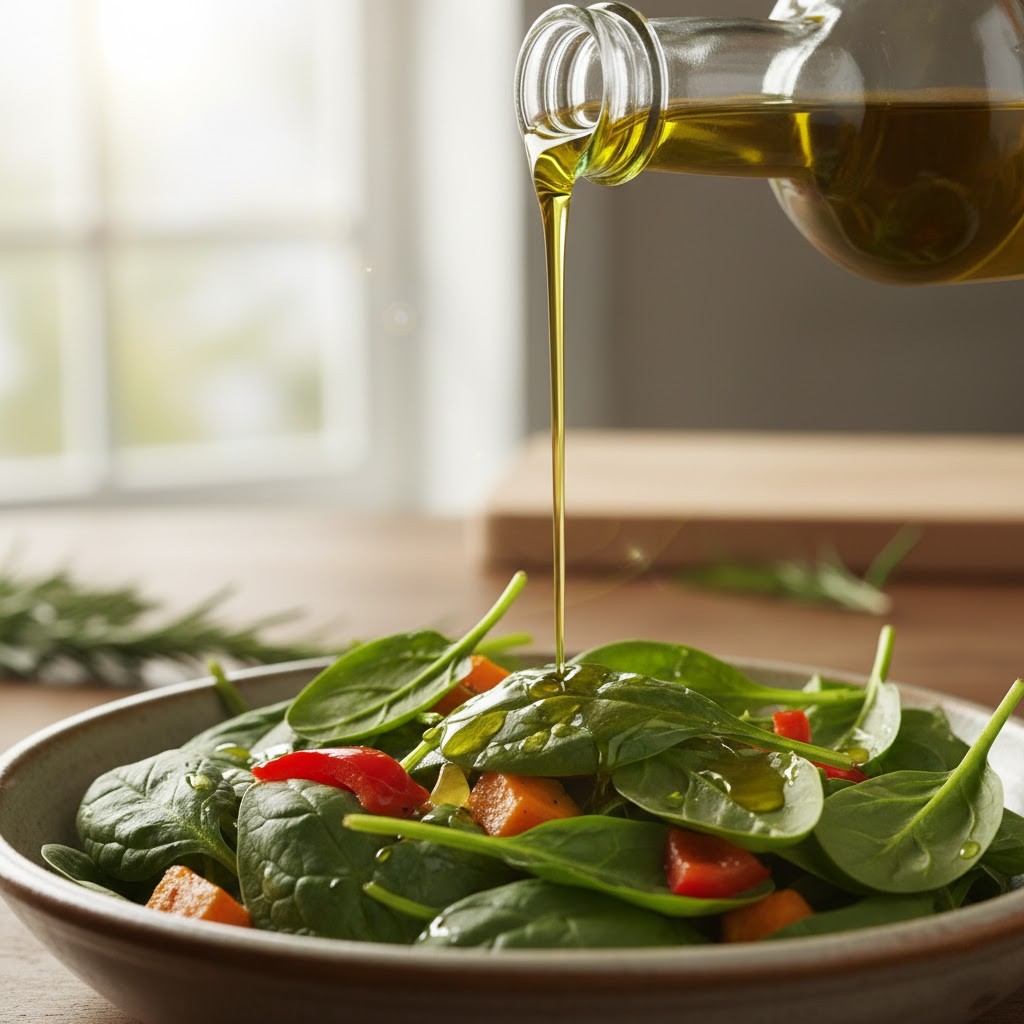
Olive oil is one of the most convenient vitamin E sources because many households already use it daily. At roughly 1.9 mg per tablespoon, it can meaningfully contribute toward your daily intake. Drizzling olive oil over roasted vegetables, blending it into dressings, or using it in low-heat cooking allows you to capture its benefits. Avoid extremely high heat, such as temperatures above 410°F, to protect its antioxidant content. A simple spinach salad with olive oil and a handful of sunflower seeds can deliver 4–6 mg of vitamin E in one serving.
Easy Ways to Add Vitamin E Foods to Your Routine
Once you know which foods supply the most vitamin E, the next step is making them fit naturally into your everyday meals.
Simple meal and snack ideas
Small, consistent changes are often the easiest to maintain. A morning smoothie with spinach and avocado adds a mild flavor boost and several milligrams of vitamin E. Afternoon snacks like almonds, trail mix, or roasted sunflower seeds are quick, portable options. For dinner, sautéed spinach topped with a drizzle of olive oil or pumpkin blended into soups brings vitamin E into warm, comforting meals. For example, a salad with avocado, bell peppers, and 1 tablespoon of olive oil can offer up to 6–7 mg of vitamin E depending on portion sizes.
Budget-friendly grocery tips
Eating vitamin E–rich foods doesn’t have to strain your budget. Buying nuts and seeds in bulk often reduces the cost per ounce, and most varieties store well for months when kept in airtight containers. Frozen spinach is typically cheaper than fresh and still delivers similar nutrient levels. Avocados can stretch further when used in spreads or combined with other ingredients. Peanuts remain one of the most affordable vitamin E sources nationwide. When you plan meals around versatile ingredients—like olive oil or bell peppers—you naturally maximize both value and nutrition.
When to Consider Supplements
While whole foods should be your primary source of vitamin E, some individuals may wonder whether supplements are necessary.
Who may benefit and who should avoid them
In some cases, people with certain medical conditions that affect fat absorption—such as cystic fibrosis or specific digestive disorders—may require supplemental vitamin E under medical guidance. For the average healthy adult, supplements are rarely needed when diet is balanced. High-dose supplements can interact with medications like blood thinners, so they’re not appropriate for everyone. For example, taking more than 1,000 mg of synthetic vitamin E daily may increase certain health risks, which is why it must be medically supervised.
Safe usage and precautions
If a healthcare professional does recommend supplementation, follow dosing instructions carefully and never exceed suggested amounts. Look for reputable, third-party-tested brands to ensure product quality. Taking vitamin E with a meal containing healthy fats improves absorption because it’s fat-soluble. However, supplements should not replace the benefits of whole foods, which provide fiber and additional nutrients. Monitoring your intake and reviewing your medications with a doctor or pharmacist can help prevent unwanted interactions.
FAQs
- What foods give you the highest amount of vitamin E?
Almonds and sunflower seeds are among the richest sources, providing roughly 7 mg per ounce. Olive oil, avocado, and hazelnuts also contribute steady amounts. Using a combination of nuts, seeds, and produce helps you reach your daily needs easily. - Can you get enough vitamin E from food alone?
Most healthy adults in the US can meet the recommended 15 mg per day through diet alone. A day including almonds, avocado, and olive oil typically provides more than half the requirement, and adding leafy greens or bell peppers helps fill the rest. - Does cooking reduce vitamin E content in foods?
Vitamin E can break down at very high temperatures, but everyday cooking methods—like sautéing spinach or roasting vegetables—still preserve a portion of the nutrient. Using olive oil in dressings or low-heat cooking offers an easy way to maximize intake. - Are vitamin E supplements safe to take daily?
Supplements can be safe when used as directed by a healthcare provider. However, high doses may increase risks for certain individuals, especially those on medications like anticoagulants. Food sources are preferred unless otherwise advised. - What are simple ways to add more vitamin E to meals?
Snack on nuts or seeds, blend spinach or avocado into smoothies, mix bell peppers into salads, or use olive oil in dressings. These small additions can collectively increase your vitamin E intake throughout the day.
Tips & Swaps
- Add sunflower seeds to salads for extra crunch.
- Use olive oil instead of butter in dressings.
- Swap peanuts for almonds when you want more vitamin E.
- Freeze spinach to blend quickly into smoothies.
- Roast pumpkin cubes for a vitamin E-rich side dish.
Want more simple, food-first wellness guides? Explore our latest nutrition articles and discover everyday ways to support your health through practical, delicious choices.
Disclaimer: This content is for informational purposes only and is not a substitute for professional medical advice.

About Sarah Williams
We turn solid evidence into everyday habits Americans can actually do—plain English, cups/oz, grocery-aisle swaps, and routines that fit real life. Our editorial process: Experience—we road-test tips in real schedules…