Sugar Content of Fruits: Guide to Low vs High Sugar
Fruit is often seen as one of the healthiest foods you can eat, but many people still wonder about the...
Fruit is often seen as one of the healthiest foods you can eat, but many people still wonder about the sugar content of fruits. Some fruits contain only about 5–6 grams of sugar per 100 grams, while others may reach 14–16 grams per 100 grams. Understanding these differences helps you make smarter choices at the grocery store and manage your overall sugar intake. In this guide, we’ll explore how fruit sugar works, compare the sugar content of fruits, and share practical tips for enjoying fruit in a balanced American diet.
What Does Sugar Content of Fruits Mean?
Before comparing different fruits, it helps to understand what the sugar content of fruits actually represents. Nutrition charts typically measure sugar levels by weight, which makes it easier to compare foods fairly.

Natural Fruit Sugar vs Added Sugar
The sugar content of fruits comes primarily from natural sugars such as fructose, glucose, and sucrose. These sugars occur naturally in foods like apples, bananas, and grapes, unlike added sugars found in sodas or candy.
For example, one medium apple (about 182 g) contains roughly 19 grams of natural sugar, but it also delivers about 4 grams of fiber and valuable nutrients like vitamin C and potassium. This combination slows sugar absorption and supports steady energy levels.
In contrast, a 12-oz can of soda may contain 35–40 grams of added sugar with virtually no fiber or nutrients. Because of this difference, the body processes fruit sugar differently than refined sugar.
So while fruits do contain sugar, their fiber, water, and vitamins help balance the effect, making them a healthier choice than many processed snacks.
Why Nutrition Charts Use Per 100g
When discussing the sugar content of fruits, nutrition labels often use 100 grams (about 3.5 oz) as the standard measurement. This approach allows you to compare fruits directly.
For instance:
- Apples: about 10 g sugar per 100 g
- Bananas: about 12 g sugar per 100 g
- Grapes: about 16 g sugar per 100 g
If a typical serving is 1 cup of sliced fruit, the sugar amount will vary depending on the fruit’s weight. For example, 1 cup of grapes (about 151 g) contains roughly 24 grams of sugar, while 1 cup of strawberries (about 144 g) contains only around 7 grams.
Using a standard measurement like 100 grams helps nutrition experts compare foods accurately and helps shoppers understand labels more easily.
Sugar Content of Popular Fruits (Per 100g)
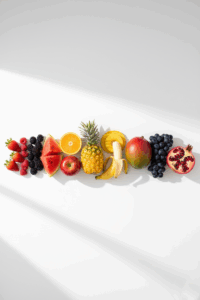
Now that we understand the basics, let’s look at the sugar content of fruits commonly found in American grocery stores. Fruits generally fall into three groups: low, medium, and high sugar.
Low-Sugar Fruits (Under 7g)
Some fruits are naturally lower in sugar, making them great choices if you’re monitoring your sugar intake.
Examples include:
- Strawberries: about 5 g sugar per 100 g
- Watermelon: about 6 g sugar per 100 g
- Blackberries: about 5 g sugar per 100 g
For example, 1 cup of strawberries (about 152 g) contains only around 7 grams of sugar, which is much less than most desserts. Strawberries also provide over 80 mg of vitamin C per cup, which is nearly 90% of the daily recommended intake for adults.
Low-sugar fruits are excellent options for snacks, smoothies, or breakfast bowls. They add sweetness and nutrients without contributing large amounts of sugar.
Medium-Sugar Fruits (8–12g)
Many everyday fruits fall into the moderate category for sugar content of fruits, offering a balance of sweetness and nutrients.
Examples include:
- Apples: about 10 g sugar per 100 g
- Oranges: about 9 g sugar per 100 g
- Pineapple: about 10 g sugar per 100 g
- Bananas: about 12 g sugar per 100 g
For instance, one medium banana (about 118 g) contains roughly 14 grams of sugar along with 3 grams of fiber and 422 mg of potassium.
Medium-sugar fruits are perfect for everyday eating. A banana with peanut butter or an apple with almonds makes a balanced snack that combines carbohydrates, fiber, and healthy fats.
High-Sugar Fruits (13g and Above)
A few fruits have a higher sugar content of fruits when measured per 100 grams, but they still offer valuable nutrients.
Examples include:
- Mango: about 14 g sugar per 100 g
- Grapes: about 16 g sugar per 100 g
- Pomegranate: about 14 g sugar per 100 g
For example, 1 cup of grapes (about 151 g) contains approximately 24 grams of sugar, which is comparable to some sweet desserts. However, grapes also provide antioxidants such as resveratrol, which may support heart health.
Rather than avoiding these fruits, many nutrition experts recommend simply watching portion sizes. Eating ½ cup instead of a full cup can significantly reduce sugar intake while still enjoying the flavor and nutrients.
Is Fruit Sugar Healthy or a Concern?
Understanding the sugar content of fruits also means looking at how fruit affects the body. Despite containing sugar, fruit can still be part of a healthy diet.

The Role of Fiber in Slowing Sugar Absorption
One major advantage of fruit is its fiber content. Fiber slows digestion and helps regulate blood sugar levels.
For example:
- 1 medium apple contains about 4 grams of fiber
- 1 cup of raspberries provides about 8 grams of fiber
This fiber slows the release of glucose into the bloodstream compared with foods that contain added sugars.
In addition, fruit contains water and micronutrients that help the body process carbohydrates more gradually. Because of this, the sugar content of fruits does not usually cause the same rapid blood sugar spikes associated with candy or sugary drinks.
How Fruit Impacts Blood Sugar Levels
Although fruit sugar is natural, it can still affect blood glucose levels depending on portion size and individual metabolism.
For example, eating 2 cups of grapes (about 300 g) could provide nearly 48 grams of sugar, which might raise blood sugar quickly if eaten alone.
However, pairing fruit with protein or healthy fat can help slow absorption. Examples include:
- Apple slices with 2 tbsp peanut butter
- Greek yogurt with ½ cup blueberries
- Cottage cheese with pineapple chunks
These combinations create a more balanced snack and reduce rapid spikes in blood sugar.
How Much Fruit Should You Eat Per Day?
Once you understand the sugar content of fruits, the next question is how much fruit is appropriate in a typical diet.
Recommended Fruit Servings for US Adults
According to the USDA Dietary Guidelines, most adults should aim for about 1½ to 2 cups of fruit per day, depending on age, sex, and activity level.
Examples of 1 cup fruit equivalents include:
- 1 medium apple
- 1 cup sliced strawberries
- ½ cup dried fruit
- 1 cup 100% fruit juice
However, whole fruit is generally preferred because it contains fiber. Juice may contain similar sugar levels without the same nutritional balance.
Following the recommended daily intake helps people benefit from the nutrients in fruit while keeping the overall sugar content of fruits within reasonable limits.
Portion Size Examples (Cups and Ounces)
Understanding portions makes the sugar content of fruits easier to manage.
Examples of typical portions:
- ½ cup grapes (about 75 g): roughly 12 g sugar
- 1 cup watermelon (about 152 g): about 9 g sugar
- 1 cup pineapple chunks (about 165 g): about 16 g sugar
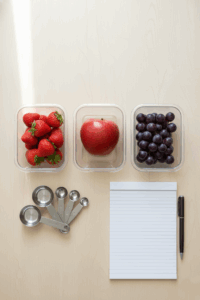
Measuring fruit using cups or a small kitchen scale can help maintain consistent servings.
For example, a simple breakfast might include ½ cup blueberries, ½ cup sliced banana, and ¾ cup Greek yogurt. This combination provides fiber, protein, and balanced natural sugars.
Smart Tips to Enjoy Fruit Without Too Much Sugar
Finally, you can manage the sugar content of fruits with a few simple strategies.

Pair Fruit With Protein or Healthy Fat
One effective way to balance the sugar content of fruits is to combine fruit with foods that contain protein or fat.
Examples include:
- Apple slices with 1 oz cheddar cheese
- Banana with 1 tbsp almond butter
- Strawberries with ¾ cup plain Greek yogurt
Protein and fat slow digestion and make snacks more filling. For example, a banana alone may digest quickly, but a banana with peanut butter provides a more sustained energy release.
This strategy is especially useful for breakfast or afternoon snacks when energy dips commonly occur.
Best Fruits for Breakfast, Snacks, and Desserts
Different fruits work better at different times of the day depending on the sugar content of fruits.
For breakfast:
- Berries
- Apples
- Grapefruit
For snacks:
- Bananas
- Oranges
- Pineapple chunks
For desserts:
- Mango slices
- Grapes
- Pomegranate seeds
Choosing fruit based on the occasion helps balance sweetness and nutrition throughout the day.
Quick Tips to Balance Fruit Sugar
- Choose whole fruit instead of fruit juice
- Pair fruit with protein or healthy fat
- Keep portions around ½–1 cup per serving
- Mix low-sugar fruits with sweeter fruits
- Avoid large fruit-only snacks late at night
FAQs About Sugar Content of Fruits
Does fruit sugar count toward daily sugar limits?
Yes, fruit sugar contributes to your total carbohydrate intake, but dietary guidelines focus mainly on added sugars. For most people, eating 1–2 cups of whole fruit daily fits comfortably within a balanced diet.
Which fruit has the least sugar?
Among common fruits, strawberries, blackberries, and watermelon are relatively low in sugar. For example, strawberries contain about 5 grams of sugar per 100 grams, making them one of the lowest-sugar fruits.
Which fruits have the most sugar?
Fruits like grapes, mangoes, and pomegranates tend to have higher sugar levels. Grapes can contain around 16 grams of sugar per 100 grams, which is significantly higher than berries.
Is fruit sugar bad for weight loss?
Not necessarily. Whole fruit can support weight management because it is low in calories, high in fiber, and filling. However, large portions of high-sugar fruits may increase calorie intake.
Is fruit juice the same as whole fruit?
Fruit juice often contains similar sugar levels but less fiber. For example, 1 cup of orange juice may contain about 21 grams of sugar, while a whole orange contains fiber that slows digestion.
Final Thoughts
Understanding the sugar content of fruits helps you enjoy fruit more mindfully without giving it up entirely. Most fruits provide valuable vitamins, fiber, and antioxidants that support overall health. The key is choosing a variety of fruits and paying attention to portion sizes.
Want a simple rule? Fill half your plate with fruits and vegetables, aim for about 1–2 cups of fruit daily, and pair fruit with protein for better balance.
Disclaimer: This content is for informational purposes only and is not a substitute for professional medical advice.

About Essentialwellnessaz Editorial Team
We turn solid evidence into everyday habits Americans can actually do—plain English, cups/oz, grocery-aisle swaps, and routines that fit real life. Our editorial process: Experience—we road-test tips in real schedules…