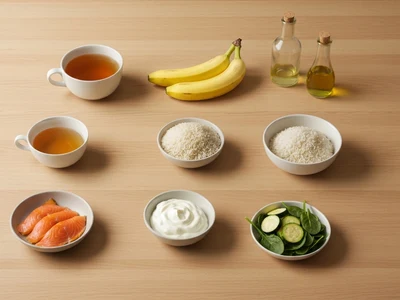
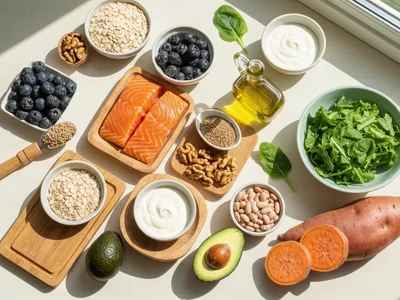
Daily Health Habits: 6 Simple Ways to Feel Better
Small changes done consistently can have a powerful impact on your overall well-being. Many viral graphics online promise miracle results...
Small changes done consistently can have a powerful impact on your overall well-being. Many viral graphics online promise miracle results from a single food or drink, but real health usually comes from balanced daily health habits practiced over time. Instead of chasing quick fixes, building a simple routine like eating fruit, drinking enough water, and getting quality sleep can support long-term wellness.
In this guide, we’ll break down six practical daily health habits that fit easily into a typical American lifestyle. These habits are realistic, affordable, and easy to maintain whether you’re busy with work, family, or school.
Why Daily Health Habits Matter
Before jumping into specific routines, it helps to understand why daily health habits matter. Health outcomes rarely depend on a single action. Instead, they’re shaped by consistent patterns what you eat daily, how much you sleep, and whether you stay hydrated.

How Daily Health Habits Improve Long-Term Wellness
Research from organizations like the CDC and Harvard Health shows that small routines practiced every day can significantly influence long-term wellness. For example, adults who eat at least 1–2 servings of fruit daily have been linked with lower risks of heart disease and improved digestion.
Similarly, consistent hydration plays a key role in energy levels. Drinking around 8 cups (64 oz / ~1.9 L) of water per day helps maintain normal body temperature and supports circulation.
When people adopt a set of simple daily health habits, they often notice gradual improvements rather than overnight changes. These may include better focus during the workday, fewer afternoon energy crashes, and improved digestion. Over months and years, these small actions accumulate and help reduce risk factors related to chronic conditions.
Why Consistency Beats “Health Hacks”
Many social media posts promise dramatic benefits from a single food like eating one apple or drinking lemon water every day. While those foods can certainly be healthy, no single ingredient guarantees specific medical outcomes.
The real value comes from consistent daily health habits practiced together. For instance, someone who eats fruit regularly, drinks water, and sleeps well will likely feel better than someone relying on a single “miracle” food.
Think of health habits as a system rather than a single solution. Just as saving $5 a day can add up to over $1,800 in a year, small wellness actions accumulate and support better health outcomes over time.
Habit 1–2: Eat Fruit Daily and Add Nuts
Once you understand the value of consistency, the first daily health habits to focus on are simple dietary upgrades.

Habit 1: Eat One Fruit Serving Every Day
Adding fruit is one of the easiest daily health habits you can start immediately. In the U.S., a typical fruit serving equals 1 medium apple, 1 banana, or 1 cup of sliced fruit.
Fruits like apples contain fiber called pectin, which helps support digestion and can contribute to feeling full longer. One medium apple provides about 4 grams of fiber, which is around 14% of the daily recommended intake for adults.
Easy ways to include fruit in your daily routine:
- Slice an apple into oatmeal at breakfast
- Blend frozen berries into a smoothie
- Add banana slices to peanut butter toast
These small additions make fruit consumption effortless while contributing valuable vitamins such as vitamin C and potassium.
Habit 2: Eat a Small Portion of Nuts
Another powerful daily health habit is adding a handful of nuts like almonds. Nuts are rich in healthy fats, magnesium, and protein.
A common portion is about 1 oz (28 g), which equals roughly 23 almonds. This serving provides about 6 grams of protein and 3.5 grams of fiber, helping support satiety and stable energy levels.
For busy Americans, nuts are convenient because they require no preparation. Keep small containers in your car, desk, or gym bag.
If almonds aren’t your favorite, similar alternatives include:
- Pistachios (about 49 kernels per oz)
- Walnuts (about 14 halves per oz)
- Peanuts (about 28 per oz)
Adding nuts to yogurt, salads, or oatmeal is an easy way to integrate this daily health habit into your routine.
Habit 3–4: Lemon and Calcium-Rich Foods
Moving forward, the next pair of daily health habits focuses on supporting digestion and bone health.
Habit 3: Use Lemon for Flavor and Hydration
Lemons are often promoted as “detox” foods, but their real benefit comes from adding flavor and encouraging hydration. One lemon contains about 30–40 mg of vitamin C, which contributes to immune system support.
A practical daily health habit is adding lemon to water or meals. For example, squeezing ½ lemon into 12 oz (355 ml) of water can make hydration more enjoyable.
Simple ways to use lemon daily include:
- Lemon water in the morning
- Lemon juice in salad dressings
- Lemon squeezed over grilled chicken or fish
However, people with acid reflux should monitor citrus intake. Additionally, drinking lemon water through a straw may help protect tooth enamel.
Habit 4: Include Calcium-Rich Foods
Bone health depends heavily on calcium intake, making calcium consumption a key daily health habit.
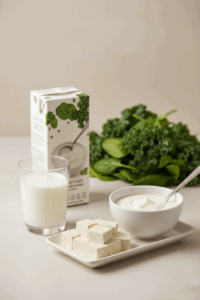
A typical 8 oz (1 cup / 240 ml) serving of milk contains about 300 mg of calcium, roughly 23% of the recommended daily intake for adults.
If you don’t consume dairy, there are several alternatives available in U.S. grocery stores:
- Fortified almond milk
- Fortified soy milk
- Calcium-set tofu
- Yogurt or kefir
Adults generally require around 1,000–1,200 mg of calcium daily depending on age and gender. By including one calcium-rich food at breakfast or lunch, meeting this target becomes much easier.
Habit 5–6: Hydration and Sleep
The final pair of daily health habits focuses on lifestyle behaviors that affect energy and recovery.

Habit 5: Drink Enough Water Daily
Hydration is one of the most overlooked daily health habits. Many adults don’t realize mild dehydration can lead to fatigue, headaches, and reduced concentration.
A common recommendation is about 8 cups (64 oz / ~1.9 L) of water daily, although individual needs vary based on activity level and climate.
A practical hydration strategy includes:
- Drinking 16 oz (2 cups) of water in the morning
- Drinking 16 oz with lunch
- Drinking 16 oz in the afternoon
- Drinking 16 oz with dinner
Foods like cucumbers, watermelon, and oranges also contribute to hydration.
If plain water feels boring, try adding fruit slices or herbal tea for flavor.
Habit 6: Prioritize Quality Sleep
Sleep may be the most powerful daily health habit people overlook. According to the CDC, adults should aim for 7–9 hours of sleep per night.
Sleep supports memory, immune function, and hormone regulation. People who consistently sleep fewer than 6 hours per night may experience higher stress levels and lower cognitive performance.
Creating a simple sleep routine can dramatically improve sleep quality.
Simple nightly sleep routine:
- Stop caffeine at least 6 hours before bedtime.
- Dim lights about 60 minutes before sleep.
- Avoid screens for 30 minutes before bed.
- Keep bedroom temperature around 65–68°F (18–20°C).
- Use a consistent bedtime schedule.
- Try light stretching or reading before sleep.
- Keep the room dark and quiet.
- Wake up at the same time daily.
Consistent sleep patterns reinforce your body’s internal clock and make this daily health habit easier to maintain.
Put It Together: A Simple 7-Day Daily Health Habits Plan
Now that we’ve covered the six core daily health habits, combining them into a routine makes them easier to follow.

Example 7-Day Starter Routine
A simple schedule might look like this:
- Breakfast: oatmeal with apple slices
- Mid-morning snack: 1 oz almonds
- Lunch: salad with lemon dressing
- Afternoon: drink 16 oz water
- Dinner: calcium-rich food like yogurt or fortified milk
- Evening: follow a consistent sleep routine
Repeating this routine throughout the week helps reinforce positive habits.
Tips for Maintaining Daily Health Habits
- Keep fruit visible on the kitchen counter.
- Pre-portion nuts into 1 oz snack bags.
- Carry a reusable 20 oz water bottle.
- Set a bedtime alarm on your phone.
- Prepare breakfast ingredients the night before.
- Track habits using a simple checklist.
These strategies make daily health habits easier to maintain long term.
Frequently Asked Questions About Daily Health Habits
How long does it take for daily health habits to become routine?
Most behavior research suggests that forming a habit may take 21–66 days depending on the complexity of the action. For example, drinking a glass of water each morning may become automatic within a few weeks, while establishing a full sleep routine might take longer. Consistency is more important than perfection when building daily health habits.
Can one food really prevent disease?
No single food can guarantee prevention of diseases such as cancer or heart disease. However, balanced daily health habits—including fruit, nuts, hydration, and sleep—can support overall wellness and help reduce certain risk factors over time.
Is lemon water actually necessary for health?
Lemon water isn’t required, but it can make hydration more enjoyable. If adding lemon helps you drink more water daily, it can indirectly support your daily health habits by improving hydration and vitamin C intake.
What if I don’t like almonds?
Almonds are just one option. Other nuts like walnuts, pistachios, or peanuts provide similar benefits. The key daily health habit is including a small portion of nutrient-dense foods regularly.
How much water should active people drink?
People who exercise regularly or live in warmer climates may need more than 64 oz (1.9 L) of water daily. A helpful guideline is to drink enough so urine remains pale yellow throughout the day.
Start Your Daily Health Habits Today
Building strong daily health habits doesn’t require extreme diets or complicated routines. Simple actions—like eating fruit, drinking water, and getting enough sleep—can gradually support better health.
Start with just one or two habits this week, then add more as they become routine. Over time, these small daily actions can lead to meaningful improvements in energy, wellness, and overall quality of life.
Disclaimer: This content is for informational purposes only and is not a substitute for professional medical advice.

About Essentialwellnessaz Editorial Team
We turn solid evidence into everyday habits Americans can actually do—plain English, cups/oz, grocery-aisle swaps, and routines that fit real life. Our editorial process: Experience—we road-test tips in real schedules…