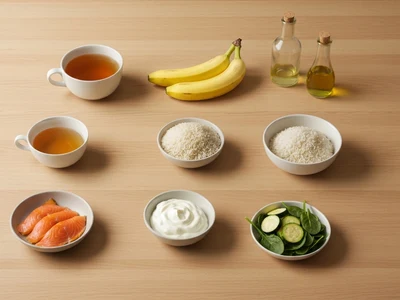
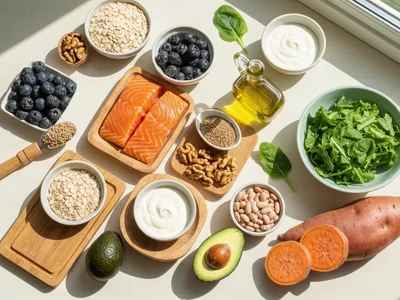
Balanced 500-Calorie Mediterranean Lunch Bowl
Jump To Recipe ↓Lunch is often where healthy intentions quietly fall apart—either it’s too light and leaves you hungry, or it’s heavy enough...
- What Makes a Mediterranean Lunch Bowl Balanced
- Ingredients You’ll Need for a Mediterranean Lunch Bowl
- How to Build a Mediterranean Lunch Bowl in 10 Minutes
- 500-Calorie Portion Guide (US Measurements)
- Easy Variations and Swaps for a 500-Calorie Lunch Bowl
- FAQs About a 500-Calorie Lunch Bowl
- Final Thoughts & CTA
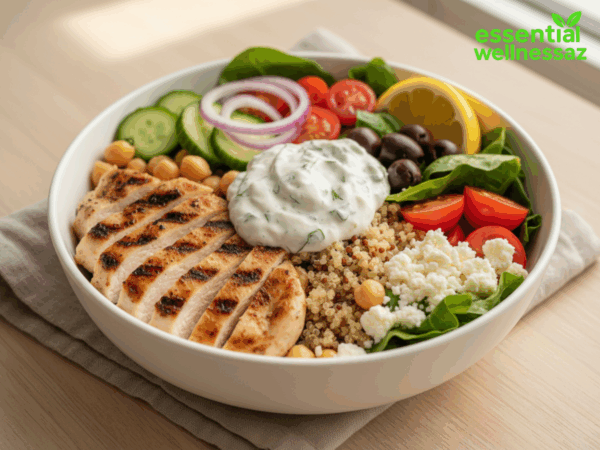
Lunch is often where healthy intentions quietly fall apart—either it’s too light and leaves you hungry, or it’s heavy enough to derail the rest of the day. A 500 calorie lunch bowl hits a practical middle ground. It’s enough fuel to power your afternoon without the post-lunch slump. This Mediterranean-inspired version layers lean protein, fiber-rich carbs, fresh vegetables, and bold flavors into one satisfying bowl. It’s simple to assemble, easy to customize, and realistic for everyday US grocery shopping—no specialty foods required.
What Makes a Mediterranean Lunch Bowl Balanced
A truly balanced 500 calorie lunch bowl isn’t about perfection—it’s about proportion. Instead of cutting entire food groups, this approach uses controlled portions to deliver steady energy, fullness, and flavor in one meal.
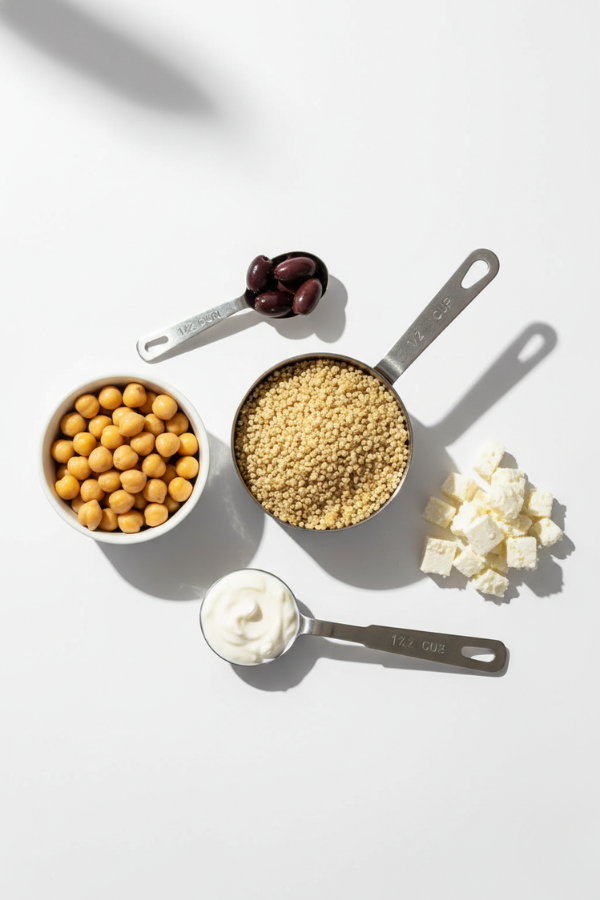
The 500 calorie lunch bowl macro formula
At its core, a 500 calorie lunch bowl works best when calories are spread across protein, fiber-rich carbs, and fats. In this bowl, about 35% of calories come from protein (grilled chicken), 40% from carbs (quinoa and chickpeas), and the rest from fats (tzatziki, feta, olives). For example, 3.5 oz cooked chicken breast provides roughly 165 calories and 31 grams of protein—enough to support satiety for several hours. The combination slows digestion compared to a carb-heavy lunch.
Why a Mediterranean Lunch Bowl fits real-life lunches
For many US adults, daily calorie needs range from 1,800–2,400 calories depending on size and activity. A 500 calorie lunch bowl typically represents about one-quarter of daily intake. That leaves room for breakfast, dinner, and snacks without feeling restricted. In practice, people often find that this calorie level reduces afternoon grazing—especially compared to lighter lunches under 300 calories that trigger cravings by 3 p.m.
Ingredients You’ll Need for a Mediterranean Lunch Bowl
One advantage of a 500 calorie lunch bowl is ingredient simplicity. Everything here can be found at standard US grocery stores like Kroger, Whole Foods, or Trader Joe’s.
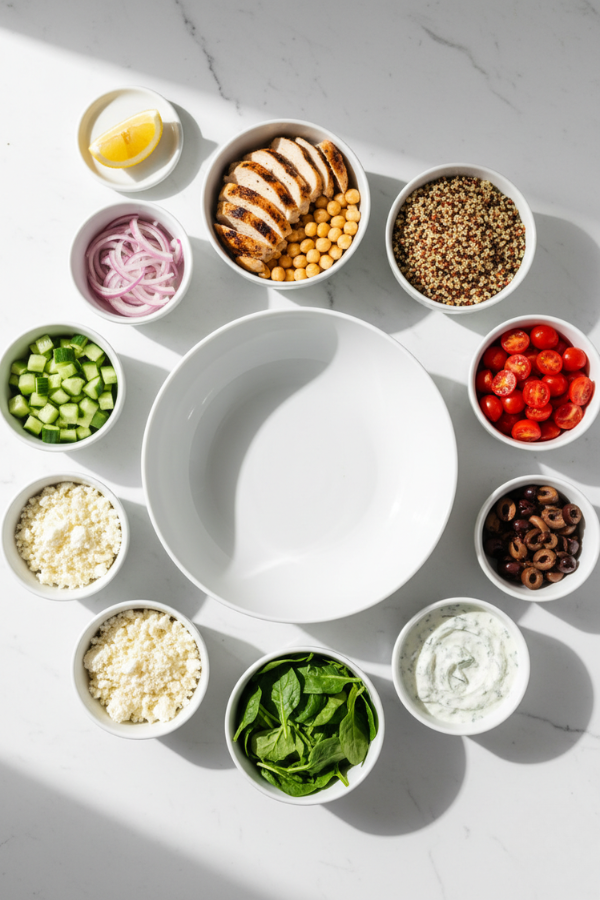
Protein: grilled chicken in a 500 calorie lunch bowl
Lean protein anchors the bowl. Use 3.5 oz (100 g) cooked grilled chicken breast—about the size of a deck of cards. This portion delivers around 165 calories. Season simply with salt, pepper, and garlic powder, or grill with a Mediterranean blend. If cooking ahead, grilling at 400°F until the internal temperature hits 165°F keeps the meat juicy without extra oil.
Carbs + fiber: quinoa and chickpeas
For the carb base of your 500 calorie lunch bowl, combine ½ cup cooked quinoa (about 120 calories) with ¼ cup canned chickpeas (around 80 calories). Together, they provide roughly 7–8 grams of fiber. That fiber helps stabilize blood sugar and keeps the meal filling. Rinse chickpeas under cold water for 20–30 seconds to reduce sodium by up to 40%.
Flavor boosters and veggies
Flavor comes from small but impactful portions: 2 tbsp tzatziki (about 45 calories), 1 oz feta (50 calories), and 1 tbsp sliced kalamata olives (40 calories). Fresh vegetables—cucumber, tomato, greens, and red onion—add volume for just 25 calories per cup, making the 500 calorie lunch bowl visually generous and satisfying.
How to Build a Mediterranean Lunch Bowl in 10 Minutes
Once ingredients are ready, assembling a 500 calorie lunch bowl is fast and repeatable. The order matters more than most people realize.
Prep shortcuts for busy days
Use pre-cooked quinoa pouches, rotisserie chicken breast, and pre-washed greens to cut prep time to under 10 minutes. For example, microwaving a quinoa pouch takes 90 seconds. Rotisserie chicken can be portioned into 3.5 oz servings and stored for up to 3 days. These shortcuts keep the 500 calorie lunch bowl realistic for workdays.
Assembly order for best texture
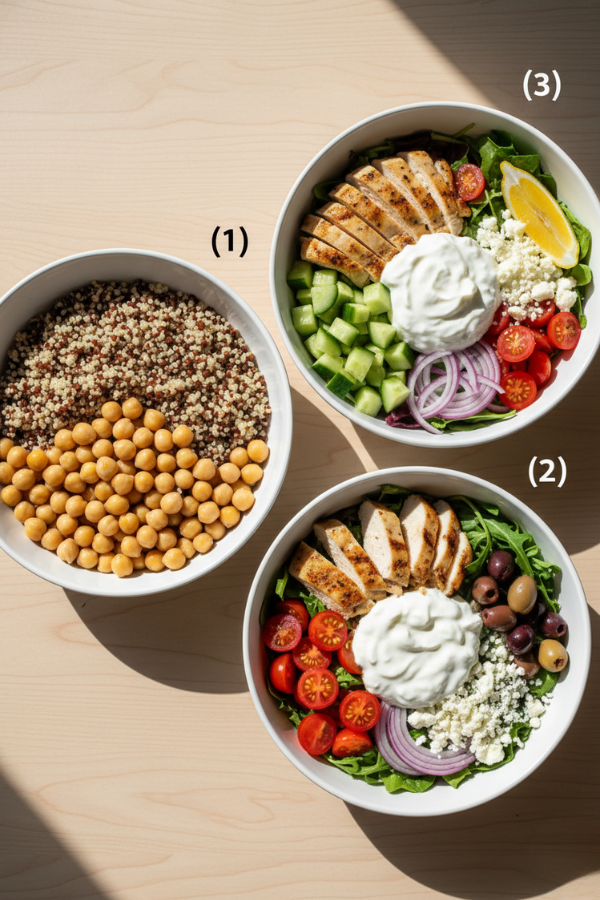
Start with quinoa at the bottom, followed by chickpeas, then sliced chicken. Add vegetables next, distributing them evenly. Finish with feta, olives, and tzatziki on top. This layering keeps grains from getting soggy and ensures sauce coats each bite lightly—key for enjoying a 500 calorie lunch bowl without extra calories.
Step-by-step: Mediterranean Lunch Bowl (8 steps)
- Warm quinoa slightly (30–45 seconds in the microwave).
- Rinse and drain chickpeas thoroughly.
- Slice grilled chicken into bite-size pieces.
- Place quinoa and chickpeas in a bowl.
- Add chicken evenly over the base.
- Top with fresh vegetables.
- Spoon tzatziki over the center.
- Sprinkle feta and olives; season lightly.
500-Calorie Portion Guide (US Measurements)
Portion control is what keeps a 500 calorie lunch bowl on target. Measuring once or twice helps you learn to eyeball portions later.
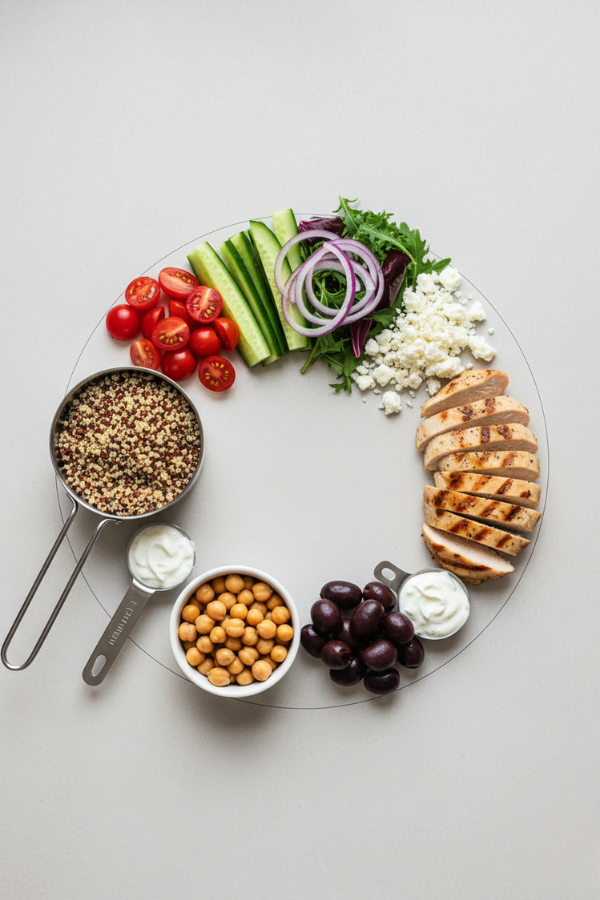
Exact portions for a 500 calorie lunch bowl
- Quinoa: ½ cup cooked (120 calories)
- Chickpeas: ¼ cup (80 calories)
- Grilled chicken: 3.5 oz cooked (165 calories)
- Tzatziki: 2 tbsp (45 calories)
- Feta: 1 oz (50 calories)
- Olives: 1 tbsp sliced (40 calories)
- Fresh veggies: ~1 cup (25 calories)
These amounts total approximately 500 calories. Using a kitchen scale initially—especially for chicken and cheese—improves accuracy.
How to eyeball portions without a scale
With practice, visual cues help. A clenched fist ≈ 1 cup veggies. A cupped hand ≈ ½ cup grains. A thumb ≈ 1 tbsp sauce or olives. Using these cues makes building a 500 calorie lunch bowl easier when eating away from home.
Easy Variations and Swaps for a 500-Calorie Lunch Bowl
The flexibility of a 500 calorie lunch bowl is what makes it sustainable long term.
Dietary swaps that still hit 500 calories
- Swap chicken for 4 oz baked salmon and reduce feta to ½ oz.
- Use cauliflower rice instead of quinoa and add extra chickpeas.
- Go vegetarian: double chickpeas to ½ cup and add 2 tbsp hummus.
Each option keeps calories near 500 while shifting macros slightly.
Flavor twists without calorie creep
Add lemon zest, fresh dill, or smoked paprika for zero-calorie flavor. A splash of red wine vinegar brightens the bowl without adding fat. These small tweaks prevent boredom while keeping the 500 calorie lunch bowl intact.
Quick tips & swaps
- Use low-fat feta to save ~20 calories per ounce.
- Add arugula for peppery flavor without extra calories.
- Keep tzatziki on the side when packing lunches.
- Roast chickpeas for crunch (use cooking spray).
- Season quinoa with broth instead of water.
FAQs About a 500-Calorie Lunch Bowl
Is a Mediterranean Lunch Bowl enough to keep you full?
For most people, yes—especially when protein and fiber are included. A bowl with 30+ grams of protein and at least 7 grams of fiber typically supports fullness for 3–4 hours. Compared to a sandwich with refined bread, a 500 calorie lunch bowl digests more slowly and reduces afternoon snacking for many adults.
Can I eat a 500 calorie lunch bowl every day?
You can, as long as ingredients vary. Rotating proteins, grains, and vegetables helps prevent nutrient gaps. Think of the 500 calorie lunch bowl as a framework rather than a fixed recipe—variety matters for long-term balance.
Can I meal prep a Mediterranean Lunch Bowl?
It can be, depending on total daily intake. If your daily calories are in a modest deficit, a 500 calorie lunch bowl offers structure without extreme restriction. It’s generally easier to maintain than very low-calorie lunches that increase hunger later.
What if I need more energy on active days?
On high-activity days, increase quinoa to ¾ cup or add an extra 1 oz chicken. This bumps the bowl to about 600–650 calories while keeping the same balance.
Can this be meal-prepped?
Yes. Store components separately for up to 4 days. Add tzatziki just before eating to keep textures fresh. Meal prep makes sticking to a 500 calorie lunch bowl much easier during busy weeks.
Final Thoughts & CTA
A 500 calorie lunch bowl isn’t about dieting—it’s about building a lunch that works with your day, not against it. Try this Mediterranean version for a week and adjust portions or flavors to fit your routine. Small, consistent meals often beat drastic changes.
This content is for informational purposes only and is not a substitute for professional medical advice.
| Prep Time | 10 minutes |
| Cook Time | 15 minutes |
| Passive Time | 0 minutes |
| Servings |
bowls
|
- 1/2 cup Cooked quinoa Cooked in water or low-sodium broth
- 1/4 cup Canned chickpeas Rinsed and drained
- 3.5 oz Grilled chicken breast Cooked to 165°F; sliced
- 1 cup Mixed greens Spinach, arugula, or spring mix
- 1/2 cup Cucumber Chopped
- 1/2 cup Cherry tomatoes Halved
- 2 tbsp Tzatziki sauce Use low-fat if desired
- 1 oz Feta cheese Crumbled
- 1 tbsp Kalamata olives Kalamata olives
- 1 tbsp olive oil Optional, for cooking chicken
- to taste Salt & black pepper Season lightly
Ingredients
|
|
- Cook quinoa according to package directions; let it cool slightly.
- Rinse and drain chickpeas thoroughly under cold water.
- Season chicken breast lightly with salt and pepper.
- Grill chicken at 400°F until the internal temperature reaches 165°F, then slice.
- Place cooked quinoa in the bottom of each bowl.
- Add chickpeas evenly over the quinoa.
- Top with sliced chicken and fresh vegetables.
- Spoon tzatziki over the center of the bowl.
- Finish with feta, olives, and additional seasoning to taste.

About Essentialwellnessaz Editorial Team
We turn solid evidence into everyday habits Americans can actually do—plain English, cups/oz, grocery-aisle swaps, and routines that fit real life. Our editorial process: Experience—we road-test tips in real schedules…