Peanut Butter vs Eggs: Which Is Healthier?
Peanut butter and eggs are two staples you’ll find in almost every American kitchen. Both are affordable, protein-rich, and easy...
Peanut butter and eggs are two staples you’ll find in almost every American kitchen. Both are affordable, protein-rich, and easy to add to everyday meals—from breakfast to post-workout snacks. But when it comes to health, calories, and nutrition goals, they’re very different foods. This article breaks down peanut butter vs eggs using clear nutrition facts, real serving sizes, and practical US grocery context, so you can decide which option fits your lifestyle, budget, and health goals best.
Peanut Butter vs Eggs: Quick Comparison
To start, it helps to understand why peanut butter vs eggs is such a common comparison. Both are widely used protein sources, but they serve very different roles in a balanced diet.
👉 Want to go further? Our complete breakdown of Tea vs. Coffee: Which Fits Your Wellness Goals? walks you through topics related to comparison step by step.
Why Americans Compare These Two Foods
In the US, peanut butter is often seen as a quick, plant-based protein—spread on toast, blended into smoothies, or eaten straight from the jar. Eggs, on the other hand, are a classic breakfast food and a staple for high-protein, low-carb diets. People often compare them because a typical serving of each provides similar protein (around 6–8 g per serving), yet the calorie and fat profiles are very different. For example, 2 tbsp of peanut butter has about 190 calories, while two large eggs have roughly 140 calories.
👉 For a deeper dive into topics related to concerns, check out: Foods to Avoid for Common Health Concerns — it’s packed with practical tips.
Serving Size Differences Matter
One reason comparisons can be misleading is portion size. Peanut butter calories add up fast because it’s energy-dense. A “healthy” scoop can easily turn into 4 tbsp (380 calories) if you’re not measuring. Eggs are more straightforward: one large egg is about 70 calories. When comparing peanut butter vs eggs, keeping serving sizes realistic is essential for accurate nutrition decisions.
👉 Want to go further? Our complete breakdown of 10-Minute Core Burn Workout at Home (No Equipment) walks you through topics related to equipment step by step.
Nutrition Facts at a Glance
Next, let’s look at the nutrition details that most people care about first: calories, protein, fat, and sugar.
Calories per Serving
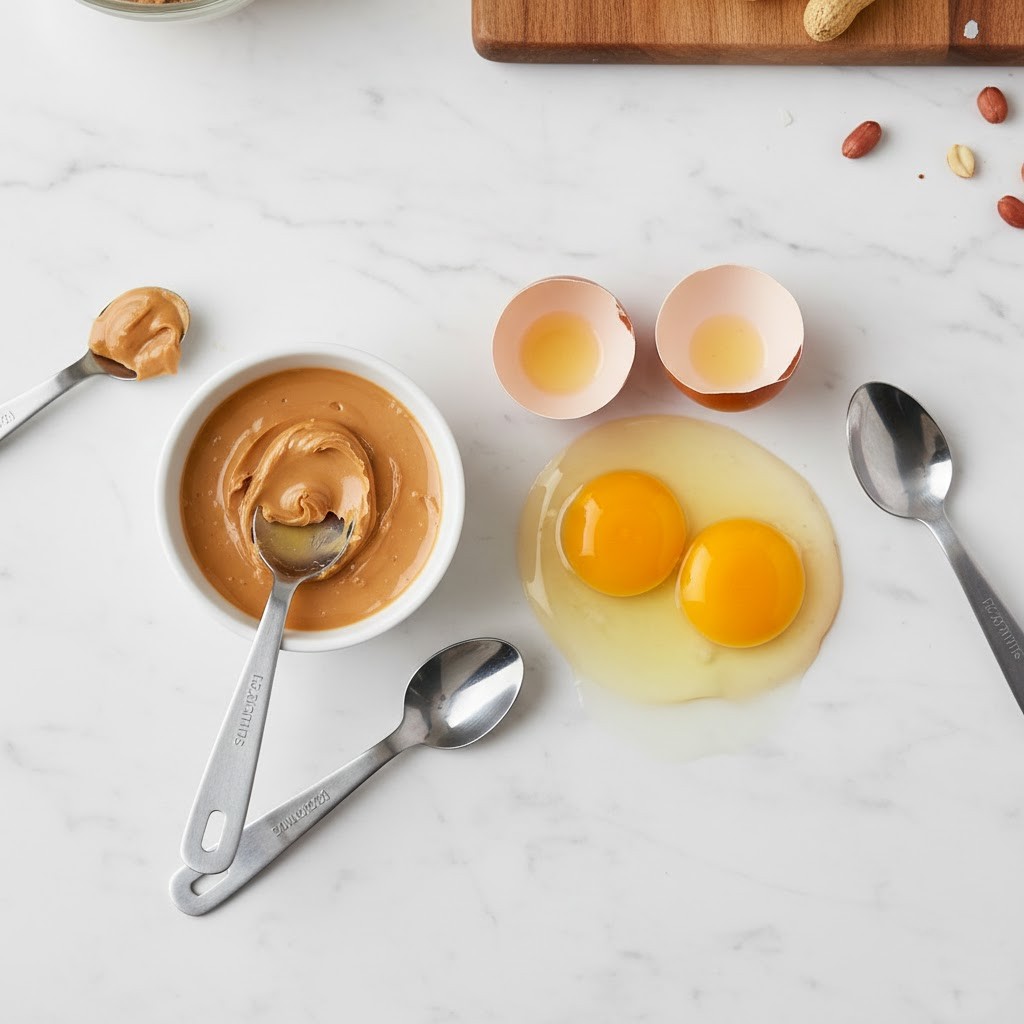
Calories are where peanut butter and eggs differ most. Two tablespoons of peanut butter contain about 190 calories, while two large eggs come in closer to 140 calories. In the image example, a larger portion of peanut butter showed over 600 calories—something that can happen quickly without portion control. Eggs are naturally portion-controlled, which makes them easier for people managing calorie intake or weight loss.
Protein, Fat, and Sugar
Protein content is surprisingly close. Two eggs provide about 12 g of protein, while 2 tbsp of peanut butter provide about 7–8 g. Peanut butter is much higher in fat—around 16 g per serving—mostly unsaturated fats. Eggs contain about 10 g of fat for two eggs. Sugar is another key difference: eggs have 0 g sugar, while peanut butter can contain 1–3 g, depending on whether it’s sweetened.
Health Benefits of Peanut Butter
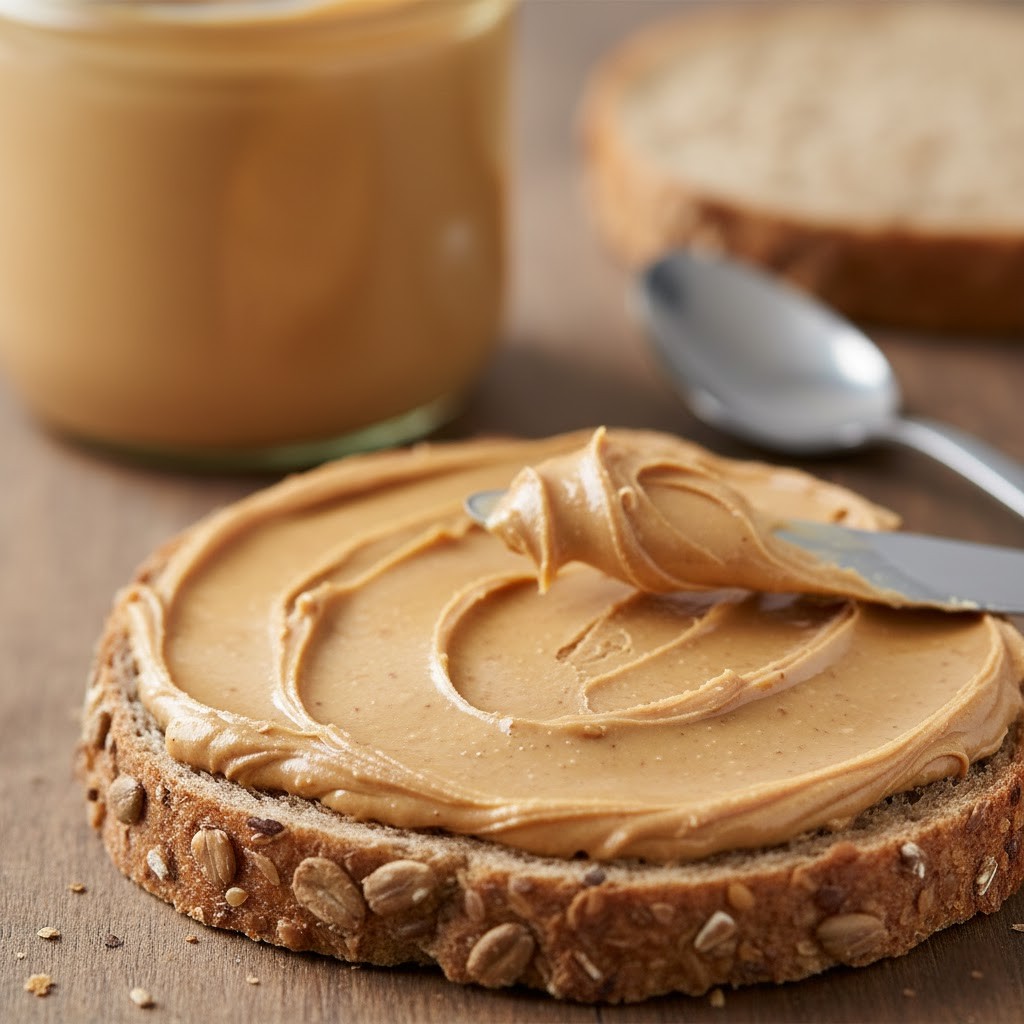
Even though it’s calorie-dense, peanut butter can still be a healthy choice when used correctly.
Healthy Fats and Energy Support
Peanut butter is rich in monounsaturated fats, the same type found in olive oil. These fats support heart health when eaten in moderation. A 2 tbsp serving also provides about 2 g of fiber, which eggs lack entirely. For active individuals or those needing quick energy—like hikers or busy professionals—a peanut butter sandwich can be an efficient fuel source.
When Peanut Butter Makes Sense
Peanut butter works well for people who need higher calories, such as those trying to gain weight or maintain energy between meals. It’s also shelf-stable and budget-friendly; a $3–$4 jar can last weeks. Choosing natural peanut butter with just peanuts and salt helps avoid added sugars and oils, making it a smarter everyday option.
Health Benefits of Eggs
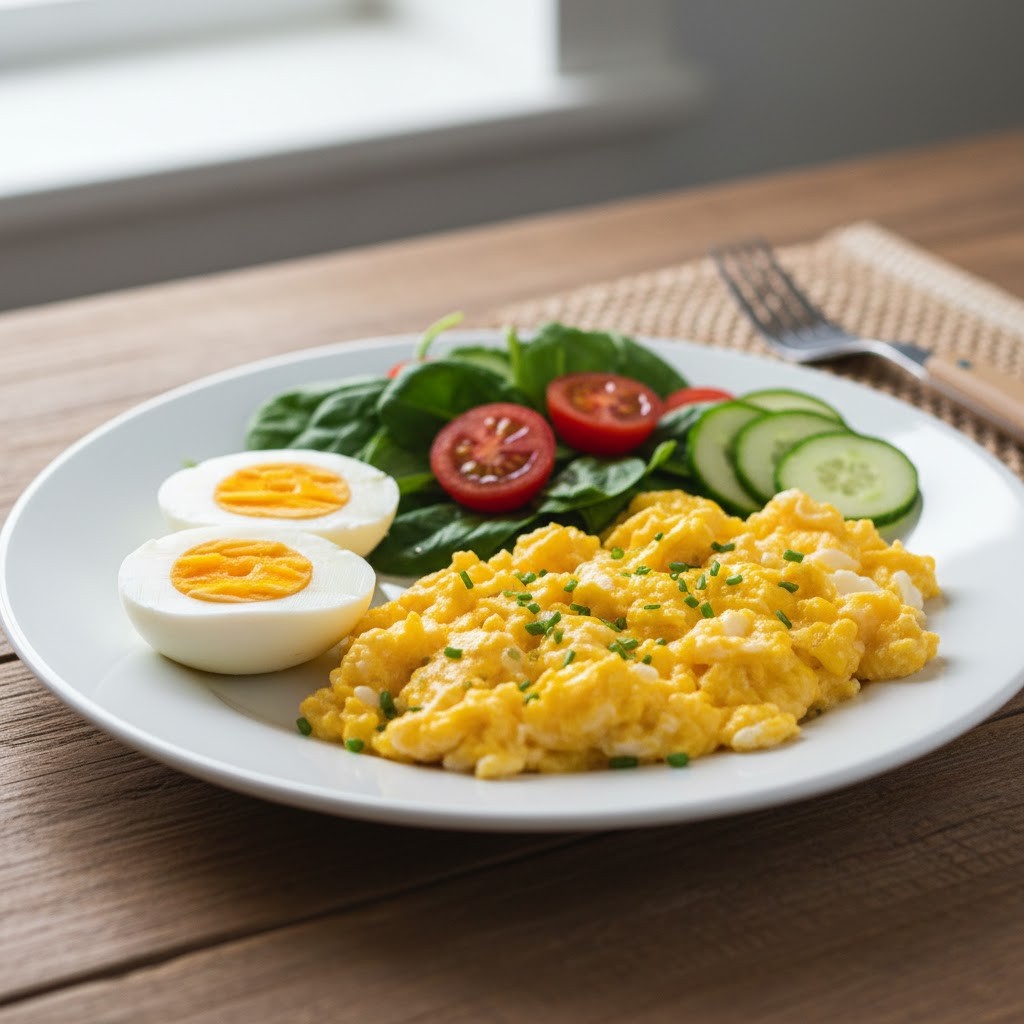
Now let’s look at why eggs are often considered one of the most complete natural foods.
High-Quality Protein and Nutrients
Eggs contain “complete” protein, meaning they provide all nine essential amino acids. Two large eggs offer around 12 g of high-quality protein for only about 140 calories. Eggs are also rich in nutrients like vitamin B12, choline (important for brain health), and vitamin D—nutrients that are harder to get from plant foods alone.
When Eggs Are the Better Choice
Eggs are ideal for people focused on weight loss, low-carb eating, or muscle maintenance. They’re filling, affordable (often under $3 per dozen in the US), and versatile. Scrambled, boiled, or baked at 350°F, eggs fit easily into breakfast, lunch, or dinner without adding extra sugar or refined carbs.
Cost, Convenience, and Availability in the US
Beyond nutrition, practical factors also matter when choosing between peanut butter vs eggs.
Grocery Cost Comparison
Egg prices fluctuate, but a dozen large eggs usually cost $2–$4 in most US grocery stores. Peanut butter ranges from $3–$6 per jar. Cost per protein gram often favors eggs, especially when prices are stable. However, peanut butter offers more calories per dollar, which may matter for budget-conscious households.
Storage, Prep, and Lifestyle Fit
Peanut butter requires no cooking and lasts months in the pantry. Eggs need refrigeration and cooking, but prep is still quick—boiled eggs take about 10 minutes. For busy mornings, eggs may require slightly more effort, while peanut butter is grab-and-go.
Peanut Butter vs Eggs: Which Should You Choose?
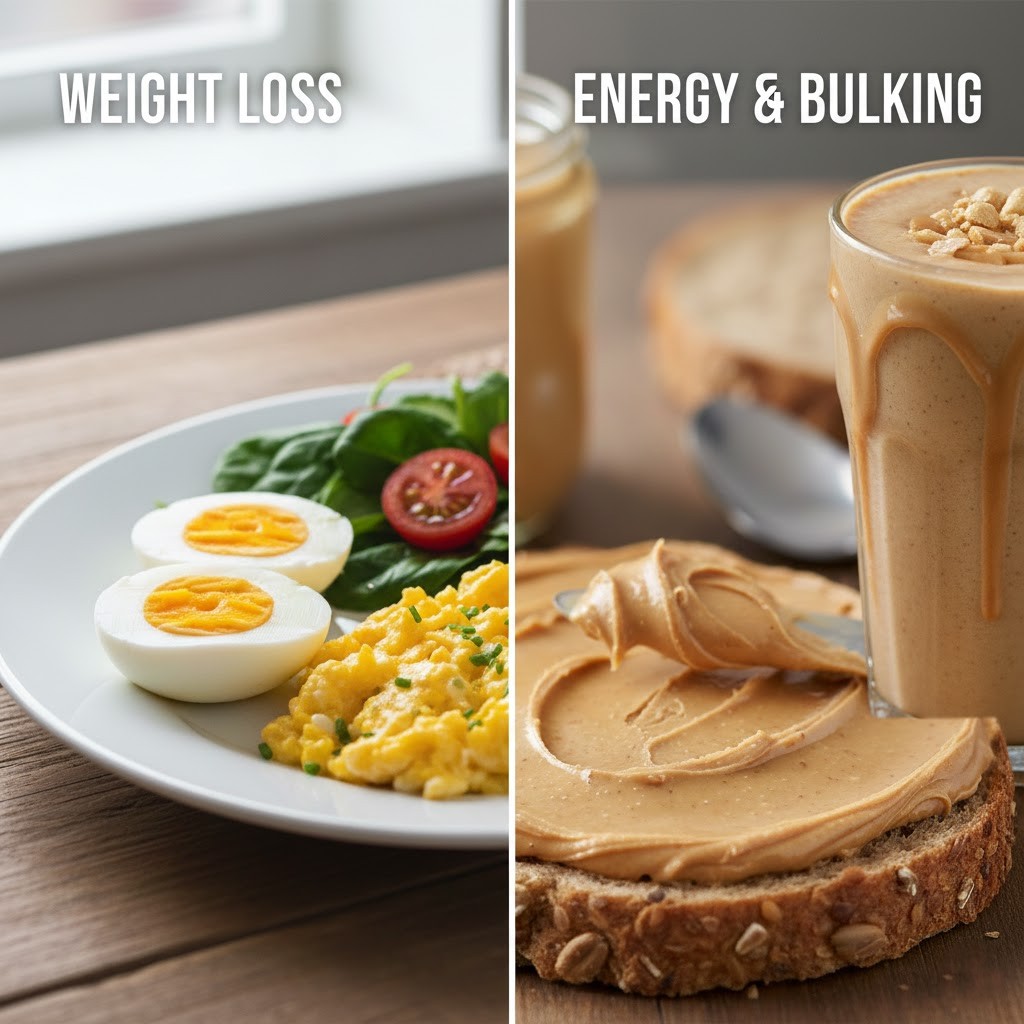
Finally, the best choice depends on your specific health and lifestyle goals.
Best Option for Weight Loss
Eggs generally win for weight loss due to lower calories, zero sugar, and high satiety. Eating two eggs for breakfast can help reduce snacking later in the day compared to calorie-dense spreads like peanut butter.
Best Option for Muscle and Fitness Goals
For muscle building, both can play a role. Eggs provide complete protein, while peanut butter adds extra calories and healthy fats. Many athletes use eggs as a primary protein and peanut butter as a calorie booster.
Can You Eat Both?
Absolutely. Combining eggs and peanut butter across different meals can create balance. For example, eggs at breakfast and peanut butter as an afternoon snack offer protein variety and nutritional diversity without overdoing either.
FAQs
- Is peanut butter or eggs better for daily protein?
Eggs are generally better for daily protein because they provide complete protein with fewer calories. Two eggs give about 12 g of protein for roughly 140 calories. Peanut butter offers protein too, but you’ll consume more calories and fat to get the same amount, making eggs more efficient for everyday use. - Can I eat peanut butter instead of eggs for breakfast?
Yes, especially if you prefer plant-based foods. Pair peanut butter with whole-grain toast or oatmeal for balance. Just keep portions to about 2 tbsp to avoid excess calories, and choose unsweetened peanut butter when possible. - Are eggs unhealthy because of cholesterol?
For most healthy adults, eating up to one egg per day does not significantly increase heart disease risk. Current research shows dietary cholesterol has less impact on blood cholesterol than once believed, especially when eggs are part of a balanced diet. - Which is better for kids: peanut butter or eggs?
Both can be healthy for kids. Eggs provide essential nutrients for growth, while peanut butter offers energy and healthy fats. Watch for peanut allergies, and avoid added-sugar peanut butter for children.
Trying to decide between peanut butter vs eggs? Use eggs for lean, high-quality protein and peanut butter for energy and healthy fats. Balance both based on your goals, and choose minimally processed options for the best results.
Disclaimer: This content is for informational purposes only and is not a substitute for professional medical advice.

About Sarah Williams
We turn solid evidence into everyday habits Americans can actually do—plain English, cups/oz, grocery-aisle swaps, and routines that fit real life. Our editorial process: Experience—we road-test tips in real schedules…