Organ Deterioration Habits That Harm Your Health
Your body’s organs work quietly every day—filtering toxins, digesting food, pumping blood, and supporting your brain. But over time, small...
- Why Organ Health Changes Over Time with Organ Deterioration Habits
- Habits That May Harm the Stomach, Kidneys, and Brain Through Organ Deterioration Habits
- Habits That May Affect the Eyes, Liver, and Heart in Organ Deterioration Habits
- Habits That May Damage the Lungs, Ears, and Pancreas in Organ Deterioration Habits
- Simple Ways to Protect Your Organs Every Day from Organ Deterioration Habits
- FAQs About Organ Deterioration Habits
- Disclaimer: This content is for informational purposes only and is not a substitute for professional medical advice.
Your body’s organs work quietly every day—filtering toxins, digesting food, pumping blood, and supporting your brain. But over time, small daily habits can contribute to organ deterioration habits that slowly strain these systems. The issue usually doesn’t happen overnight. Instead, patterns like dehydration, poor diet, or constant stress can gradually affect how organs function.
The good news is that understanding organ deterioration habits can help you recognize risks early and adjust your routine. In this guide, we’ll explore the everyday behaviors that may influence organ health and simple changes that can help support your body for years to come.
Why Organ Health Changes Over Time with Organ Deterioration Habits
Understanding organ deterioration habits begins with recognizing that organs naturally change as we age. However, lifestyle patterns can accelerate or slow these changes. Small daily routines like what you eat, how much water you drink, and how you manage stress can influence how well organs perform over decades.
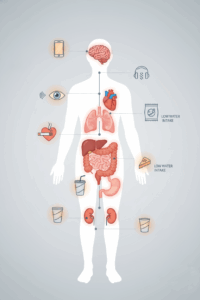
How daily habits affect major organs in organ deterioration habits
Many common organ deterioration habits involve everyday choices. For example, a person who regularly drinks less than 6–8 cups of water (1.4–1.9 liters) per day may put extra pressure on the kidneys, which rely on fluids to filter waste effectively. Similarly, frequent consumption of high-sodium foods such as frozen dinners containing 700–900 mg of sodium per serving—can place strain on the cardiovascular system over time.
Another example involves diet quality. A weekly diet that includes multiple servings of ultra-processed foods, like packaged snacks or sugary beverages, may contribute to metabolic stress affecting organs such as the liver and pancreas. While occasional indulgences are normal, repeated patterns can slowly influence organ performance.
Why small routines can add up over the years in organ deterioration habits
What makes organ deterioration habits concerning is their cumulative effect. A habit that seems minor—like sleeping only 5–6 hours per night—might not cause immediate symptoms. But over months or years, sleep deprivation may affect hormone balance, metabolism, and cognitive function.
Similarly, repeated exposure to environmental stressors can add up. For example, listening to music at volumes above 85 decibels, which is common with headphones at maximum volume, may increase the risk of hearing damage over time. Because organs rely on long-term stability, consistent healthy routines often matter more than occasional short bursts of healthy behavior.
Habits That May Harm the Stomach, Kidneys, and Brain Through Organ Deterioration Habits
Certain organ deterioration habits specifically affect digestion, hydration balance, and mental health. These habits may seem harmless at first but can gradually influence how organs like the stomach, kidneys, and brain function.

Long gaps between meals and stomach stress in organ deterioration habits
One example of organ deterioration habits involves regularly skipping meals or waiting extremely long between meals. Going 10–12 hours without eating during the day can sometimes increase stomach acid production in sensitive individuals. This may lead to symptoms such as heartburn, stomach discomfort, or acid reflux.
In the United States, many people skip breakfast due to busy schedules. However, research suggests that eating balanced meals spaced about 4–5 hours apart may help stabilize digestion and energy levels. A simple example could be oatmeal with fruit in the morning, a protein-rich lunch, and a lighter dinner. Maintaining regular eating patterns can support the stomach’s natural rhythm.
Not drinking enough water and kidney strain in organ deterioration habits
Another common organ deterioration habit is chronic dehydration. The kidneys rely on water to filter waste products from the blood and produce urine. When fluid intake is too low, waste concentration increases and may contribute to kidney stress.
For most adults, general hydration recommendations range from about 8–12 cups of fluids per day (1.9–2.8 liters) depending on climate and activity levels. For example, someone exercising outdoors in 90°F (32°C) weather may need additional fluids to maintain proper kidney function. Consistent hydration supports filtration processes and helps maintain electrolyte balance.
Chronic stress and negative thinking effects on the brain in organ deterioration habits
Mental health also plays a role in organ deterioration habits. Long-term stress triggers the release of cortisol and other stress hormones. Elevated cortisol over time may influence sleep quality, memory, and emotional regulation.
For instance, individuals experiencing persistent workplace stress for 6–12 months may notice fatigue, difficulty concentrating, or mood changes. Activities such as mindfulness meditation, regular exercise, or spending 20–30 minutes outdoors daily can help reduce stress responses. Supporting brain health through stress management can also indirectly benefit the entire body.
Habits That May Affect the Eyes, Liver, and Heart in Organ Deterioration Habits
As we continue exploring organ deterioration habits, modern lifestyles have introduced new challenges, particularly for the eyes, liver, and heart.

Bright screens in the dark and eye fatigue in organ deterioration habits
Digital devices have become a major part of daily life. However, one emerging organ deterioration habit is extended screen use in low-light environments. Looking at bright screens in the dark may contribute to eye strain, dryness, and temporary blurred vision.
A typical office worker might spend 7–10 hours per day looking at digital displays. Eye specialists often recommend the 20-20-20 rule: every 20 minutes, look at something 20 feet away for 20 seconds. Simple adjustments like reducing screen brightness and increasing ambient lighting can reduce strain on the eyes.
Processed foods and added strain on the liver in organ deterioration habits
Diet choices also influence organ deterioration habits, especially when it comes to the liver. The liver processes nutrients, medications, and toxins. Diets high in ultra-processed foods—such as fast food meals exceeding 1,200 calories and containing large amounts of refined sugars—may place extra metabolic demands on this organ.
For example, consuming sugar-sweetened beverages daily, such as 20 oz sodas containing about 65 grams of sugar, can contribute to metabolic stress. Replacing sugary drinks with water, sparkling water, or unsweetened tea may help support healthier liver function.
Too much sodium and heart health concerns in organ deterioration habits
Another well-known organ deterioration habit involves excessive sodium intake. The average American diet often exceeds the recommended 2,300 mg of sodium per day, sometimes reaching 3,400 mg daily according to CDC estimates.
High sodium intake may contribute to elevated blood pressure in sensitive individuals. Over time, this can place additional workload on the heart and blood vessels. Choosing fresh foods—like grilled chicken, vegetables, and whole grains instead of packaged meals can significantly reduce sodium consumption.
Habits That May Damage the Lungs, Ears, and Pancreas in Organ Deterioration Habits
Some organ deterioration habits involve environmental exposures or dietary patterns that affect breathing, hearing, and metabolic health.

Smoking and lung function decline in organ deterioration habits
Smoking remains one of the most significant organ deterioration habits affecting lung health. Cigarette smoke contains more than 7,000 chemicals, many of which can irritate lung tissue and impair respiratory function.
For example, someone smoking one pack per day for 10 years may experience reduced lung capacity compared with non-smokers. Even exposure to secondhand smoke may influence respiratory health. Quitting smoking is widely considered one of the most impactful steps for supporting lung health.
Loud music and hearing damage risk in organ deterioration habits
Listening to loud music through headphones is another growing organ deterioration habit, particularly among younger adults. Sounds above 85 decibels—roughly the level of heavy city traffic—can damage hearing if exposure is prolonged.
For example, listening at 100 decibels for 15 minutes daily may gradually affect the inner ear’s sensory cells. Experts often recommend keeping headphone volume below 60% of maximum and limiting listening sessions to under an hour at a time.
Too much sugar and pancreas health in organ deterioration habits
Dietary sugar intake is another important organ deterioration habit affecting the pancreas. The pancreas produces insulin, which helps regulate blood sugar levels. Consuming large amounts of sugary foods—such as desserts containing 40–60 grams of sugar per serving—may contribute to metabolic stress.
Balancing meals with protein, fiber, and healthy fats can help moderate blood sugar spikes. For instance, pairing fruit with Greek yogurt or nuts may support steadier energy levels and reduce strain on the pancreas.
Simple Ways to Protect Your Organs Every Day from Organ Deterioration Habits
Fortunately, avoiding harmful organ deterioration habits often involves simple lifestyle adjustments that support overall wellness.

Practical daily swaps for better organ support in organ deterioration habits
Small daily choices can gradually counteract organ deterioration habits. Consider these practical swaps:
- Drink 8–10 cups water daily instead of sugary beverages.
- Replace processed snacks with fruit, nuts, or yogurt.
- Follow the 20-20-20 eye rule during screen use.
- Limit sodium to 2,300 mg per day when possible.
- Take 10–20 minute walks to reduce stress.
- Use headphones at 60% volume or lower.
These adjustments may seem simple, but consistency is key. Over time, healthier routines help maintain stable organ function.
When symptoms mean it is time to see a doctor for organ deterioration habits
Sometimes, symptoms may signal that organ deterioration habits have already begun affecting health. Warning signs might include persistent fatigue, swelling, unexplained digestive discomfort, frequent headaches, or hearing changes.
For example, someone experiencing persistent abdominal pain lasting more than 3–4 days should consider seeking medical evaluation. Similarly, sudden vision changes or shortness of breath should be addressed promptly. Healthcare professionals can evaluate symptoms and recommend appropriate testing or treatment.
FAQs About Organ Deterioration Habits
Do organs naturally deteriorate with age?
Yes, organs naturally experience gradual changes with aging. For example, kidney filtration rates may slowly decline after age 40–50. However, healthy lifestyle habits—such as balanced nutrition, regular exercise, and adequate hydration—can help support organ function and reduce the impact of aging.
Can lifestyle changes reverse organ deterioration habits?
In some cases, improving organ deterioration habits may help support recovery or stabilization. For instance, reducing sodium intake may improve blood pressure levels, and quitting smoking may improve lung function over time. However, the degree of improvement varies depending on individual health conditions.
How much water should adults drink daily?
Hydration needs vary based on body size, activity level, and climate. A general guideline for many adults is around 8–12 cups of fluids per day (1.9–2.8 liters). People exercising heavily or spending time outdoors in hot weather may require additional fluids.
Are processed foods always harmful to organs?
Processed foods are not automatically harmful, but diets heavily reliant on ultra-processed foods may contribute to organ deterioration habits. Many packaged foods contain high levels of sodium, sugar, or unhealthy fats. Balancing these foods with whole ingredients can support better long-term health.
Can stress really affect organ health?
Yes, chronic stress may influence multiple body systems. Long-term stress hormones can affect sleep, blood pressure, metabolism, and mental health. Practices like physical activity, breathing exercises, and social connection can help reduce stress and support overall wellness.
Disclaimer: This content is for informational purposes only and is not a substitute for professional medical advice.

About Essentialwellnessaz Editorial Team
We turn solid evidence into everyday habits Americans can actually do—plain English, cups/oz, grocery-aisle swaps, and routines that fit real life. Our editorial process: Experience—we road-test tips in real schedules…