What Your Nails Reveal About Your Health
Your nails can offer surprising clues about what’s happening inside your body. While most changes are harmless, others may signal...
Your nails can offer surprising clues about what’s happening inside your body. While most changes are harmless, others may signal nutrient deficiencies, infections, or underlying health concerns worth paying attention to. Learning to recognize these nail disease symptoms empowers you to spot issues early and discuss them with a healthcare professional. In this guide, you’ll discover the most common nail changes, what they can mean, and when it’s time to take action so you can better protect your overall nail health.
What Common Nail Changes Can Reveal
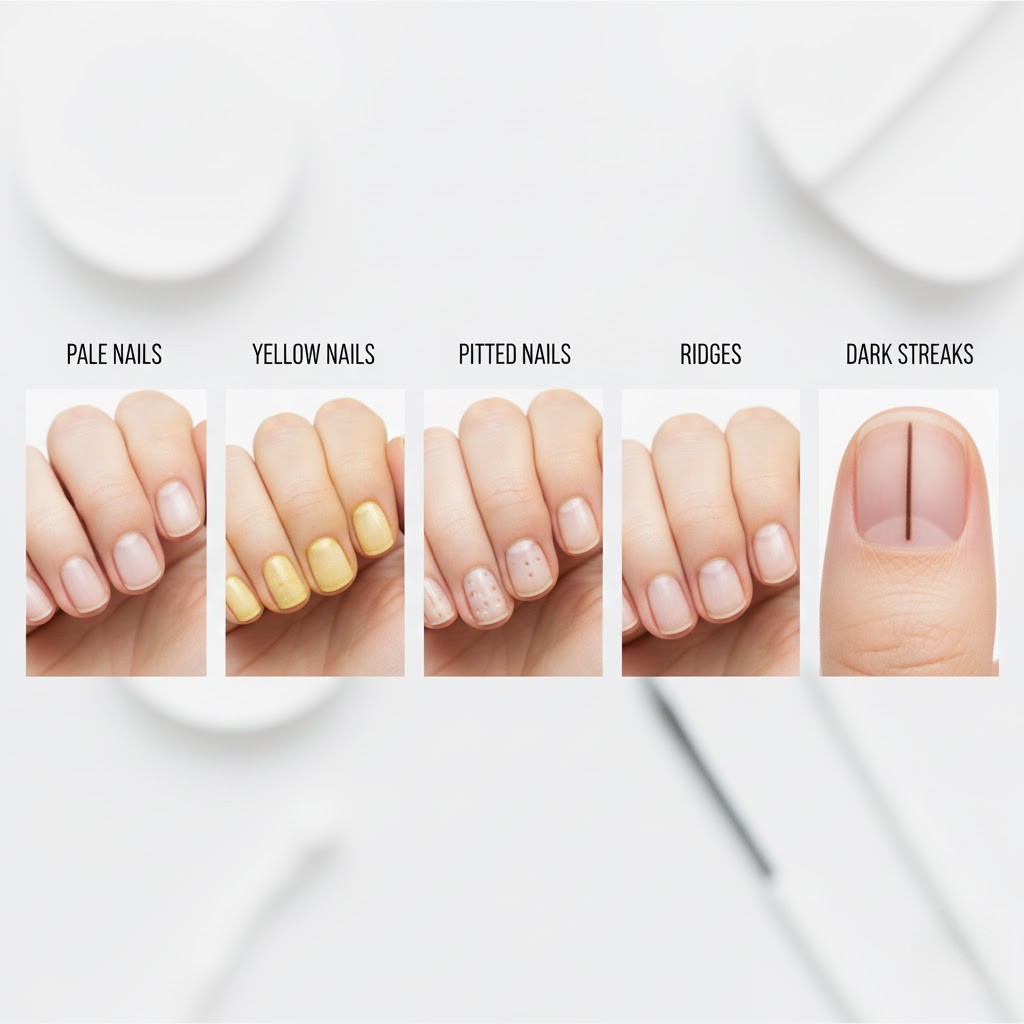
Before worrying about serious conditions, it helps to understand that many nail changes come from everyday habits—like frequent handwashing, manicures, or mild trauma. Still, certain patterns can offer helpful insight into your body’s health.
👉 This pairs well with our What Your Urine Color and Smell Reveal guide if you want the full picture on topics related to meaning.
Color shifts such as pale, yellow, or dark streaks
Changes in nail color are among the most noticeable nail disease symptoms. Pale nails, for example, may reflect low red blood cell levels; one study found that anemia affects roughly 5 million Americans and can sometimes show up in nail beds. Yellowing is commonly linked with fungal infections, especially if nails become thicker over time. About 10% of adults experience fungal nail issues at some point, making it one of the most common nail concerns. Dark vertical streaks can appear from harmless pigmentation, but if a streak becomes wider, darker, or extends into the cuticle, it deserves prompt evaluation. These color changes don’t diagnose a condition on their own, but they serve as useful signals to watch closely.
👉 Want to go further? Our complete breakdown of What Your Tongue Color Says About Your Health walks you through topics related to health step by step.
Texture and shape changes including pitting, ridges, or curvature
Nail texture can shift for many reasons, from normal aging to nutrient shortages. Vertical ridges often increase after age 50 and usually aren’t a cause for concern. But deep horizontal lines—sometimes called Beau’s lines—may appear after illness, injury, or periods of severe stress. Nail pitting, seen as small pinpoint dents, sometimes correlates with inflammatory conditions and is worth discussing with a provider if it persists. Curved or spoon-shaped nails can occasionally indicate iron imbalance; for example, chronic low iron levels may cause nails to flatten or dip. If changes develop suddenly or affect multiple nails, they become more meaningful clues about your overall nail health.
👉 Want to go further? Our complete breakdown of 10-Minute Core Burn Workout at Home (No Equipment) walks you through topics related to equipment step by step.
When Nail Symptoms May Signal a Bigger Issue
Now that you know how to recognize surface-level changes, it’s important to understand which symptoms may point toward deeper concerns. While nails don’t provide a diagnosis, they can encourage timely check-ins with a professional.
Warning signs tied to infections, deficiencies, or inflammation
Persistent yellowing, especially when paired with nail thickening, brittleness, or debris under the nail, often reflects a fungal infection. Because fungal growth can spread, early treatment can shorten recovery time. Inflammation around the cuticle, redness, or swelling may indicate bacterial involvement, especially if discomfort increases over 48 hours. Nutrient gaps, such as low biotin or iron intake, sometimes contribute to brittle nails or slow growth. As an example, iron deficiency remains one of the most common nutrient shortages in the US, affecting millions of adults. Repeated pitting or horizontal lines can sometimes accompany inflammatory conditions; however, these nail disease symptoms should be interpreted carefully in the context of overall health.
When to seek medical evaluation for persistent or unusual nail changes
Any nail change that worsens over several weeks, affects multiple fingers, or comes with pain deserves attention. For instance, if a dark stripe widens or changes color within a month, a dermatologist should evaluate it promptly. Similarly, nails lifting from the nail bed—called onycholysis—may reflect infection, irritation, or thyroid fluctuations and should not be ignored if it progresses. If nail changes appear alongside new fatigue, weight shifts, or skin changes, that combination provides even more helpful information for a professional review. When symptoms linger despite home care—such as moisturizing, trimming, or avoiding irritants—it’s generally best to schedule an appointment.
How to Monitor and Support Healthier Nails at Home
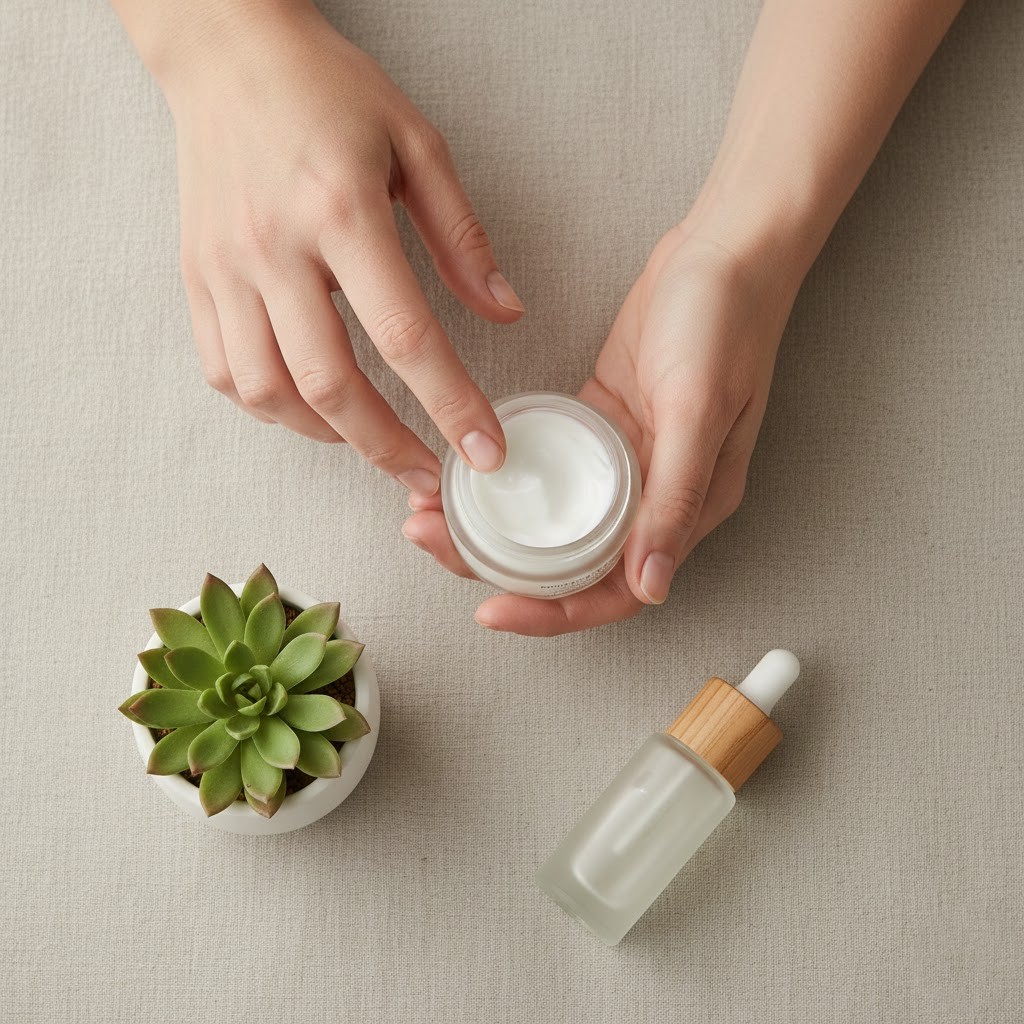
While nails can reflect internal changes, simple routine habits can help you maintain strong nail health and notice issues early.
Daily habits that keep nails stronger and more resilient
Moisturizing your hands and nails with a thick cream or cuticle oil at least twice a day can reduce breakage by helping prevent dehydration—a major contributor to peeling. Keeping nails trimmed straight across reduces the risk of snagging or infection, especially if you frequently work with your hands. Wearing gloves for cleaning or dishwashing protects nails from constant moisture swings that weaken keratin over time. Using acetone-based polish removers no more than once per week helps prevent cracking; many Americans use removers too often without realizing they strip natural oils.
How to track nail symptoms over time
Monitoring nail changes is simple when you develop a routine. Take a clear phone photo once a month to document growth patterns or new lines; many changes occur slowly, making them easier to miss day to day. If you experience discoloration, note how many nails are affected—systemic changes often influence multiple nails, while localized trauma usually impacts just one. Track any associated symptoms such as fatigue, skin changes, or recurring infections. If you notice a pattern lasting more than 8–12 weeks, it’s wise to bring those notes to an appointment for a more accurate assessment.
Practical Ways to Reduce Nail Damage
After noticing nail disease symptoms, protecting your nails becomes even more important. Small changes in your routine can dramatically improve nail resilience.
Simple precautions to prevent breakage and irritation
Avoid picking or peeling nail polish, as this removes the top keratin layers along with the lacquer. Keep nail length moderate; nails extending more than 0.2 inches beyond the fingertip are far more likely to bend or tear. If you regularly visit salons, choose those that sterilize tools properly—poor sanitation increases infection risk. Letting nails “breathe” for 5–7 days between polish applications can also reduce discoloration. If you frequently type or text, try keeping your nails slightly shorter to minimize repeated pressure on the nail tips.
When home care isn’t enough
If nails remain brittle even after hydrating and protecting them for several months, a healthcare provider may check for deficiencies or recommend targeted treatments. Thickened nails, repeated infections, or dramatic shape changes typically need professional evaluation. Similarly, if nail separation continues to worsen despite avoiding irritants, that pattern suggests deeper involvement. It’s always reasonable to ask your provider whether a referral to a dermatologist would be beneficial—especially when nail changes keep returning.
Tips to Support Nail Health
- Moisturize nails daily to reduce splitting.
- Wear gloves when cleaning or gardening to avoid damage.
- Trim nails straight across to reduce breakage.
- Limit acetone removers to once weekly.
- Give nails rest weeks between polish.
- Avoid biting or picking at cuticles.
FAQs
- Are nail changes always a sign of illness?
Not always. Many nail changes come from normal aging, dryness, or mild trauma. However, if symptoms persist for more than 8–12 weeks or worsen over time, it’s worth getting them checked. Persistent discoloration, thickening, or pain may offer clues for your provider. - Can nutrient deficiencies really affect nail appearance?
Yes—nutrient gaps like low iron or low biotin intake can contribute to brittle nails or slow growth. While supplements aren’t always necessary, improving diet quality and getting personalized testing through a provider can help determine whether deficiencies are contributing factors. - When should I worry about a dark line on my nail?
A dark line isn’t always dangerous, but it should be evaluated if it becomes wider, darker, or extends into the cuticle. If changes appear within weeks or affect only one nail, your provider may recommend dermatology screening to better understand the cause. - Can nail fungus go away on its own?
Fungal infections typically don’t resolve without treatment and may worsen over time. Early evaluation helps determine whether topical or oral medications are appropriate. Home care alone often isn’t sufficient once the infection spreads under the nail. - Why do my nails peel even when I moisturize?
Peeling can happen from frequent water exposure, repeated polish removal, or low humidity. Increasing hydration, limiting harsh chemicals, and wearing gloves during chores can help. If peeling doesn’t improve after several months, consider a professional evaluation.
If you’ve noticed new nail changes or symptoms that keep returning, take a moment to monitor them closely and schedule a check-in with a healthcare professional. Early attention can help you protect both your nail health and your overall well-being.
Disclaimer: This content is for informational purposes only and is not a substitute for professional medical advice.

About Jane Smith
We turn solid evidence into everyday habits Americans can actually do—plain English, cups/oz, grocery-aisle swaps, and routines that fit real life. Our editorial process: Experience—we road-test tips in real schedules…