Top Iron-Rich Foods for Your Diet
Iron is an essential nutrient that plays a crucial role in maintaining your health. It supports the production of hemoglobin,...
Iron is an essential nutrient that plays a crucial role in maintaining your health. It supports the production of hemoglobin, the protein in red blood cells that carries oxygen throughout the body. Adequate iron intake helps prevent anemia and ensures your muscles and tissues receive the oxygen they need. If you want to boost your iron levels, you can easily include iron-rich foods in your diet. Here are some top iron-packed foods to consider.
What Are Iron-Rich Foods?
Iron-rich foods are those that contain high amounts of iron, which is necessary for your body to function properly. Iron comes in two forms: heme and non-heme. Heme iron is found in animal-based products, while non-heme iron is present in plant-based foods. It’s important to consume a balance of both to ensure you’re getting enough iron to meet your body’s needs.
👉 If you’re also working on kidney health and function, our detailed guide on Best Foods to Support Kidney Health covers exactly what you need.
Why Iron Is Essential for Your Health
Iron is necessary for the formation of hemoglobin, which transports oxygen throughout your body. Without enough iron, your body cannot produce enough healthy red blood cells, leading to fatigue, weakness, and even anemia. Iron is also important for your immune system, cognitive function, and energy levels. Getting enough iron from food is a natural and healthy way to maintain these functions.
👉 Want to go further? Our complete breakdown of Foods That Naturally Support Common Health Issues walks you through topics related to naturally step by step.
How Iron-Rich Foods Support Your Well-Being
Including iron-rich foods in your diet helps to maintain energy levels, enhance brain function, and improve overall well-being. Whether you’re an athlete, a busy professional, or simply someone looking to maintain your health, iron plays a crucial role in keeping your body energized and functioning at its best. By choosing foods that are rich in iron, you are giving your body the support it needs to thrive.
👉 This pairs well with our How Foods Support Your Body Naturally guide if you want the full picture on topics related to naturally.
Top Iron-Rich Foods to Add to Your Diet
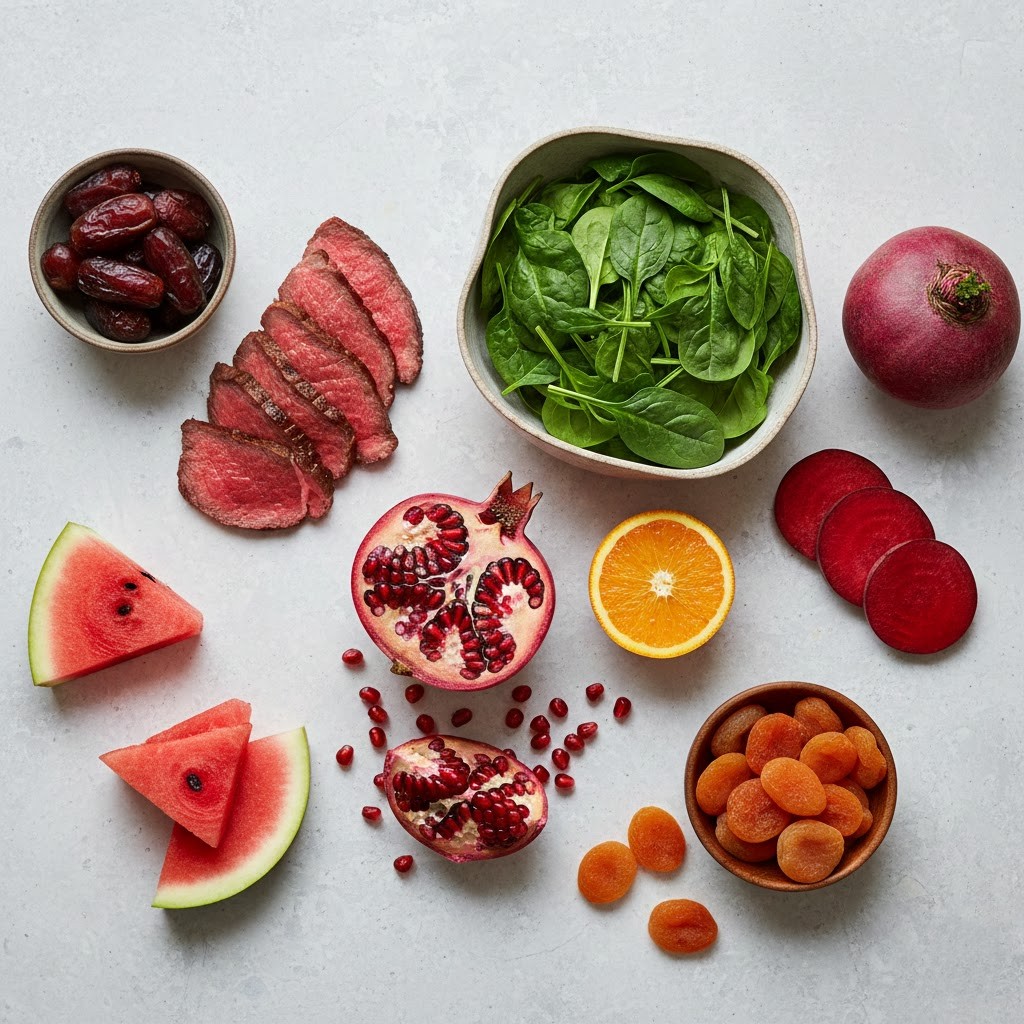
To ensure you’re getting enough iron, here are some of the top iron-rich foods you should consider adding to your diet.
Dates: A Sweet Source of Iron
Dates are a great snack option packed with iron. Just 1/4 cup (about 4 dates) provides around 1.5 mg of iron. They’re also rich in fiber, antioxidants, and natural sugars, making them a perfect energy-boosting snack. You can enjoy them as-is or add them to smoothies, oatmeal, or salads to help meet your daily iron needs.
Red Meat: A Powerhouse of Hemoglobin
Red meat, particularly beef and lamb, is an excellent source of heme iron, the type of iron that is most easily absorbed by the body. A 3-ounce (85 grams) serving of cooked beef contains approximately 2.1 mg of iron. While red meat is rich in iron, it’s best to consume it in moderation due to its high saturated fat content. Consider balancing red meat with plant-based iron sources for a well-rounded diet.
Spinach: The Green Iron Giant
Spinach is a top choice for plant-based iron. A 1-cup (180 grams) serving of cooked spinach provides about 6.4 mg of iron. This leafy green is also packed with vitamins, minerals, and antioxidants. While the iron in spinach is non-heme, pairing it with vitamin C-rich foods like bell peppers or citrus fruits can enhance absorption. A spinach salad with citrus dressing is a great way to get both iron and vitamin C in one meal.
Pomegranate: A Juicy Iron Boost
Pomegranate seeds are not only delicious but also provide a good source of non-heme iron. One pomegranate provides about 1.5 mg of iron, along with fiber and antioxidants. The high vitamin C content in pomegranates also helps enhance the absorption of iron from plant-based sources. Try adding pomegranate seeds to salads, yogurt, or smoothies for a sweet and nutritious addition to your diet.
Beetroot: A Root Veggie with Iron Power
Beetroot is another iron-rich vegetable that can help boost your iron intake. One medium-sized beetroot (about 3 ounces or 85 grams) contains around 0.8 mg of iron. In addition to iron, beets are packed with fiber, folate, and antioxidants, making them a great addition to your diet. Roasted, steamed, or blended into smoothies, beets can easily be incorporated into meals for an iron boost.
Dried Apricots: A Portable Iron Snack
Dried apricots are a convenient and portable snack that provides a good amount of non-heme iron. A 1/4 cup (about 4 apricots) offers around 1.5 mg of iron. They’re also rich in fiber, vitamins, and potassium. Keep a bag of dried apricots on hand for an easy, iron-rich snack throughout the day.
Watermelon: Hydrating and Iron-Packed
Watermelon is not only hydrating but also contains a small amount of iron. One cup (154 grams) of watermelon contains about 0.4 mg of iron. While it’s not a high source of iron, watermelon is an excellent way to stay hydrated while still contributing to your overall iron intake. Pair it with other iron-rich foods for a more balanced iron boost.
Tips for Maximizing Iron Absorption
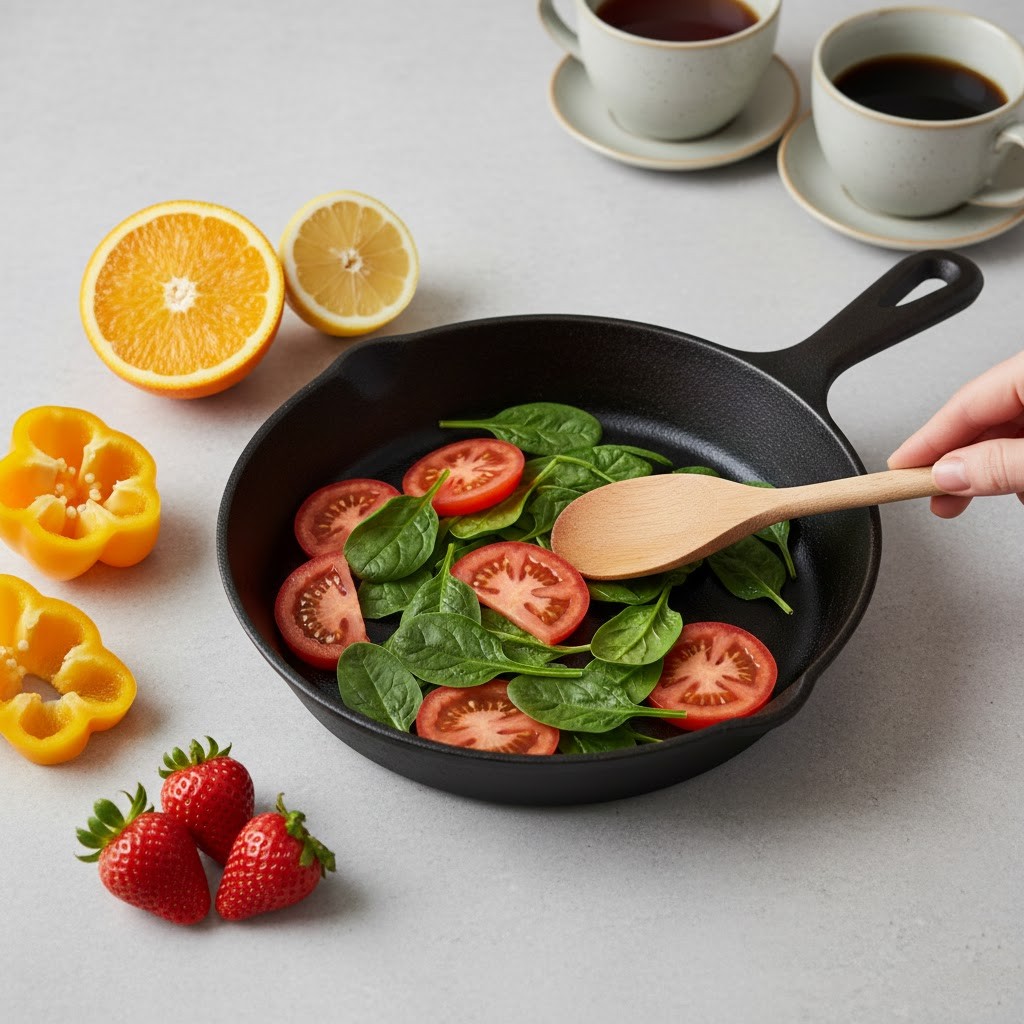
Iron absorption can be influenced by what you eat alongside it. To get the most out of your iron-rich foods, consider the following tips.
Pairing Iron-Rich Foods with Vitamin C for Better Absorption
One of the most effective ways to enhance the absorption of non-heme iron (the type found in plant-based foods) is by consuming vitamin C-rich foods alongside it. Vitamin C helps convert iron into a form that is more easily absorbed by your body. For example, adding citrus fruits, bell peppers, or strawberries to your spinach salad will improve iron absorption. Aim to include a source of vitamin C with every meal that contains non-heme iron.
Avoid Drinking Tea or Coffee with Iron-Rich Meals
Certain beverages, such as tea and coffee, can inhibit iron absorption. This is because they contain tannins, which can bind to iron and prevent its absorption. To get the most iron from your meals, try to avoid drinking tea or coffee within 30 minutes of eating an iron-rich meal.
Cook in Cast-Iron Cookware
Cooking in cast-iron cookware can actually increase the iron content of your food. When you cook acidic foods, like tomatoes, in a cast-iron pan, some of the iron from the pan leaches into the food. This can be a simple way to boost your iron intake while preparing your meals.
FAQs
- Q: How much iron should I consume daily?
A: The recommended daily iron intake varies by age, gender, and health status. For adult women, it’s typically around 18 mg per day, while men need about 8 mg. Pregnant women may need up to 27 mg per day. - Q: Can I get enough iron from plant-based foods alone?
A: Yes, it’s possible to get enough iron from plant-based foods, but it may require careful planning to ensure you’re consuming enough non-heme iron. Pairing these foods with vitamin C can help enhance absorption. - Q: Does iron from red meat absorb better than plant-based iron?
A: Yes, the iron in red meat (heme iron) is more easily absorbed by the body compared to plant-based iron (non-heme). However, non-heme iron can still be absorbed effectively when paired with vitamin C-rich foods. - Q: What are some symptoms of iron deficiency?
A: Symptoms of iron deficiency can include fatigue, weakness, pale skin, shortness of breath, and dizziness. If you suspect you’re deficient, it’s important to consult with a healthcare provider. - Q: Can I get too much iron from food?
A: While it’s rare to get too much iron from food alone, excessive iron intake from supplements can lead to iron toxicity. Always consult a healthcare provider before taking iron supplements.
Including iron-rich foods in your diet is an easy and effective way to improve your health. Whether you’re looking to prevent iron deficiency or simply support your body’s functions, adding these foods to your meals can provide numerous benefits. Start incorporating these iron-packed foods today to help fuel your body with the nutrients it needs.
Disclaimer: This content is for informational purposes only and is not a substitute for professional medical advice.

About Sarah Williams
We turn solid evidence into everyday habits Americans can actually do—plain English, cups/oz, grocery-aisle swaps, and routines that fit real life. Our editorial process: Experience—we road-test tips in real schedules…