Health Benefits of Seeds You Should Eat Daily
Seeds may be tiny, but their nutritional impact is enormous. The health benefits of seeds include improved digestion, heart health,...
- Why the Health Benefits of Seeds Make Them Nutritional Powerhouses
- Chia Seeds Health Benefits for Digestion and Energy
- Flax Seeds Health Benefits for Hormones and Inflammation
- Pumpkin Seeds Health Benefits for Sleep and Mineral Support
- Sunflower, Sesame, and Hemp Seeds Health Benefits
- Easy Ways to Add Seeds to Your Daily Diet
- FAQs
Seeds may be tiny, but their nutritional impact is enormous. The health benefits of seeds include improved digestion, heart health, hormone balance, and better energy levels. Many common seeds such as chia, flax, pumpkin, sunflower, sesame, and hemp are widely available in U.S. grocery stores and can easily be added to everyday meals. Just 1–2 tablespoons per day can provide fiber, healthy fats, and key minerals. This guide explains the most important health benefits of seeds, the nutrients they provide, and practical ways to add them to your daily diet.
Why the Health Benefits of Seeds Make Them Nutritional Powerhouses
To understand the health benefits of seeds, it helps to look at why seeds are so nutrient-dense. These tiny foods are the reproductive core of plants, which means they contain concentrated nutrients needed to support new growth. That concentration translates directly into powerful nutrition for humans.
Nutritional Density Behind the Health Benefits of Seeds
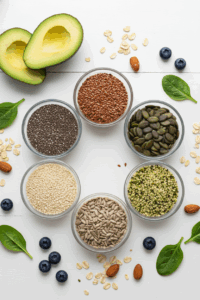
One major reason the health benefits of seeds are so widely discussed is their nutrient density. A typical serving—about 1 tablespoon (10–15 g) can contain fiber, protein, and healthy fats at levels similar to larger foods.
For example, 1 tablespoon of chia seeds provides about 4 g of fiber, which is roughly 14% of the daily recommended intake for adults in the United States. Seeds also contain plant-based protein, usually 2–5 g per tablespoon, depending on the type.
Because seeds are small but nutrient-packed, they are easy to incorporate into daily meals without drastically changing calorie intake. Adding 2 tablespoons of mixed seeds to oatmeal or yogurt can increase fiber, omega-3 fats, and micronutrients without requiring major diet changes.
Key Vitamins and Minerals in the Health Benefits of Seeds
Another reason the health benefits of seeds stand out is their rich mineral profile. Many seeds provide nutrients that Americans often lack, including magnesium, zinc, iron, and selenium.
Pumpkin seeds, for example, contain around 150 mg of magnesium per ounce (28 g). Magnesium supports muscle function, nerve signaling, and sleep quality. Similarly, sunflower seeds contain vitamin E, an antioxidant that helps protect cells from oxidative stress.
Seeds also deliver healthy fats, particularly omega-3 and omega-6 fatty acids that support heart health. These fats help maintain healthy cholesterol levels and support the body’s anti-inflammatory processes.
Chia Seeds Health Benefits for Digestion and Energy
Among all superfoods, chia seeds are often highlighted when discussing the health benefits of seeds. These tiny black or white seeds come from the Salvia hispanica plant and are known for their impressive fiber and omega-3 content.

Chia Seeds Health Benefits for Digestion and Gut Health
One of the most well-known health benefits of seeds, especially chia seeds is digestive support. Chia seeds contain soluble fiber, which absorbs water and forms a gel-like texture during digestion.
Just 2 tablespoons of chia seeds contain about 10 g of fiber, nearly 35% of the recommended daily intake for adults. This fiber helps slow digestion, stabilize blood sugar levels, and support beneficial gut bacteria.
For example, adding chia seeds to a morning smoothie with 1 cup almond milk and ½ cup berries can significantly increase fiber intake while keeping the meal light and satisfying.
Chia Seeds Health Benefits for Energy and Heart Health
Another important part of the health benefits of seeds is sustained energy. Chia seeds contain omega-3 fatty acids, particularly alpha-linolenic acid (ALA), which supports heart health.
Athletes sometimes use chia seeds as an endurance food. In fact, 2 tablespoons of chia seeds provide about 140 calories and 5 g of protein, making them a convenient energy source.
Many U.S. consumers add chia seeds to overnight oats, yogurt bowls, or smoothies. Because chia absorbs liquid, letting the seeds soak for 10–15 minutes improves texture and digestion.
Flax Seeds Health Benefits for Hormones and Inflammation
Flax seeds are another key example of the health benefits of seeds. These small brown or golden seeds have been studied for their unique plant compounds called lignans.

Flax Seeds Health Benefits for Hormone Balance
One of the distinctive health benefits of seeds, specifically flax seeds is their lignan content. Lignans are plant compounds that may help support hormone balance, particularly in women.
Flax seeds contain up to 800 times more lignans than many other plant foods. Research suggests these compounds may help support hormonal stability and metabolic health.
For best absorption, experts recommend ground flax seeds rather than whole seeds. Grinding breaks the outer shell, allowing nutrients to be absorbed more effectively.
A typical serving is 1 tablespoon (7 g) of ground flax seeds added to cereal, yogurt, or baked goods.
Flax Seeds Health Benefits for Anti-Inflammatory Support
Another important reason people seek the health benefits of seeds is inflammation control. Flax seeds contain omega-3 fatty acids that support the body’s natural anti-inflammatory processes.
For example, 1 tablespoon of flax seeds provides about 1.6 g of ALA omega-3 fats. This may support heart health and help maintain healthy cholesterol levels.
Many Americans add flax seeds to smoothies, pancake batter, or homemade granola. Their mild nutty flavor blends well with both sweet and savory foods.
Pumpkin Seeds Health Benefits for Sleep and Mineral Support
Pumpkin seeds also called pepitas are widely known for delivering some of the most powerful health benefits of seeds thanks to their mineral content.

Pumpkin Seeds Health Benefits for Sleep and Relaxation
Pumpkin seeds are rich in magnesium, a mineral linked to muscle relaxation and sleep quality. A 1-ounce (28 g) serving provides roughly 37% of the daily recommended magnesium intake.
Magnesium helps regulate neurotransmitters involved in sleep cycles. Because of this, pumpkin seeds are often recommended as an evening snack.
For example, eating ¼ cup roasted pumpkin seeds with a small banana can provide magnesium, fiber, and potassium—nutrients associated with better nighttime recovery.
Pumpkin Seeds Health Benefits for Zinc and Immune Function
Another reason the health benefits of seeds include pumpkin seeds is their zinc content. Zinc supports immune health, hormone production, and wound healing.
Just 1 ounce of pumpkin seeds contains about 2 mg of zinc, roughly 20% of the daily requirement for adults.
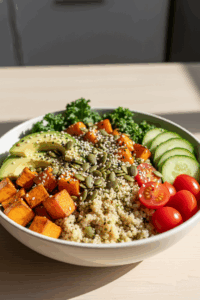
Pumpkin seeds are easy to incorporate into meals. Americans commonly sprinkle them over salads, grain bowls, or roasted vegetables for a crunchy texture and extra nutrition.
Sunflower, Sesame, and Hemp Seeds Health Benefits
Beyond chia, flax, and pumpkin seeds, several other varieties contribute to the health benefits of seeds and deserve a place in a balanced diet.
Sunflower Seeds Health Benefits for Immunity and Skin
Sunflower seeds contain vitamin E, a powerful antioxidant. A 1-ounce serving delivers nearly 50% of the daily recommended intake.
Vitamin E helps protect cells from oxidative stress and supports skin health. Because of this, sunflower seeds are often included in nutrition plans focused on maintaining healthy skin.
A common serving size is 2 tablespoons sprinkled over salads or yogurt.
Sesame and Hemp Seeds Health Benefits for Bones and Brain
Sesame seeds and hemp seeds offer additional health benefits of seeds through their mineral and healthy fat content.
Sesame seeds are rich in calcium and iron, supporting bone health and oxygen transport in the body. Hemp seeds provide complete plant protein, meaning they contain all nine essential amino acids.
For example, 3 tablespoons of hemp seeds contain about 10 g of protein and healthy omega fats that support brain health.
These seeds are often added to grain bowls, smoothies, or stir-fries for both flavor and nutrition.
Easy Ways to Add Seeds to Your Daily Diet
Understanding the health benefits of seeds is helpful, but knowing how to use them daily makes the biggest difference.

Simple Daily Steps to Enjoy the Health Benefits of Seeds
- Sprinkle 1 tablespoon chia seeds over oatmeal.
- Add ground flax seeds to pancake or muffin batter.
- Top salads with 2 tablespoons sunflower seeds.
- Blend hemp seeds into smoothies for extra protein.
- Snack on ¼ cup roasted pumpkin seeds.
- Mix sesame seeds into stir-fry or rice bowls.
Tips and Swaps to Maximize the Health Benefits of Seeds
- Use ground flax seeds for better nutrient absorption.
- Soak chia seeds 10–15 minutes for smoother digestion.
- Store seeds in airtight containers in the refrigerator.
- Replace croutons with sunflower or pumpkin seeds for crunch.
- Add seeds to Greek yogurt or overnight oats.
FAQs
How many seeds should you eat daily for the health benefits of seeds?
Most nutrition experts recommend 1–2 tablespoons of seeds per day. This amount provides fiber, healthy fats, and minerals without adding excessive calories. For example, combining 1 tablespoon chia seeds and 1 tablespoon flax seeds in breakfast oatmeal is a simple way to enjoy multiple benefits.
Are mixed seeds better for the health benefits of seeds?
Yes, combining different seeds can enhance the health benefits of seeds. Each seed provides unique nutrients—chia for omega-3s, pumpkin for magnesium, and sunflower seeds for vitamin E. Eating a mix increases nutrient diversity and supports a more balanced intake.
Can seeds support heart health?
Many studies link the health benefits of seeds to cardiovascular health. Seeds contain omega-3 fats, fiber, and plant compounds that may support healthy cholesterol levels and reduce inflammation when included as part of a balanced diet.
Should seeds be eaten raw or roasted?
Both options provide health benefits of seeds, though lightly roasted seeds may taste better and still retain most nutrients. Avoid heavily salted versions when possible. Dry roasting at 325°F (163°C) for about 10 minutes helps preserve flavor without destroying nutrients.
Are seeds safe for everyday consumption?
For most healthy adults, seeds are safe to eat daily. However, because they are calorie-dense, portion control matters. A typical serving is 1–2 tablespoons or about 1 ounce (28 g) depending on the type of seed.
Seeds are one of the easiest ways to improve nutrition without changing your entire diet. Start by adding one tablespoon of seeds to a meal today, and gradually experiment with different varieties to enjoy the full health benefits of seeds.
Disclaimer: This content is for informational purposes only and is not a substitute for professional medical advice.

About Essentialwellnessaz Editorial Team
We turn solid evidence into everyday habits Americans can actually do—plain English, cups/oz, grocery-aisle swaps, and routines that fit real life. Our editorial process: Experience—we road-test tips in real schedules…