Full Body Cleanse Foods for Everyday Wellness
A full body cleanse doesn’t have to mean strict detox programs or expensive supplements. For many Americans, the most effective...
A full body cleanse doesn’t have to mean strict detox programs or expensive supplements. For many Americans, the most effective approach is simply choosing foods that naturally support the organs responsible for daily detoxification. Everyday ingredients like walnuts, spinach, garlic, carrots, and oats can help the body feel balanced, energized, and nourished without extreme dieting. In this guide, you’ll learn how specific foods support key organs, how to build a cleanse-friendly daily menu, and how to keep the routine sustainable for the long term.
What a Full Body Cleanse Really Means
Transitioning from trends toward practical habits starts with understanding what a full body cleanse actually involves. Rather than trying to “flush” toxins, the goal is to provide your organs with nutrients they use to do their jobs efficiently.
👉 This pairs well with our Egg Whites vs Egg Yolks: What You Should Really Know guide if you want the full picture on topics related to whites.
How Food Supports Natural Detox Pathways
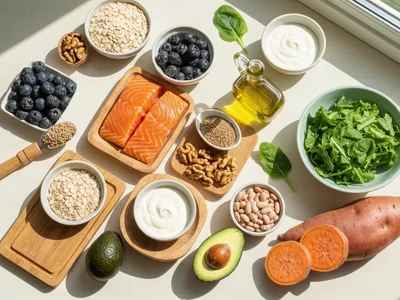
Whole foods offer fiber, antioxidants, and healthy fats that assist the body’s built-in cleansing processes. For example, oats deliver soluble fiber that can help support digestion and regularity, often providing around 4g of fiber per ½-cup serving. Walnuts supply omega-3 fats that help nourish the heart and brain while offering plant-based protein. Colorful produce like blueberries and carrots contains compounds that support cellular health. When these foods become part of daily meals, your body’s natural detox pathways—such as digestion, circulation, and cellular repair—can work more smoothly without relying heavily on external detox products.
👉 This pairs well with our Detox Salad With Zero-Mayo Avocado Dressing guide if you want the full picture on gentle body detoxification.
Simple Ways to Add Clean-Label Foods Daily
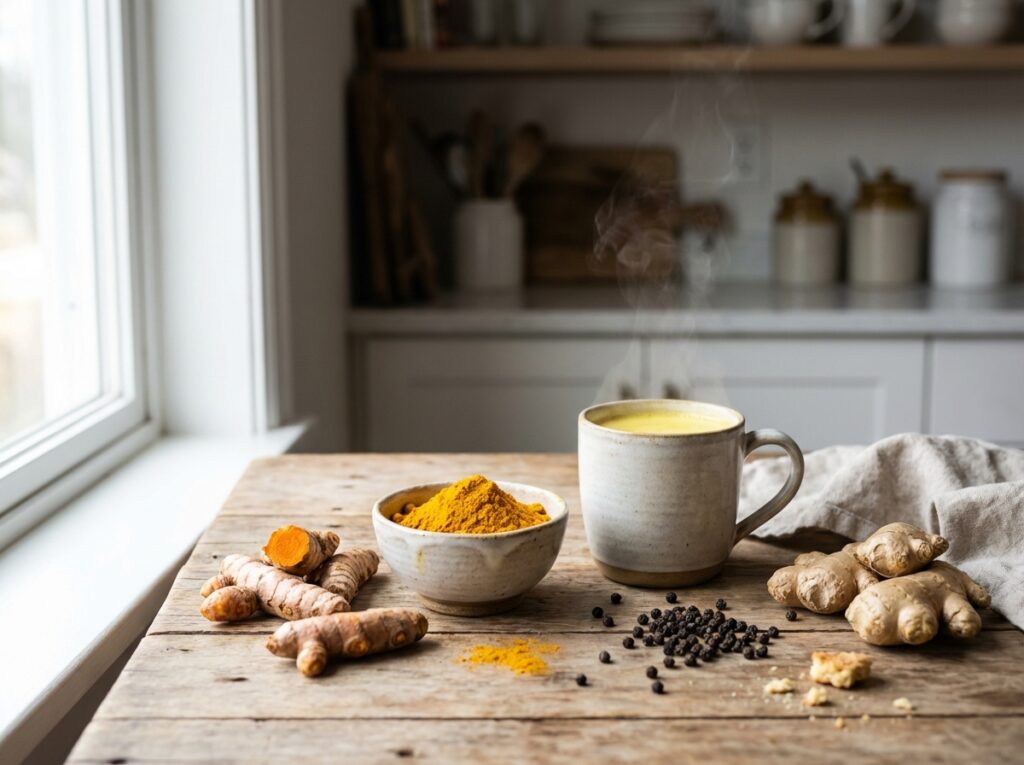
Clean-label eating works best when it’s simple and repeatable. Many Americans find success by choosing a few nutrient-dense staples each week. For instance, adding 1 cup of spinach to a morning omelet or smoothie increases fiber and micronutrients with almost no prep time. Swapping one snack for walnuts or blueberries provides antioxidants with around 100–150 calories. Using turmeric in soups or roasted vegetables adds both flavor and potential wellness benefits. These small steps build consistent habits that support a whole-body cleanse lifestyle.
👉 If you’re also working on immune system support, our detailed guide on Immunity-Boosting Foods to Add to Your Daily Diet covers exactly what you need.
Foods That Support Key Organs
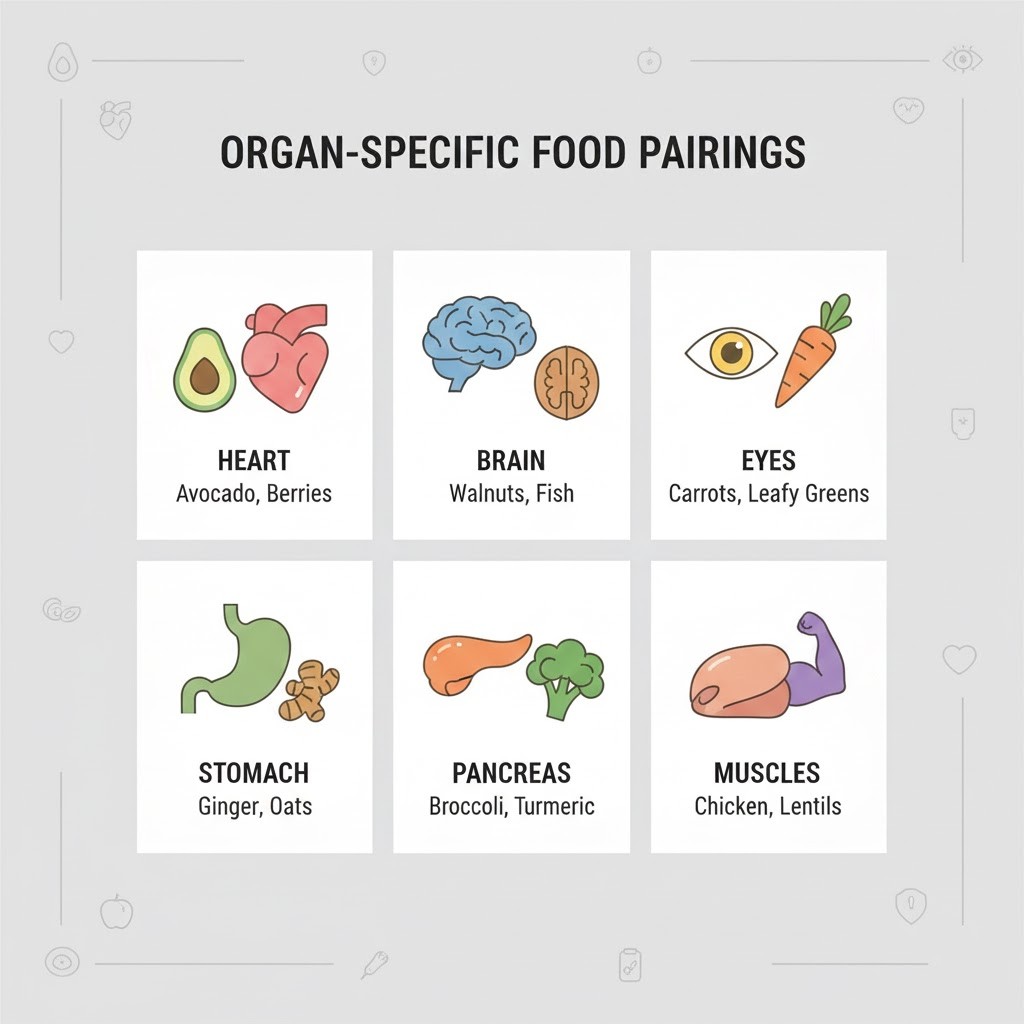
To make full body cleanse foods more practical, it helps to understand which foods benefit specific organs. This section highlights the standout ingredients featured in the image: heart, brain, eyes, stomach, pancreas, and muscles.
Heart, Brain, and Eye–Supporting Picks
Foods like walnuts, avocado, and oats support the heart thanks to fiber and healthy fats—avocado alone provides about 13g of monounsaturated fat per serving. For brain health, blueberries and turmeric are popular because of their antioxidant properties, while walnuts appear again as a helpful nutrient. When it comes to eye health, carrots and sweet potatoes provide beta-carotene, which the body converts to vitamin A. Spinach adds lutein, a nutrient found in many US grocery store greens. Adding even one of these ingredients to a meal—like a bowl of oats topped with blueberries and walnuts—creates a multi-organ supportive breakfast.
Stomach, Pancreas, and Muscle–Nourishing Foods
For stomach comfort, ginger, yogurt, and bananas are commonly chosen, partly because they are gentle and easy to digest for many people. A single 6-oz cup of yogurt provides protein plus live cultures that support digestive balance. The pancreas benefits from foods like broccoli, garlic, and spinach, which are high in antioxidants and fiber. For muscles, plant-based proteins such as lentils, quinoa, and chickpeas offer steady energy. A cup of cooked lentils, for example, delivers around 18g of protein—great for active Americans looking for plant-powered nourishment.
How to Build a Cleanse-Friendly Daily Menu
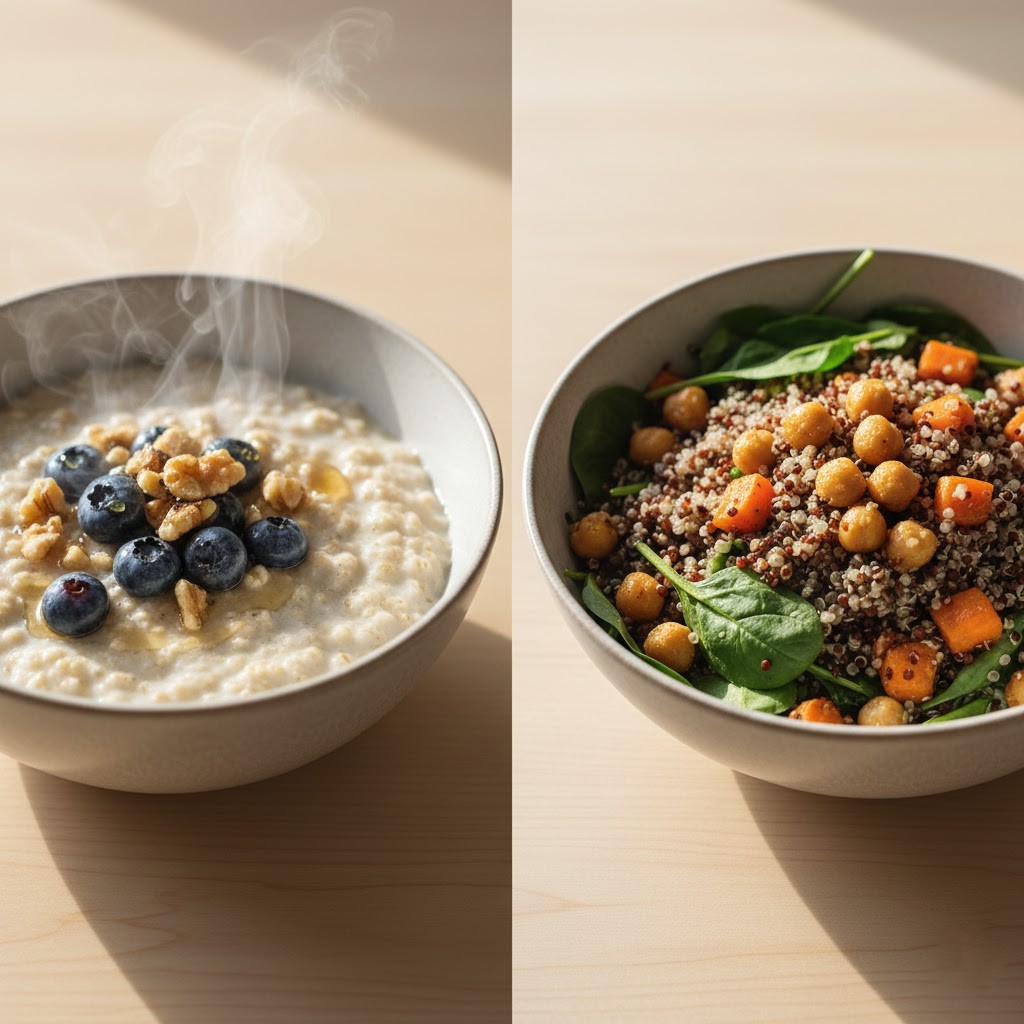
With so many full body cleanse foods available, the next step is turning them into easy meals that fit a busy lifestyle. This section helps you create simple, well-rounded menus without complicated meal prep.
Easy Breakfast, Lunch, and Dinner Ideas
Breakfast can be as simple as oats cooked with water or milk, topped with walnuts and blueberries—a combination that offers fiber, healthy fats, and antioxidants in just 10 minutes. For lunch, a quinoa bowl with spinach, chickpeas, and roasted carrots provides balanced plant-based protein and colorful vegetables. Dinner may include baked sweet potato with steamed broccoli and garlic-seasoned salmon or tofu. Each meal incorporates at least one food supporting major organs, making your daily routine naturally cleanse-friendly without feeling restrictive.
Smart Grocery Swaps for Busy Americans
Small shopping changes help keep your routine realistic. If fresh produce is hard to maintain, frozen blueberries, spinach, and broccoli are widely available and last months in the freezer. Swap white rice for quinoa once or twice a week to increase protein and minerals. Replace sugary snacks with a banana, a handful of walnuts (about 1 oz), or yogurt cups that contain no more than 8–12g of added sugar. These swaps take little effort and fit well into typical US grocery habits.
Tips to Maintain a Whole-Body Clean Routine
As you continue your wellness journey, it’s helpful to build consistency in ways that fit your lifestyle.
Hydration, Portions, and Consistency
Hydration plays a meaningful role in supporting natural detox processes, and many Americans fall short of the recommended intake. Aiming for at least eight 8-oz glasses of water daily is a reasonable starting point. Consistency matters more than intensity, so choosing 2–3 cleanse-supportive foods per meal is more sustainable than attempting extreme cleanses. Using portion guidance—such as a palm-sized serving of protein or 1 cup of leafy greens—helps simplify healthy eating decisions.
How to Adjust the Plan to Your Lifestyle
Whether you cook often or rely on meal kits, you can adjust cleanse-friendly habits to match your routine. If you’re busy, batch-prep quinoa or lentils once a week; 2 cups cooked can support several meals. If you prefer smoothies, blending spinach, yogurt, banana, and blueberries offers a quick, nutrient-rich option. For those eating out, look for dishes with vegetables, lean proteins, and whole grains. The goal is not perfection—it’s aligning cleanse foods with your schedule and preferences.
Tips & Swaps
- Use frozen produce to cut prep time and reduce waste.
- Add walnuts or blueberries to 2–3 snacks per week.
- Choose yogurt with low added sugar.
- Cook quinoa instead of white rice for more protein.
- Add spinach to soups, eggs, or smoothies.
- Season vegetables with turmeric or garlic.
FAQs
- How often should I eat full body cleanse foods?
Most people can include cleanse-supportive foods daily by choosing two to three per meal. These foods are simply nutrient-dense options already common in American kitchens, so integrating them regularly is practical and doesn’t require a strict detox regimen. - Can these foods replace a formal detox program?
While many people feel better adding whole-food ingredients like greens, berries, and whole grains, these foods aren’t meant to replace medical detox protocols. They support natural processes your body already performs, offering gentle, sustainable nourishment rather than quick fixes. - Are frozen fruits and vegetables as effective as fresh ones?
Frozen produce is picked and frozen at peak ripeness, so it typically retains much of its nutrition. For busy Americans, frozen options are an affordable and long-lasting way to keep cleanse-friendly foods available all week. - Do I need to avoid certain foods while following this plan?
You don’t need to eliminate entire food groups unless directed by your healthcare provider. Instead, focus on crowding in more nutrient-dense foods like spinach, oats, sweet potatoes, and legumes, which naturally reduce room for less nourishing choices. - How quickly can I expect to feel results?
Everyone responds differently, but many people notice improvements in energy or digestion within one to two weeks of consistently incorporating whole-body cleanse foods. These changes depend on overall habits, hydration, sleep, and personal health factors.
Ready to make full body cleanse foods part of your daily routine? Start by adding two supportive foods to every meal and see how small nutrition shifts can make your whole body feel more balanced.
Disclaimer: This content is for informational purposes only and is not a substitute for professional medical advice.

About Sarah Williams
We turn solid evidence into everyday habits Americans can actually do—plain English, cups/oz, grocery-aisle swaps, and routines that fit real life. Our editorial process: Experience—we road-test tips in real schedules…