Foods That Cause Inflammation and Weight Gain
Trying to eat better but still feeling puffy, hungry, and stuck? This guide breaks down the foods most likely to drive both inflammation and weight gain, plus the easiest ones to cut first.
- Why Are Some Foods Linked to Both Inflammation and Weight Gain?
- The Double-Damage Food Filter
- 11 Foods That Cause Inflammation and Weight Gain
- Are Seed Oils, Dairy, or Gluten Always Inflammatory?
- What to Cut First If You Feel Puffy, Hungry, and Stuck
- What to Eat Instead of Foods That Cause Inflammation and Weight Gain
- A 7-Day Cut-First Reset for Inflammatory Foods
- Frequently Asked Questions
- The Bottom Line
Some foods do more than add calories. They quietly keep you hungry, bloated, and inflamed, especially if your routine already feels “pretty healthy” but never quite works.
If you are a busy adult trying to eat better, swapping fast food for coffee shop breakfasts, snack bars, cereal, or “healthy” packaged options, this is where things often go wrong. You are not overeating junk on purpose. You are following a routine that looks balanced on the surface but still leaves you puffy, snacky, and stuck.
That is why people start searching for foods that cause inflammation and weight gain after weeks of “doing the right things” and still not feeling better. I have seen this pattern over and over, and honestly, I have fallen into versions of it myself. Many of these foods create a double hit: they increase inflammation while making it easier to keep eating long after your body has had enough.
Here is the good news. You do not need a perfect diet or a dramatic cleanse. You just need to identify the few foods that are quietly working against you, and replace them in a way that actually makes your week feel easier, not harder.
Quick Takeaways
- The worst foods are usually the ones that raise inflammation and make overeating easier
- Sugary drinks, refined carbs, fried foods, processed meats, and health-halo snacks are the biggest patterns to watch
- You do not need to remove everything at once; you need a smart cut-first order
- Protein, fiber, and simpler pantry staples usually work better than restriction
- The fastest wins often come from fixing what you drink and what you eat at breakfast
Why Are Some Foods Linked to Both Inflammation and Weight Gain?

This starts making more sense when you stop thinking about food as just calories.
Yes, calories matter. But some foods make it much harder to regulate calories in real life. They digest fast, leave you hungry again quickly, mess with your energy, and set up that all-day grazing feeling where nothing sounds satisfying for very long. And those same foods often show up in the eating patterns most associated with chronic low-grade inflammation.
Researchers have been tracking this for years. A review published through the National Institutes of Health found that obesity is closely tied to chronic inflammation, and that inflammatory pathways can worsen insulin resistance and other metabolic problems. So what does that mean for you practically? It means your body is not just reacting to the calorie total. It is reacting to the kind of signals your meals keep sending.
There is also a belly-fat piece here. A review on visceral adiposity and inflammation published through the NIH described abdominal fat as metabolically active tissue that releases inflammatory compounds. In plain language, poor food quality can drive weight gain, and extra body fat can help keep inflammation going.
Then there is the appetite side. A 2024 paper indexed in PubMed argued that ultra-processed foods may increase inflammation and immune dysregulation risk. That does not mean every packaged food is equally harmful. It does mean processing matters.
When I clean up my own eating after a stretch of convenience food, the first difference is not usually the scale. It is that calmer, less snacky feeling between meals. That is often the first sign the system is finally working. If you want the full meal structure that builds on this, our anti-inflammatory diet for weight loss is the natural next step.
The Double-Damage Food Filter
Most “foods to avoid” articles leave you with a random blacklist. That is not especially helpful when you are standing in your kitchen trying to decide what to stop buying.
Here is the framework I think is more useful. I call it the Double-Damage Food Filter. If a food raises inflammatory load and also makes it easier to overeat, it deserves much more attention than a food that only does one of those things.
The first category is Spike + Crash Foods. These are foods high in refined carbs or added sugar and low in protein or fiber. Pastries, sweet cereal, white-toast breakfasts, and many snack bars fit here. They feel satisfying for a minute, then you are hungry again before the morning is even over.
The second category is Hyper-Palatable Fat + Carb Combos. This is where fries, chips, pastries, pizza, and a lot of drive-thru food live. These foods are built to be very easy to keep eating.
The third category is Liquid Calories. Soda, sweet tea, juice drinks, alcohol, dessert-style coffee drinks, and many smoothie-shop orders add a surprising amount of energy without much fullness. The CDC noted on March 5, 2026 that people who frequently drink sugary beverages are more likely to experience weight gain, obesity, type 2 diabetes, and other health issues. That is not a small side note. It is often the easiest place to start.
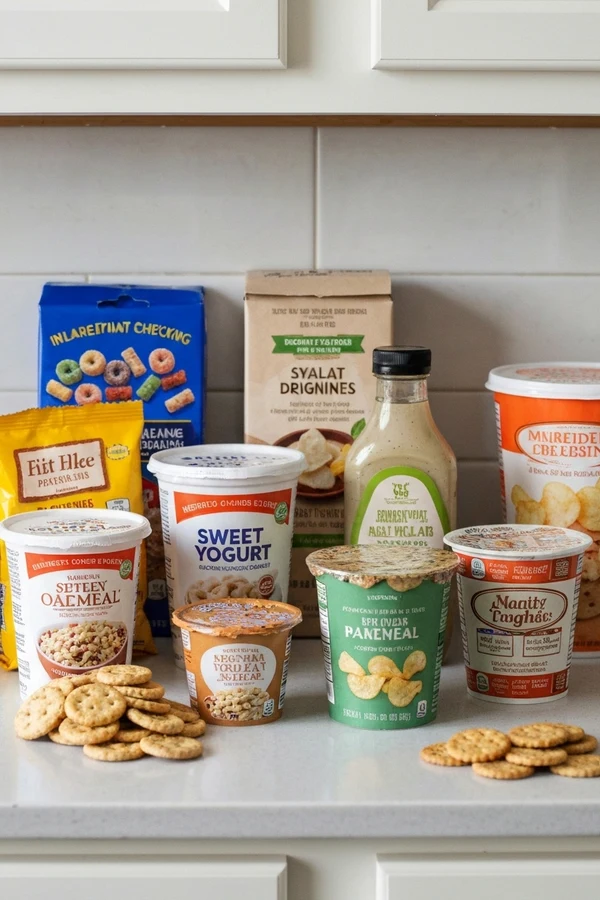
The fourth category is Health Halo Traps. These are the foods that look responsible on the package but still do not do much for your hunger or inflammation load: flavored yogurt, instant oatmeal cups, granola, trail mix, baked chips, and bottled dressings. Some are fine occasionally. They are just easy to overrate.
If you want a quick test, do this 30-second label scan on the foods you eat most often:
- Is sugar one of the first few ingredients?
- Is it built around refined flour or starch?
- Is there a long list of processed oils and additives?
- Does it have enough protein or fiber to earn its place?
11 Foods That Cause Inflammation and Weight Gain
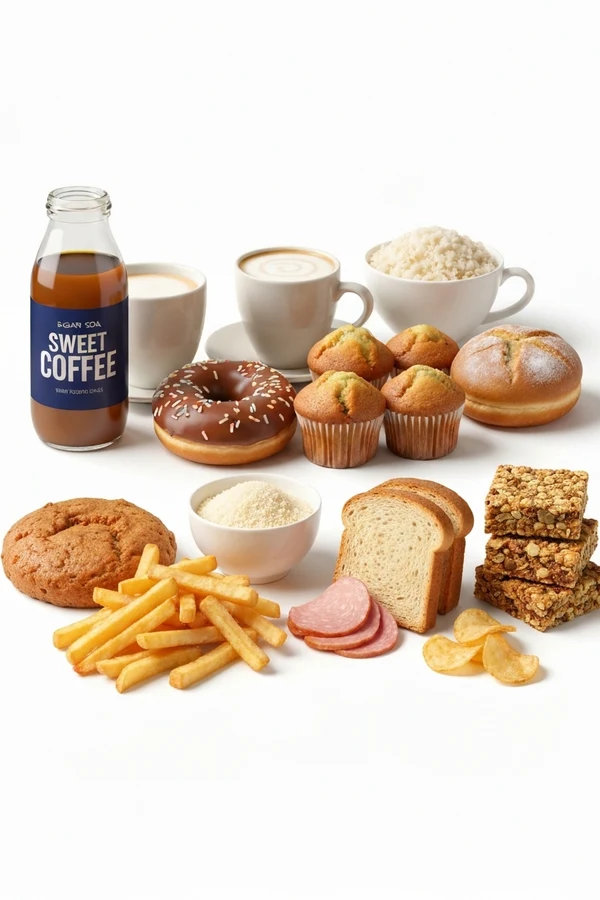
Let us keep this section grounded in real life. None of these foods are morally bad. The problem is what happens when they become your defaults.
1. Sugary drinks
Soda, fruit drinks, energy drinks, sweet tea, and many sports drinks are one of the clearest examples of double-damage food. They deliver a lot of added sugar quickly and do almost nothing for fullness. That is why they slip into the day so easily. You can drink a meaningful amount of energy before lunch and still be ready to eat your full meal.
The CDC notes that sugary drinks are a major source of added sugar in the American diet and are associated with weight gain and obesity. If you are looking for the highest-return change, this is often it.
2. Sweet coffee drinks and blended cafe beverages
This one gets people because it hides inside a normal morning routine. A flavored latte or frozen coffee drink can turn into a dessert with caffeine attached. Syrups, sweet cream, whipped toppings, and drizzles add up fast, and the drink rarely replaces breakfast in a satisfying way.
And here is the part people feel but do not always connect: those drinks often shape the rest of the day. You start with a sugar surge, crash by late morning, and then everything in the office kitchen suddenly looks reasonable.
3. Pastries, donuts, muffins, and sweet breakfast foods
These foods are the classic fat-plus-refined-carb-plus-sugar combination. They taste comforting, travel well, and pair perfectly with coffee. They also tend to leave you underfed in the exact way that leads to snacking all morning.
I am not saying you can never eat a muffin. I am saying muffins are usually treated like breakfast when they behave more like dessert.
4. Sugary cereals and instant oatmeal packets
The packaging on these foods often does a lot of the work. Whole grains on the label do not mean much if the bowl is mostly added sugar and not enough protein or fiber to keep you full. Sweet instant oatmeal can create the same problem if it is basically flavored starch with a little oat dust.
That is why readers who want less inflammation and steadier energy usually do better with plain oats, Greek yogurt, eggs, chia, berries, or a higher-protein breakfast made from actual ingredients. Our anti-inflammatory breakfasts guide goes deeper on that.
5. White bread, white pasta, and other refined grains
Refined grains are easy to underestimate because they look normal. White bread, crackers, bagels, and low-fiber pasta dishes can seem harmless. But they digest quickly, create less fullness than whole-food alternatives, and often show up with salty, fatty, or sugary add-ons that make the meal even easier to overdo.
Harvard Health includes refined carbohydrates like white bread and pastries among the foods that can fuel inflammation. (Harvard Health) On the other side, a meta-analysis published on PubMed found that higher whole-grain intake was associated with lower inflammatory markers such as CRP and IL-6. That is why a meal built around oats, lentils, or beans usually lands very differently than one built around white bread and sweet spreads.
6. French fries and fried fast food
French fries are a perfect example of the hyper-palatable trap. They are salty, crispy, soft in the middle, and cooked in oils that make them very easy to keep eating. They also rarely travel alone. They usually show up next to burgers, sauces, and sugary drinks, which turns one side into a full high-reward eating pattern.
Harvard Health specifically calls out fried foods as inflammation-promoting foods. That does not mean never touching fries again. It means being honest that fries are not a neutral side dish.
7. Chips, crackers, and ultra-processed snack foods
These are the foods people often forget to count because they disappear in handfuls. Chips, cheese crackers, pretzels, puffed snacks, and flavored mixes are built to be easy to eat quickly. They are usually low in protein, low in fiber, and high in refined starches, oils, or sodium.
Reading the ingredient list helps more than reading the front of the package. If the snack is mostly flour, oil, starch, and seasoning, it is probably not doing much for your hunger except extending it.
8. Processed meats
Bacon, sausage, deli meats, pepperoni, salami, and hot dogs show up again and again on inflammation lists for a reason. Even when the protein looks decent, these foods often come bundled with sodium, preservatives, saturated fat, and highly processed meal patterns. In real life, they usually ride with buns, chips, breakfast sandwiches, or late-night convenience eating.
Harvard Health includes processed meats among foods to limit on an anti-inflammatory pattern. The point is not panic. It is recognizing the difference between occasional deli turkey and building your routine around sausage biscuits and sub-shop lunches.
9. Fast-food combo meals
The combo is where the real damage happens. One burger is not the same as a burger, fries, soda, sauce, and maybe dessert because you are tired and already there. A combo meal stacks the exact foods that tend to drive both inflammation and overeating: refined buns, fried sides, sugary drinks, cheap oils, and very rewarding textures.
If takeout is one of the main reasons your week goes sideways, you are probably not imagining that. The better move is not swearing off restaurants forever. It is learning a few defaults that break the combo pattern.
10. “Healthy” bars, granola, and snack mixes
This category catches people who are actually trying. Granola bars, protein bars, baked chips, dried fruit mixes, and sweetened nut clusters often look disciplined. Sometimes they are perfectly fine in a pinch. But a lot of them are still sugar-heavy, seed-oil-heavy, or compact enough that you can eat a lot without noticing.
Cleveland Clinic makes this point well: even foods with a healthy reputation, like granola bars and trail mix, can be heavily processed and worth limiting depending on ingredients.
11. Alcohol, especially sugary cocktails
Alcohol complicates everything because the issue is not just the drink. It is what often comes with it: less sleep, lower food inhibition, more restaurant meals, later-night snacking, and extra liquid calories.
For some people, a few drinks a week are not a huge issue. For others, alcohol is the difference between feeling pretty steady and feeling inflamed for the next two days. If you are doing a lot of things right but still feel bloated all the time, this one deserves an honest look.
Are Seed Oils, Dairy, or Gluten Always Inflammatory?
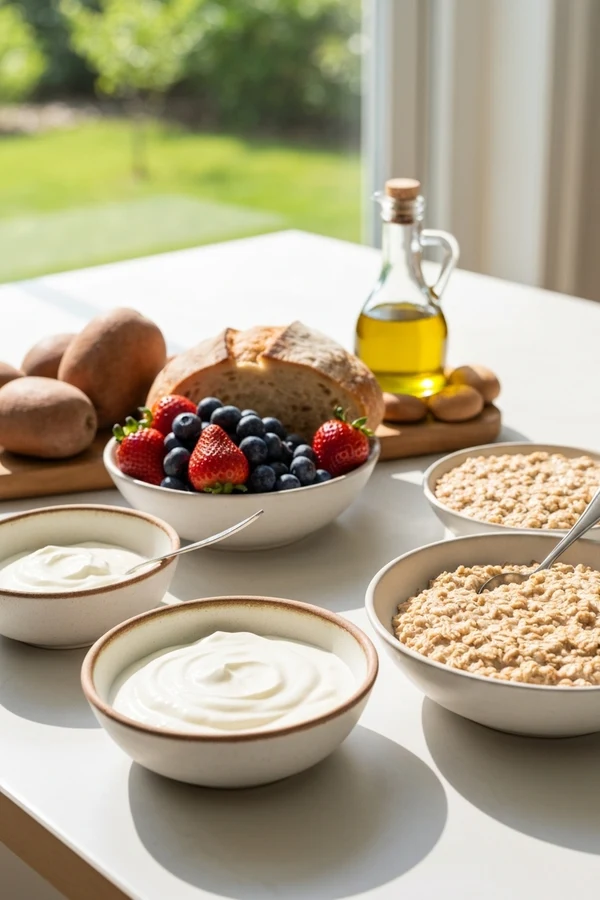
This is where nuance matters. The internet loves a single villain, but food rarely works that cleanly.
Seed oils are most concerning in the context where most people eat them: restaurant frying, packaged snacks, fast food, shelf-stable dressings, and ultra-processed baked goods. In other words, the bigger issue is usually the overall food pattern, not one tablespoon of oil in an otherwise balanced home-cooked meal.
Dairy is similar. It is not automatically inflammatory for everyone. Some people do poorly with certain dairy foods because of lactose intolerance, digestive issues, acne triggers, or individual sensitivity. But plenty of people tolerate plain Greek yogurt, kefir, or cottage cheese well and actually benefit from the protein and probiotic value. Cleveland Clinic includes low-processed dairy foods in anti-inflammatory patterns for some people, while still noting that sensitivities matter.
Gluten is another category where the loudest claims are often the least helpful. If you have celiac disease, non-celiac gluten sensitivity, or a very clear symptom response, then gluten matters for you. If not, the bigger problem is usually not gluten itself. It is that many gluten-containing foods people overeat are also refined, low in fiber, and paired with sugar or processed fats.
So the goal is not to become paranoid about ingredients. The goal is to identify the foods that repeatedly leave you more inflamed, more bloated, or harder to satisfy. If you suspect a true food sensitivity, always check with your doctor or a qualified dietitian instead of trying to diagnose yourself from social media clips.
What to Cut First If You Feel Puffy, Hungry, and Stuck
If you try to cut everything at once, you will probably last three days and then rebound into the same foods even harder. A better strategy is to remove the highest-return foods first.
1. Start with liquid sugar and liquid calories
This is usually the most effective first move because it does not require you to learn a whole new meal system overnight. Replace soda, energy drinks, sweet tea, and sugar-heavy coffee habits with water, sparkling water, unsweetened tea, or simpler coffee. A lot of people notice less puffiness quickly from this change alone.
2. Next, fix breakfast
Breakfast foods are wildly overrepresented in the inflammation-plus-weight-gain category. Pastries, sugary cereal, sweet oatmeal packets, and flavored coffee drinks are convenient, but they also set off a hunger spiral. Replace them with protein and fiber: eggs, Greek yogurt, chia pudding, cottage cheese, or high-protein overnight oats.
3. Then, remove the snacks that disappear too easily
This is the chips, crackers, bars, sweet yogurts, and candy category. The simplest fix is environment design. If a snack vanishes every time you buy it, that is useful information. Keep more foods around that ask you to assemble a snack instead of inhale it: fruit, plain yogurt, hummus, boiled eggs, nuts in measured portions, and cut vegetables.
4. Finally, clean up the weekend extras
This is where fast food, takeout appetizers, restaurant drinks, and mindless “treat yourself” meals often live. You do not need to become the person who never eats out. You just need a few better defaults.
What to Eat Instead of Foods That Cause Inflammation and Weight Gain
Most people do not need more discipline. They need better replacements.
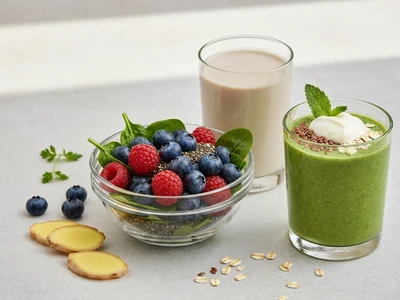
If breakfast is currently pastries, cereal, or coffeehouse calories, swap in options that combine protein and fiber. Greek yogurt with berries and chia is still one of the simplest wins I know. Eggs with fruit and whole-grain toast work. High-protein overnight oats also do a good job if you need something grab-and-go.
If snacks are your problem area, move away from foods that are mostly refined starch and processed oils. Swap them for foods that actually hold you: apple with nut butter, cottage cheese, plain Greek yogurt, roasted chickpeas, edamame, or a handful of nuts with something fresh. This is not about being perfect. It is about choosing foods with enough protein, fiber, or volume to quiet the next craving.
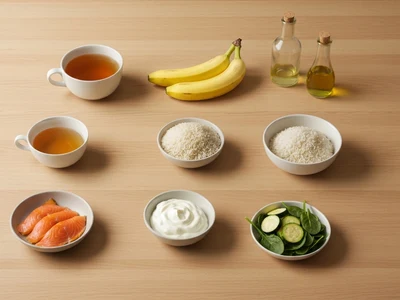
For lunch and dinner, the easiest upgrade is to stop trying to build “diet meals” and instead build simpler anti-inflammatory defaults. Think salmon or rotisserie chicken with vegetables, lentil soup, grain bowls with olive oil and beans, or a Mediterranean-style plate with greens, cucumber, olives, and fish. Our anti-inflammatory foods guide can help you expand that list.
If your digestion feels off after a stretch of heavy convenience eating, do not ignore that part. Gut-friendly basics like oats, beans, plain yogurt, kefir, fruit, and cooked vegetables often help more than another detox idea.
One last practical note: build a short list of “better convenience foods.” Frozen berries, plain yogurt, canned salmon, hummus, baby carrots, oatmeal, rotisserie chicken, and boiled eggs are not glamorous. They are the foods that keep the rest of the day from falling apart.
A 7-Day Cut-First Reset for Inflammatory Foods
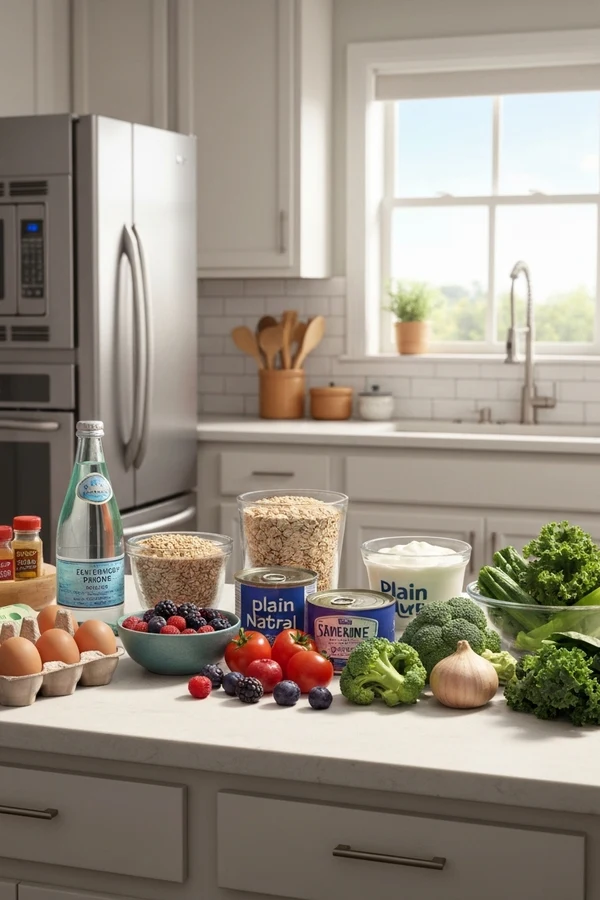
If you want a concrete way to use this article, try a seven-day reset and let each day focus on one high-return change.
Day 1: Remove sugary drinks
Replace soda, energy drinks, sweet tea, and sweetened coffee with water, sparkling water, or unsweetened versions. You are not trying to be impressive here. You are just stopping the easiest calories from sneaking through your day.
Day 2: Fix breakfast
Pick one breakfast and repeat it for the next three mornings. Eggs and fruit. Greek yogurt and berries. Protein oats. Repetition is useful because it cuts decision fatigue, and that is half the battle.
Day 3: Clean up your snack shelf
Pull out the snacks you reach for automatically when you are tired. Then replace at least two of them with foods that require a little more intention and offer more staying power.
Day 4: Upgrade lunch defaults
Look at the lunches you eat most often. If they are built around deli meat, chips, wraps, or convenience bars, move toward protein plus produce plus something fibrous. One better lunch option can calm down a whole afternoon.
Day 5: Audit takeout and sauces
This is where a lot of hidden sugar and oils come in. Choose grilled or baked protein when you can, ask for sauces on the side, and skip the automatic fries-and-drink combo. That single habit usually matters more than finding the “cleanest” menu item on paper.
Day 6: Rebuild grocery staples
Restock the foods you are most likely to eat when life gets busy: yogurt, eggs, oats, berries, canned fish, vegetables, beans, olive oil, fruit, and a few protein-forward snacks.
Day 7: Review what changed
Ask yourself what happened to your hunger, bloating, cravings, digestion, and energy this week. Maybe the scale moved a little. Maybe it did not. That is not the only signal that matters. If you feel less puffy and less out of control around food, you are moving in the right direction.
Frequently Asked Questions
What foods cause the most inflammation in the body?
The big categories are sugary drinks, refined carbohydrates, fried foods, processed meats, and ultra-processed packaged foods. These foods show up repeatedly in anti-inflammatory guidance because they tend to worsen overall diet quality and often come with the exact ingredients people overconsume.
Can inflammation really cause weight gain?
It can contribute. Chronic inflammation is linked with insulin resistance, metabolic dysfunction, and appetite disruption, and excess body fat can also feed inflammation back in the other direction. That is one reason some people feel like they are stuck in a loop of cravings, bloating, and gradual weight gain.
Are eggs inflammatory?
Not for most people. Eggs are usually a useful protein food unless you have a specific sensitivity, allergy, or symptom response. In a lot of cases, replacing sugary breakfast foods with eggs is actually a smart move.
Do seed oils cause inflammation and weight gain?
The bigger issue is repeated exposure through fried foods, packaged snacks, restaurant meals, and ultra-processed food patterns. It is more useful to reduce those foods than to obsess over every drop of oil in an otherwise balanced meal.
What should I eat instead of inflammatory foods?
Start with protein-and-fiber swaps: Greek yogurt with berries, eggs, oats, lentils, beans, salmon, fruit, hummus, and simple whole-food meals. The goal is not just to remove foods. It is to replace them with foods that help you stay full and feel better.
How long does it take to notice less inflammation after changing your diet?
Some people notice less bloating and steadier appetite within days, especially if they cut sugary drinks and ultra-processed foods first. Deeper changes in inflammation markers usually take longer and depend on the rest of your routine, including sleep, activity, stress, and overall diet consistency.
The Bottom Line
The foods that cause the most trouble are usually not just “bad foods.” They are foods that make you easier to overfeed while pushing your diet in a more inflammatory direction.
That is why foods that cause inflammation and weight gain matter so much. They show up as cravings, puffiness, unstable energy, and meals that never really satisfy you. If you cut the biggest offenders first, especially sugary drinks, sweet breakfasts, ultra-processed snacks, and combo-style fast food, you usually create more momentum than trying to white-knuckle a perfect diet.
If you want the next step after this article, go back to the basics: fix breakfast, clean up what you drink, and make your default meals easier to repeat. That is usually where momentum starts.
The information on this site is for educational purposes only and is not intended as medical advice. Always consult a qualified healthcare provider before making any changes to your diet, exercise routine, or supplement use.

About Jane Smith
We turn solid evidence into everyday habits Americans can actually do—plain English, cups/oz, grocery-aisle swaps, and routines that fit real life. Our editorial process: Experience—we road-test tips in real schedules…