Top Foods for Strong, Healthy Bones
Maintaining strong bones is essential at every age, but it becomes especially important as Americans face busy schedules, long work...
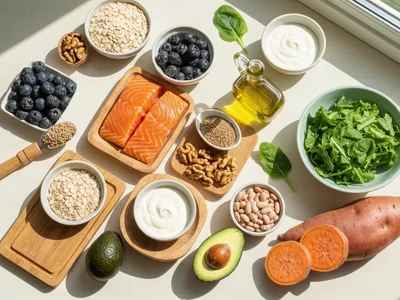
Maintaining strong bones is essential at every age, but it becomes especially important as Americans face busy schedules, long work hours, and dietary gaps that can reduce daily nutrient intake. While supplements can help, the foundation of bone strength still comes from everyday foods rich in calcium, vitamin D, magnesium, and protein. This guide breaks down the best foods for strong bones, explains why they matter, and shows simple ways to add them to your meals without overhauling your routine.
Why Bone-Strengthening Foods Matter
Building strong bones starts long before we notice signs of weakness, and diet plays a central role. This section highlights how nutrients support your skeletal system and why many US adults fall short of recommended intake levels.
👉 For a deeper dive into topics related to magnesium, check out: 9 Magnesium-Rich Foods to Add This Week — it’s packed with practical tips.
Key nutrients that support bone density
Your bones rely on a combination of minerals and vitamins to stay strong. Calcium is the most talked-about nutrient, but magnesium, phosphorus, and vitamin D also play critical roles. For example, adults generally need about 1,000 mg of calcium per day, yet many fall short without realizing it. Foods like milk, sesame seeds, and tofu deliver plant and animal-based sources that your body can absorb efficiently. Vitamin D helps your body use the calcium you consume, and when levels are low, bone mineral density may gradually weaken. These nutrients work together, forming the protective structure your body depends on as you age.
👉 Want to go further? Our complete breakdown of Liver-Cleansing Foods That Support Everyday Health walks you through liver health and detox step by step.
Nutrition gaps common in US diets
Despite easy access to grocery stores, many Americans still miss the mark on bone-supportive nutrients. Busy schedules often lead to quick meals that lack calcium or magnesium-rich ingredients. Studies show that nearly 30% of US adults don’t get enough calcium daily, and even more fall short on vitamin D. Diets high in processed foods can push out nutrient-dense items like legumes, leafy greens, nuts, and dairy. Over time, this gap makes bones more vulnerable. Understanding what’s missing helps you make intentional choices at breakfast, lunch, or dinner—without needing major changes to your routine.
👉 For a deeper dive into topics related to nutrition, check out: Cow Milk vs Buffalo Milk: Nutrition Compared — it’s packed with practical tips.
Best Foods to Help Keep Bones Strong
Now that we understand the nutrient basics, let’s explore the foods that deliver them in meaningful amounts. These options are easy to find at US supermarkets and work well in both simple and more flavorful meals.
Plant-based options (legumes, tofu, nuts, seeds, cabbage, raisins)

Plant-based foods offer a powerful combination of minerals, fiber, and protein. Legumes—such as black beans, chickpeas, and lentils—provide magnesium and plant protein that support bone maintenance. A single cup of cooked white beans, for example, contains about 120 mg of calcium. Nuts like almonds and cashews supply healthy fats along with trace minerals that contribute to bone strength. Sesame seeds are another standout, offering about 280 mg of calcium per ounce. Leafy vegetables like cabbage contribute vitamin K, which supports bone metabolism. Raisins bring natural sweetness plus boron, a trace mineral shown to help mineralize bone tissue. Tofu made with calcium sulfate is a plant-based giant, offering more calcium per cup than many dairy products.
Animal-based foods (eggs, milk) and their benefits

For those who consume animal products, eggs and milk provide highly absorbable nutrients essential for bone health. Milk is one of the most efficient sources of dietary calcium, offering about 300 mg per cup, along with vitamin D in fortified varieties. Eggs contribute vitamin D and high-quality protein, both necessary for building and maintaining bone tissue. The yolk contains nearly all the vitamins and minerals, so choosing whole eggs instead of egg whites helps maximize the benefits. These foods integrate seamlessly into breakfast routines and can help close nutrient gaps with minimal effort.
Easy Ways to Add These Foods to Daily Meals
With so many bone-supportive foods available, the key is learning how to incorporate them into everyday meals. These simple ideas fit well into the typical US home kitchen and busy lifestyle.
Quick meal ideas and simple swaps
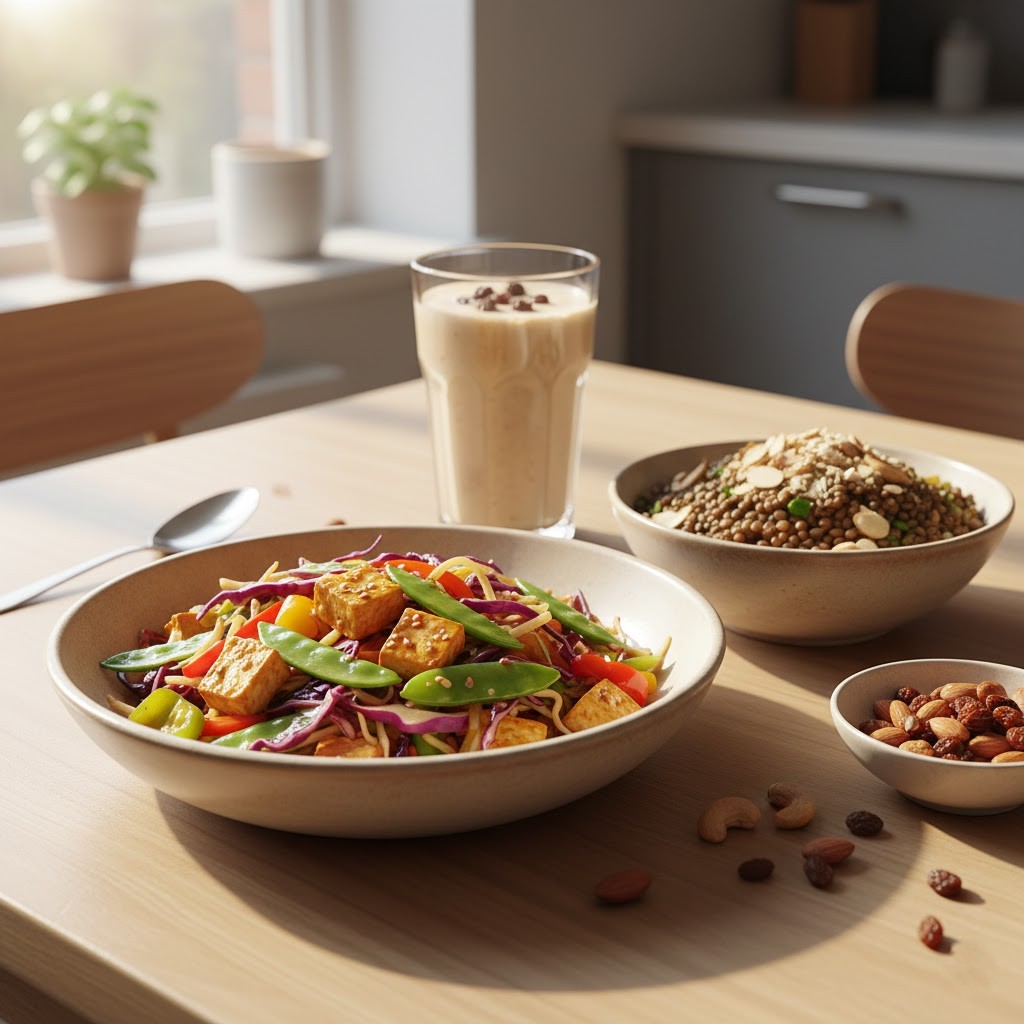
Adding foods for strong bones doesn’t require a complicated menu. Try tossing a handful of almonds into your oatmeal or yogurt for an easy calcium boost. Replace ground meat with lentils in tacos once a week—one cup of cooked lentils provides plant-based minerals and about 18 grams of protein. For dinner, add tofu cubes to stir-fries with cabbage for a nutrient-packed meal. Milk makes an easy base for smoothies, especially when paired with fruits that enhance flavor and provide antioxidants. Even raisins added to salads or trail mix can raise your intake of bone-supportive minerals without extra prep time.
Budget-friendly shopping tips for US grocery stores
Bone-healthy eating doesn’t have to strain your budget. Store-brand milk typically costs less but provides the same nutrient value as name brands. Buying nuts and seeds in bulk can save anywhere from 10–30% compared to pre-packaged containers. Frozen legumes and vegetables like cabbage are often cheaper and last longer without losing nutrients. Look for weekly sales on eggs, which many US grocery chains discount regularly. Tofu is generally inexpensive, especially in Asian supermarkets, where a block can cost under $2. Simple planning ensures your kitchen stays stocked with affordable, nutrient-rich foods.
Lifestyle Habits That Boost Bone Strength
Food is a major part of bone health, but daily habits can significantly enhance or reduce its impact. These practices support the nutrients you consume and help maintain bone density over time.
Weight-bearing activity basics
Even with the best diet, bones need physical stress to stay strong. Weight-bearing activities encourage your body to build and maintain bone tissue. Walking, jogging, dancing, or climbing stairs all fit the criteria. As a guideline, aim for at least 150 minutes of moderate activity each week—spread across short, manageable sessions. Strength training twice a week also adds resistance, giving bones a reason to rebuild. Studies show that even 20 minutes of body-weight exercises can help stimulate bone maintenance, especially when done consistently.
Vitamin D, sunlight, and simple daily habits
Vitamin D is essential because it helps the body absorb calcium. While food sources like eggs and fortified milk help, sunlight remains a primary source. Spending 10–20 minutes outdoors a few times per week can support healthy vitamin D levels, depending on your skin tone and location. In colder climates, fortified foods become even more important, especially during winter months. Taking short breaks outdoors, keeping blinds open for natural light, and pairing sunlight exposure with a walk can combine bone support with beneficial movement.
Tips & Swaps (Quick Wins)
- Add 1–2 tbsp sesame seeds to salads or stir-fries.
- Use tofu instead of chicken in one weekly dinner.
- Keep almonds or cashews in your bag for snacks.
- Choose fortified milk alternatives if you avoid dairy.
- Add raisins to oatmeal for natural sweetness and minerals.
- Buy beans dry or canned to stretch your budget.
FAQs
- How much calcium do most adults need each day?
Most adults need around 1,000 mg of calcium daily, though women over 50 and men over 70 may need closer to 1,200 mg. Many Americans fall short, especially if they skip dairy or calcium-rich plant-based foods. Adding small servings throughout the day can help meet your target without supplements. - Can I get enough calcium without dairy?
Yes. Foods like tofu, sesame seeds, almonds, legumes, leafy greens, and fortified plant milks offer meaningful calcium. For example, calcium-set tofu can provide over 400 mg per serving. Combining several plant-based sources makes it easy to reach your daily needs without relying on dairy. - Are supplements necessary for strong bones?
Not always. Many people can meet their nutrient needs through food alone. However, supplements may help if you have limited sun exposure, dietary restrictions, or doctor-diagnosed deficiencies. It’s best to discuss supplementation with a healthcare professional who understands your lifestyle. - What exercises strengthen bones the most?
Weight-bearing exercises such as brisk walking, resistance training, dancing, or stair climbing stimulate bone growth. Even short sessions—15 to 20 minutes—done regularly can support bone maintenance and overall strength. - Do plant-based diets weaken bones?
Not if planned well. Plant-based eaters can meet their calcium and protein needs with legumes, tofu, nuts, seeds, and leafy vegetables. Adding fortified foods and monitoring vitamin D levels helps support bone strength across all diets.
Want more practical wellness tips? Explore our latest guides to make everyday nutrition easier—and your bones stronger—with simple, sustainable habits.
Disclaimer: This content is for informational purposes only and is not a substitute for professional medical advice.

About Sarah Williams
We turn solid evidence into everyday habits Americans can actually do—plain English, cups/oz, grocery-aisle swaps, and routines that fit real life. Our editorial process: Experience—we road-test tips in real schedules…