Foods That Support Healthier, Stronger Hair
Maintaining healthy hair isn’t only about choosing the right shampoo or styling routine—your diet can play a surprisingly powerful role....
Maintaining healthy hair isn’t only about choosing the right shampoo or styling routine—your diet can play a surprisingly powerful role. Many common hair concerns, from dryness to slow growth, often reflect nutrient gaps rather than surface-level issues. By adding the right foods to your weekly grocery list, you can naturally support stronger, shinier, and more resilient hair. Below is a practical guide for US readers looking to improve hair health through everyday nutrition.
Why Nutrition Plays a Major Role in Hair Health
A healthy head of hair begins long before strands grow out of the scalp. The nutrients we consume shape how hair grows, how strong it becomes, and how well it withstands environmental stress. If you’ve tried multiple hair products without seeing improvement, focusing on food may provide the internal support your hair has been missing.
👉 For a deeper dive into topics related to benefits, check out: Nutrient-Rich Nuts & Seeds: Top Health Benefits — it’s packed with practical tips.
How nutrients influence growth, strength, and shine
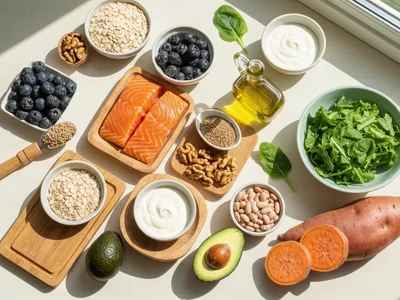
Hair is mainly made of keratin, a protein that relies on amino acids, minerals, and vitamins to form properly. When your diet includes enough protein-rich foods like eggs, Greek yogurt, and lean meats, your body has the raw materials it needs for growth. Minerals like zinc and iron help carry oxygen to hair follicles, supporting stronger strands. For example, iron-rich foods such as spinach can help reduce shedding in people who are mildly deficient. Healthy fats, especially omega-3s from walnuts or flaxseeds, help maintain shine, moisture, and softness by supporting the scalp’s natural oils.
👉 For a deeper dive into topics related to inflammatory, check out: 15 Easy Anti-Inflammatory Meals for Weeknights — it’s packed with practical tips.
Signs your hair may reflect nutrient gaps
Your hair often sends early signals when something in your nutrition is off. If you notice excessive shedding on your pillow or in the shower, it may relate to low iron or protein intake. Dry, brittle strands can occur when your diet lacks healthy fats, while persistent dandruff may reflect insufficient probiotics or zinc. Even slow growth can appear when you’re not consuming B vitamins regularly. While these signs don’t confirm a deficiency, they’re helpful reminders to evaluate what’s on your plate and consider whether you’re getting enough variety.
👉 This pairs well with our Benefits Of Drinking Gallon Water Daily guide if you want the full picture on topics related to benefits.
Top Foods That Support Stronger, Healthier Hair
Once you understand how nutrition affects your hair, the next step is choosing foods that deliver those essential nutrients. These options are easy to find at US grocery stores and simple to incorporate into your weekly routine.
Foods that reduce hair fall, dryness, and breakage
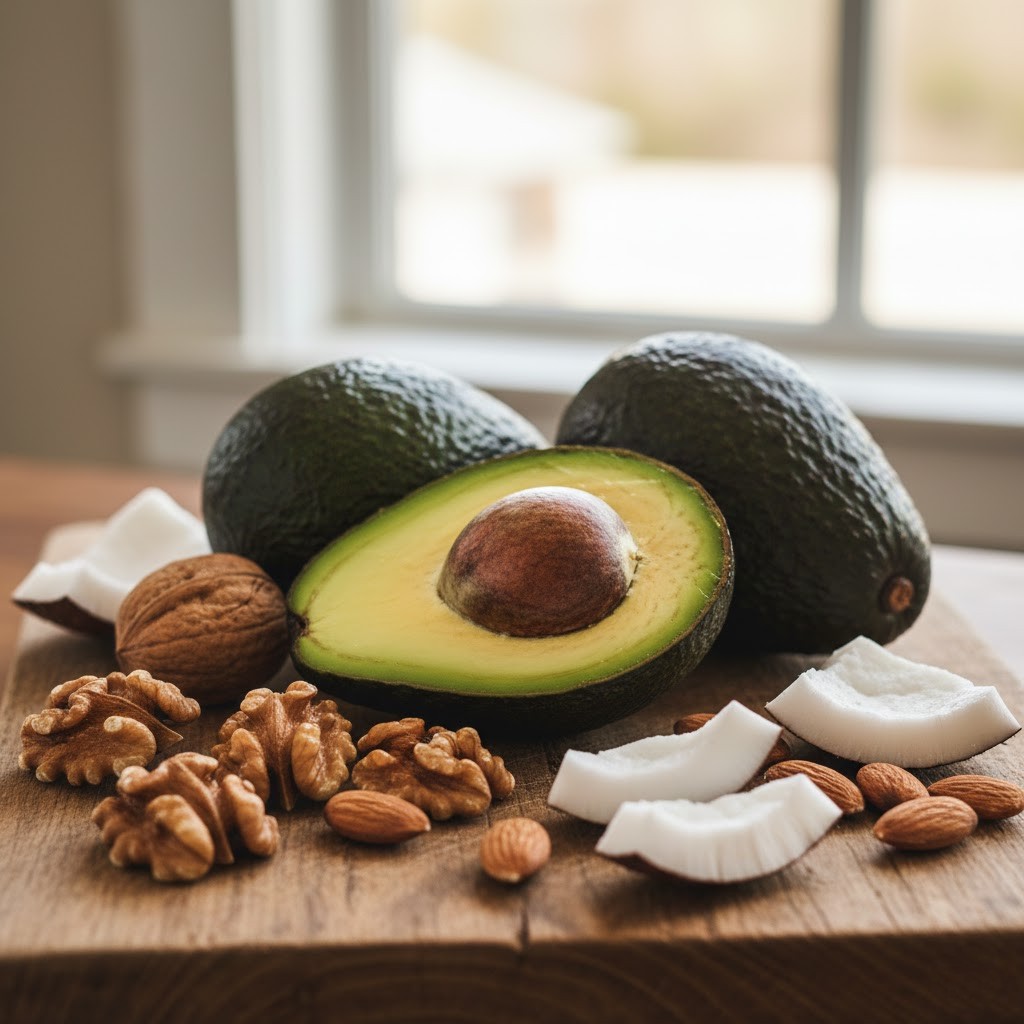
Flaxseeds and walnuts offer plant-based omega-3s that help reduce dryness and brittleness by supporting scalp hydration. Adding just 2 tbsp of ground flaxseeds to oatmeal or smoothies a few times a week can help increase healthy fat intake. Eggs provide biotin and high-quality protein—two nutrients tied closely to strand strength. A single egg contains about 6 g of protein, which can help your body maintain keratin production. For dryness, almonds deliver vitamin E, an antioxidant that helps protect hair from environmental stressors like heat styling or sun exposure.
Foods that boost shine, growth, and overall hair resilience
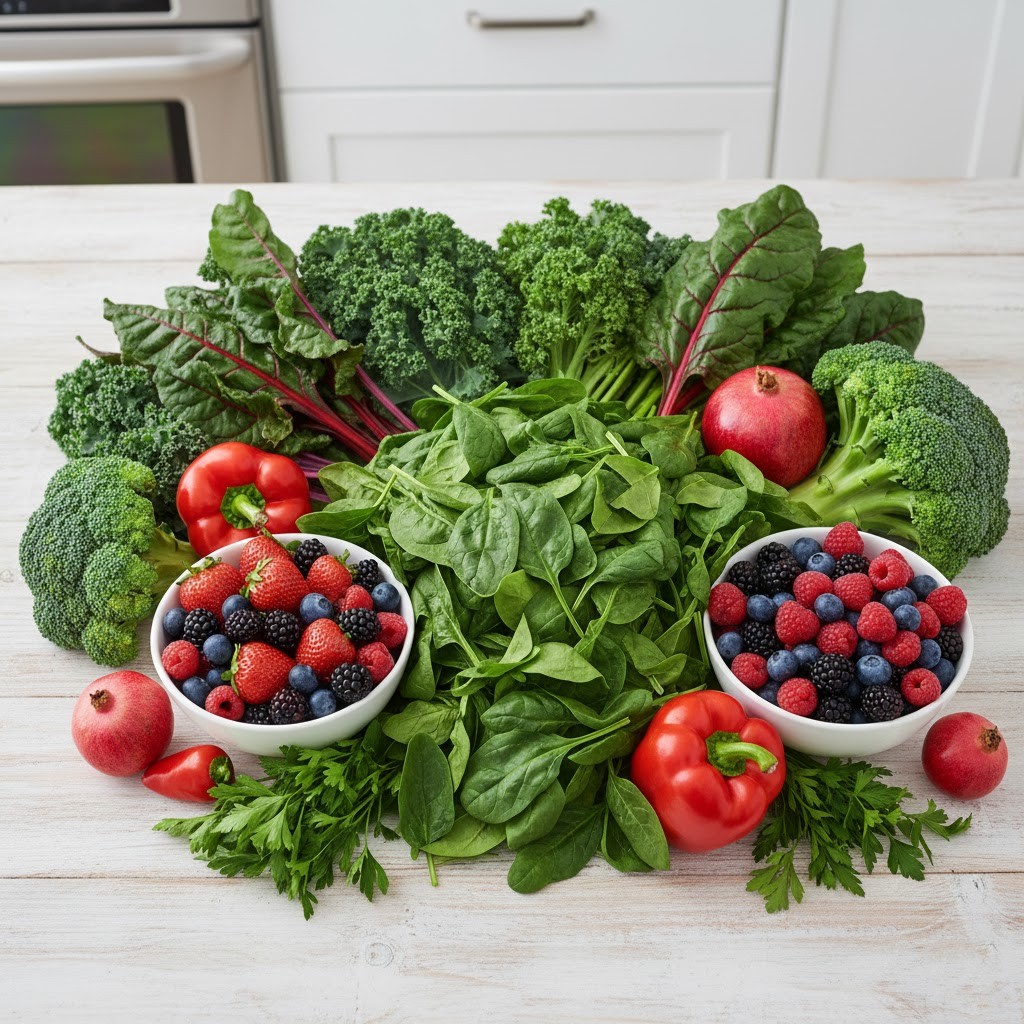
Yogurt, especially Greek yogurt, brings protein plus probiotics that may support a healthier scalp environment. A ¾-cup serving offers around 15–17 g of protein depending on the brand. Spinach offers a plant-based source of iron and folate, which help carry oxygen to the follicles and may support better growth. Avocado delivers monounsaturated fats that support shine and softness; half an avocado a few times a week can noticeably improve moisture. Coconut—whether coconut flakes, coconut milk, or small amounts of coconut oil—adds healthy fats that support shine and protect hair from looking dull.
How to Add These Hair-Supporting Foods to Your Routine
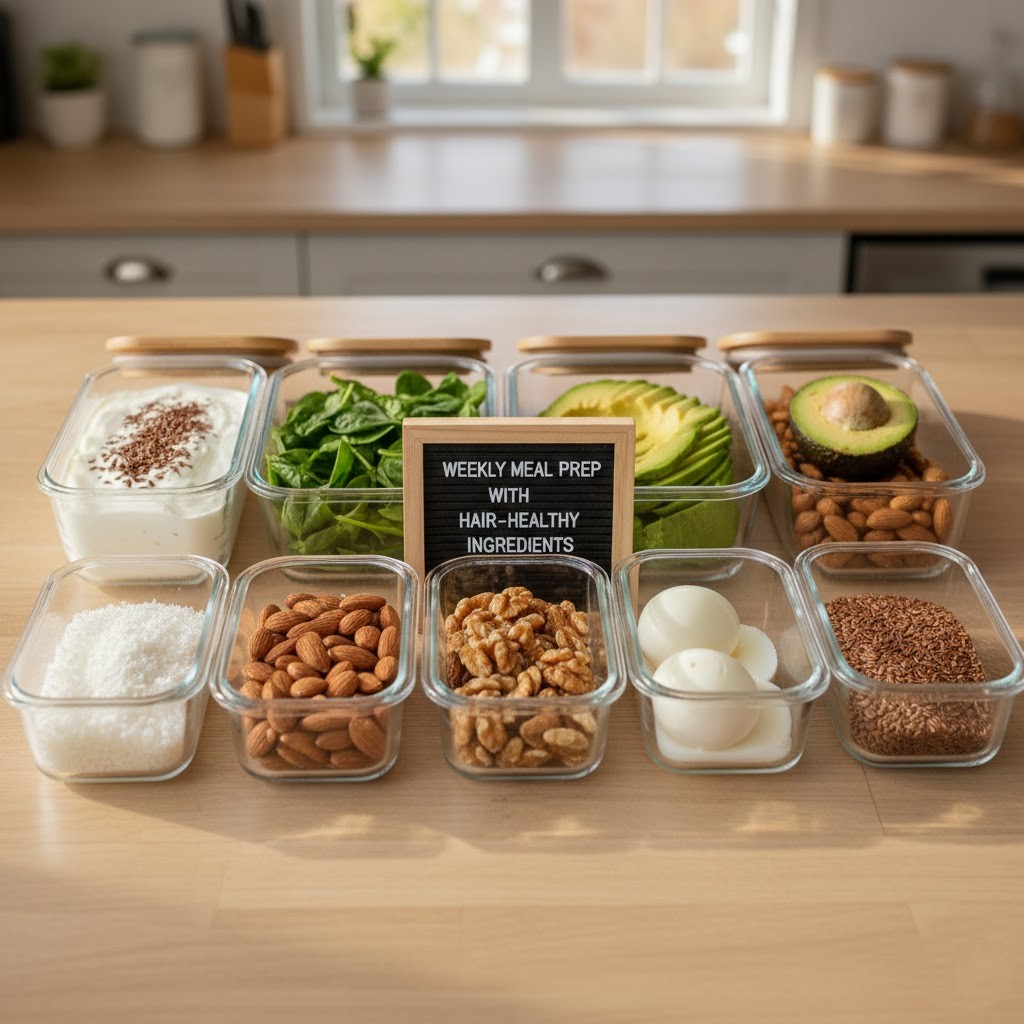
To make nutrition changes easier, here’s a simple set of steps you can follow throughout the week.
- Add 2–3 tbsp ground flaxseeds to yogurt, oatmeal, or smoothies for moisture and shine.
- Eat two eggs for breakfast a few times a week to support protein and biotin intake.
- Include a handful (about 1 oz) of almonds or walnuts as a snack for vitamin E and omega-3s.
- Add 1 cup of spinach to salads, omelets, or pasta dishes to increase iron and folate.
- Use ¼–½ avocado in salads, sandwiches, or toast to help reduce frizz and dryness.
- Choose plain Greek yogurt once daily or a few times a week to support scalp health.
- Add small amounts of coconut flakes or coconut milk to smoothies for extra healthy fats.
- Try amla supplements or juices only if recommended by a healthcare provider.
Tips & Swaps
- Swap walnuts for chia seeds if you prefer a softer texture.
- Use avocado oil as a cooking oil for added healthy fats.
- Add spinach to frozen smoothie packs for convenience.
- Choose unsweetened yogurt to avoid added sugar.
- Try fortified cereals if you need extra iron.
- Snack on roasted almonds instead of chips.
FAQs
- How long does it take to see hair improvements from food?
Most people notice subtle changes in shine and softness within 4–6 weeks, while improvements in growth or reduced breakage may take 2–3 months. Hair grows slowly—about ½ inch per month—so consistency matters. Diet alone may not fix every hair concern, but it creates the foundation for stronger, healthier growth over time. - Can food completely replace hair products?
No. Nutrition supports hair from within, but surface-level care like conditioners, heat protection, and gentle styling are still important. Think of products and nutrition as a team—your diet strengthens the roots while your haircare routine protects what’s already grown. Combining both approaches generally leads to the best results. - Are supplements necessary for healthier hair?
Not always. Many people meet their needs through food alone. Supplements can help in cases of confirmed deficiencies—such as iron or vitamin D—but should be taken under professional guidance. If you’re considering supplements for hair growth, talk with a healthcare provider to ensure safe and appropriate dosing. - Which food should I start with if I only want to try one?
Eggs or Greek yogurt are great first steps because they’re affordable, high in protein, and easy to incorporate into any meal. If dryness or dullness is your main issue, start with avocado or walnuts since their healthy fats help boost shine. Choose whichever option fits your taste and meal routine. - Can eating more healthy fats make hair greasy?
Not typically. Dietary fats help nourish your scalp and hair from within but don’t directly increase oil production. Greasiness is usually linked to scalp type, washing habits, or product buildup. Consuming balanced portions—like 1 oz of nuts or ¼ avocado—supports hair health without affecting scalp oil levels.
Want more nutrition-focused wellness guides? Explore our hair, skin, and healthy living articles to learn simple, food-based ways to support your well-being from the inside out.
Disclaimer: This content is for informational purposes only and is not a substitute for professional medical advice.

About Sarah Williams
We turn solid evidence into everyday habits Americans can actually do—plain English, cups/oz, grocery-aisle swaps, and routines that fit real life. Our editorial process: Experience—we road-test tips in real schedules…