What to Eat for Better Skin, Sleep, and Energy
Many everyday wellness concerns—like dry skin, low energy, restless sleep, or weakened immunity—often connect to the types of foods we...
Many everyday wellness concerns—like dry skin, low energy, restless sleep, or weakened immunity—often connect to the types of foods we eat. While food isn’t a cure, choosing options rich in vitamins, minerals, and healthy fats can offer gentle support that fits easily into a typical US lifestyle. From grocery staples like almonds and oats to nutrient-dense foods such as walnuts and kiwis, small daily upgrades can make a noticeable difference. This guide explores what to eat for better skin, sleep, and overall energy—using simple, accessible ingredients you can find at any supermarket.
How Simple Foods Can Support Everyday Wellness
Before diving into specific foods, it helps to understand why certain nutrients play a role in common wellness concerns.
👉 This pairs well with our Everyday Foods That Help Your Liver, Brain, Heart & More guide if you want the full picture on liver health and detox.
Why Food-Based Remedies Work
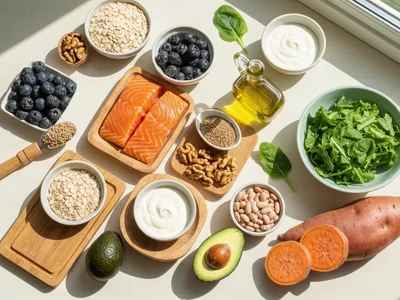
Food provides the essential nutrients that help your body perform daily tasks—everything from repairing skin cells to supporting nerve function. For example, one ounce of walnuts contains approximately 2.5 grams of plant-based omega-3s, which support skin hydration. Similarly, eggs offer about 6 grams of protein each, essential for hair structure and growth. Although these foods aren’t meant to treat medical conditions, they help fill nutrient gaps that many Americans experience from fast-paced lifestyles and heavily processed diets. Consistent intake over several weeks often makes more difference than single servings.
👉 If you’re also working on getting enough protein, our detailed guide on High-Protein Foods: Animal vs. Plant Sources covers exactly what you need.
When to Use Them and When to Seek Care
Food-based support works best for mild, everyday concerns—like occasional trouble sleeping or seasonal dry skin. If you notice symptoms lasting more than 2–4 weeks, or if discomfort interferes with daily life, speaking with a healthcare provider is the safer option. For instance, oats can help support healthy cholesterol levels thanks to soluble fiber, but extremely high cholesterol still requires medical monitoring. Think of these foods as everyday helpers, not replacements for professional care. Many people blend both approaches—nutrient-rich foods combined with medical guidance when needed.
👉 This pairs well with our The 4 Levels Of Holistic Healing guide if you want the full picture on topics related to holistic.
Foods That Support Skin, Hair, and Sleep

Now that we know how food contributes to baseline wellness, let’s look at specific choices that support skin clarity, hydration, hair strength, and restful sleep.
Clear Skin, Dry Skin, and Acne
Almonds are one of the easiest US grocery staples to add into a daily routine. A small handful (about 1 oz) provides vitamin E, a nutrient that supports skin barrier function. For dry skin, walnuts offer healthy fats that support hydration from within. If breakouts are a concern, pumpkin seeds supply zinc—about 2.2 mg per tablespoon—which supports the skin’s natural repair processes. A simple way to incorporate them is to sprinkle pumpkin seeds over oatmeal or salads. Consistency matters, so aim to include these foods several times a week.
Foods That Promote Restful Sleep
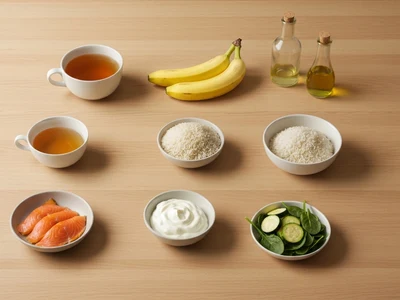
Cardamom mixed with warm water is a traditional remedy that some people find calming, especially before bed. While research is still emerging, the warm temperature and aroma may encourage relaxation. Another supportive food is almonds, which provide magnesium—a mineral linked to muscle relaxation. Drinking warm water with 1–2 crushed cardamom pods 30 minutes before bedtime can become a soothing nighttime ritual. This, paired with reducing screen time, may help improve sleep quality over time. Think of these foods as gentle tools rather than quick fixes.
Foods for Immunity, Energy, and Eye Health
Beyond skin and sleep, certain foods offer valuable support for immunity, hair strength, and visual wellness.
Boosting Immunity and Reducing Hair Loss
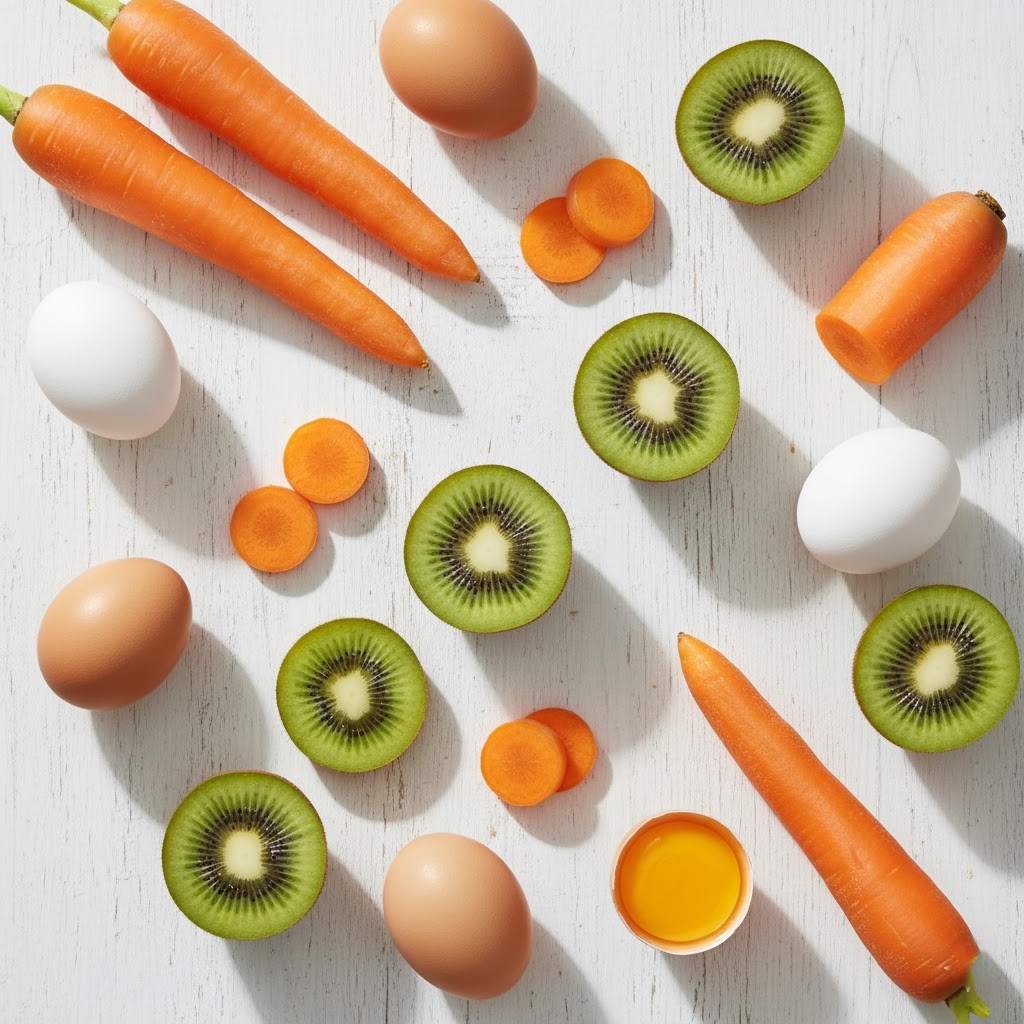
Kiwi is one of the most vitamin C–dense fruits you’ll find in a US grocery store—one medium kiwi contains around 64 mg of vitamin C. This antioxidant helps support immune defenses and can be a refreshing morning snack. For hair loss concerns, eggs offer protein and biotin, both crucial for strong hair. Eating two eggs a few times a week provides nutrients many Americans fall short on. Whether boiled, scrambled, or added to breakfast bowls, they fit easily into a balanced eating pattern.
Nutrients That Support Eye Function
Carrots are well known for supporting eye health thanks to beta-carotene, a precursor to vitamin A. A half-cup serving provides over 9,000 IU of vitamin A, helping maintain normal vision. This doesn’t mean carrots improve eyesight instantly, but they can support long-term eye function as part of a nutrient-rich diet. Pairing carrots with a healthy fat, such as a tablespoon of olive oil, can help your body better absorb these nutrients. Adding carrots to soups, salads, or roasted dishes is a simple way to fit them in.
Heart, Joint, and Cholesterol Support Through Nutrition
In addition to skin and immunity, many people look for ways to support joint comfort and heart health through everyday food choices.
Joint-Friendly Foods
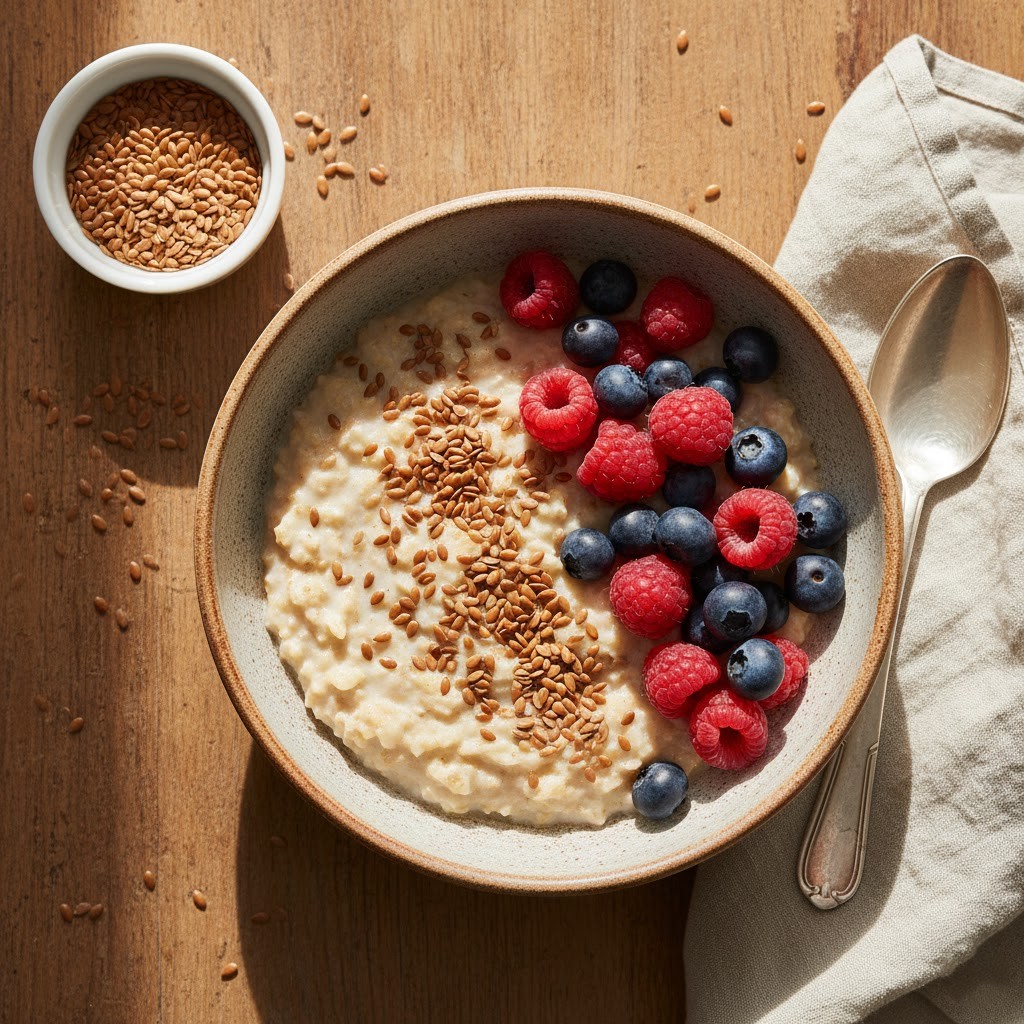
Flaxseeds contain plant-based omega-3 fatty acids that may help support joint comfort. One tablespoon offers around 1.6 grams of ALA (alpha-linolenic acid). Many people grind flaxseeds at home to help with digestion and absorption, adding them to smoothies or yogurt. While dietary fats can help support normal inflammation levels, these benefits tend to appear gradually. Consuming flaxseeds 3–5 times per week is a realistic target for most people.
Heart-Healthy and Cholesterol-Supporting Choices
Oats are one of the most researched foods for cholesterol support due to their soluble fiber content. Eating 1 cup of cooked oats provides around 4 grams of fiber, including beta-glucan. This fiber helps support healthy cholesterol levels by binding to cholesterol in the digestive system. While oats alone cannot treat high cholesterol, they pair well with a heart-healthy eating pattern. Adding berries, flaxseed, or a drizzle of honey can make a simple, filling breakfast that fits into any weekly routine.
How to Add These Foods Into a US Lifestyle
Turning these foods into lifelong habits is easier when you weave them into meals you already enjoy.
Easy Grocery Swaps
Simple swaps help you integrate wellness-supporting foods without overhauling your diet. For example, replace sugary breakfast cereals with oatmeal at least 2–3 times per week. Swap an afternoon cookie for a kiwi or a handful of almonds. Add pumpkin seeds to homemade trail mix for extra crunch and nutrients. With small adjustments, the nutrients add up across the week.
Simple Daily Habits to Maintain Consistency
Consistency matters more than perfection. Keeping a jar of walnuts or almonds on your counter can remind you to grab a nutrient-dense snack. Preparing boiled eggs ahead of time helps streamline weekday mornings. You can also pre-portion flaxseed or oats into small containers for quick grab-and-go breakfasts. These tiny habits make it easier to stick with wellness-supportive eating for months and years.
Tips & Swaps
- Add pumpkin seeds to salads for a crunchy zinc boost.
- Swap sugary snacks for almonds or walnuts.
- Stir ground flaxseed into yogurt or oatmeal.
- Keep boiled eggs in the fridge for quick breakfasts.
- Choose kiwis when you want a vitamin C–rich fruit.
- Pair carrots with hummus for an easy nutrient-rich snack.
FAQs
- Q: How often should I eat these foods to see benefits?
A: Aim to include them several times each week. Most benefits come from consistent habits over months rather than single servings. For example, eating oats 3–5 times weekly may support healthy cholesterol, while daily almonds can help nourish your skin. - Q: Can these foods replace supplements?
A: Whole foods provide fiber, antioxidants, and natural compounds supplements can’t fully replicate. However, if you have confirmed deficiencies or medical conditions, supplements may still be needed. Talk with your healthcare provider for guidance. - Q: Are these foods safe to eat every day?
A: Most people can consume these foods daily in moderate amounts. For instance, a handful of almonds or a serving of oats is generally safe. However, anyone with allergies or medical restrictions should follow professional advice. - Q: Can these foods improve symptoms immediately?
A: Improvements usually happen gradually. Foods like walnuts or carrots support your body over time rather than providing instant effects. If symptoms get worse or last several weeks, consult a healthcare professional. - Q: What if I don’t like some of these foods?
A: You can swap them for alternatives with similar nutrients. For example, chia seeds offer fiber similar to flaxseed, and sweet potatoes provide beta-carotene like carrots. The key is choosing foods that you enjoy and can eat consistently.
If you’re looking for simple, natural ways to support your skin, sleep, and energy, start by adding a few of these foods into your weekly routine. Small changes can build long-term wellness habits that fit your lifestyle.
Disclaimer: This content is for informational purposes only and is not a substitute for professional medical advice.

About Sarah Williams
We turn solid evidence into everyday habits Americans can actually do—plain English, cups/oz, grocery-aisle swaps, and routines that fit real life. Our editorial process: Experience—we road-test tips in real schedules…