Food Is Medicine: Best Foods for Your Body
The idea that food is medicine has gained huge attention in the United States, especially as more people look for...
- What Does “Food Is Medicine” Mean?
- Foods That May Support Brain, Skin, Bones, and Eyes
- Foods That May Support Heart, Lungs, Hormones, and Cells
- Foods That May Support Digestion and Everyday Wellness
- How to Use the “Food Is Medicine” Idea in Real Life
- Tips & Smart Food Swaps (Food Is Medicine)
- FAQ About Food Is Medicine
- Final Takeaway
The idea that food is medicine has gained huge attention in the United States, especially as more people look for simple, everyday ways to support their health. While food cannot replace medical care, the right foods can help support different systems in your body—from brain function to digestion. Many whole foods contain vitamins, antioxidants, and fiber that contribute to long-term wellness.
This guide explores several foods often associated with the food is medicine concept and explains how they may support different parts of the body. You’ll also learn practical ways to add them to everyday American meals without complicated diets.
What Does “Food Is Medicine” Mean?
To understand the idea that food is medicine, it helps to look at both science and everyday nutrition habits in the U.S.

Why US Readers Are Paying More Attention to Food and Health
In recent years, many Americans have become more interested in the food is medicine approach. According to the CDC, about 60% of adults in the U.S. live with at least one chronic condition, such as heart disease or diabetes. Because of this, nutrition has become a major focus for prevention and long-term health.
The concept simply means that the foods you eat regularly can support how your body functions. For example, foods rich in antioxidants may help reduce inflammation, while fiber-rich foods support digestion and gut health. Whole foods—like vegetables, fruits, nuts, and herbs—contain nutrients that your body uses every day.
A simple example: eating 1 cup of broccoli provides more than 100% of your daily vitamin C needs, which supports immune health and cell repair.
What This Idea Gets Right and What It Does Not Mean
While food is medicine highlights the importance of diet, it does not mean food can cure diseases. Instead, nutrition works as part of a bigger health picture that includes sleep, exercise, and medical care.
For instance, adding anti-inflammatory foods like olive oil or ginger to your meals may help support heart and digestive health. But if someone has a medical condition—such as high blood pressure or diabetes—they should still follow medical guidance.
Think of the food is medicine approach as daily support rather than a replacement for treatment. Small habits, like adding 1 tablespoon of olive oil to salads or eating ½ cup of grapes as a snack, can add beneficial nutrients to your routine over time.
Foods That May Support Brain, Skin, Bones, and Eyes
Many foods highlighted in the food is medicine philosophy are linked with specific body systems. These connections often come from nutrient content.
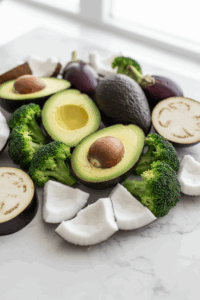
Coconut and Avocado for Brain and Skin Support
Coconut and avocado are commonly discussed in the food is medicine conversation because they contain healthy fats. These fats help support brain function and skin health.
Avocados, for example, contain monounsaturated fats and vitamin E. A ½ avocado (about 3 oz / 85 g) provides potassium and healthy fats that help maintain cell structure. Healthy fats are important for the brain because nearly 60% of the brain is made of fat.
Coconut contains medium-chain triglycerides (MCTs), a type of fat that the body can use quickly for energy. While research continues, some studies suggest these fats may support brain energy metabolism.
From a practical standpoint, Americans often add avocado to toast, salads, or smoothies. Coconut can appear in recipes like oatmeal, yogurt bowls, or stir-fries.
Eggplant and Broccoli for Bone and Eye Health
Eggplant and broccoli are also associated with the food is medicine idea because they contain nutrients linked to bone and eye health.
Broccoli is rich in vitamin K, which plays a role in bone metabolism. One 1-cup serving (about 90 g) of raw broccoli provides around 90 micrograms of vitamin K, supporting bone strength. It also contains lutein and zeaxanthin—compounds linked with eye health.
Eggplant contains antioxidants such as nasunin, which is found in its purple skin. Antioxidants help protect cells from oxidative stress. Including eggplant in meals—like roasted eggplant with olive oil—can add fiber and beneficial plant compounds.
These vegetables are easy to cook in American kitchens. Roasting broccoli at 400°F (204°C) for 20 minutes with olive oil is one of the simplest ways to prepare it.
Foods That May Support Heart, Lungs, Hormones, and Cells
Another key part of the food is medicine concept involves foods that support major organs such as the heart and lungs.
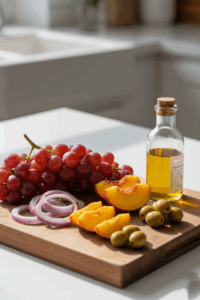
Peach, Grapes, and Onion for Heart, Lung, and Cell Health
Fruits like peaches and grapes are frequently mentioned in the food is medicine discussion because of their antioxidant content.
Grapes contain polyphenols, which are compounds linked to heart health. A 1-cup serving (about 150 g) of grapes provides hydration, fiber, and antioxidants. Some research suggests polyphenols may support healthy blood vessels.
Peaches also provide vitamin C and potassium. Eating one medium peach (about 5 oz / 140 g) can help contribute to daily vitamin intake that supports heart and immune function.
Onions contain quercetin, an antioxidant studied for its potential anti-inflammatory properties. In many American recipes—such as soups, stir-fries, or burgers—onions add both flavor and nutrients.
Olives and Other Plant Foods in a Balanced Diet
Olives and olive oil are key elements of Mediterranean-style eating patterns often linked to the food is medicine philosophy.
Extra-virgin olive oil contains monounsaturated fats and polyphenols. Studies often highlight its role in heart-friendly diets. For example, using 1–2 tablespoons of olive oil per day instead of butter can reduce saturated fat intake.
Olives themselves also provide small amounts of vitamin E and antioxidants. Many people in the U.S. use them in salads, pasta dishes, or snack plates.
The key takeaway from the food is medicine approach is variety. Eating a wide range of fruits, vegetables, healthy fats, and herbs ensures the body receives diverse nutrients.
Foods That May Support Digestion and Everyday Wellness
Digestion is another area where the food is medicine idea becomes practical in daily life.

Carrots, Mushrooms, and Ginger in Daily Meals
Carrots, mushrooms, and ginger are commonly included in lists connected with the food is medicine concept because they contain compounds linked to digestion and overall wellness.
Carrots are rich in beta-carotene, which the body converts to vitamin A. A ½-cup serving (about 60 g) of carrots provides enough beta-carotene to support vision and immune health.
Mushrooms contain compounds such as beta-glucans that may support immune function. Even 1 cup of sautéed mushrooms can add fiber and micronutrients to a meal.
Ginger has been used for centuries to help support digestion. Many Americans add ½ teaspoon of grated ginger to tea, stir-fries, or smoothies to give dishes a warm, slightly spicy flavor.
Easy Ways to Use These Foods in US Kitchens
Applying the food is medicine approach does not require complicated recipes. Many of these foods are easy to incorporate into everyday meals.
Here is a simple example meal idea:
Simple Nourishing Bowl
- Roast 1 cup broccoli and ½ cup carrots at 400°F (204°C) for 20 minutes.
- Cook ½ cup brown rice according to package directions.
- Sauté ½ cup mushrooms with 1 tsp olive oil.
- Add sliced ½ avocado on top.
- Sprinkle diced onions for flavor.
- Add a small side of grapes (½ cup).
- Finish with 1 tsp grated ginger mixed into a light dressing.
This kind of balanced meal illustrates how food is medicine can work through simple daily habits.
How to Use the “Food Is Medicine” Idea in Real Life
Bringing the food is medicine idea into daily routines works best when it stays practical.

Smart Grocery Picks and Simple Meal Pairings
When shopping in American grocery stores, focus on whole foods first. Produce sections often provide the best starting point for the food is medicine approach.
Try these tips:
- Choose 3–5 different vegetables each week.
- Add healthy fats like avocado or olive oil.
- Include two servings of fruit daily.
- Cook vegetables by roasting at 375–425°F for flavor.
- Combine protein, fiber, and healthy fats for balanced meals.
These small steps can help make healthy eating easier and sustainable.
When Healthy Eating Helps and When to See a Doctor
While the food is medicine philosophy highlights the power of nutrition, medical care still plays an important role. For example, someone with diabetes may need medication along with dietary changes.
Nutrition works best as prevention and support. Eating balanced meals regularly can help maintain energy levels, support organ function, and improve long-term health.
If symptoms persist—such as ongoing digestive issues or unexplained fatigue—it’s always best to speak with a healthcare professional.
Tips & Smart Food Swaps (Food Is Medicine)
- Swap butter with 1 tbsp olive oil for heart-friendly fats.
- Replace sugary snacks with ½ cup grapes or peach slices.
- Add grated ginger to tea for digestion support.
- Roast vegetables instead of frying.
- Include 1 avocado weekly for healthy fats.
- Add mushrooms to pasta or omelets for extra nutrients.
FAQ About Food Is Medicine
Is the “food is medicine” idea scientifically proven?
The food is medicine concept is supported by nutrition science showing that diets rich in whole foods can support overall health. However, foods do not replace medical treatment. Instead, they contribute nutrients that help the body function properly and may lower certain health risks when part of a balanced diet.
Can certain foods cure diseases?
No single food can cure diseases. The food is medicine approach focuses on prevention and support. For example, eating vegetables and fruits regularly may help reduce inflammation and support heart health, but medical care is still necessary for diagnosed conditions.
How many servings of fruits and vegetables should I eat daily?
Most U.S. dietary guidelines recommend about 2 cups of fruit and 2–3 cups of vegetables per day for adults. Following the food is medicine philosophy means prioritizing these foods consistently in daily meals.
Is olive oil really healthier than butter?
Extra-virgin olive oil contains mostly monounsaturated fats, which are often associated with heart-friendly diets. Using 1–2 tablespoons daily instead of butter can help reduce saturated fat intake as part of the food is medicine strategy.
Are superfoods necessary for healthy eating?
Not necessarily. The food is medicine idea focuses on everyday foods—like carrots, onions, broccoli, and grapes. Consistency matters more than trendy ingredients.
Final Takeaway
The idea that food is medicine reminds us that everyday food choices can support our bodies in meaningful ways. By adding nutrient-dense foods like vegetables, fruits, healthy fats, and herbs to regular meals, you build habits that contribute to long-term wellness.
Start simple—add one or two of these foods to your weekly meals and build from there.
Disclaimer: This content is for informational purposes only and is not a substitute for professional medical advice.

About Essentialwellnessaz Editorial Team
We turn solid evidence into everyday habits Americans can actually do—plain English, cups/oz, grocery-aisle swaps, and routines that fit real life. Our editorial process: Experience—we road-test tips in real schedules…