6 Eye Signs of Disease You Shouldn’t Ignore
Your eyes don’t just help you see, they can also reveal early clues about what’s happening inside your body. From...
- Yellow Eyes as an Eye Sign of Disease
- Puffy Eyelids (Edema) as an Eye Sign of Disease
- Bulging Eyes as an Eye Sign of Disease
- Red & Watery Eyes as an Eye Sign of Disease
- Pale Eyelids as an Eye Sign of Disease
- Tips for Monitoring Eye Signs of Disease
- FAQ About Eye Signs of Disease
- Pay Attention to What Your Eyes Reveal
Your eyes don’t just help you see, they can also reveal early clues about what’s happening inside your body. From subtle color changes to noticeable swelling, certain eye signs of disease may point to liver issues, kidney problems, thyroid disorders, infections, or anemia. While not every symptom means something serious, persistent or worsening changes deserve attention. Below, we break down five important eye signs of disease, what they may signal, and when to consider medical care in the United States.
Yellow Eyes as an Eye Sign of Disease
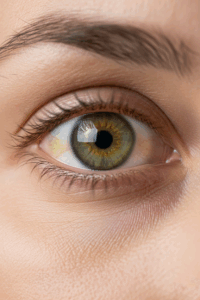
Let’s start with one of the most recognizable eye signs of disease: yellowing of the whites of the eyes.
👉 If you’re also working on topics related to reveals, our detailed guide on Tongue Color Meaning: What Your Tongue Reveals covers exactly what you need.
Common Causes Behind Yellow Eyes as an Eye Sign of Disease
Yellow eyes—known medically as scleral icterus—often occur when bilirubin builds up in the blood. Bilirubin is a yellow pigment produced when red blood cells break down. In healthy adults, the liver processes and removes it efficiently. However, if liver function declines, bilirubin levels can rise above 2–3 mg/dL, causing visible yellowing.
In the U.S., common causes include hepatitis (viral or alcohol-related), fatty liver disease, gallstones blocking bile ducts, or certain medications. For example, nonalcoholic fatty liver disease (NAFLD) affects up to 1 in 4 American adults. Yellow eyes may also appear with dark urine or pale stools—both important warning signs.
👉 This pairs well with our Food Is Medicine: Best Foods for Each Organ guide if you want the full picture on topics related to medicine.
When Yellow Eyes as an Eye Sign of Disease Need Urgent Care
If yellow eyes develop suddenly, especially with abdominal pain, fever above 100.4°F, or confusion, seek urgent care. Rapid-onset jaundice can indicate acute liver inflammation or bile duct obstruction.
In less urgent cases, your doctor may order blood tests such as ALT, AST, and total bilirubin. Imaging like an abdominal ultrasound is common in U.S. clinics to rule out blockages. Early evaluation matters—liver-related eye signs of disease can worsen if ignored.
👉 If you’re also working on topics related to avoid, our detailed guide on Acne Diet: Foods to Avoid and Foods to Eat covers exactly what you need.
Puffy Eyelids (Edema) as an Eye Sign of Disease
Another important eye sign of disease is persistent swelling around the eyes.

Kidney-Related Causes of Puffy Eyelids as an Eye Sign of Disease
Periorbital edema—swelling around the eyes can occur when the kidneys are not filtering properly. When protein leaks into the urine (proteinuria), fluid may accumulate in soft tissues, especially around the eyes. In conditions like nephrotic syndrome, swelling may be most noticeable in the morning.
In the U.S., diabetes and high blood pressure are two leading causes of kidney disease. According to the CDC, 1 in 7 American adults has chronic kidney disease. If eye puffiness appears alongside foamy urine, ankle swelling, or blood pressure above 130/80 mmHg, medical testing is recommended.
Other Triggers of Puffy Eyelids as an Eye Sign of Disease
Not all swelling signals kidney problems. Allergies, high sodium intake (more than 2,300 mg per day), lack of sleep, or sinus infections can also cause puffiness. However, swelling that lasts more than 3–5 days without improvement should not be dismissed.
Doctors may order urine analysis and blood creatinine tests to evaluate kidney function. If the cause is allergy-related, antihistamines or reducing allergen exposure may resolve symptoms. Persistent edema is an eye sign of disease worth investigating, not just covering with concealer.
Bulging Eyes as an Eye Sign of Disease
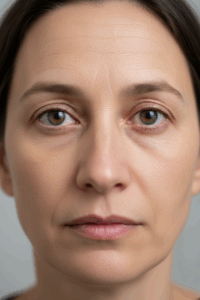
Bulging eyes, medically called proptosis, are a more dramatic eye sign of disease that should never be ignored.
Thyroid Eye Disease as an Eye Sign of Disease
The most common cause of bulging eyes in the U.S. is Graves’ disease, an autoimmune form of hyperthyroidism. When thyroid hormone levels become elevated, tissues behind the eyes may swell, pushing the eyes forward.
Symptoms can include eye dryness, light sensitivity, double vision, and difficulty fully closing the eyelids. About 25–50% of people with Graves’ disease develop some degree of thyroid eye disease. Blood tests measuring TSH and free T4 help confirm diagnosis.
Warning Symptoms Linked to Bulging Eyes as an Eye Sign of Disease
Sudden bulging of one eye, especially with severe pain or vision loss, may signal infection or orbital tumors. Vision changes lasting more than 24 hours require urgent evaluation.
Treatment may involve managing thyroid hormone levels, corticosteroids, or referral to an ophthalmologist. Because bulging eyes can threaten vision if untreated, this eye sign of disease demands prompt medical assessment.
Red & Watery Eyes as an Eye Sign of Disease
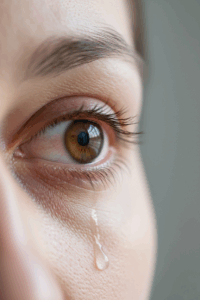
Redness is common but sometimes red and watery eyes are more than simple irritation.
Infection vs. Allergy as an Eye Sign of Disease
Conjunctivitis (pink eye) is a frequent cause of red eyes in the U.S., especially among children in schools. Viral infections often cause watery discharge, while bacterial infections may produce thick yellow or green discharge.
Allergies, especially during spring pollen season, may cause redness with itching and clear tearing. If redness persists beyond 7–10 days, worsens, or affects only one eye severely, further evaluation is recommended.
When Red & Watery Eyes Become a Serious Eye Sign of Disease
Redness combined with intense pain, blurred vision, halos around lights, or headache may indicate acute glaucoma—a medical emergency. In the U.S., glaucoma affects over 3 million people.
Additionally, pneumonia or systemic infections can cause red eyes due to inflammation. If red and watery eyes occur alongside fever above 101°F or chest symptoms, seek medical advice. While often minor, persistent redness can be an overlooked eye sign of disease.
Pale Eyelids as an Eye Sign of Disease
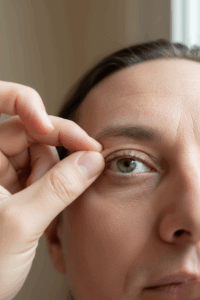
Finally, pale inner eyelids can be a subtle but meaningful eye sign of disease.
Anemia as a Common Eye Sign of Disease
Pulling down your lower eyelid gently in front of a mirror can reveal its color. A healthy inner eyelid appears pink or red. If it looks pale, anemia may be present. In the U.S., iron-deficiency anemia affects about 5% of women and 2% of men.
Low hemoglobin—below 12 g/dL in women or 13 g/dL in men—reduces oxygen delivery, leading to fatigue, shortness of breath, and pale skin. Blood tests like a complete blood count (CBC) confirm diagnosis.
Next Steps for Pale Eyelids as an Eye Sign of Disease
Anemia can result from heavy menstrual bleeding, gastrointestinal bleeding, or low dietary iron intake. For example, consuming less than 18 mg of iron daily (recommended for premenopausal women) may contribute to deficiency.
Treatment may include iron supplements or addressing underlying causes. Pale eyelids may seem minor, but as an eye sign of disease, they can signal broader systemic issues.
Tips for Monitoring Eye Signs of Disease
- Check your eyes in natural daylight once weekly.
- Note changes lasting more than 3–5 days.
- Track additional symptoms like fever or fatigue.
- Limit sodium to under 2,300 mg daily.
- Stay hydrated: aim for about 8 cups (64 oz) water daily.
- Schedule annual eye exams, especially over age 40.
FAQ About Eye Signs of Disease
1. Are eye signs of disease always serious?
Not always. Many symptoms, like mild redness or temporary puffiness, may result from allergies, lack of sleep, or irritation. However, persistent, worsening, or painful changes—especially with vision issues—should be evaluated by a healthcare professional.
2. How quickly should I see a doctor for yellow eyes?
If yellowing develops suddenly or includes pain, dark urine, or confusion, seek urgent care immediately. If mild and gradual, schedule a primary care visit within a few days for blood testing.
3. Can dehydration cause eye signs of disease?
Dehydration can contribute to dryness and mild redness but typically does not cause yellowing, bulging, or pale eyelids. Severe or persistent changes usually indicate other underlying conditions.
4. Do eye signs of disease appear before other symptoms?
Sometimes. For example, thyroid eye disease may appear before noticeable weight loss or palpitations. Similarly, pale eyelids may be one of the earliest visible clues of anemia.
5. Can children have eye signs of disease?
Yes. Conjunctivitis is common in children, and anemia can also occur. Any child with eye swelling, persistent redness, or yellowing should be evaluated by a pediatrician.
Pay Attention to What Your Eyes Reveal
Your eyes can offer valuable early clues about liver function, kidney health, thyroid balance, infection, and anemia. While not every symptom signals danger, consistent changes deserve attention. If you notice any of these eye signs of disease, schedule a checkup and trust your instincts—early evaluation can make a significant difference.
Disclaimer: This content is for informational purposes only and is not a substitute for professional medical advice.

About Jane Smith
We turn solid evidence into everyday habits Americans can actually do—plain English, cups/oz, grocery-aisle swaps, and routines that fit real life. Our editorial process: Experience—we road-test tips in real schedules…