Diabetes Superfoods: What to Eat for Better Blood Sugar
Managing blood sugar doesn’t mean eating bland or cutting entire food groups. The goal is choosing diabetes superfoods that slow...
- What “Diabetes Superfoods” Really Mean
- Beans and Oats for Steadier Blood Sugar
- Nuts and Seeds That Keep You Full Longer
- Fruit Picks That Are Diabetes-Friendly
- Protein Staples: Yogurt and Omega-3 Fish
- How to Build a Diabetes Superfoods Plate (Simple Steps)
- Tips & Swaps for Diabetes Superfoods
- Frequently Asked Questions About Diabetes Superfoods
- Take the Next Step
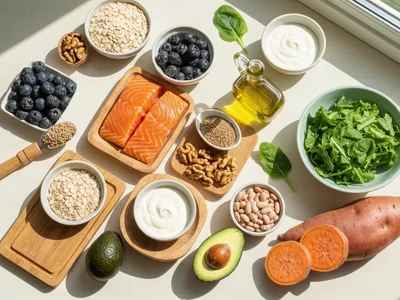
Managing blood sugar doesn’t mean eating bland or cutting entire food groups. The goal is choosing diabetes superfoods that slow digestion, reduce glucose spikes, and keep you satisfied. These foods are easy to find in U.S. grocery stores and fit into everyday meals—not just “special diets.” In this guide, you’ll learn what diabetes superfoods really are, how portions matter, and how to use staples like beans, oats, nuts, berries, yogurt, and omega-3 fish in practical ways that support steadier blood sugar.
What “Diabetes Superfoods” Really Mean
When people hear the term diabetes superfoods, they often expect a miracle ingredient. In reality, these foods share a few helpful traits and work best as part of a balanced pattern.
👉 For a deeper dive into topics related to whites, check out: Egg Whites vs Egg Yolks: What You Should Really Know — it’s packed with practical tips.
Diabetes superfoods and blood-sugar basics
Diabetes superfoods tend to be high in fiber, contain quality protein or healthy fats, and have a lower glycemic impact. Fiber slows digestion, which helps prevent sharp glucose spikes after meals. For example, ½ cup cooked beans provides about 7–8 grams of fiber, compared with white bread, which has about 1 gram per slice. Adding protein or fat—like nuts or yogurt—further slows how quickly carbs enter your bloodstream, improving post-meal control.
👉 This pairs well with our Gluten-Free Sugar-Free Banana Bread (Low-Carb) guide if you want the full picture on topics related to gluten.
Portion size still matters with diabetes superfoods
Even diabetes superfoods can raise blood sugar if portions are too large. Oats are a classic example. A ½-cup dry serving (about 40 g) cooked with water is very different from a large café bowl topped with honey. The same goes for fruit: berries work well, but eating 2–3 cups at once can still push glucose up. Think of diabetes superfoods as tools—you still need the right amounts.
👉 This pairs well with our Nutrient-Rich Nuts & Seeds: Top Health Benefits guide if you want the full picture on topics related to benefits.
Beans and Oats for Steadier Blood Sugar
This group of diabetes superfoods forms the backbone of many blood-sugar-friendly meals, especially for people who prefer plant-forward eating.
Diabetes superfoods: beans as everyday staples
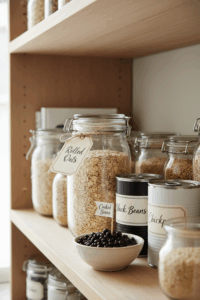
Beans are rich in fiber and plant protein, making them ideal diabetes superfoods. Black beans, kidney beans, and chickpeas all provide about 15 grams of carbs and 7–9 grams of fiber per ½ cup cooked. Canned beans are fine—just rinse them to remove up to 40% of added sodium. Try adding beans to salads, soups, or tacos instead of refined grains for steadier glucose levels.
Diabetes superfoods: oats without sugar spikes
Oats can support blood sugar when prepared correctly. Choose old-fashioned or steel-cut oats instead of instant packets. A standard serving is ½ cup dry oats, cooked in water or unsweetened milk. Pair oats with protein—like Greek yogurt or nuts—to reduce glucose spikes. Avoid sweeteners and rely on cinnamon or berries for flavor. This keeps oats in the diabetes superfoods category instead of turning breakfast into a sugar surge.
Nuts and Seeds That Keep You Full Longer
Among diabetes superfoods, nuts and seeds stand out for their healthy fats and satiety benefits.
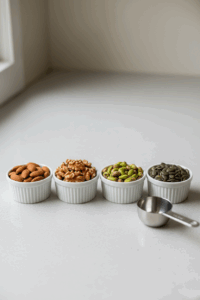
Diabetes superfoods and smart nut portions
Almonds, walnuts, and pistachios help stabilize blood sugar by slowing digestion. A practical portion is 1 oz (about ¼ cup or a small handful), which contains roughly 160–180 calories. Eating nuts with fruit or oats can blunt glucose spikes. For example, adding 1 tablespoon of almond butter to toast or oatmeal reduces the meal’s glycemic impact compared to carbs alone.
Diabetes superfoods: pumpkin seeds as easy add-ons
Pumpkin seeds are underrated diabetes superfoods. Just 1 oz provides about 7 grams of protein and 2 grams of fiber, plus magnesium, which supports insulin function. Sprinkle them on salads, yogurt, or roasted vegetables. Because they’re calorie-dense, stick to measured portions. Pumpkin seeds are especially useful for people who want to crunch without relying on crackers or chips.
Fruit Picks That Are Diabetes-Friendly
Fruit doesn’t need to be off-limits. The key is choosing diabetes superfoods that have more fiber and less sugar per bite.
Diabetes superfoods: berries for lower sugar impact
Berries are some of the best diabetes superfoods among fruits. One cup of strawberries contains about 12 grams of carbs and 3 grams of fiber, while blueberries provide antioxidants that support heart health. Use berries in yogurt, oatmeal, or smoothies instead of bananas or mangoes. Their lower glycemic load makes them easier to fit into blood-sugar-friendly meals.
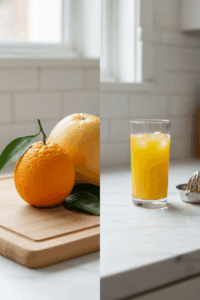
Diabetes superfoods: citrus fruits done right
Oranges and grapefruits can be diabetes superfoods when eaten whole. A medium orange has about 15 grams of carbs and 3 grams of fiber. Juice is different—8 oz orange juice lacks fiber and can spike glucose quickly. Choose whole citrus, pair it with protein, and limit portions to one fruit at a time.
Protein Staples: Yogurt and Omega-3 Fish
Protein-rich diabetes superfoods help control hunger and support steady energy throughout the day.
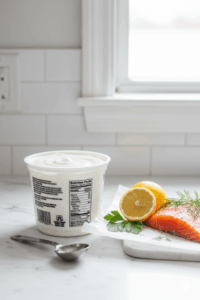
Diabetes superfoods: choosing the right yogurt
Yogurt can be a diabetes superfood if you choose wisely. Look for plain Greek yogurt with 15–18 grams of protein per ¾ cup and minimal added sugar. Sweetened yogurts can contain 15–20 grams of added sugar per serving. Add your own berries or nuts for flavor. This keeps yogurt filling without unexpected glucose spikes.
Diabetes superfoods: omega-3 fish each week
Fatty fish like salmon, sardines, and trout are top diabetes superfoods. Aim for 2 servings per week, about 3–4 oz per serving, baked or grilled at 375°F (190°C). Omega-3 fats support heart health, which is especially important for people with diabetes. Canned salmon or sardines are affordable options that still deliver benefits.
How to Build a Diabetes Superfoods Plate (Simple Steps)
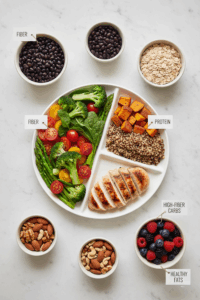
Use these quick steps to combine diabetes superfoods into balanced meals:
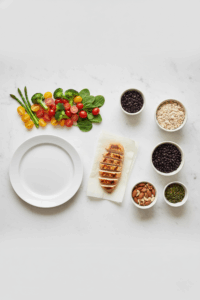
- Start with ½ plate non-starchy vegetables (broccoli, greens).
- Add ¼ plate protein (fish, yogurt, beans).
- Include ¼ plate carbs from diabetes superfoods (oats, beans).
- Add 1 tbsp healthy fat (nuts or seeds).
- Choose whole fruit over juice.
- Keep portions consistent day to day.
- Drink water or unsweetened tea.
- Check blood sugar response and adjust.
Tips & Swaps for Diabetes Superfoods
- Swap white rice for ½ cup beans or oats.
- Use nuts instead of croutons on salads.
- Choose whole citrus over juice.
- Mix berries into plain yogurt for sweetness.
- Bake fish at 375°F instead of frying.
Frequently Asked Questions About Diabetes Superfoods
Are diabetes superfoods safe for everyone with diabetes?
Most diabetes superfoods are safe for people with type 2 diabetes, but individual responses vary. Portion size and pairing foods matter. People with kidney disease or food allergies should consult a healthcare professional before increasing certain foods like nuts or beans.
How often should I eat diabetes superfoods?
You can include diabetes superfoods daily. For example, oats or yogurt at breakfast, beans at lunch, and fish twice a week. Consistency matters more than occasional “perfect” meals.
Can diabetes superfoods replace medication?
No. Diabetes superfoods support blood sugar management but don’t replace prescribed treatment. They work best alongside medical care, physical activity, and monitoring.
Are frozen berries still diabetes superfoods?
Yes. Frozen berries retain most nutrients and are often more affordable. Choose unsweetened versions and measure portions, usually ½–1 cup per serving.
Do diabetes superfoods help with weight control?
Many do, because fiber and protein increase fullness. While they can support weight management, total calorie intake and activity still matter.
Take the Next Step
Start small. Pick two diabetes superfoods this week—like beans and berries—and build meals around them. Over time, these simple swaps can make blood sugar management feel more doable and less restrictive.
Disclaimer: This content is for informational purposes only and is not a substitute for professional medical advice.

About Jane Smith
We turn solid evidence into everyday habits Americans can actually do—plain English, cups/oz, grocery-aisle swaps, and routines that fit real life. Our editorial process: Experience—we road-test tips in real schedules…