Warning Signs Your Body May Be Low in Key Nutrients
Understanding nutrient deficiency signs can help you catch subtle changes before they become bigger concerns. Many people overlook symptoms like...
Understanding nutrient deficiency signs can help you catch subtle changes before they become bigger concerns. Many people overlook symptoms like brittle nails, frequent colds, or bleeding gums because they seem minor or temporary. But your body often communicates through these small disruptions long before lab results or doctor visits confirm a deficiency. This guide breaks down the most common warning signs your body may be sending, along with practical ways to support healthier nutrient levels through everyday food choices. While these signs aren’t diagnostic, recognizing patterns can help you make more informed wellness decisions.
What Your Body’s Warning Signs Could Mean
As we move through busy schedules, it’s easy to miss the small symptoms that point to nutrient gaps. Your body typically signals through energy changes, skin and nail quality, and immune responses.
👉 This pairs well with our 9 Subtle Warning Signs Your Body Sends guide if you want the full picture on reading your body’s signals.
Signs linked to vitamin deficiencies (A, B12, C, folate)
Vitamin-related nutrient deficiency signs often appear in places where cells renew quickly—eyes, mouth, skin, and the immune system. For example, weak or dry vision may be linked to low vitamin A, especially if you also struggle with night visibility. Mouth ulcers may suggest low B12 or folate, particularly if they appear frequently or take more than 7–10 days to heal. Bleeding gums, especially when brushing gently, can occur when vitamin C intake is too low for consistent tissue repair. These symptoms don’t confirm a deficiency but they signal that your body’s vitamin stores may need support from daily food sources like citrus, leafy greens, and fortified cereals.
👉 For a deeper dive into sustained daily energy, check out: Top Vitamin B12 Foods for Everyday Energy — it’s packed with practical tips.
Signs linked to mineral deficiencies (iron, magnesium, zinc)
Mineral-related warning signs often impact energy, temperature control, and nervous system function. Feeling cold more often than people around you may indicate low iron levels, especially if it comes with fatigue or pale skin. Dizziness can also appear when iron intake is insufficient for supporting oxygen transport. Ringing in the ears—while caused by many things—may sometimes be linked to low magnesium, particularly if you also experience muscle twitches or difficulty relaxing at night. Frequent infections may point to low zinc, since this mineral supports several immune processes. Small changes like brittle nails or slow wound healing are common markers worth paying attention to. Again, these signs aren’t diagnostic, but they can prompt you to evaluate your mineral intake through foods like beans, nuts, poultry, and seafood.
👉 Want to go further? Our complete breakdown of Hidden Signs You’re Low in Key Nutrients walks you through spotting nutrient deficiencies early step by step.
Everyday Nutrition Tips to Support Your Body

Once you begin noticing patterns in nutrient deficiency symptoms, small diet adjustments can help support your body’s needs.
Simple food sources to boost key vitamins and minerals
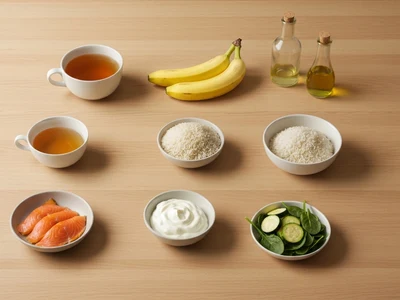
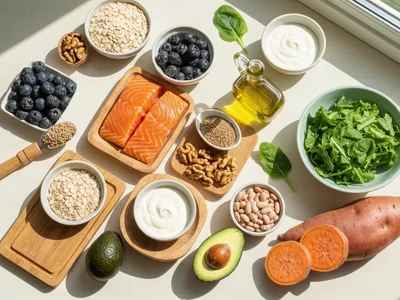
Adding nutrient-dense foods doesn’t require an overhaul—just a few intentional swaps. For example, vitamin A can be supported with carrots, sweet potatoes, and spinach. A half-cup of cooked carrots offers about 450% of the Daily Value for vitamin A, making it an easy win at dinner. For vitamin C, oranges, bell peppers, and strawberries are widely available and budget-friendly in most US grocery stores. B12 intake is easiest through animal products like eggs, milk, and chicken, but fortified cereals are great options too.
For minerals, iron-rich foods like lean beef, lentils, and fortified oatmeal can help support energy levels. Magnesium is abundant in almonds, pumpkin seeds, and whole grains, while zinc appears in turkey, chickpeas, and Greek yogurt. Even adding just 1 oz of pumpkin seeds provides roughly 20% of the Daily Value for magnesium—a small but impactful choice.
When to get nutrient testing or professional guidance
If symptoms persist longer than a few weeks, or if new signs appear alongside fatigue, hair thinning, or unintentional weight changes, it can be helpful to get a nutrient panel through a primary care provider. Many US clinics offer simple blood tests that measure levels of B12, folate, iron, and vitamin D. Testing is especially helpful if you follow a vegetarian or vegan diet, have digestive conditions that reduce absorption, or take certain medications that affect nutrient levels. Professional guidance ensures you receive tailored recommendations rather than self-supplementing, which can sometimes lead to taking unnecessary or excessive doses. Always discuss any supplement plan with a health professional to avoid interactions or overuse.
How to Strengthen Your Diet With Daily Habits
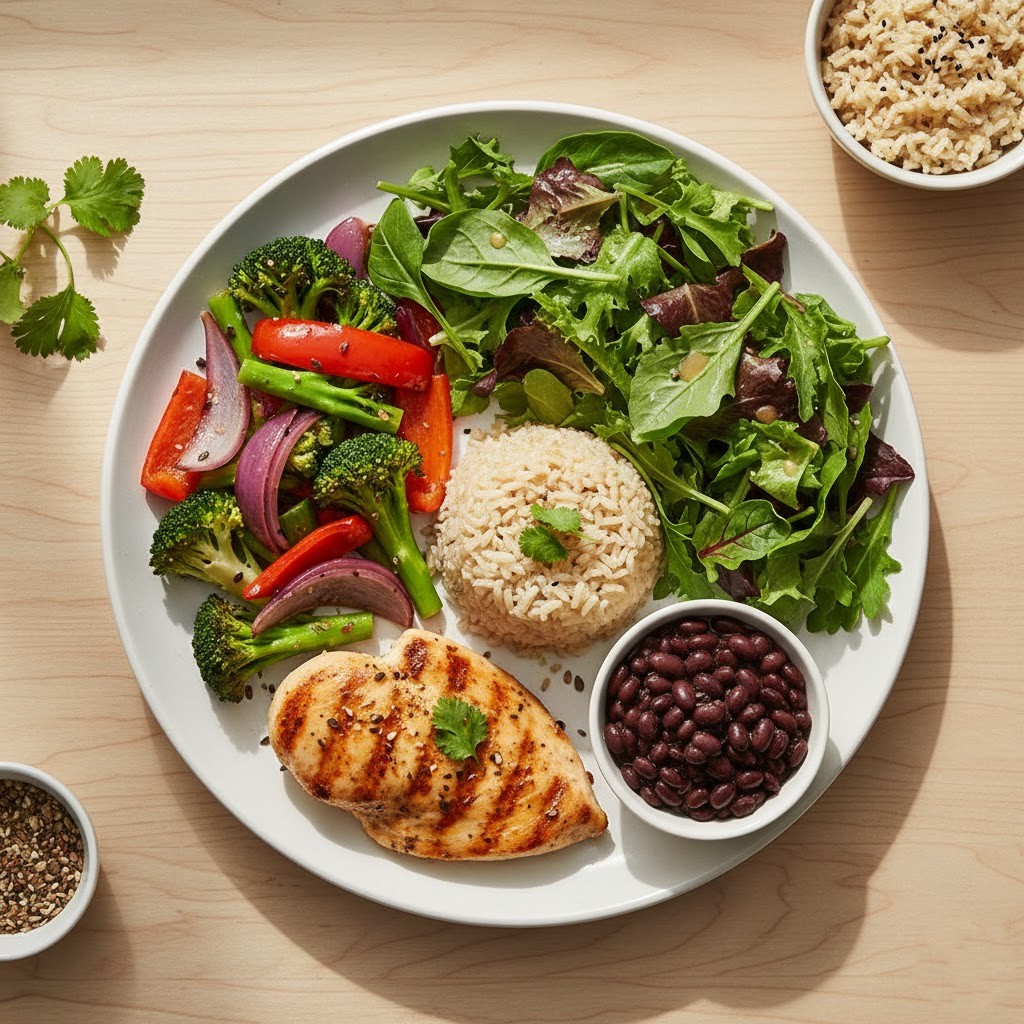
Once you identify nutrient gaps, reinforcing healthy eating habits helps maintain consistent vitamin and mineral levels.
Daily habits to maintain steady nutrient intake
Building small routines makes a big difference. Adding a serving of colorful vegetables at lunch and dinner provides a reliable foundation for vitamins A and C. A breakfast containing protein—such as eggs, yogurt, or fortified cereal—helps support B vitamins and minerals like zinc. If you often forget to drink water, aim for at least 8 cups per day to support better digestion and nutrient absorption. Preparing 2–3 meals at home each week gives you greater control over ingredients, making it easier to incorporate iron-rich beans or magnesium-rich whole grains. Even packing a fruit snack, like an apple or orange, boosts your vitamin intake without much effort.
Smart grocery swaps for better nutrient coverage
Simple shifts can significantly increase nutrient density. Swap iceberg lettuce for spinach to instantly increase vitamin A and folate. Replace white pasta with whole-wheat pasta for added magnesium and zinc. Instead of snack foods with little nutritional value, try 1 oz of almonds or walnuts, which offer minerals and healthy fats. Choosing fortified milk alternatives—such as almond or soy milk—adds vitamin B12 and D for readers who avoid dairy. Buying frozen vegetables is also a great strategy since they maintain nutrient levels but cost less than fresh options in many US stores. These swaps help cover nutrient gaps while keeping meals familiar and enjoyable.
When to Consider Supplements Safely

Although food should be the primary source of vitamins and minerals, some people may benefit from supplements.
Who may benefit from supplements
Individuals with limited diets, such as those following vegan or dairy-free eating patterns, may require B12 or calcium support. People over age 50 often absorb B12 less efficiently and may need additional intake to maintain proper levels. Those experiencing heavy menstrual cycles may need more iron, though testing is recommended before supplementing. If frequent infections or slow wound healing persist, zinc supplementation might be considered temporarily. For fatigue that lasts more than 2–3 weeks, low iron or B12 could be involved, but testing helps determine the safest and most effective approach.
How to use supplements responsibly
Over-the-counter supplements vary widely in dose and quality. Always choose brands tested by third parties such as USP or NSF. Avoid exceeding recommended doses unless instructed by a clinician—for example, high-dose iron can cause stomach discomfort or constipation. Take supplements with food unless directed otherwise; many minerals absorb better with a meal. If taking multiple supplements, review them with a healthcare provider to avoid interactions, especially if you use medications for thyroid conditions, diabetes, or high blood pressure. Responsible supplement use should fill gaps, not replace a balanced diet.
FAQs
- How do I know if a deficiency is serious?
Persistent symptoms like dizziness, severe fatigue, or rapid heartbeat may signal a more serious issue. If symptoms last more than two weeks or worsen, contact a healthcare provider. Blood tests offer clear insight into vitamin and mineral levels. - Can I correct nutrient deficiencies through food alone?
Many mild deficiencies can be supported through nutrition, especially with foods like leafy greens, citrus fruits, beans, and lean meats. However, some deficiencies—like B12 or iron—may require supplements when levels are very low. A clinician can help determine the best plan. - Are nutrient deficiency symptoms reversible?
In many cases, yes. Once intake improves, symptoms such as brittle nails or low energy often improve within a few weeks. More significant deficiencies may take several months to correct, depending on the nutrient and your overall health. - Should I get tested if I feel fine but eat a limited diet?
Testing can still be useful, especially if you avoid animal products or have digestive issues like IBS or celiac disease. These conditions can impact absorption even when symptoms are subtle or inconsistent. - Are fortified foods helpful for preventing deficiencies?
Yes—fortified cereals, plant-based milks, and some breads can help provide essential nutrients like B12, folate, and iron. These options are especially helpful for people with dietary restrictions. - Do symptoms always mean I have a deficiency?
Not necessarily. Many nutrient deficiency signs overlap with other conditions like stress, hormonal changes, or lack of sleep. If symptoms persist or concern you, professional evaluation is recommended.
Tips & Swaps
- Add 1 cup of spinach to omelets or pasta for extra folate.
- Keep oranges or strawberries on hand for daily vitamin C.
- Choose whole grains to boost magnesium naturally.
- Replace snacks with 1 oz nuts for zinc and healthy fats.
Take note of any recurring symptoms and consider simple dietary upgrades this week. Small, consistent changes often make the biggest impact on long-term nutrient balance.
Disclaimer: This content is for informational purposes only and is not a substitute for professional medical advice.

About Jane Smith
We turn solid evidence into everyday habits Americans can actually do—plain English, cups/oz, grocery-aisle swaps, and routines that fit real life. Our editorial process: Experience—we road-test tips in real schedules…