Best Foods for Seniors to Support Healthy Aging
As we age, nutrition becomes one of the most powerful tools for maintaining health, energy, and independence. Choosing the best...
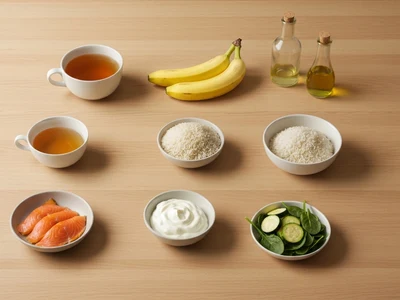
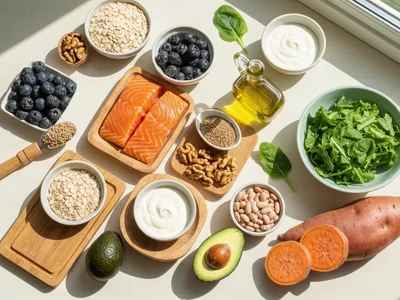
As we age, nutrition becomes one of the most powerful tools for maintaining health, energy, and independence. Choosing the best foods for seniors can help support heart health, protect brain function, strengthen bones, and improve immunity. The good news is that many of these foods are affordable and easy to find at any U.S. grocery store. From bananas and avocados to salmon and yogurt, simple daily choices can make a meaningful difference in how older adults feel and function. Below, you’ll learn which foods offer the biggest health benefits and how to incorporate them into everyday meals.
Why Nutrition Is Critical for Seniors’ Health
Aging naturally changes how the body processes nutrients, making diet even more important after age 60. Understanding why the best foods for seniors matter helps older adults make smarter food choices that support long-term health.

How Aging Changes Nutritional Needs for Seniors
As people age, metabolism slows and the body absorbs certain nutrients less efficiently. For example, adults over 60 often require 20–30% more vitamin D and calcium to maintain bone health. Muscle mass also gradually declines, meaning seniors benefit from more protein-rich foods such as eggs, yogurt, and fish.
Hydration is another challenge because the sense of thirst decreases with age. Experts recommend older adults drink about 6–8 cups of fluids daily (1.4–1.9 liters), including water, milk, and broth-based soups. Choosing nutrient-dense foods like leafy greens, nuts, and fruits—helps seniors meet their nutritional needs without overeating calories.
These shifts are why the best foods for seniors focus on high nutrient value rather than simply calorie intake.
Common Health Risks Improved by Diet for Seniors
Many common conditions affecting older adults are influenced by diet. High blood pressure, heart disease, type 2 diabetes, and osteoporosis are among the most common health concerns after age 65.
For instance, potassium-rich foods such as bananas can help support healthy blood pressure levels. Similarly, omega-3 fatty acids from salmon are linked to improved cardiovascular health. Research shows adults who eat fish at least twice per week often have lower heart disease risk.
Diet also affects cognitive health. Nutrients like vitamin B12, antioxidants, and healthy fats may help protect memory and brain function. When seniors consistently include the best foods for seniors in their meals, they build a dietary pattern that supports overall longevity.
Best Foods for Seniors to Eat Daily
Fortunately, many of the best foods for seniors are simple, affordable ingredients commonly found in American kitchens. These foods provide essential nutrients that support heart health, blood pressure, and blood sugar balance.
Bananas for Healthy Blood Pressure in Seniors
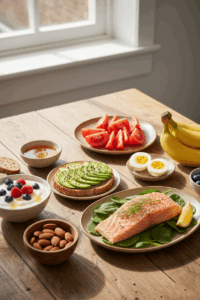
Bananas are one of the easiest potassium-rich foods to include in a daily diet. A medium banana contains about 420 mg of potassium, a mineral that helps regulate blood pressure by balancing sodium levels in the body.
For seniors managing hypertension, adding potassium-rich foods may help support healthy blood pressure levels when combined with other healthy habits. Bananas also contain vitamin B6 and fiber, which support digestion and overall metabolic health.
A simple breakfast option is sliced banana over oatmeal with a drizzle of honey and 1 tbsp chopped almonds. This meal provides potassium, fiber, and healthy fats—all nutrients that appear frequently in the best foods for seniors list.
Because bananas are soft and easy to chew, they’re especially convenient for older adults with dental concerns.
Avocados for Heart Health in Seniors
Avocados are another powerful addition to the best foods for seniors because they provide heart-healthy monounsaturated fats. One medium avocado contains about 10 grams of fiber and beneficial fats that may help support healthy cholesterol levels.
In addition to healthy fats, avocados contain potassium, magnesium, and vitamin K—all nutrients important for cardiovascular health. Seniors can easily add avocado to meals by spreading 2 tbsp mashed avocado on whole-grain toast or adding slices to salads.
For a quick lunch idea, combine avocado, cherry tomatoes, olive oil, and grilled chicken for a balanced meal rich in healthy fats and protein. Meals like this support heart health while also helping seniors stay full and energized throughout the day.
Foods That Protect Brain and Bone Health
Protecting cognitive function and bone density becomes increasingly important with age. Several of the best foods for seniors contain nutrients that support brain health, memory, and bone strength.
Eggs for Brain Function and Memory in Seniors
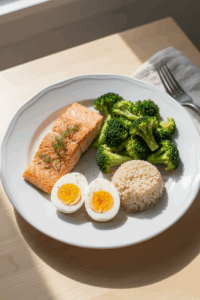
Eggs are one of the most affordable and nutrient-dense foods available. A single large egg contains about 6 grams of protein and important nutrients such as choline, vitamin B12, and vitamin D.
Choline plays a key role in brain health because it helps produce acetylcholine, a neurotransmitter involved in memory and cognitive function. Seniors who consume adequate choline may support brain health as they age.
Eggs are also extremely versatile. They can be scrambled, boiled, or baked into dishes such as vegetable frittatas. For example, a breakfast of two eggs with sautéed spinach and whole-grain toast provides protein, fiber, and essential vitamins.
Including eggs regularly in meals makes them one of the most practical best foods for seniors supporting both brain and muscle health.
Salmon for Brain Health and Memory Support
Fatty fish such as salmon are widely considered one of the best foods for seniors because they provide omega-3 fatty acids. A typical 3-oz (85 g) serving of salmon contains over 1,500 mg of omega-3s.
Omega-3 fatty acids support cardiovascular health and may also help protect cognitive function. Studies suggest that adults who eat fatty fish two to three times per week often experience better brain health over time.
Salmon also provides vitamin D, which is essential for bone health and immune support. Baking salmon at 400°F (204°C) for 12–15 minutes with olive oil and lemon creates a simple, nutritious meal.
Pair salmon with roasted vegetables such as broccoli or carrots to create a balanced dinner rich in nutrients that benefit seniors.
Foods That Support Joints and Immunity
In addition to heart and brain health, the best foods for seniors also help support joint comfort and a strong immune system.
Tomatoes for Joint Health in Seniors
Tomatoes contain antioxidants such as lycopene and vitamin C that may help reduce inflammation in the body. Chronic inflammation is associated with joint discomfort and certain age-related health issues.
A single cup of chopped tomatoes provides about 25 mg of vitamin C, which supports immune function and tissue repair. Cooking tomatoes can increase lycopene availability, making tomato-based sauces a useful dietary addition.
For example, seniors can prepare a simple pasta sauce with crushed tomatoes, garlic, olive oil, and herbs. This dish pairs well with whole-grain pasta and grilled chicken for a balanced meal.
Adding tomatoes regularly to meals is one easy way to include more antioxidant-rich options among the best foods for seniors.
Yogurt for Immune Support in Seniors
Yogurt provides beneficial probiotics that support digestive and immune health. A 6-oz (170 g) serving of plain Greek yogurt typically contains about 15 grams of protein and live bacterial cultures.
These probiotics help maintain a healthy gut microbiome, which plays an important role in immune defense. Yogurt also provides calcium and vitamin B12, nutrients often needed in greater amounts by older adults.
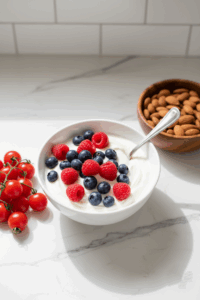
A simple snack idea is Greek yogurt topped with ½ cup blueberries and 1 tbsp honey. This combination adds antioxidants, protein, and natural sweetness.
Because it is easy to prepare and widely available in U.S. grocery stores, yogurt remains one of the most convenient best foods for seniors for everyday nutrition.
Simple Tips to Add These Foods to Your Diet
Understanding the best foods for seniors is helpful, but the real benefit comes from consistently including them in daily meals.

Easy Meal Ideas for Seniors Using Healthy Foods
Creating simple meals with nutrient-dense ingredients helps seniors maintain healthy eating habits without complicated recipes.
Quick meal ideas:
- Breakfast: oatmeal with banana slices and almonds
- Lunch: avocado toast with eggs and tomatoes
- Snack: Greek yogurt with berries
- Dinner: baked salmon with broccoli and brown rice
- Salad: mixed greens with avocado and grilled chicken
- Smoothie: banana, yogurt, spinach, and almond milk
These meals combine several of the best foods for seniors into balanced, satisfying dishes.
Recommended Daily Portions of Healthy Foods for Seniors
Balanced portion sizes help seniors receive enough nutrients without overeating calories.
Healthy portion guidelines:
- 2 cups vegetables daily
- 1½–2 cups fruit daily
- 5–6 oz protein foods (fish, eggs, poultry)
- 3 servings dairy or fortified alternatives
- 4–6 servings whole grains
These general recommendations align with U.S. dietary guidelines and encourage seniors to regularly include the best foods for seniors in balanced meals.
Tips & Swaps for Senior-Friendly Meals
- Swap white bread for whole-grain bread for more fiber.
- Replace butter with mashed avocado on toast.
- Choose baked salmon instead of fried fish.
- Use Greek yogurt instead of sour cream.
- Add spinach or broccoli to omelets.
- Replace sugary snacks with fruit and almonds.
FAQ About Best Foods for Seniors
What are the best foods for seniors to eat daily?
Some of the best foods for seniors include bananas, avocados, salmon, eggs, yogurt, and leafy vegetables. These foods provide key nutrients such as potassium, protein, omega-3 fatty acids, calcium, and antioxidants. Eating a variety of nutrient-dense foods daily helps support heart health, brain function, bone strength, and immune health.
How much protein should seniors eat each day?
Many health experts recommend older adults aim for 0.8–1 gram of protein per kilogram of body weight daily. For example, a 150-lb (68-kg) adult may need about 55–68 grams of protein per day. Good protein sources among the best foods for seniors include eggs, fish, yogurt, beans, and lean poultry.
Which foods help seniors maintain bone health?
Calcium- and vitamin D-rich foods are essential for bone health. Examples include yogurt, milk, fortified plant milks, leafy greens, and salmon. Many seniors require 1,200 mg of calcium daily, which can often be achieved through diet combined with fortified foods.
Are nuts good foods for seniors?
Yes, nuts such as almonds and walnuts are considered among the best foods for seniors because they contain healthy fats, fiber, and antioxidants. Eating about 1 oz (28 g) of nuts daily may support heart health and provide important nutrients like magnesium and vitamin E.
What foods help seniors support memory?
Foods rich in omega-3 fatty acids, antioxidants, and B vitamins may support brain health. Salmon, eggs, berries, leafy greens, and nuts are commonly recommended foods for cognitive support. Regularly including these items in meals helps maintain a nutrient-rich diet beneficial for memory and brain function.
Disclaimer: This content is for informational purposes only and is not a substitute for professional medical advice.

About Essentialwellnessaz Editorial Team
We turn solid evidence into everyday habits Americans can actually do—plain English, cups/oz, grocery-aisle swaps, and routines that fit real life. Our editorial process: Experience—we road-test tips in real schedules…