15 Best Foods to Control Diabetes Naturally
Managing diabetes doesn’t start with perfection, it starts with better daily choices. For many Americans, food is the most practical,...
Managing diabetes doesn’t start with perfection, it starts with better daily choices. For many Americans, food is the most practical, powerful lever to help stabilize blood sugar, improve energy, and support long-term health. The good news? You don’t need exotic ingredients or strict rules. You need a smart mix of fiber, protein, and healthy fats foods you can find at any US grocery store.
In this guide, we’ll break down the 15 best foods to control diabetes naturally, explain why they work, and show you how to eat them in real life without feeling deprived.
How Food Helps Control Diabetes Naturally
What you eat has a direct, measurable effect on blood glucose. Understanding a few basics makes food choices much easier.
👉 Want to go further? Our complete breakdown of Food Is Medicine: Best Foods for Each Organ walks you through topics related to medicine step by step.
Blood sugar basics for diabetes control
When you eat carbohydrates, your body converts them into glucose. In people with diabetes or insulin resistance, that glucose can build up in the blood instead of moving efficiently into cells. For example, a breakfast of white toast and juice can spike blood sugar above 180 mg/dL within an hour, while a higher-fiber, higher-protein meal often leads to a slower, lower rise. Foods that digest more slowly help reduce these sharp spikes, which is key for diabetes control.
👉 This pairs well with our 15 Easy Diabetic Snacks for Steady Blood Sugar guide if you want the full picture on blood pressure and heart health.
Fiber, protein, and fats for diabetes-friendly meals
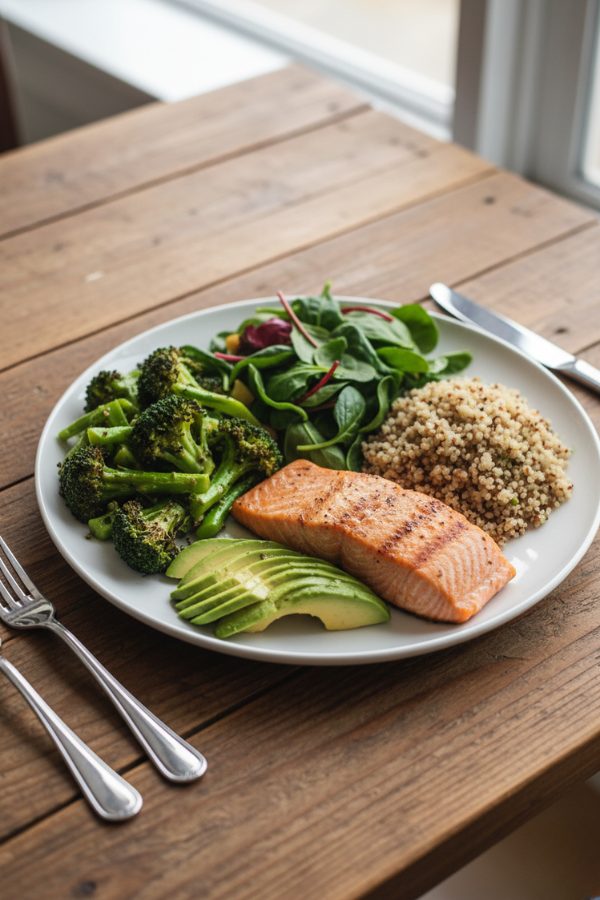
Fiber slows digestion, protein stabilizes appetite, and healthy fats reduce how fast carbs hit your bloodstream. A simple example: eating ½ cup cooked quinoa alone may raise blood sugar faster than pairing it with 3 oz grilled salmon and vegetables. This combination supports steadier glucose levels and longer-lasting fullness—both essential for managing diabetes naturally.
👉 This pairs well with our Tongue Color Meaning: What Your Tongue Reveals guide if you want the full picture on topics related to reveals.
Why low-glycemic foods support diabetes control
Low-glycemic foods cause a gentler rise in blood sugar compared to refined carbs. While the glycemic index isn’t perfect, it’s useful as a guide. Non-starchy vegetables, beans, berries, and whole grains typically rank lower and are linked to improved A1C when eaten consistently as part of balanced meals.
15 Best Foods to Control Diabetes Naturally
Now let’s look at the specific foods that consistently support better blood sugar control.
Non-starchy vegetables for diabetes control
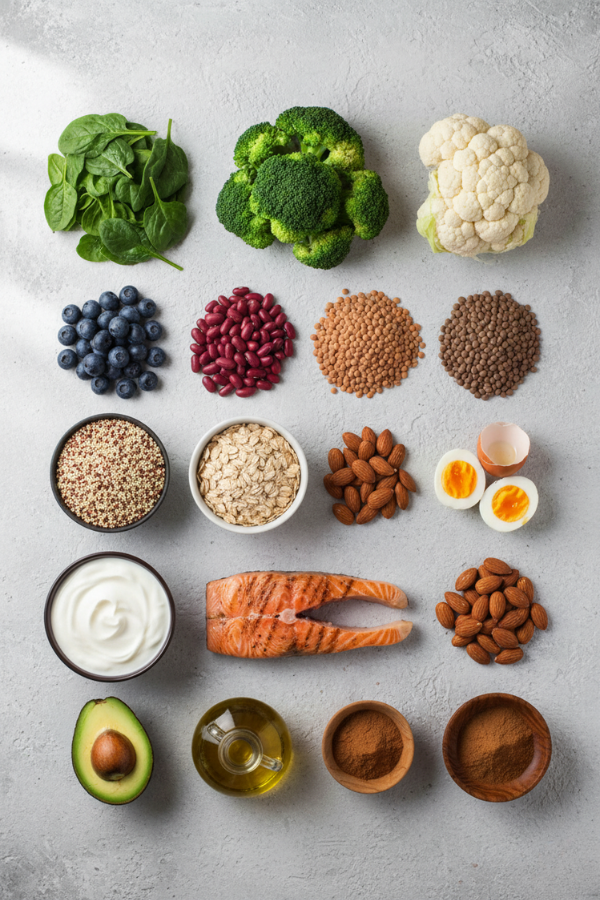
Leafy greens, broccoli, and other cruciferous vegetables are cornerstones of diabetes-friendly eating. One cup of raw spinach has less than 1 gram of carbs but provides fiber, magnesium, and antioxidants. Broccoli and cauliflower contain compounds linked to improved insulin sensitivity. Filling half your plate with these vegetables adds volume and nutrients without driving blood sugar up.
High-fiber carbs that help control diabetes
Not all carbs are equal. Beans, lentils, quinoa, and whole grains provide fiber that slows glucose absorption. For example, ½ cup cooked lentils offer about 8 grams of fiber and 9 grams of protein, helping reduce post-meal spikes. Compared to white rice, quinoa and whole grains lead to steadier blood sugar when eaten in moderate portions.
Protein staples for blood sugar balance
Eggs and plain Greek yogurt are reliable protein sources. Two large eggs provide 12 grams of protein with virtually no carbs. Greek yogurt (unsweetened) delivers protein plus probiotics, which may support metabolic health. Choosing protein at every meal helps reduce glucose swings and late-day cravings.
Healthy fats that support diabetes control
Fatty fish like salmon, nuts, and avocados improve satiety and heart health—important since diabetes increases cardiovascular risk. Eating 2 servings of fatty fish per week is commonly recommended. Adding ¼ avocado or a small handful of nuts to meals slows digestion and improves overall glucose response.
Natural flavor boosters with diabetes benefits
Cinnamon, apple cider vinegar, dark chocolate (70%+ cacao), and berries add flavor without excess sugar. Studies suggest 1–2 tsp cinnamon per day may modestly improve fasting glucose. A vinegar-based dressing before a carb-heavy meal may blunt spikes. The key is moderation, not miracle claims.
How to Eat These Foods Using the Diabetes Plate Method
Knowing what to eat is only half the battle—how you build meals matters just as much.
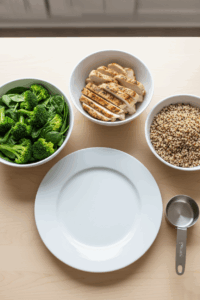
Diabetes plate method for blood sugar control
Start with a 9-inch plate. Fill ½ the plate with non-starchy vegetables, ¼ with lean protein, and ¼ with high-fiber carbs. Add a small amount of healthy fat. This simple method helps control portions without counting calories and works well for most people managing diabetes.
Pairing foods to reduce blood sugar spikes
Pairing carbs with protein or fat reduces glucose surges. For example, instead of eating fruit alone, pair ½ cup berries with ½ cup Greek yogurt. Instead of plain toast, add eggs or nut butter. These combinations slow digestion and improve blood sugar stability after meals.
Sample one-day diabetes-friendly menu
- Breakfast: Veggie omelet (2 eggs) with spinach + ½ cup berries
- Lunch: Grilled chicken salad with olive oil vinaigrette + ½ cup quinoa
- Dinner: Baked salmon (4 oz) with broccoli and lentils
- Snack: Greek yogurt or a small handful of nuts
This structure supports balanced blood sugar across the day.
Foods to Limit for Better Diabetes Control
Some foods consistently make blood sugar management harder, even in small amounts.
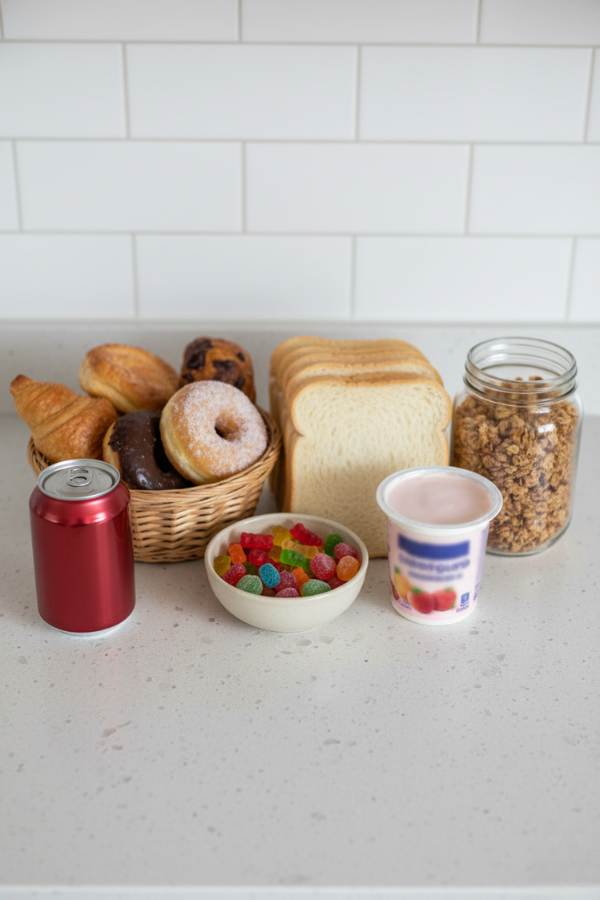
Sugary and refined foods that worsen diabetes
Sugary drinks, white bread, pastries, and candy cause rapid spikes. A single 12-oz soda can contain 35–40 grams of sugar, often pushing blood glucose well above target range. These foods lack fiber and protein, making them easy to overconsume and hard to balance.
“Healthy” foods that can spike blood sugar
Some foods marketed as healthy can still raise glucose quickly. Sweetened yogurt, granola, smoothies, and fruit juice are common examples. A smoothie with fruit juice can contain as much sugar as soda. Reading labels and choosing whole foods helps avoid these hidden traps.
Diabetes Diet FAQs
Here are common questions US readers often ask about diabetes-friendly eating.
Can food alone control diabetes?
For some people with prediabetes or early type 2 diabetes, dietary changes may significantly improve blood sugar. However, many people still need medication. Food should be seen as a foundation, not a replacement for medical care. Always follow your clinician’s guidance.
Is fruit bad for diabetes?
Whole fruit is generally fine in moderation. Berries, apples, and citrus have more fiber and a gentler glucose impact. Portion matters about ½ to 1 cup per serving is a common guideline.
Are potatoes and bread off-limits?
Not necessarily. Portion size, preparation, and pairing matter. Eating roasted potatoes with protein and vegetables affects blood sugar differently than eating fries alone. Choose whole-grain bread and limit portions.
Does apple cider vinegar really help?
Vinegar may modestly reduce post-meal spikes when used with meals, such as 1 tbsp in a salad dressing. It’s not a cure and shouldn’t replace medication or balanced eating.
How often should I eat these foods?
Consistency matters more than perfection. Including diabetes-friendly foods at most meals—daily vegetables, regular protein, and fiber-rich carbs—supports steadier blood sugar over time.
Tips & Swaps for Everyday Diabetes Control
- Swap white rice for quinoa or brown rice
- Choose berries instead of fruit juice
- Use olive oil instead of butter most days
- Pick plain Greek yogurt, add fruit yourself
- Snack on nuts instead of chips
- Add vinegar-based dressings to meals
Takeaway: Eat Smart to Control Diabetes Naturally
Food won’t “fix” diabetes overnight, but the right choices can dramatically improve blood sugar control over time. Focus on fiber, protein, and healthy fats and build meals you can sustain. Small, consistent changes add up.
Call to Action:
If you’re working to manage diabetes naturally, start with your next meal. Choose one food swap from this guide today and build from there for long-term blood sugar control.
Disclaimer: This content is for informational purposes only and is not a substitute for professional medical advice.

About Jane Smith
We turn solid evidence into everyday habits Americans can actually do—plain English, cups/oz, grocery-aisle swaps, and routines that fit real life. Our editorial process: Experience—we road-test tips in real schedules…